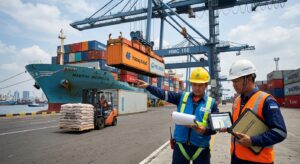


Navigating international trade between Southeast Asia and the Gulf offers incredible growth potential for modern businesses. As global markets evolve, expanding Indonesian export reach in the Middle East has become a strategic priority for companies aiming to scale operations.
This guide serves as your comprehensive roadmap for success. We break down the regulatory, logistical, and cultural frameworks required to thrive within the United Arab Emirates. By leveraging recent trade agreements and digital tools, your brand can effectively position itself for long-term prosperity in this high-demand region.
Key Takeaways
- Understand the essential regulatory frameworks for Gulf trade.
- Leverage new trade agreements to lower operational costs.
- Master cultural nuances to build stronger local partnerships.
- Utilize digital transformation to streamline your supply chain.
- Position your products for success in the competitive UAE market.
The Current Landscape of Indonesia-Middle East Trade Relations
Trade relations between Indonesia and the Middle East have evolved from simple commodity exchanges into a robust, multifaceted partnership. This shift reflects a shared ambition to move beyond traditional sectors and embrace a more dynamic economic future.
As both regions prioritize economic diversification, the Indonesian export market in the Middle East is expanding into new, high-value territories. This transition is not merely about volume; it is about building sustainable, long-term value chains that benefit both nations.
Historical Context and Modern Economic Ties
For decades, the connection between these regions was primarily defined by the exchange of raw materials and energy resources. Today, Indonesia-Middle East trade relations are characterized by a sophisticated approach to investment and technology transfer.
Both sides are actively working to reduce their reliance on hydrocarbons. By fostering closer ties in manufacturing, digital services, and sustainable energy, they are creating a more resilient economic foundation. This strategic pivot allows businesses to explore opportunities that were previously inaccessible.
Key Drivers of Trade Growth Between Indonesia and the UAE
The recent implementation of the Comprehensive Economic Partnership Agreement (IUAE-CEPA) serves as a major catalyst for Indonesian trade growth Middle East. This landmark agreement removes many of the barriers that previously hindered smaller exporters from entering the Gulf market.
Beyond the agreement, the alignment of national policies plays a crucial role in this success. The UAE’s vision for a diversified economy perfectly complements Indonesia’s goal to become a global manufacturing hub. Strategic cooperation in logistics and infrastructure further ensures that this trade corridor remains one of the most promising for emerging market participants.
Strategic Advantages for Indonesian Exporters in the UAE
For Indonesian companies, the UAE offers a unique landscape that transforms how they approach international trade. By positioning operations in this region, businesses can effectively boost the flow of Indonesian goods Middle East trade through a highly efficient ecosystem.
Leveraging the UAE as a Regional Logistics Hub
The UAE serves as a premier re-export hub, providing unparalleled access to neighboring countries. Utilizing the Jebel Ali Free Zone allows companies to streamline their distribution processes significantly.
This strategic location helps reduce overhead costs for firms entering the region. By maintaining inventory in these specialized zones, businesses can respond faster to shifting demands across the Gulf.
Understanding the Free Trade Agreement Benefits
Strengthening Indonesia-Middle East trade relations is now easier than ever thanks to recent economic agreements. These frameworks remove many traditional barriers, allowing for a smoother exchange of goods and services.
Exporters can take advantage of reduced tariffs and simplified customs procedures. This environment is specifically designed to help Indonesian exports Middle East markets reach their full potential with minimal friction.
| Advantage Feature | Logistics Impact | Cost Efficiency |
|---|---|---|
| Jebel Ali Free Zone | High Connectivity | Reduced Taxes |
| Trade Agreements | Faster Clearance | Lower Tariffs |
| Regional Hub Status | Broad Market Reach | Lower Shipping Fees |
Identifying High-Demand Indonesian Products in Middle Eastern Markets
Strategic market entry begins with identifying the specific products that meet local demand. By analyzing current import data, businesses can better position themselves within the Indonesian export market in the Middle East. Focusing on high-potential sectors ensures that your resources are directed toward areas with the strongest growth trajectories.
Agricultural Commodities and Food Security
Food security remains a top priority for the United Arab Emirates, creating a steady demand for reliable suppliers. Indonesia is uniquely positioned to fill this gap, particularly with palm oil and processed food products. These staples are essential to the local supply chain and offer consistent volume for exporters.
Beyond palm oil, there is growing interest in Indonesian spices, coffee, and tropical fruits. UAE consumers increasingly value high-quality, sustainably sourced ingredients for their kitchens. Establishing a presence in this sector requires strict adherence to international food safety standards.
Textiles and Apparel Market Trends
The fashion landscape in the Gulf is evolving rapidly, blending traditional values with modern global trends. There is a significant opportunity for Indonesian goods Middle East trade, especially in the realm of modest fashion and high-quality textiles. Local retailers are constantly seeking unique fabrics that offer both comfort and elegance.
Exporters who focus on premium materials, such as batik-inspired designs or lightweight cottons, often find success. Customization and cultural sensitivity in design are key factors that help brands stand out in a competitive retail environment. Keeping a close eye on seasonal demand shifts will help you maintain a competitive edge.
Furniture and Home Decor Opportunities
The booming real estate sector in the UAE has fueled a massive appetite for interior design and home furnishings. This creates a prime environment for Indonesian products Middle East expansion, as Indonesian craftsmanship is highly regarded for its durability and aesthetic appeal. From intricate wood carvings to modern minimalist pieces, there is a diverse range of styles that resonate with local homeowners.
Many UAE businesses are looking for partners who can provide bespoke furniture solutions for luxury villas and commercial projects. By highlighting the unique artistry and sustainable materials used in your production, you can capture the attention of high-end interior designers. Focusing on these high-demand categories will help your business thrive in the region.
Expanding Indonesian Export Reach in the Middle East Through Digital Channels
Digital transformation is fundamentally reshaping how Indonesian businesses approach the Middle Eastern market. By embracing modern technology, companies can effectively overcome geographical barriers and connect with new audiences. This shift is essential for expanding Indonesian export reach in the Middle East in a highly competitive global environment.
For those looking to explore new avenues, understanding Indonesia market opportunities is the first step toward success. Adopting a digital-first mindset allows exporters to scale their operations with greater efficiency and precision.
Utilizing E-commerce Platforms for Market Entry
E-commerce platforms serve as a powerful gateway for Indonesian brands to enter the UAE market without the need for massive physical infrastructure. By listing products on established regional marketplaces, businesses can bypass traditional retail gatekeepers. This approach provides direct access to a vast consumer base that is already comfortable with online shopping.
Utilizing these platforms helps in testing product demand with minimal financial risk. It also allows for real-time feedback from customers, which is invaluable for refining your offerings. Consider the following digital entry methods to boost your presence:
- B2B Marketplaces: Ideal for connecting with wholesalers and bulk buyers in the Gulf.
- B2C Platforms: Best for reaching individual consumers through targeted retail campaigns.
- Social Commerce: Leveraging platforms like Instagram and TikTok to drive direct sales.
Digital Marketing Strategies for the Gulf Consumer
Effective Indonesia export strategies Middle East require a deep understanding of local consumer behavior. The Gulf market is highly mobile-centric, meaning your digital content must be optimized for smartphones. Personalization and high-quality visual storytelling are key to capturing the attention of local shoppers.
Marketing messages should be culturally sensitive and aligned with regional trends. Engaging with local influencers can also build trust and credibility for your brand. Below is a comparison of digital strategies to help you prioritize your efforts:
| Strategy | Primary Benefit | Target Audience |
|---|---|---|
| Influencer Partnerships | High Brand Trust | Younger Demographics |
| Localized SEO | Long-term Visibility | Search-driven Buyers |
| Paid Social Ads | Immediate Traffic | Broad Consumer Base |
| Email Marketing | Customer Retention | Existing Clients |
Navigating Regulatory Requirements and Customs Procedures
Smooth operations in the UAE depend on your ability to meet strict compliance and documentation standards. Navigating the regulatory landscape is a critical step for any business aiming to maintain a consistent supply chain. By mastering these procedures, Indonesian exporters can avoid costly delays and maintain strong relationships with their Middle Eastern partners.
Compliance with UAE Standards and Certification
The United Arab Emirates maintains rigorous standards to ensure consumer safety and product quality. For Indonesian exporters, particularly those in the agricultural sector, adhering to these guidelines is non-negotiable. You must ensure that all food safety protocols and product labeling requirements are met before your goods reach the border.
Local authorities often require specific certifications to verify that products meet national health standards. Proactive engagement with these requirements helps prevent shipments from being held at customs. You can find more detailed guidance on preparing your business for these international standards by visiting our comprehensive resource page for exporters.
Managing Documentation for Seamless Exporting
Effective documentation is the backbone of a successful export strategy. You must prepare essential paperwork, such as phytosanitary certificates and detailed quality inspection reports, well in advance of your shipment date. Accuracy in these documents ensures that your goods move through customs without unnecessary friction.
Maintaining an organized digital and physical filing system will save your team significant time during audits. Consistency is key when dealing with international trade authorities. The following table outlines the primary documentation requirements you should prepare to ensure your exports remain compliant and efficient.
| Document Type | Purpose | Importance Level |
|---|---|---|
| Phytosanitary Certificate | Verifies plant health and safety | High |
| Certificate of Origin | Confirms the product’s manufacturing source | High |
| Quality Inspection Report | Validates adherence to UAE standards | Medium |
| Commercial Invoice | Details transaction value and goods | High |
Building Strong Business Partnerships in the Gulf
Networking serves as the heartbeat of commerce across the United Arab Emirates. For companies looking to expand, the Middle East pivot to Asia highlights how vital these interpersonal connections have become for long-term growth. Trust is the currency of the region, and it is earned through consistent, face-to-face interaction.

The Importance of Local Networking and Relationships
Many Indonesian businesses Middle East opportunities are unlocked by attending local trade exhibitions and industry forums. These events provide a platform to meet key decision-makers in a relaxed, professional setting. Building a rapport before discussing formal contracts often leads to more favorable outcomes.
Local partners act as your eyes and ears on the ground. They understand the nuances of consumer behavior that data alone cannot reveal. By investing time in these relationships, you create a safety net that helps navigate the complexities of international trade.
Selecting Reliable Distributors and Agents
Finding the right representative is a critical step for scaling Indonesian exports Middle East markets. You should look for partners who possess a deep understanding of your specific industry and a proven track record of integrity. A reliable agent will not only move your products but also protect your brand reputation.
When vetting potential partners, consider their existing distribution network and their ability to handle local logistics. It is wise to conduct thorough due diligence to ensure their values align with your business goals. The following table outlines key factors to consider when evaluating potential partners.
| Criteria | Local Agent | Regional Distributor |
|---|---|---|
| Market Reach | Focused/Niche | Broad/Multi-country |
| Operational Cost | Lower upfront | Higher investment |
| Control Level | High oversight | Lower oversight |
| Risk Profile | Moderate | Low |
Ultimately, the success of Indonesian exports Middle East markets depends on the strength of your local network. By choosing partners who are as invested in your success as you are, you maximize your chances of thriving. These strategic alliances are essential for any firm seeking to capitalize on Indonesian businesses Middle East opportunities.
Cultural Considerations for Successful Trade Negotiations
Building lasting professional relationships in the UAE requires a deep understanding of local customs and communication styles. In the Gulf, business is rarely just about the bottom line; it is deeply rooted in personal trust and mutual respect. Indonesian exporters who take the time to learn these cultural nuances often find themselves at a significant advantage.
Business Etiquette and Communication Styles
In the UAE, the pace of business is often dictated by the strength of the relationship between partners. You should expect initial meetings to focus on building rapport rather than diving straight into contract details. Patience is a virtue that will serve you well, as decisions are often made through consensus and careful deliberation.
Communication in the region tends to be indirect and high-context. It is important to pay attention to non-verbal cues and the tone of your counterpart. Avoid aggressive sales tactics, as they can be perceived as pushy or disrespectful. Instead, focus on demonstrating your commitment to a long-term, stable partnership.
Adapting Marketing Messages for Local Sensitivities
When tailoring your marketing strategy for the Gulf, your messaging must align with local values and traditions. Family, community, and hospitality are central themes that resonate deeply with consumers in the UAE. Ensure that your promotional materials reflect these values while maintaining the unique identity of your Indonesian brand.
Visuals and language should be carefully curated to avoid any potential cultural misunderstandings. Using local imagery or referencing shared cultural values can help create an emotional connection with your audience. By showing genuine respect for local sensitivities, you demonstrate that your business is a thoughtful and reliable partner.
| Feature | Indonesian Business Norms | UAE Business Norms |
|---|---|---|
| Primary Focus | Relationship-based | Trust and Reputation |
| Communication | Indirect and Polite | High-context and Formal |
| Decision Making | Hierarchical | Consensus-driven |
| Meeting Pace | Flexible | Deliberate and Patient |
Financial Strategies for Cross-Border Transactions
When expanding your business to the UAE, your financial framework serves as the foundation for all growth. Maintaining financial stability is the backbone of any successful export operation, especially when navigating international markets. Many companies find that establishing a legal presence, such as a PT PMA, can significantly facilitate smoother financial operations and provide a more secure base for your regional activities.
Managing Currency Fluctuations and Payment Terms
International trade often involves exposure to volatile exchange rates that can impact your bottom line. To protect your margins, it is wise to consider hedging strategies or invoicing in a stable currency that minimizes your risk. Always maintain clear and transparent payment terms with your partners to avoid misunderstandings that could disrupt your cash flow.
Establishing a consistent rhythm for payments helps build trust with your distributors in the Gulf. You might consider offering tiered payment structures that reward early settlements while ensuring your operational costs are covered. Clear communication regarding these terms is just as important as the financial instruments themselves.
Utilizing Trade Finance Tools for Risk Mitigation
Securing your transactions is vital when operating across borders. Utilizing trade finance tools such as Letters of Credit or bank guarantees can provide the necessary security to ensure you receive payment for your goods. These instruments act as a safety net, allowing you to focus on scaling your exports without the constant worry of non-payment.
Beyond standard guarantees, consider exploring export credit insurance to protect against potential defaults. By leveraging these professional financial tools, you can effectively mitigate risks and maintain a healthy balance sheet. This proactive approach ensures that your business remains resilient, even when facing the complexities of the global marketplace.
Overcoming Common Challenges in Middle East Expansion
While the Gulf region offers immense potential, businesses must be prepared to tackle specific operational challenges head-on. Entering a new territory requires a clear vision and a willingness to adapt to unforeseen circumstances. By refining your Indonesia export strategies Middle East, you can turn potential roadblocks into stepping stones for long-term growth.
Addressing Logistics and Supply Chain Hurdles
Logistics often represent the most significant barrier for exporters. Navigating the transit through the Strait of Malacca requires careful planning to avoid delays and rising shipping costs. Reliability is key when managing long-distance supply chains to ensure your goods arrive in the United Arab Emirates on time.
Companies should consider diversifying their shipping routes and partnering with local logistics experts who understand regional nuances. Building a resilient supply chain helps mitigate risks associated with transit bottlenecks. This proactive approach ensures that your operations remain smooth even when global shipping conditions fluctuate.
Managing Competition from Global Exporters
The Middle Eastern market is highly competitive, attracting major players from across the globe. To succeed, you must focus on the unique value that Indonesian products Middle East expansion can offer to local consumers. Highlighting quality, sustainability, or cultural authenticity can help your brand stand out in a crowded marketplace.
Differentiating your offerings is essential for capturing market share. Instead of competing solely on price, emphasize the distinctive craftsmanship or the specific benefits of your goods. By consistently delivering value, you can build a loyal customer base that recognizes the quality of your exports. Strengthening your brand identity is a core component of effective Indonesia export strategies Middle East that will serve your business well in the long run.
Government Support and Resources for Indonesian Businesses
Expanding your footprint into the Middle East requires more than just a great product; it requires strategic government backing. The Indonesian government provides a wealth of resources designed to help local companies thrive in competitive foreign markets. By leveraging these official channels, you can significantly accelerate Indonesian trade growth Middle East while minimizing common entry risks.
Role of the Indonesian Trade Promotion Center
The Indonesian Trade Promotion Center (ITPC) serves as a vital bridge for companies aiming to enter the Gulf. They provide in-depth market research that helps you understand local consumer behavior and regulatory landscapes. This data is essential for identifying Indonesian businesses Middle East opportunities that might otherwise remain hidden.
Beyond research, the ITPC actively facilitates connections between local exporters and reliable regional partners. They organize trade missions and business matching events that put you in the same room as key decision-makers. Utilizing these services can provide a significant competitive edge for firms looking to establish a permanent foothold in the region.
Accessing Export Credit Agencies and Grants
Financial stability is often the biggest hurdle when scaling operations across borders. Fortunately, the government offers access to specialized export credit agencies that help manage payment risks and currency fluctuations. These agencies provide the financial security needed to engage in large-scale international contracts with confidence.
Additionally, various government-backed grants are available to support your expansion efforts. These funds can be used to offset the costs of international marketing, certification, and logistics. By tapping into these resources, you can effectively capitalize on Indonesian businesses Middle East opportunities and ensure long-term sustainability. Taking advantage of these programs is a smart move for any company serious about driving Indonesian trade growth Middle East.
Conclusion
Entering the Middle East market represents a bold step for Indonesian businesses aiming for global growth. The United Arab Emirates serves as a gateway for your products to reach millions of new customers. Success requires a blend of patience, cultural respect, and strategic planning.
Your journey toward international expansion starts with small, deliberate actions. Use the trade agreements and government resources available to simplify your entry process. These tools provide the foundation needed to navigate complex regulations with confidence.
Focus on building genuine relationships with local partners in Dubai or Abu Dhabi. Trust remains the most valuable currency in this region. A commitment to quality and consistent communication will set your brand apart from global competitors.
Take the initiative to explore these opportunities today. Your business has the potential to thrive in this vibrant economic landscape. Start your export strategy now and watch your reach grow across the Gulf.