


Navigating the global marketplace requires a sharp eye for detail, especially when managing supply chains across continents. For businesses looking to expand, understanding import duties on Indonesian products in Europe is a vital step toward long-term success.
The trade corridor between these regions offers immense potential for growth. However, the regulatory landscape can feel complex at first glance. Staying compliant is not just about following rules; it is about protecting your bottom line and ensuring your goods reach their destination without costly delays.
By mastering the current tariff structures, you can turn logistical challenges into a competitive advantage. This guide provides the clarity you need to streamline your operations and seize new opportunities with confidence.
Key Takeaways
- Learn the essential regulatory framework for cross-border trade.
- Discover how to optimize your supply chain for better efficiency.
- Identify strategies to maintain healthy profit margins despite tariff costs.
- Avoid common customs pitfalls that lead to unexpected shipment delays.
- Leverage emerging trade opportunities within the Indonesia-EU corridor.
The Landscape of Indonesia-Europe Trade Relations
Exploring the deep-rooted economic ties between Indonesia and Europe reveals a dynamic and growing trade relationship. This partnership has evolved over decades, creating a stable foundation for businesses operating across both regions. Understanding these Indonesia-Europe trade relations is essential for any company looking to navigate the complexities of international markets effectively.
Historical Context of Bilateral Trade
The connection between Indonesia and the European Union is built on a long history of diplomatic and commercial cooperation. Over the years, both parties have worked to align their regulatory frameworks to facilitate smoother exchanges. This collaborative spirit has allowed for the steady development of supply chains that benefit industries ranging from agriculture to manufacturing.
By examining this historical trajectory, stakeholders can better anticipate shifts in policy and economic strategy. The consistency of this relationship provides a sense of security for investors who prioritize long-term stability. It is this shared history that continues to drive the evolution of modern Indonesia-Europe trade relations.
Current Economic Ties and Growth Potential
The economic bond between these two regions is currently stronger than ever. In 2024, the total bilateral trade in goods reached an impressive €27.3 billion. This figure highlights the massive scale of interaction and the vital importance of this partnership for global economic health.
A significant portion of this volume comes from European demand for Indonesian products, which totaled €17.5 billion last year. This robust demand signals a bright future for exporters and highlights the immense growth potential still waiting to be tapped. To better understand the framework supporting this expansion, businesses should review the EU-Indonesia free trade agreement blueprint for a more resilient trade environment.
As both regions continue to prioritize sustainable growth, the outlook for Indonesia-Europe trade relations remains highly positive. Companies that align their strategies with these evolving trends will likely find significant opportunities for success in the coming years.
Navigating European Import Regulations for Indonesian Goods
Understanding the nuances of European import regulations is the first step toward a seamless supply chain for your business. When you source goods from Indonesia, you enter a highly structured environment designed to ensure safety, quality, and fair competition. Proper preparation is the difference between a smooth delivery and a costly delay at the border.
The Role of the European Commission in Trade Policy
The European Commission acts as the central authority for trade policy across all member states. It negotiates international agreements and establishes the legal framework that governs how products enter the single market. By centralizing these rules, the Commission ensures that businesses face a consistent set of standards regardless of the port of entry.
“Compliance is not merely a legal obligation; it is a strategic advantage that builds trust with European partners and secures your long-term market presence.”
Harmonized System Codes and Their Importance
To manage the flow of goods, the European Union utilizes the Harmonized System (HS) codes. These codes serve as the universal language of international trade, allowing customs officials to identify products and apply the correct duties. Mastering these codes is vital for anyone dealing with European import regulations to avoid misclassification.
How to Correctly Classify Indonesian Products
Correct classification requires a deep dive into the technical specifications of your items. You must identify the material composition, intended use, and manufacturing process to select the most accurate code. Using the wrong code can lead to incorrect tax assessments or even the seizure of your shipment.
| Classification Step | Action Required | Potential Risk |
|---|---|---|
| Identify Material | Verify raw components | Duty overpayment |
| Check HS Database | Use official EU tools | Customs rejection |
| Review Restrictions | Check for quotas | Import ban |
| Final Validation | Consult a broker | Regulatory fines |
By following these structured steps, you ensure that your Indonesian exports meet all regulatory requirements. Staying informed about updates to these codes will keep your business ahead of the curve in the competitive European market.
Understanding Import Duties on Indonesian Products in Europe
When you import goods from Indonesia into the European market, several financial layers determine your final price. Successfully managing these costs requires a clear grasp of how import duties on Indonesian products in Europe are assessed at the border.
Distinguishing Between Ad Valorem and Specific Duties
Customs authorities typically apply two primary types of charges to incoming shipments. Ad valorem duties are calculated as a percentage of the total value of your goods, including insurance and freight costs.
In contrast, specific duties are based on the physical characteristics of the shipment, such as weight, volume, or quantity. Understanding these distinctions is vital when reviewing the key elements of the trade agreement to see which rates apply to your specific items.
The Impact of Value Added Tax (VAT) on Imports
Beyond standard tariffs, you must account for Value Added Tax (VAT) on all imports. This tax is mandatory and is usually calculated based on the customs value of the goods plus any applicable duties and transport costs.
Because VAT rates vary across different European member states, you should research the specific requirements for your destination country. Failing to include this in your budget can lead to unexpected financial strain during the clearance process.
Calculating Landed Costs for Your Business
To maintain healthy profit margins, you must accurately calculate your total landed costs. This figure represents the complete price of a product once it has arrived at your warehouse, including all European customs duties on Indonesian imports.
Your calculation should include the following components:
- The original purchase price of the goods.
- International shipping and insurance fees.
- Applicable customs tariffs and excise duties.
- Local VAT and administrative processing fees.
By mastering these financial components, you can effectively forecast your total expenses. This proactive approach allows you to optimize your business budgeting for all future cross-border transactions.
Key Factors Influencing Customs Tariffs EU Indonesia
If you are shipping products from Indonesia to Europe, knowing how customs calculations work is essential for your bottom line. Several distinct variables determine the final price of goods when they cross borders into the European market. By mastering these details, you can better manage your logistics and maintain a competitive edge.
Rules of Origin Requirements
The European Union applies specific criteria to determine the economic nationality of a product. These Rules of Origin ensure that only goods significantly processed within Indonesia qualify for preferential treatment. If a product is merely transshipped or undergoes minimal handling, it may not meet the necessary thresholds for reduced rates.
To qualify, exporters must provide clear documentation proving the manufacturing process occurred locally. This verification process is a cornerstone of European customs duties on Indonesian imports. Maintaining accurate records helps businesses avoid unexpected costs during the clearance process.
Product-Specific Tariff Variations
Not all goods face the same financial burden when entering the European market. The classification of your items under the Harmonized System (HS) dictates the specific rate applied to your shipment. Product-specific tariff variations mean that raw materials, finished goods, and luxury items are often taxed at vastly different levels.
- Raw agricultural commodities often face specific duty structures.
- Finished industrial goods may be subject to ad valorem rates.
- Specialized equipment might qualify for temporary duty suspensions.
Environmental and Sustainability Standards in EU Customs
The European Union is increasingly integrating green mandates into its trade policy. Today, environmental and sustainability standards play a growing role in how customs tariffs EU Indonesia are assessed. Products that meet strict ecological criteria may eventually benefit from more favorable treatment or faster processing times.
Businesses should stay informed about these evolving regulations to ensure long-term compliance. Aligning your supply chain with these standards is a smart strategy for navigating European customs duties on Indonesian imports effectively. Proactive planning in this area will help you avoid delays and keep your trade operations running smoothly.
Utilizing the Import Duties Calculator for Indonesia-Europe Trade
Modern global trade demands precision, and using an import duties calculator for Indonesia-Europe trade is a smart way to stay ahead. By embracing digital efficiency, you can eliminate guesswork and protect your profit margins from unexpected expenses. These tools provide a clear window into the financial requirements of your supply chain.
Step-by-Step Guide to Using Online Tariff Tools
To get the most accurate estimate, you must first identify the correct Harmonized System (HS) code for your specific product. Most online platforms require this code to determine the exact tariff rate applicable to your shipment. Accuracy at this stage is vital to ensure your final calculations are reliable.
Once you have the HS code, input the customs value of your goods, which typically includes the cost of the product, insurance, and freight (CIF). You will also need to specify the country of origin to account for any preferential trade agreements. After entering these details, the tool will generate a breakdown of the estimated duties and taxes.
Interpreting Calculator Results for Budgeting
Understanding the output is just as important as the data entry process itself. The results usually distinguish between standard customs duties and additional taxes like the Value Added Tax (VAT). By reviewing these figures, you can create a comprehensive budget that accounts for every stage of the import process.
Using an import duties calculator for Indonesia-Europe trade allows you to perform “what-if” scenarios for different shipping volumes. This proactive approach helps you identify potential cost savings or risks before you commit to a purchase order. The following table highlights the key components you should track when reviewing your results.
| Cost Component | Description | Impact on Budget |
|---|---|---|
| Customs Duty | Tariff based on HS code | High |
| VAT | Consumption tax on imports | Medium |
| Processing Fees | Administrative handling costs | Low |
| Total Landed Cost | Sum of all import expenses | Critical |
By integrating these digital tools into your workflow, you gain the confidence to make data-driven decisions. This level of transparency ensures that your business remains competitive while navigating the complexities of international logistics.
Managing European Import Taxes on Indonesian Goods
Proactive management of European import taxes on Indonesian goods helps keep your supply chain running smoothly. By staying ahead of financial obligations, you avoid unexpected costs that can disrupt your operations. A well-planned approach ensures that your business remains competitive while meeting all regulatory requirements.
Excise Duties on Specialized Indonesian Exports
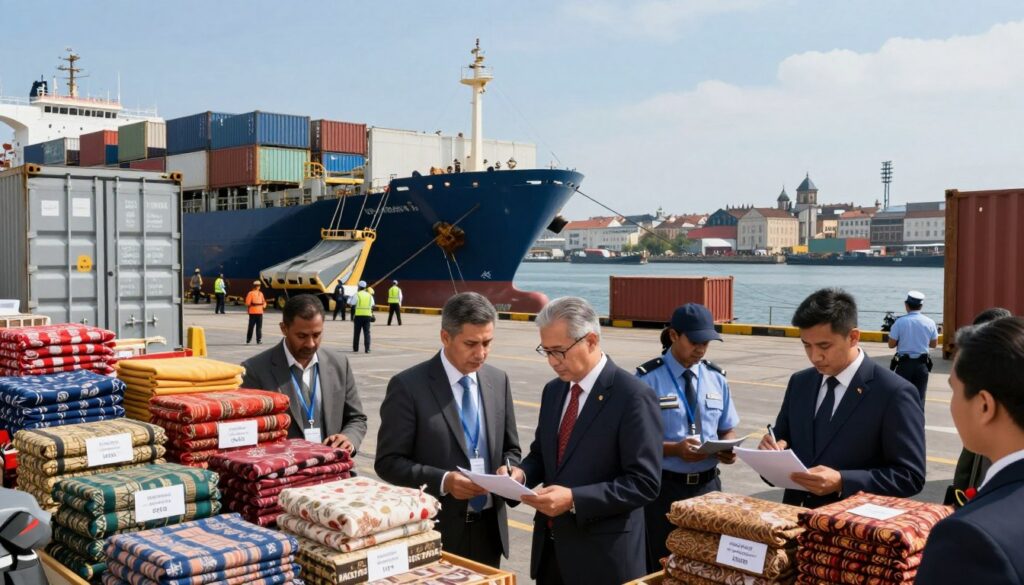
Beyond standard tariffs, certain products from Indonesia may be subject to specific excise duties. These taxes often apply to goods like tobacco, alcohol, or specific processed agricultural items. It is crucial to identify if your inventory falls into these categories early in the procurement process.
Understanding these extra costs allows for more accurate pricing models. When you know exactly what to expect, you can adjust your margins to maintain profitability. Always verify the classification of your goods to ensure you are not caught off guard by additional levies.
Strategies for Efficient Tax Payment Processes
Streamlining your payment methods is a smart way to reduce administrative strain. Many businesses find that utilizing deferred payment accounts significantly improves their cash flow. This allows you to manage your tax liabilities without tying up essential capital during the shipping phase.
Working with an experienced customs broker is another highly effective strategy. These professionals navigate the complexities of European import taxes on Indonesian goods on your behalf. They provide the expertise needed to ensure compliance while minimizing the risk of costly delays at the border.
By implementing these strategies, you create a more resilient business model. Efficient tax management is not just about compliance; it is about optimizing your entire international trade process for long-term success.
Documentation Requirements for Indonesian Exports to Europe
Preparing your paperwork correctly is the most vital step in managing European import taxes on Indonesian goods. When your documentation is precise, you minimize the risk of costly delays at the border. Accuracy is your best tool for ensuring a smooth entry into the European market.
Essential Shipping Documents for Customs Clearance
Every shipment requires a standard set of documents to satisfy customs authorities. The Bill of Lading serves as the primary contract between the shipper and the carrier. You must also include a valid insurance certificate to protect your cargo during transit.
These documents provide the necessary proof of ownership and liability. Without them, customs officials may hold your goods indefinitely. Always verify that every detail matches your shipment manifest before the vessel departs.
The Importance of the Certificate of Origin
The Certificate of Origin is perhaps the most critical document for your trade operations. It proves where your products were manufactured, which directly influences the tariff rates applied to your shipment. Proper certification can often qualify your goods for preferential duty rates.
If you fail to provide this document, you might face higher tax brackets than necessary. Always ensure that the document is signed and stamped by the appropriate local authorities in Indonesia. This simple step is essential for optimizing Indonesian exports to Europe taxation.
Handling Commercial Invoices and Packing Lists
Your commercial invoice must clearly state the value, quantity, and description of the goods. Customs officers use this document to calculate the exact amount of duties and taxes owed. Any discrepancy between the invoice and the actual cargo can lead to significant penalties.
The packing list provides a detailed breakdown of how the goods are packaged and labeled. It helps inspectors verify the contents of your shipment quickly and efficiently. By keeping these records organized, you maintain full compliance with international trade standards.
| Document Name | Primary Purpose | Key Requirement |
|---|---|---|
| Commercial Invoice | Value Declaration | Must match customs entry |
| Certificate of Origin | Tariff Eligibility | Official government stamp |
| Packing List | Inventory Verification | Detailed itemized list |
| Bill of Lading | Proof of Shipment | Signed by the carrier |
Strategic Planning for US Businesses Importing via Europe
Modern supply chains often require creative routing, and Europe serves as a vital bridge for Indonesian goods heading to the United States. By leveraging established trade routes, companies can gain better control over their inventory flow. Understanding the nuances of Indonesian exports to Europe taxation is essential for any business looking to streamline this process.
Logistical Considerations for Transatlantic Trade
Moving goods across the ocean requires careful coordination between multiple ports and transit points. When you route products through European hubs, you benefit from world-class infrastructure designed for high-volume trade. Efficiency is key when managing the complexities of international shipping lanes.
- Select ports with high connectivity to major US shipping lanes.
- Evaluate transit times to ensure your inventory remains consistent.
- Monitor the impact of Indonesian exports to Europe taxation on your overall landed costs.
Optimizing Supply Chains Through European Hubs
Using a European distribution center allows US businesses to consolidate shipments before they make the final journey across the Atlantic. This strategy often leads to lower freight costs and improved inventory management. You can effectively turn a complex route into a competitive advantage for your brand.
By centralizing your operations, you gain better visibility into your supply chain. This approach helps in maintaining a steady flow of goods, even when global shipping conditions fluctuate. It is a smart way to ensure your products reach the US market without unnecessary delays.
Mitigating Risks in Cross-Border Transactions
Risk management is the final piece of the puzzle for any successful import strategy. You must ensure that all documentation is accurate to avoid customs issues at both European and American borders. Staying informed about Indonesian exports to Europe taxation helps you avoid unexpected fees or legal hurdles.
Proactive planning is your best defense against potential disruptions. By maintaining clear records and working with experienced logistics partners, you can navigate these transactions with confidence. This level of preparation ensures that your business remains resilient in a changing global economy.
Compliance and Avoiding Common Pitfalls in EU Customs
Navigating the complexities of international trade requires a deep understanding of European import regulations to ensure your goods reach their destination without unnecessary friction. When shipping products from Indonesia to Europe, staying compliant with local customs laws is the best way to protect your bottom line and maintain a positive reputation with border authorities.
Common Reasons for Customs Delays
Customs holds often stem from simple administrative errors that can be easily avoided with careful preparation. The most frequent issues include incomplete documentation, such as missing commercial invoices or inaccurate packing lists. Furthermore, incorrect product classification using the wrong Harmonized System (HS) codes frequently triggers manual inspections, which significantly slows down the clearance process.
Best Practices for Maintaining Regulatory Compliance
To ensure your shipments move smoothly, you must prioritize accuracy in every filing. It is vital to stay updated on European import regulations, especially regarding the effective protection and enforcement of intellectual property (IP) rights. By verifying that your goods meet all safety and labeling standards before they leave Indonesia, you minimize the risk of seizure or rejection at the border.
Working with Customs Brokers and Freight Forwarders
Partnering with a licensed customs broker or an experienced freight forwarder is one of the smartest investments a business can make. These professionals possess the technical expertise required to navigate complex tariff structures and regulatory requirements. They act as a bridge between your company and customs officials, ensuring that all paperwork is filed correctly and on time.
| Common Pitfall | Potential Consequence | Recommended Solution |
|---|---|---|
| Incorrect HS Code | Tariff overpayment or fines | Verify codes with a broker |
| Missing IP Documentation | Shipment seizure | Ensure full IP compliance |
| Incomplete Invoices | Extended customs holds | Audit all shipping documents |
Leveraging Trade Agreements and Preferential Tariffs
Many businesses overlook the massive potential hidden within trade preference programs when importing goods from Indonesia. By utilizing these frameworks, companies can significantly reduce their operational costs and improve their bottom line. Understanding the legal landscape is the first step toward achieving competitive pricing in a crowded marketplace.
Exploring GSP and Other Trade Preferences
The Generalized System of Preferences (GSP) serves as a cornerstone for developing nations to access international markets with lower barriers. These programs are designed to foster economic growth by providing preferential access to European markets. When you align your sourcing strategy with these agreements, you effectively lower the customs tariffs EU Indonesia trade routes typically impose.
“Trade agreements are not just legal documents; they are the bridges that connect emerging economies to global prosperity.”
How to Qualify for Reduced Tariff Rates
Qualifying for these benefits requires strict adherence to specific regulatory standards. You must ensure that your goods meet the Rules of Origin criteria, which prove the product was sufficiently manufactured or processed in Indonesia. Maintaining precise documentation is essential to avoid unexpected penalties or the loss of preferential status.
To streamline your financial planning, you should utilize an import duties calculator for Indonesia-Europe trade. This tool helps you estimate potential savings by comparing standard rates against those available under specific trade agreements. Consider the following steps to ensure compliance:
- Verify the HS code for your specific product category.
- Obtain a valid Certificate of Origin from authorized Indonesian agencies.
- Regularly audit your supply chain to ensure ongoing eligibility.
Monitoring Updates to EU-Indonesia Trade Negotiations
The landscape of international trade is constantly evolving, making it vital to stay informed about new developments. Recent discussions suggest that the EU and Indonesia are working toward a comprehensive agreement that will eventually eliminate tariffs on over 98% of tariff lines. This shift will create unprecedented opportunities for businesses that are prepared to adapt quickly.
Staying ahead of these changes allows you to adjust your procurement strategies before your competitors do. By keeping a close watch on the customs tariffs EU Indonesia policy updates, you ensure that your business remains agile. Using a reliable import duties calculator for Indonesia-Europe trade will remain a critical part of your long-term success as these new policies take effect.
Future Trends in EU Trade and Tariffs on Indonesian Products
Looking ahead, the partnership between Indonesia-Europe trade relations is entering a transformative phase driven by innovation and green policy. As global markets become more interconnected, the mechanisms governing how goods cross borders are evolving rapidly. Businesses that stay informed about these shifts will find themselves at a distinct advantage in the coming years.
Digitalization of Customs Procedures
The future of international logistics relies heavily on the digitalization of customs processes. European authorities are moving toward fully automated systems designed to increase transparency and reduce human error. This transition aims to facilitate faster trade flows, ensuring that shipments move through ports with minimal delays.
By utilizing advanced data analytics, customs agencies can now process documentation in real-time. This shift is particularly beneficial for exporters who prioritize efficiency and reliability. Streamlined digital portals will soon become the standard for managing the movement of goods, making the entire process more predictable for everyone involved.
Shifting Trade Policies and Sustainability Mandates
Beyond technology, the regulatory landscape is changing to prioritize environmental responsibility. New EU trade and tariffs on Indonesian products are increasingly tied to sustainability mandates that require strict adherence to ecological standards. These policies reflect a growing global commitment to reducing the carbon footprint of international supply chains.
Exporters should prepare for a future where product origin and production methods are scrutinized more closely than ever before. Sustainability is no longer optional; it is becoming a core component of market access. Companies that proactively adopt greener practices will likely face fewer hurdles when navigating the evolving tariff structures in Europe.
Ultimately, the long-term success of Indonesia-Europe trade relations depends on how well businesses adapt to these dual pressures of technology and ecology. By embracing digital tools and sustainable manufacturing, firms can ensure their continued growth. Staying ahead of these trends is the best way to secure a stable position in the competitive European market.
Conclusion
Success in international commerce requires a sharp focus on the evolving landscape of EU trade and tariffs on Indonesian products. Businesses that prioritize accurate documentation and regulatory awareness gain a distinct competitive edge in the global marketplace.
Staying informed about shifting policies helps your company avoid costly delays and unexpected fees. You can build a resilient supply chain by monitoring updates from the European Commission and regional trade authorities. Proactive management of EU trade and tariffs on Indonesian products turns complex logistics into a reliable growth engine for your brand.
We invite you to review your current import processes to ensure they align with modern sustainability mandates and digital customs requirements. Engaging with industry experts or utilizing official trade portals keeps your operations running smoothly. Your commitment to compliance paves the way for long-term profitability in the Indonesia-Europe trade corridor.
What steps will your team take today to streamline your import operations? Share your experiences or reach out to our team for more insights on navigating these international markets. Your journey toward efficient and profitable trade starts with a clear understanding of the rules governing your goods.