

Introduction to Indonesia Customs Tariffs and HS Codes
Navigating the complex landscape of international trade requires a deep understanding of local regulations, particularly when dealing with a rapidly growing economy like Indonesia. The Indonesian customs system relies heavily on Harmonized System (HS) codes and a structured tariff regime to regulate the flow of goods into and out of the country. This comprehensive guide provides an in-depth look at Indonesia customs tariffs and HS codes, offering essential knowledge for businesses looking to engage in trade with this Southeast Asian powerhouse.
Understanding the Harmonized System (HS) Codes
The Harmonized System (HS) is an internationally standardized system of names and numbers used to classify traded products. In Indonesia, the customs authority uses the ASEAN Harmonized Tariff Nomenclature (AHTN), which extends the standard 6-digit international HS code to an 8-digit code for greater specificity.
The Role of HS Codes in Indonesian Trade
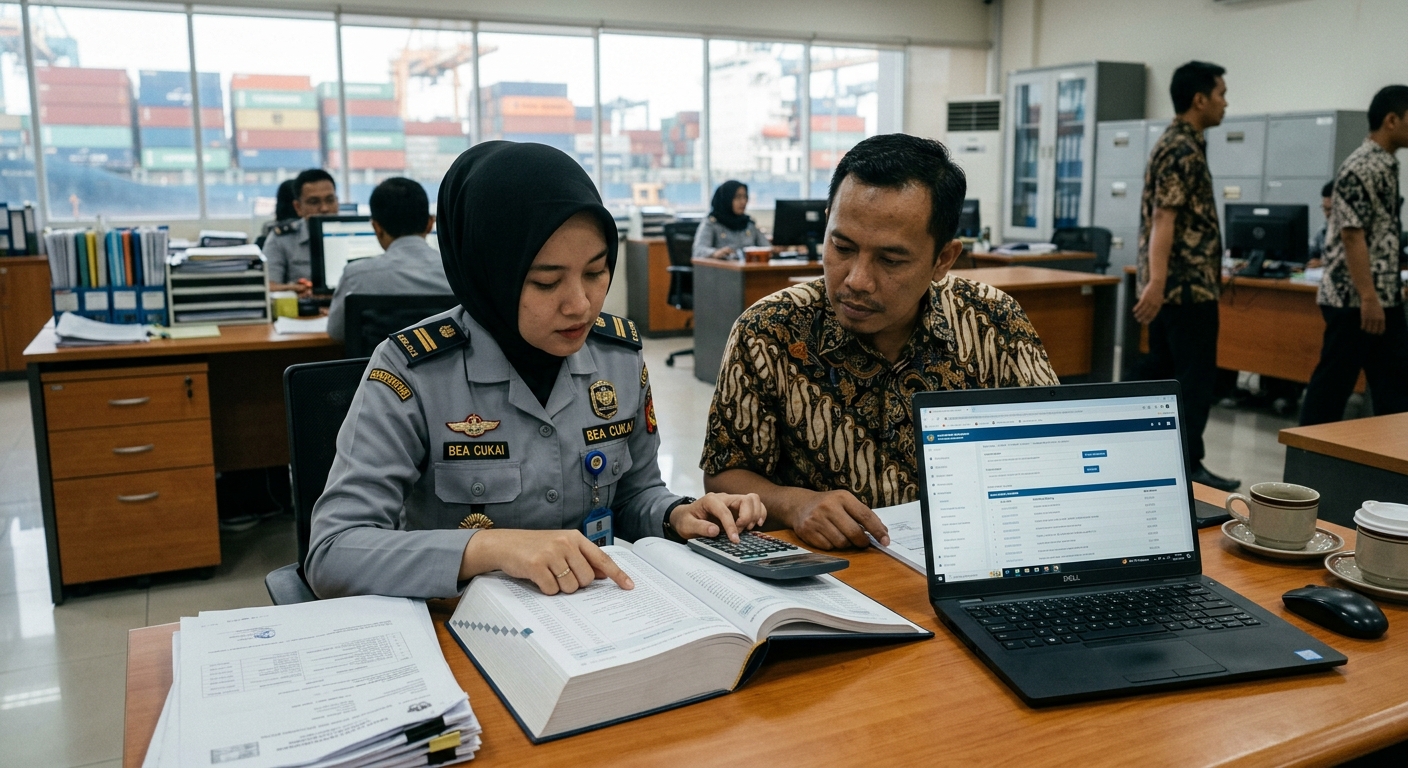
Accurate classification of goods using the correct HS code is paramount. The HS code dictates the customs duty rate, value-added tax (VAT), and income tax applicable to the imported items. Furthermore, it determines if any specific import licenses, quotas, or restrictions apply. Incorrect classification can lead to shipment delays, financial penalties, or even the seizure of goods by Indonesian Customs (Direktorat Jenderal Bea dan Cukai).
An Overview of Indonesia Customs Tariffs
Indonesia applies a variety of tariffs to imported goods, primarily designed to protect domestic industries while balancing the need for imported materials and consumer goods. The tariff rates can range from 0% for essential raw materials to over 150% for luxury items and certain agricultural products.
Types of Duties and Taxes
- Import Duty (Bea Masuk): Applied to the CIF (Cost, Insurance, and Freight) value of the imported goods. Rates vary significantly based on the HS code.
- Value-Added Tax (VAT / PPN): A standard rate, currently set at 11%, applied to the sum of the CIF value and the import duty.
- Income Tax (Pajak Penghasilan / PPh Article 22): An advance payment of corporate income tax applied to imports. Rates depend on whether the importer holds an Importer Identification Number (API) and the type of goods.
- Luxury Goods Sales Tax (PPnBM): Applied to specific luxury items, such as high-end vehicles or branded consumer goods, ranging from 10% to 200%.
Free Trade Agreements and Tariff Reductions
Indonesia is a signatory to numerous Free Trade Agreements (FTAs) both regionally (through ASEAN) and bilaterally. These agreements often provide preferential tariff rates, reducing or eliminating import duties for eligible goods originating from partner countries. Businesses should explore these agreements to optimize their supply chain costs. For those interested in European trade, reviewing the Comprehensive Guide to IEU CEPA Tariff Reductions for Importers is highly recommended.
Exporting from Indonesia
While much focus is placed on imports, Indonesia is also a major exporter of commodities and manufactured goods. Understanding the export side of customs is equally crucial. To learn more about the rules governing exports, businesses can consult the Indonesia Customs Export Regulations for B2B: A Comprehensive Guide. Whether dealing with palm oil, minerals, or specialized products, compliance is key. For example, if you are looking to source specific commodities, you might find A Complete Guide to Shisha Charcoal Briquettes Wholesale in Indonesia to be a useful resource.
Best Practices for Customs Compliance
Ensuring smooth customs clearance requires proactive management and strict adherence to regulations. Engaging with a reliable trade partner like Export Nusa can significantly streamline this process.
Essential Documentation
| Document Name | Purpose |
|---|---|
| Commercial Invoice | Details the transaction between buyer and seller, including price and terms. |
| Packing List | Itemizes the contents, weight, and dimensions of each package. |
| Bill of Lading / Airway Bill | Serves as a receipt of freight services and a contract of carriage. |
| Certificate of Origin | Required to claim preferential tariff rates under FTAs. |
Conclusion
Mastering Indonesia customs tariffs and HS codes is a vital component of successful international trade operations in Southeast Asia. By accurately classifying goods, understanding the applicable duties and taxes, and leveraging free trade agreements, businesses can minimize costs and avoid costly delays. Staying informed about regulatory updates and partnering with experienced local experts are the best strategies to ensure seamless cross-border transactions in Indonesia’s dynamic market.
Frequently Asked Questions (FAQ)
How do I find the correct HS code for my product in Indonesia?
You can search for the correct HS code using the Indonesian Customs Tariff Book (BTKI) available on the official Indonesian Customs website, or by consulting with a licensed customs broker.
What happens if I use the wrong HS code?
Using an incorrect HS code can result in the underpayment or overpayment of duties. If customs discovers the error, it can lead to shipment delays, reassessment of duties, and significant financial penalties.
Can I appeal a customs valuation or classification decision?
Yes, importers have the right to appeal customs decisions regarding valuation, classification, or tariff rates through a formal objection process within a specified timeframe.