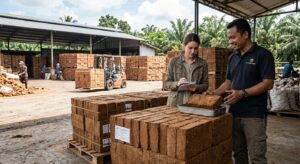



The economic partnership between the United States and Southeast Asia is entering a transformative phase. Recently, both nations solidified this bond by signing trade and investment agreements valued at over US$7 billion. This massive commitment signals a new era of cooperation for American businesses eager to expand their global footprint.
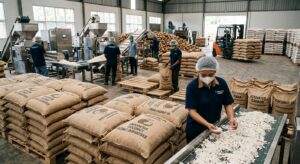
Understanding current Indonesian export market trends is now essential for companies looking to diversify their supply chains. By leveraging resources from platforms like ExportNusa, firms can access high-quality commodities such as premium cocopeat, briquettes, and agricultural goods. These resources provide a competitive advantage for US-based organizations seeking reliable international growth.
As these two nations deepen their commercial ties, the potential for innovation and mutual prosperity continues to rise. Staying informed about these shifts allows your business to capitalize on emerging opportunities before the competition catches up.
Key Takeaways
- Recent trade deals worth $7 billion highlight a strengthening economic alliance between the US and Indonesia.
- American firms can now access a more streamlined path to sourcing essential commodities.
- Key products like cocopeat and briquettes offer significant value for US-based industries.
- Strategic partnerships are vital for navigating the complexities of international trade effectively.
- Digital platforms are simplifying the procurement process for businesses looking to scale globally.
Current Landscape of Indonesian Export Market Trends
Understanding the current trade climate in Indonesia is essential for any US firm aiming for long-term success. The nation is currently navigating a complex global environment defined by trade tensions and shifting supply chain priorities. By staying informed on Indonesian export market trends, businesses can better prepare for the volatility inherent in today’s international economy.
Shifting Global Trade Dynamics
Global trade is undergoing a massive recalibration as companies seek to diversify their manufacturing hubs. Indonesia has become a focal point for this transition, offering a strategic alternative to traditional production centers. Our latest Indonesian trade insights suggest that firms prioritizing supply chain resilience are finding significant value in the region.
Adaptability is now the most critical trait for international players. As global dynamics shift, companies must move beyond legacy strategies to remain competitive. Monitoring market trends in Indonesia allows organizations to pivot quickly when geopolitical factors influence trade flows.
The Role of Indonesia in Southeast Asian Markets
Indonesia serves as a cornerstone of the ASEAN bloc, wielding considerable influence over regional economic policy. Its strategic location and vast natural resources make it a vital partner for nations looking to strengthen their presence in Southeast Asia. Strategic positioning within this market is no longer optional for firms with global ambitions.
The country’s commitment to economic integration provides a stable foundation for foreign investment. By leveraging current market trends in Indonesia, US firms can align their operations with the broader growth trajectory of the region. This proactive approach ensures that businesses remain ahead of the curve while navigating the complexities of the Indonesian export market trends.
Key Export Statistics and Economic Indicators
For US firms, the numbers behind Indonesia’s trade performance tell a story of immense potential. By examining the latest export statistics Indonesia has reported, businesses can better align their strategies with local market realities. Accessing reliable information is the first step toward building a sustainable presence in this dynamic region.
Analyzing Recent Trade Data Trends
A closer look at Indonesia trade data trends reveals a robust appetite for international goods. Notably, Indonesia has imported approximately $3 billion worth of US agricultural products annually in recent years. This consistent demand highlights a strong foundation for ongoing commercial partnerships.
When you perform a thorough Indonesia export growth analysis, you uncover specific sectors that are ripe for investment. These trends suggest that US exporters who prioritize high-quality goods will find a receptive audience. Staying updated on these shifts is vital for maintaining a competitive edge.
GDP Growth and Purchasing Power Parity
Economic health is often measured by GDP growth, which has remained resilient in Indonesia. This steady expansion directly influences the purchasing power parity of the local population. As the middle class grows, so does the demand for premium products and services.
Understanding these indicators allows companies to assess the long-term viability of their target consumer base. A data-driven Indonesia export growth analysis confirms that rising income levels are creating new opportunities for foreign firms. By monitoring Indonesia trade data trends, your business can make informed decisions that maximize return on investment.
Ultimately, the combination of strong export statistics Indonesia and favorable economic indicators makes this market a top priority. Companies that leverage these insights will be well-positioned to thrive in the coming years.
Top Commodities Driving Indonesian Trade
Indonesia’s trade profile is a fascinating mix of raw natural wealth and a rapidly growing manufacturing sector. By examining the top exports from Indonesia, American firms can identify which industries are currently experiencing the highest demand for foreign inputs and technology.
This strategic insight helps companies align their product offerings with the specific needs of the local industrial sector. Whether you are looking for raw materials or partnership opportunities, understanding these trends is vital for long-term success.
Natural Resources and Raw Material Exports
Historically, the nation has relied heavily on its vast natural resources to fuel its economy. These commodities remain the backbone of the country’s trade balance, providing the necessary capital for ongoing development.
Key commodities that consistently appear in export statistics Indonesia reports include:
- Coal and thermal energy products
- Palm oil and agricultural derivatives
- Nickel and other essential mineral ores
- Rubber and timber products
While these raw materials dominate the volume of trade, the government is actively pushing for more domestic processing. This shift creates a unique opening for US firms to provide the machinery and expertise needed to refine these goods locally.
Value-Added Manufacturing and Finished Goods
The transition toward value-added manufacturing is changing the landscape of the Indonesian economy. As the country moves up the global value chain, it requires more sophisticated inputs, such as advanced technology and specialized industrial components.
For instance, the demand for high-quality food inputs remains strong, as evidenced by the fact that Indonesia imported 307,825 metric tons of bovine products in 2023. This reflects a growing middle class with a taste for premium, imported goods.
US companies can leverage this growth by providing the technology required to modernize local factories. You can learn more about optimizing these industrial processes by visiting https://oxicarbon.com to see how modern solutions support international trade efficiency.
By focusing on these high-growth sectors, American businesses can secure a competitive advantage. Aligning your strategy with the current export statistics Indonesia data ensures that your investments are directed toward the most promising areas of the market.
Strategic Opportunities for US Firms in Indonesia
Strategic partnerships in Indonesia are becoming a cornerstone for US firms aiming to secure long-term growth. By aligning with the country’s industrial roadmap, American companies can tap into a market that is hungry for innovation and high-quality technology. Understanding the top exports from Indonesia is the first step toward identifying where your business can provide the most value.
High-Demand Sectors for American Investment
Indonesia is currently prioritizing the development of its downstream industries to move beyond raw material extraction. A prime example of this shift is the recent memorandum of understanding signed by the US mining group Freeport McMoRan. This agreement focuses on critical minerals cooperation, highlighting a clear path for American firms to support local processing capabilities.
Beyond mining, there is significant demand for American expertise in digital infrastructure, renewable energy, and advanced manufacturing. By providing the technology that enhances the value of the top exports from Indonesia, US firms can position themselves as essential partners in the nation’s economic journey. You can explore more insights on market entry at exportnusa.com to refine your strategy.
Leveraging US-Indonesia Bilateral Trade Agreements
Navigating the regulatory landscape is much easier when you utilize existing bilateral trade frameworks. These agreements are designed to minimize tariff barriers and streamline the movement of goods and services between our two nations. By staying informed on these policies, your firm can significantly reduce operational costs and improve market access.
Strategic planning involves aligning your supply chain with the specific incentives offered under these trade pacts. When you integrate your operations with local requirements, you gain a competitive edge over firms that fail to adapt. The following table outlines key sectors where American investment is currently most effective.
| Sector | Investment Focus | Strategic Benefit |
|---|---|---|
| Critical Minerals | Processing Technology | Supply Chain Security |
| Digital Services | Cloud & Cybersecurity | Market Modernization |
| Renewable Energy | Infrastructure Support | Long-term Sustainability |
| Manufacturing | Value-Added Machinery | Increased Export Value |
Navigating Regulatory Frameworks and Trade Policies
Mastering the intricacies of Indonesian trade regulations is essential for any American business looking to expand. A proactive approach to trade compliance helps companies avoid costly delays and ensures that operations remain smooth. By staying informed, your firm can build a resilient supply chain that withstands sudden policy shifts.

Understanding Import and Export Licensing
The Indonesian government maintains a structured system for managing incoming and outgoing goods. Exporters must pay close attention to specific documentation requirements to ensure clearance at the border. Accuracy is paramount when filing your paperwork to prevent shipments from being held in customs.
A critical update for agricultural exporters involves new quarantine protocols. Current regulations now mandate a 21-day rule for the issuance of Phytosanitary Certificates for all agricultural commodities. Failing to meet this timeline can result in significant logistical bottlenecks and financial losses.
Compliance with Local Content Requirements
Beyond licensing, foreign firms must navigate the nuances of local content requirements, often referred to as TKDN. These policies encourage the use of domestic materials and labor to boost the national economy. Strategic planning is necessary to align your operational model with these mandates while maintaining product quality.
Many successful US firms find that partnering with local entities simplifies the compliance process. By integrating local components into your supply chain, you not only meet legal standards but also foster stronger relationships with regional stakeholders. This approach creates a sustainable path for long-term growth in the Indonesian market.
| Regulatory Area | Primary Focus | Action Required |
|---|---|---|
| Import Licensing | Documentation Accuracy | Verify permits early |
| Phytosanitary Rules | Agricultural Safety | Adhere to 21-day window |
| Local Content | Domestic Sourcing | Audit supply chain inputs |
| Customs Clearance | Tariff Compliance | Utilize local partners |
Digital Transformation and E-commerce Growth
As the Indonesian economy embraces digital tools, US firms find themselves at a unique crossroads of opportunity. The rapid shift toward online platforms is not merely a trend; it is a fundamental change in how business operates across the archipelago. By monitoring these market trends in Indonesia, American companies can better position themselves to provide the digital infrastructure that supports this massive transition.
The Rise of Digital Marketplaces in Indonesia
The growth of e-commerce has been nothing short of revolutionary for local businesses. Digital marketplaces have bridged the gap between remote producers and urban consumers, creating dynamic supply chains that were previously impossible to manage. These platforms are now essential for any firm looking to tap into emerging export markets in Indonesia.
“Digital transformation is the bridge that connects local potential to global demand, turning traditional industries into modern powerhouses.”
Opportunities for US Tech and Service Providers
US tech firms have a significant role to play in scaling these digital ecosystems. From cloud computing to advanced logistics software, the demand for high-quality service providers is growing daily. For those interested in expanding their reach, learning more about the local landscape is a vital first step.
The integration of technology is also visible in the energy sector. For instance, PT PLN’s Electrifying Agriculture program successfully transitioned over 300,000 customers to electric-powered technologies by the end of 2024. This success story proves that tech-enabled solutions are highly effective in driving efficiency across diverse industries.
By focusing on these emerging export markets in Indonesia, American businesses can provide the specialized tools needed for the next phase of growth. Staying ahead of market trends in Indonesia will ensure that US service providers remain competitive in this fast-paced, digital-first environment.
Infrastructure Development and Logistics Challenges
For international exporters, the physical movement of goods across Indonesia presents both significant challenges and rewarding opportunities. The unique geography of the archipelago requires a sophisticated approach to transportation and storage. By carefully reviewing Indonesia trade data trends, companies can better prepare for the realities of this diverse market.
Maritime Connectivity and Port Modernization
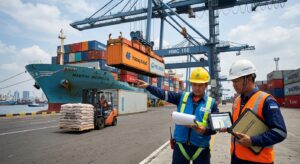
The government is currently prioritizing maritime connectivity to lower the overall cost of doing business. Significant investments in port infrastructure are helping to reduce dwell times and improve cargo handling efficiency. These strategic upgrades are essential for firms looking to maintain a competitive edge in the region.
Modernizing these gateways allows for smoother transitions between international shipping lanes and local distribution hubs. As Indonesia trade data trends suggest, improved port capacity directly correlates with increased export volume. Businesses that align their logistics strategies with these infrastructure improvements often see a marked increase in operational success.
Supply Chain Optimization for International Exporters
Optimizing a supply chain in such a vast region requires a deep understanding of local distribution networks. For instance, PT Pupuk Indonesia manages a massive logistics network supported by over 1,067 official distributors and 27,000 partner kiosks. This model demonstrates how effective local partnerships can bridge the gap between central warehouses and remote end-users.
Exporters should focus on building resilient networks that can withstand the complexities of island-to-island transport. Utilizing advanced logistics solutions can help firms navigate these hurdles with greater precision. By staying informed on the latest Indonesia trade data trends, your company can refine its distribution strategy to ensure goods reach their destination on time and within budget.
Sustainability and Green Energy Export Potential
American companies have a unique opportunity to participate in Indonesia’s journey toward a more sustainable and eco-friendly future. As the nation pivots toward greener policies, it is actively seeking international expertise to modernize its industrial and agricultural sectors. This shift is creating significant interest among emerging export markets in Indonesia that prioritize long-term environmental health.
Indonesia’s Commitment to Renewable Energy
The Indonesian government is placing a heavy emphasis on balancing economic growth with environmental stewardship. A clear example of this is the recent commitment to agricultural efficiency, where the government allocated 9.5 million tons of subsidized fertilizers for 2025. This massive initiative, backed by a budget of approximately USD 2.9 billion, aims to optimize crop yields while minimizing waste.
Beyond agriculture, the country is aggressively pursuing renewable energy targets to reduce its carbon footprint. Strategic investments in solar, wind, and geothermal power are becoming central to the national agenda. By aligning with these goals, US firms can find a welcoming environment for their sustainable technologies.
Eco-friendly Export Opportunities for US Businesses
For American businesses, the demand for innovative green solutions has never been higher. There is a growing need for precision agriculture tools that integrate with the government’s fertilizer programs to ensure sustainable soil management. These technologies help farmers increase productivity while protecting the local ecosystem.
Furthermore, clean energy infrastructure remains one of the most promising sectors for foreign entry. US companies specializing in energy-efficient hardware and smart grid systems are well-positioned to capture market share. By focusing on these emerging export markets in Indonesia, American exporters can secure a competitive advantage while contributing to the country’s vital environmental goals.
Cultural Nuances and Business Etiquette for US Exporters
Success for US exporters in Indonesia often hinges on the strength of personal connections rather than just contractual agreements. As Indonesia currently ranks as the 11th largest market for all US farm goods, the potential for growth is immense. However, building deep, long-term relationships based on mutual trust remains the cornerstone of any successful commercial venture in this region.
Building Long-term Relationships in Indonesian Markets
In the Indonesian business environment, the process of getting to know a partner is just as important as the deal itself. American firms should prioritize patience and consistent face-to-face interaction. Networking is not merely a professional task; it is a vital cultural practice that establishes your credibility and reliability.
When you invest time in local networking, you demonstrate a genuine commitment to the market. This approach helps you navigate the complexities of the local landscape more effectively. For those looking to streamline their operations while maintaining these high standards, resources like sustainable business solutions can provide the necessary support to align with local expectations.
“Trust is the currency of the Indonesian market; without it, even the most lucrative contracts may fail to materialize.”
Communication Styles and Negotiation Tactics
Communication in Indonesia is often indirect, emphasizing harmony and the concept of “saving face.” It is essential for US exporters to listen carefully to what is being said—and what is left unsaid. Direct confrontation or aggressive negotiation tactics are generally discouraged, as they can damage the rapport you have worked hard to build.
To succeed in negotiations, consider these key strategies:
- Practice patience: Decisions are often made through consensus, which can take more time than in the United States.
- Value harmony: Avoid public disagreement or blunt criticism during meetings.
- Focus on the long view: Frame your proposals as mutually beneficial partnerships rather than short-term transactions.
By adopting these cultural best practices, you can foster stronger partnerships and improve your chances of long-term commercial success. Respecting local etiquette is not just a polite gesture; it is a strategic advantage that sets your firm apart in a competitive global market.
Risk Management and Market Entry Strategies
With total imports reaching $16,305 million in 2024, US firms must prioritize smart entry strategies to capture emerging opportunities. A thorough Indonesia export growth analysis is essential for any company looking to minimize exposure while maximizing potential returns in this vibrant economy. By understanding the landscape, businesses can move forward with confidence and clarity.
Mitigating Currency Fluctuations and Economic Volatility
Operating in a foreign market often brings the challenge of currency instability. Smart financial planning is your best defense against sudden shifts in exchange rates that could impact your bottom line. Companies should consider using hedging instruments to lock in rates and protect their profit margins from unexpected volatility.
Beyond currency, staying informed about local economic indicators is vital for long-term success. You can find valuable resources and guidance on navigating these complexities at exportnusa.com. Maintaining a flexible budget allows your firm to pivot quickly when market conditions change unexpectedly.
Selecting the Right Local Partners and Distributors
Finding the right local partner is perhaps the most critical step in your market entry journey. A reliable partner provides more than just distribution; they offer invaluable local knowledge and regulatory expertise that can save you time and money. Always conduct thorough due diligence before signing any long-term agreements.
When evaluating potential distributors, look for those with a proven track record and strong existing networks. A high-quality export market forecast Indonesia report can help you identify which partners are best positioned to help you reach your target audience. Building a relationship based on trust and clear communication will ensure your products reach the right shelves efficiently.
Conclusion
The Indonesian market offers substantial potential for US firms willing to navigate regulatory complexities and invest in local partnerships. By synthesizing the Indonesian trade insights discussed throughout this article, businesses can better position themselves for sustainable growth.
Our export market forecast Indonesia suggests that as the country continues to modernize its infrastructure and digitalize its economy, the demand for American goods and services will only increase. Companies like Oxicarbon demonstrate how local production capacity and strict quality control standards can successfully bridge the gap between Indonesian resources and global demand.
We encourage firms to leverage the strategies outlined here to capitalize on the unique opportunities presented by this vibrant Southeast Asian economy. Building a presence in this region requires patience, but the long-term rewards for proactive American exporters remain significant.