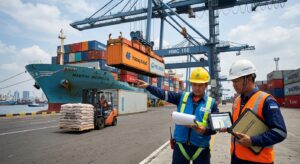



Indonesia reached a massive milestone in 2023 by surpassing $200 billion in annual trade value. This achievement highlights a robust capacity for international growth and signals that local businesses are ready for global expansion. Strategic partnerships are now more important than ever for long-term success.
The region offers unique potential for companies looking to diversify their footprint. By focusing on this area, firms can unlock fresh revenue streams and build lasting relationships. Our latest middle east export market analysis provides the clarity needed to navigate these vibrant commercial landscapes effectively.
Entering the United Arab Emirates requires a clear understanding of local consumer habits and regulatory frameworks. We are here to help you simplify these complexities. Through boosting indonesian exports to the middle east, your brand can secure a competitive edge in one of the world’s most dynamic hubs.
Key Takeaways
- Indonesia achieved a record-breaking $200 billion in annual trade during 2023.
- Diversifying into new regions helps businesses build a stronger global presence.
- The UAE serves as a primary gateway for companies entering regional trade networks.
- Understanding local market nuances is essential for long-term commercial success.
- Strategic planning allows exporters to overcome common regulatory hurdles efficiently.
The Current Landscape of Indonesia-UAE Trade Relations
Exploring the trade dynamics between Indonesia and the UAE reveals a story of rapid growth and mutual prosperity. Both nations have worked diligently to foster trade partnership opportunities that benefit their respective economies. In 2023, this commitment was clearly reflected in the numbers, as Indonesia achieved a significant trade surplus of $30 billion.
Historical Context of Bilateral Trade
The relationship between these two nations has evolved from simple merchant exchanges into a sophisticated, modern alliance. Historically, trade was limited to basic goods, but it has matured into a strategic connection built on mutual trust and shared economic goals. This transformation marks a new chapter in international cooperation.
Today, the synergy between Jakarta and Abu Dhabi is stronger than ever. Both governments actively support initiatives that encourage long-term investment and sustainable growth. This foundation allows businesses to navigate the market with greater confidence and clarity.
Key Commodities Currently Driving Export Volume
Several core products currently dominate the flow of goods, serving as the backbone of this commercial exchange. These items are essential for the ongoing success of indonesian export sector development and remain in high demand across the Emirates.
- Mineral Fuels: A primary driver of export value due to high energy needs.
- Palm Oil: A staple commodity that remains a cornerstone of Indonesian agricultural exports.
- Precious Metals and Jewelry: High-value goods that cater to the luxury market in the UAE.
- Textiles and Apparel: Growing sectors that are gaining traction among local consumers.
The following table highlights the core areas where these nations continue to see the most significant activity:
| Commodity Category | Market Importance | Growth Potential |
|---|---|---|
| Energy Resources | High | Stable |
| Agricultural Products | High | Increasing |
| Consumer Goods | Moderate | High |
By focusing on these sectors, stakeholders can better identify unique trade partnership opportunities. As the market continues to expand, staying informed about these trends will be vital for any business looking to grow within this dynamic region.
Strategic Importance of the UAE as a Gateway
Positioning your brand within the UAE offers a unique advantage for accessing the wider Middle Eastern market. The nation serves as a vital logistics hub, connecting manufacturers to millions of consumers across the Gulf Cooperation Council (GCC) countries. By adopting smart market expansion strategies, Indonesian businesses can effectively scale their operations beyond local borders.
Re-export Potential to the Broader GCC Region
The UAE acts as a primary distribution center for goods destined for Saudi Arabia, Kuwait, Oman, Qatar, and Bahrain. This geographic positioning allows exporters to consolidate shipments and reduce overall transit times. A thorough middle east export market analysis reveals that utilizing the UAE as a re-export base significantly lowers the complexity of regional supply chains.
Businesses can leverage the established infrastructure of the UAE to reach these neighboring markets with greater speed. This approach ensures that products remain competitive in terms of both price and availability. Efficiency in logistics is the cornerstone of successful regional trade.
Utilizing Free Trade Zones in Dubai and Abu Dhabi
Free Trade Zones (FTZs) in Dubai and Abu Dhabi provide an ideal environment for international companies to set up operations. These zones offer 100% foreign ownership and significant tax exemptions, which are essential for long-term growth. By basing operations here, firms can streamline their distribution networks and manage inventory with ease.
The following table highlights the key advantages of operating within these specialized zones compared to traditional mainland setups:
| Feature | Free Trade Zone | Mainland Setup |
|---|---|---|
| Foreign Ownership | 100% Allowed | Often Requires Local Partner |
| Customs Duties | Exempt on Re-exports | Applicable on Imports |
| Operational Focus | Export and Logistics | Local Market Sales |
| Repatriation of Capital | Full Repatriation | Subject to Regulations |
Implementing these market expansion strategies allows Indonesian exporters to maintain a lean and agile business model. By focusing on the logistical benefits of these zones, companies can perform a more accurate middle east export market analysis to guide their future investments. The UAE remains an indispensable partner for any business looking to establish a permanent footprint in the region.
Boosting Indonesian Exports to the Middle East Through Diversification
Diversification serves as the cornerstone for long-term growth in the indonesian export sector development. By moving beyond a reliance on raw materials, local businesses can capture higher value in international markets. This strategic shift is essential for boosting indonesian exports to the middle east and ensuring sustainable economic success.
Expanding Beyond Traditional Commodities
The Ministry of Industry is actively promoting the diversification of industrial products to reduce dependency on traditional East Asian markets. A primary example of this initiative is the expansion of steel exports to the UAE and the broader region. This move helps stabilize trade revenue and opens doors for more sophisticated industrial partnerships.
By prioritizing high-value industrial goods, Indonesia is positioning itself as a reliable supplier for the Middle East’s massive infrastructure projects. This transition is not just about volume; it is about increasing the complexity and quality of exported goods. Such efforts are vital for the ongoing evolution of the indonesian export sector development.
Identifying High-Demand Consumer Goods in the UAE
The UAE market presents a sophisticated consumer base that values quality, design, and cultural craftsmanship. Indonesian exporters have a significant opportunity to tap into this demand by focusing on lifestyle-oriented products. Success in this region requires a deep understanding of local preferences and a commitment to premium branding.
Opportunities in the Fashion and Textile Sector
Indonesian textiles are gaining recognition for their unique blend of traditional artistry and modern design. The UAE’s fashion-forward population is increasingly interested in sustainable and ethically produced garments. Key advantages for exporters include:
- High-quality batik and intricate embroidery that appeal to luxury markets.
- Growing demand for modest fashion that aligns with regional cultural values.
- Competitive pricing compared to European luxury labels.
Growth Potential for Indonesian Furniture and Home Decor
The real estate boom in cities like Dubai and Abu Dhabi has created a massive appetite for high-end home furnishings. Indonesian furniture, known for its exceptional craftsmanship and sustainable wood sourcing, is perfectly suited for this market. By focusing on bespoke designs, local manufacturers can secure a strong foothold in the regional interior design industry.
Ultimately, boosting indonesian exports to the middle east depends on our ability to adapt to these specific consumer trends. By combining traditional expertise with modern market requirements, Indonesia can become a preferred partner for UAE retailers and developers alike.
Navigating Regulatory Frameworks and Halal Certification
Compliance is the backbone of any effective cross-border trade promotion strategy in the UAE. When Indonesian businesses aim to enter this competitive market, they must prioritize local legal standards to ensure smooth operations. Ignoring these rules often leads to shipment delays or even total rejection at the border.
By proactively aligning with regional requirements, companies can build a reputation for reliability. This approach is essential for long-term success in the Middle East. Preparation is truly the key to unlocking new opportunities.
Understanding Emirates Authority for Standardization and Metrology Requirements
The Emirates Authority for Standardization and Metrology (ESMA) serves as the primary body for setting quality and safety benchmarks. Every product entering the UAE must adhere to these strict guidelines to protect consumers. Exporters should verify that their goods meet specific technical regulations before shipping.
Proper documentation is a vital part of this process. Ensuring that your labels and safety certificates are accurate will facilitate a much faster customs clearance. This attention to detail is a core component of successful cross-border trade promotion.
The Critical Role of Halal Certification for Food and Beverage Exports
For food and beverage exporters, obtaining official Halal certification is non-negotiable. This certification acts as a guarantee that products align with Islamic dietary laws, which is a fundamental expectation for UAE consumers. Consumer trust is built entirely on this transparency.
Without proper certification, your products will likely face significant barriers to entry. Investing in the right accreditation early on will save your business time and money. It is a necessary step for any brand serious about cross-border trade promotion in the region.
| Regulatory Step | Primary Focus | Key Benefit |
|---|---|---|
| ESMA Registration | Safety & Quality | Legal Market Access |
| Halal Certification | Dietary Compliance | Consumer Trust |
| Labeling Review | Language & Accuracy | Reduced Border Delays |
Leveraging the Indonesia-UAE Comprehensive Economic Partnership Agreement
Businesses looking to expand into the UAE can now leverage the powerful Indonesia-UAE Comprehensive Economic Partnership Agreement (CEPA) to gain a significant competitive edge. This landmark deal serves as a cornerstone of current export growth initiatives, designed to foster deeper economic ties between the two nations. By aligning regulatory standards and reducing trade barriers, the agreement creates a more predictable environment for international commerce.
Tariff Reductions and Market Access Benefits
One of the most immediate advantages of the CEPA is the implementation of preferential tariffs for a wide range of Indonesian goods. These lower costs allow your products to compete more effectively against global rivals already established in the UAE market. When your landed costs decrease, your profit margins naturally improve, providing more room for reinvestment and expansion.
“Trade agreements are the bridges that connect local innovation to global demand, turning potential into prosperity.”
Beyond simple cost savings, the agreement opens doors to sectors that were previously difficult to penetrate. By securing better market access, Indonesian exporters can now reach a broader base of consumers across the Emirates. These export growth initiatives ensure that your business remains agile in a fast-paced economy.
Streamlining Customs Procedures for Indonesian Exporters
Navigating international borders often involves complex paperwork that can slow down your supply chain. The CEPA addresses this by simplifying and streamlining customs procedures, which significantly reduces the administrative burden on your team. Faster clearance times mean your goods reach the shelves in the UAE much quicker than before.
Key improvements under this framework include:
- Digital documentation processes to minimize physical paperwork.
- Enhanced transparency in customs valuation and classification.
- Dedicated support channels to resolve transit delays efficiently.
By utilizing these streamlined processes, your company can focus on scaling operations rather than managing bureaucratic hurdles. Embracing these export growth initiatives is a smart move for any business aiming for long-term success in the Middle East. Staying informed about these regulatory updates will keep your logistics operations running smoothly and profitably.
Cultural Nuances in Middle Eastern Business Negotiations
Effective market penetration tactics in the United Arab Emirates are deeply rooted in the strength of your personal relationships. Unlike markets that prioritize speed and transactional efficiency, the Emirati business environment thrives on mutual respect and long-term commitment. Taking the time to understand these cultural layers is the most reliable way to ensure your export business flourishes in this region.
Building Trust and Long-term Relationships
In the UAE, business is rarely just about the contract; it is about the people behind the deal. You should view your initial meetings as an opportunity to establish genuine rapport rather than a venue for closing a sale immediately. Patience is a virtue that will serve you well, as local partners often prefer to get to know their counterparts over several meetings or informal coffee sessions.
Consistency is key to maintaining these bonds. Once you have established a connection, regular follow-ups and face-to-face interactions demonstrate your commitment to the partnership. By showing that you are invested in the relationship, you build the trust necessary to navigate complex negotiations successfully.
Communication Styles and Business Etiquette in the UAE
Communication in the Middle East is often indirect and high-context. It is important to pay attention to non-verbal cues and the tone of your counterparts during discussions. Respecting the local hierarchy is also essential, as decisions are typically made by senior leadership who value formal and polite discourse.
When presenting your products, focus on how your offerings align with the values of your partners. Using effective market penetration tactics involves adapting your pitch to be respectful of local customs, such as avoiding high-pressure sales techniques. By demonstrating cultural sensitivity and maintaining a professional, friendly demeanor, you position your Indonesian business as a reliable and thoughtful partner in the competitive UAE market.
Digital Transformation and E-commerce Market Penetration
Digital penetration tactics are the secret weapon for Indonesian exporters aiming to scale their operations in the Gulf. The United Arab Emirates boasts one of the most connected populations in the world, making it a prime location for digital-first business models. By embracing these modern tools, your brand can bridge the gap between Jakarta and Dubai with ease.
Adopting effective market expansion strategies requires a deep understanding of how local consumers shop. Most residents in the UAE prefer the convenience of mobile-friendly platforms that offer fast delivery and secure payment options. Transitioning to a digital-heavy approach allows you to reach these customers directly while minimizing overhead costs.
Partnering with Local E-commerce Platforms
Collaborating with established online marketplaces is a vital step for any brand entering the region. Platforms like Amazon.ae and Noon dominate the retail landscape, providing instant access to millions of active shoppers. These platforms handle the logistics and payment processing, which simplifies your entry process significantly.
When you list your products on these sites, you gain immediate credibility with local buyers. It is important to optimize your product listings with high-quality images and clear, accurate descriptions. This strategic partnership ensures that your goods are visible to the right audience at the right time.
| Platform | Primary Strength | Target Audience |
|---|---|---|
| Amazon.ae | Logistics Excellence | Tech-savvy Professionals |
| Noon | Regional Brand Loyalty | Local GCC Families |
| Carrefour UAE | Grocery & Essentials | Daily Household Shoppers |
Digital Marketing Strategies for the Middle Eastern Consumer
Success in the UAE market depends on your ability to connect through localized content. Generic marketing campaigns often fail to resonate with the diverse cultural background of the region. You should tailor your messaging to reflect local values and preferences to build lasting trust.
Social media engagement is another pillar of successful market expansion strategies. Platforms like Instagram and TikTok are incredibly popular for product discovery among younger demographics in the UAE. Consider these tactics to boost your reach:
- Partner with local influencers to build authentic brand awareness.
- Run targeted ad campaigns during major shopping festivals like Ramadan.
- Use bilingual content to ensure your message reaches both Arabic and English speakers.
By focusing on these digital market penetration tactics, you can create a sustainable growth path. Consistent engagement and a user-friendly digital presence will help your brand thrive in this competitive environment.
Logistics and Supply Chain Optimization for Perishable Goods
When exporting perishable items, the journey from Indonesia to the Middle East is just as important as the product itself. Maintaining the integrity of your goods requires a robust strategy that supports your broader export growth initiatives. By focusing on precision and reliability, you can ensure that your products arrive in the UAE in perfect condition.
Cold Chain Management Solutions
Effective cold chain management is the backbone of successful trade for food and beverage exporters. Utilizing advanced temperature-controlled containers ensures that sensitive items remain fresh throughout the entire transit process. Real-time monitoring technology allows you to track environmental conditions, providing peace of mind for both the exporter and the buyer.
Investing in high-quality insulation and reliable cooling systems prevents spoilage and maintains product quality. These export growth initiatives are essential for building a reputation for excellence in the competitive UAE market. When your customers know they can rely on your product quality, your brand loyalty will naturally increase.
Reducing Transit Times and Shipping Costs
Optimizing your shipping routes is a critical step in maintaining a competitive edge. By partnering with experienced logistics providers, you can identify the most efficient air and sea freight options available. Streamlining customs documentation also plays a major role in preventing unnecessary delays at the border.
Reducing transit times not only preserves the freshness of your goods but also lowers overall operational expenses. These export growth initiatives allow you to offer more competitive pricing to your Middle Eastern partners. Ultimately, a well-oiled supply chain is the most effective tool for scaling your business across the region.
Building Sustainable Trade Partnerships
Building a sustainable presence in the Middle East requires more than just a great product; it demands a commitment to local relationships. Long-term success in the United Arab Emirates relies on your ability to cultivate deep, lasting professional connections that withstand market fluctuations. By focusing on trade partnership opportunities, your business can establish a firm foundation for growth.
Collaborating with Local Distributors and Agents
Navigating the complexities of the UAE market is significantly easier when you work with local experts. Local distributors possess the cultural intelligence and regulatory knowledge necessary to bypass common entry hurdles. These partners act as your eyes and ears on the ground, ensuring your products reach the right shelves at the right time.
Effective export promotion strategies often involve vetting agents who have a proven track record in your specific industry. When you align with a reputable local partner, you gain immediate credibility with regional buyers. This collaborative approach is similar to the efforts seen in Saudi Arabia and Indonesia strengthen trade, where mutual cooperation drives economic expansion.
“True business success in the Gulf is not built on transactions, but on the strength of the handshakes that precede them.”
Participating in Regional Trade Fairs and Exhibitions
Face-to-face interaction remains the gold standard for building trust in the Middle East. Participating in major regional trade fairs allows you to showcase your goods directly to decision-makers and potential distributors. These events are essential for maintaining a consistent presence and growing your market share over time.
By attending these exhibitions, you can gather real-time feedback on your offerings and adjust your strategy accordingly. The following table outlines how different engagement methods contribute to your overall success in the region.
| Strategy | Primary Benefit | Engagement Level |
|---|---|---|
| Local Agents | Market Insight | High |
| Trade Fairs | Brand Visibility | Medium |
| Direct Exporting | Cost Control | Low |
Ultimately, consistent engagement through these channels ensures that your brand remains top-of-mind for local consumers. Investing time in these export promotion strategies will yield dividends as you solidify your reputation as a reliable and committed supplier in the UAE.
Overcoming Common Barriers to Market Entry
Proactive planning is the cornerstone of successful cross-border trade promotion in the UAE. While the market offers immense potential, businesses must anticipate and mitigate hurdles that often arise during the initial phases of expansion. By preparing for these challenges, companies can ensure a much smoother transition into the local economy.
Addressing Language and Documentation Challenges
Accurate documentation serves as the backbone of international trade. In the UAE, strict adherence to regulatory standards means that even minor errors in paperwork can lead to significant delays at customs. Professional translation services are often necessary to ensure that all technical specifications and commercial invoices meet local requirements.
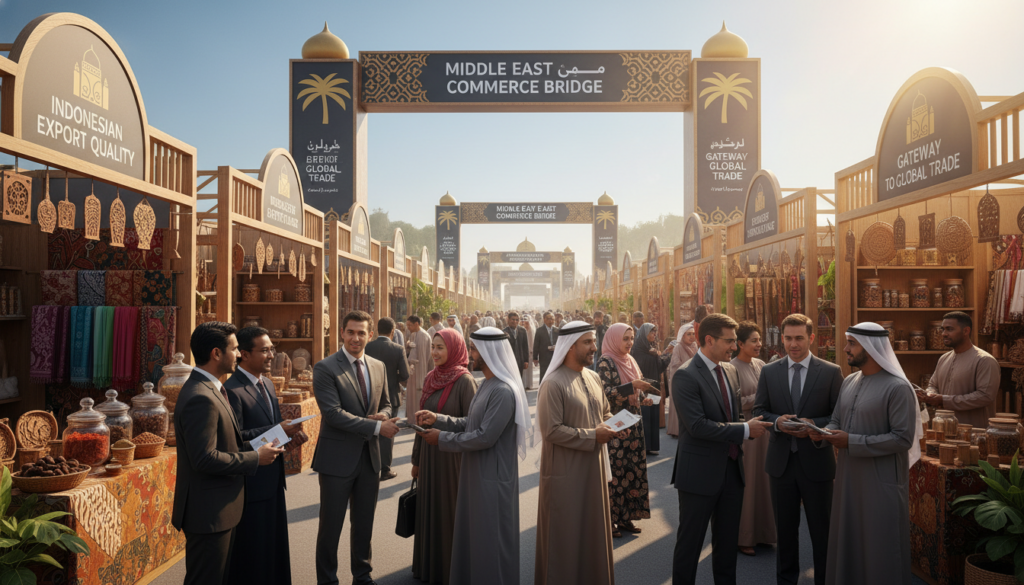
Exporters should prioritize the creation of a standardized documentation checklist. This practice helps maintain consistency across all shipments and reduces the risk of non-compliance. Investing time in these administrative details is a vital part of any effective export promotion strategies designed for the Middle Eastern market.
Managing Financial Risks and Payment Security
Securing reliable payment methods is essential for protecting your bottom line. Many Indonesian exporters utilize Letters of Credit (LC) to guarantee that payment is received once the goods are delivered and verified. This financial instrument provides a layer of security that builds trust between new partners.
Working with reputable international banks that have a strong presence in both Indonesia and the UAE can further mitigate risks. These institutions offer specialized trade finance solutions tailored to the needs of growing businesses. By choosing secure payment channels, you can focus on scaling your operations with greater confidence and peace of mind.
Conclusion
The path toward economic growth relies on bold steps into international markets. Boosting indonesian exports to the middle east creates a pathway for businesses to reach millions of new customers. This journey requires patience, local knowledge, and a commitment to quality standards.
Companies that prioritize strong relationships with partners in Dubai and Abu Dhabi often see the best results. Success comes from understanding the unique needs of the local consumer while maintaining a reliable supply chain. By focusing on these core areas, your brand can establish a lasting presence in the region.
The current trade environment offers many tools to help your business thrive. Utilizing the Indonesia-UAE Comprehensive Economic Partnership Agreement provides a clear advantage for those ready to scale. Boosting indonesian exports to the middle east is a smart move for any firm looking to diversify its reach.
Take the first step today by reviewing your current export strategy. Reach out to local chambers of commerce or industry experts to refine your approach. Your active participation in this vibrant market will shape the future of international trade between these two nations.