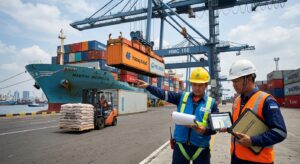



The global marketplace is shifting, and a major new agreement is set to change how businesses grow. The IEU-CEPA pact marks a transformative moment for companies looking to expand their reach across borders. By removing complex barriers, this deal creates fresh trading opportunities between Indonesia and Europe that were previously out of reach.
Navigating international commerce can feel daunting, but this partnership offers a clear path forward. You will gain access to a more stable regulatory landscape designed to foster deeper economic ties. Our goal is to provide you with the insights needed to move forward with total confidence.
Whether you are a small startup or an established firm, understanding these changes is vital. We are here to help you leverage these strategic advantages for long-term success.
Key Takeaways
- The IEU-CEPA agreement significantly lowers barriers for international business expansion.
- Companies can expect a more predictable and transparent regulatory environment.
- New economic ties foster growth for both emerging and established markets.
- Strategic planning is essential to capitalize on these evolving market conditions.
- Actionable insights help businesses navigate complex global commerce with ease.
The Current Landscape of Indonesia-Europe Economic Relations
A historic milestone was reached on September 23, 2025, when the IEU-CEPA was officially signed after nine years of intensive negotiations. This agreement represents a fundamental shift in the economic collaboration between Indonesia and Europe. It moves the relationship away from historical trade disputes and toward a modern, standards-heavy framework designed for long-term growth.
The primary goal of this partnership is to anchor Indonesia firmly within the global high-value manufacturing supply chain. By aligning regulatory standards, the agreement creates a predictable environment for investors. Stability is the cornerstone of this new era, ensuring that businesses can plan their operations with confidence leading up to the 2027 implementation date.
For European firms, this deal provides a vital and stable foothold in the rapidly growing Indo-Pacific market. The economic collaboration between Indonesia and Europe is no longer just about raw commodity exchange; it is about building a sophisticated, integrated economic corridor. Companies that prepare now will be best positioned to leverage these new market access opportunities as the regulatory landscape evolves over the next few years.
Key Sectors Driving Trade Growth Prospects
The economic relationship between Indonesia and Europe has reached a significant milestone, with total goods trade hitting €27.3 billion in 2024. This impressive figure highlights the robust trade growth prospects available to companies willing to navigate these dynamic markets. By focusing on specific high-potential industries, businesses can effectively align their operations with the evolving needs of both regions.
Sustainable Palm Oil and Agricultural Commodities
Indonesia remains a global powerhouse in the production of essential agricultural commodities. The current framework emphasizes sustainability, ensuring that palm oil and other exports meet strict environmental standards required by European buyers. Companies that prioritize ethical sourcing and transparent supply chains will find themselves at a distinct advantage in this competitive landscape.
Digital Economy and Tech Services
The rapid digitalization of the Indonesian market is creating a wealth of trade growth prospects for European tech firms. From fintech solutions to software development, the demand for innovative digital services is skyrocketing. This sector offers a unique opportunity for cross-border collaboration, as local businesses seek to modernize their infrastructure through European expertise.
Renewable Energy and Green Infrastructure
Indonesia is actively transitioning toward a greener future, opening doors for massive investment in renewable energy. There is a clear need for advanced technology in solar, wind, and geothermal projects to support this national shift. By investing in green infrastructure, European businesses can capitalize on long-term trade growth prospects while contributing to global climate goals. This synergy between capital and technology remains a cornerstone of the modern bilateral strategy.
Navigating Bilateral Trade Agreements and Regulatory Frameworks
The path to successful trade between Indonesia and Europe is paved with new regulatory frameworks designed to simplify your business operations. As these bilateral trade agreements continue to evolve, they offer a more predictable environment for companies looking to expand their reach across borders.
Staying informed about these changes is the best way to ensure your business remains competitive. By understanding the shifting landscape, you can better position your firm to take advantage of emerging opportunities in the global market.
Understanding the CEPA Negotiations
The Comprehensive Economic Partnership Agreement (CEPA) represents a major milestone for international commerce. A key highlight of this deal is that the EU will make over 98 percent of Indonesian tariff lines duty-free upon the agreement’s entry into force.
This significant reduction in costs is expected to boost trade volume substantially. Businesses should prepare for a transition period leading up to 2027, which will phase in these benefits. Engaging with these bilateral trade agreements early allows you to plan your logistics and pricing strategies effectively.
Compliance Standards for European Markets
Entering the European market requires a solid grasp of specific compliance and administrative procedures. Companies must pay close attention to rules of origin to ensure their products qualify for the new duty-free status.
Proper documentation is the backbone of successful cross-border trade. By maintaining transparent records and adhering to strict quality standards, you can avoid costly delays at customs. Navigating these bilateral trade agreements becomes much easier when your internal operations are fully aligned with international regulatory requirements.
Strategic Advantages of Indonesia as a Manufacturing Hub
Indonesia is rapidly emerging as a premier manufacturing hub for European companies looking to diversify their global supply chains. The nation boasts a youthful, tech-savvy population that provides a dynamic foundation for a rapidly growing industrial sector. By tapping into this human capital, businesses can foster innovation while maintaining high production standards.
For those interested in the broader economic context, the EU Trade and Investment with Indonesia 2023 offers a detailed look at how these partnerships are evolving. This data highlights why many firms are shifting their focus toward this vibrant market.
Labor Cost Competitiveness
One of the most significant drivers for companies relocating to Indonesia is the highly competitive labor market. Compared to other regional manufacturing centers, Indonesia offers a balance of affordability and skill that is hard to match. This cost-efficiency allows European businesses to optimize their operational budgets without sacrificing quality.
Key benefits of the Indonesian workforce include:
- Scalability: A large pool of available workers ready to support industrial expansion.
- Adaptability: A workforce that is increasingly comfortable with modern digital tools and automated systems.
- Cost-Effectiveness: Lower overhead expenses that directly improve the bottom line for international manufacturers.
Strategic Geographic Positioning in Southeast Asia
Beyond labor costs, Indonesia serves as a vital gateway to the broader Southeast Asian market. Its unique position along major global shipping lanes makes it an ideal location for companies aiming to streamline their logistics. By establishing a base here, businesses can significantly reduce transit times and improve supply chain resilience.
The country’s commitment to modernizing its infrastructure further enhances its appeal as a regional hub. Strategic investments in ports and transport networks ensure that goods move efficiently from the factory floor to international markets. This geographic advantage is a cornerstone for any company planning a long-term presence in the region.
Unlocking Trading Opportunities Between Indonesia and Europe
If you are looking to scale your operations, the shifting trade landscape between Indonesia and Europe provides a wealth of untapped potential. Companies that act now can gain a significant competitive edge by aligning their supply chains with these emerging market trends. Understanding the nuances of this partnership is the first step toward long-term success.
Identifying High-Demand Export Categories
Several sectors are currently showing remarkable growth, making them prime targets for expansion. Automotive components, specialized machinery, and high-quality agri-food products are leading the charge in this bilateral exchange. By focusing on these areas, businesses can tap into a steady stream of demand from both regions.
We recommend that you assess your current product line against the latest market data. Identifying where your goods fit into these high-demand categories will help you streamline your logistics and marketing efforts. Strategic alignment is essential for those who want to maximize their reach.
Leveraging Import Incentives for European Businesses
One of the most exciting aspects of this partnership is the reduction of financial barriers. European exporters are expected to save approximately €600 million annually in customs duties once the agreement is fully implemented. These import-export opportunities allow companies to reinvest those savings into innovation and market development.
To take full advantage of these benefits, it is vital to stay updated on the latest tariff schedules. Small and medium-sized enterprises, in particular, can use these incentives to lower their operational costs significantly. Proactive planning ensures that your business remains agile in a changing global economy.
| Category | Market Demand | Incentive Potential |
|---|---|---|
| Automotive Parts | High | Significant Duty Reduction |
| Industrial Machinery | Moderate | Streamlined Compliance |
| Agri-Food Products | High | Preferential Tariff Access |
| Renewable Tech | Growing | Green Investment Credits |
Market Expansion Strategies for Cross-Border Commerce
Entering the Indonesian market offers unique potential for companies ready to embrace cross-border commerce. Recent regulatory improvements, such as the IEU-CEPA, have created a more stable environment for international firms. These agreements provide clear protections for data flows and eliminate customs duties on electronic transmissions, making it easier to scale your operations.
Adopting effective market expansion strategies is essential for long-term success in this region. By focusing on digital integration and regulatory compliance, businesses can minimize risks while maximizing their reach. These cross-border commerce initiatives allow companies to navigate the complexities of international trade with greater confidence and efficiency.

Establishing Local Partnerships and Joint Ventures
One of the most reliable ways to enter Indonesia is through strategic local partnerships. Working with a domestic partner provides invaluable cultural insights and helps you navigate the local regulatory landscape more effectively. This collaborative approach often leads to faster market entry and stronger brand loyalty.
Joint ventures allow you to share resources and expertise with established players who already understand the local consumer base. By combining your global standards with their local knowledge, you create a sustainable business model that is built to last. This synergy is a cornerstone of successful market expansion strategies in Southeast Asia.
Utilizing E-commerce Platforms for Market Entry
Digital platforms have revolutionized how businesses reach consumers in Indonesia. Utilizing e-commerce allows you to bypass traditional retail barriers and connect directly with your target audience. This is a vital component of modern cross-border commerce initiatives that prioritize speed and accessibility.
By leveraging established digital marketplaces, you can test product demand with minimal upfront investment. These platforms offer integrated payment and logistics solutions that simplify the entire sales process. Embracing these digital tools ensures that your brand remains competitive in an increasingly connected global economy.
Logistics and Supply Chain Optimization
Streamlining your supply chain is essential for capturing the best import-export opportunities today. When goods move efficiently between Indonesia and Europe, businesses can reduce overhead and improve customer satisfaction. A well-oiled logistics network acts as the foundation for long-term commercial success.
Modernizing Port Infrastructure and Shipping Routes
Modernizing port infrastructure is a critical focus for reducing the friction costs that currently hinder logistics in the region. By upgrading terminal facilities and expanding deep-water berths, Indonesia is positioning itself as a vital hub for global trade. These improvements ensure that shipping routes remain predictable and reliable for European partners.
Investing in automated cargo handling systems further accelerates the loading process. This shift minimizes delays and allows for a higher volume of goods to transit through major ports. Enhanced connectivity between Indonesian ports and European maritime gateways creates a more resilient supply chain for everyone involved.
Overcoming Customs and Tariff Barriers
Navigating complex regulatory environments often feels like a daunting task for growing businesses. However, the implementation of digitized customs procedures is simplifying the way companies manage cross-border documentation. These advancements help firms identify new import-export opportunities while maintaining full compliance with international standards.
By adopting transparent tariff structures, both regions are working to lower the barriers that once slowed down trade. Companies that leverage these modernized systems can expect faster clearance times and reduced administrative burdens. Efficiency is the ultimate goal for businesses aiming to scale their operations across these two dynamic markets.
| Logistics Feature | Traditional Approach | Modernized Approach |
|---|---|---|
| Customs Processing | Manual Paperwork | Digital Automation |
| Port Throughput | Low Capacity | High-Speed Handling |
| Supply Chain Visibility | Limited Tracking | Real-Time Monitoring |
| Trade Friction | High Costs | Optimized Efficiency |
Financial Instruments for International Trade Partnerships
Building strong international trade partnerships requires a solid grasp of modern financial tools and legal protections. As businesses look to expand between Indonesia and Europe, the introduction of the Investment Court System (ICS) provides a crucial layer of stability. This system replaces older bilateral treaties, offering a permanent framework to protect long-term capital commitments.
Trade Finance Solutions for SMEs
Small and medium-sized enterprises often face hurdles when entering foreign markets. Fortunately, specialized trade finance solutions help bridge the gap by providing necessary liquidity and credit support. These tools allow smaller firms to participate effectively in international trade partnerships without overextending their cash flow.
By utilizing letters of credit, export credit insurance, and supply chain financing, companies can mitigate the risks associated with cross-border sales. These instruments ensure that payments are secure and that businesses can maintain operations even during payment delays. Access to these resources is vital for scaling operations across diverse economic zones.
Managing Currency Risks in Cross-Border Transactions
Fluctuating exchange rates can significantly impact the profitability of international trade partnerships. Businesses must adopt proactive strategies to manage currency risks and protect their bottom line. Forward contracts and currency options are common methods used to lock in rates and avoid unexpected losses.
Effective risk management allows firms to focus on growth rather than market volatility. By partnering with experienced financial institutions, companies can create a tailored hedging strategy that aligns with their specific trade volume. This level of preparation is a key advantage for any business operating in the global marketplace.
| Financial Instrument | Primary Benefit | Best For |
|---|---|---|
| Letters of Credit | Payment Security | New Partnerships |
| Forward Contracts | Rate Stability | Long-term Planning |
| Export Credit Insurance | Risk Mitigation | SME Expansion |
| Supply Chain Finance | Cash Flow Optimization | Operational Efficiency |
Ultimately, mastering these financial instruments empowers companies to build sustainable international trade partnerships. With the right legal framework and risk management in place, businesses can confidently navigate the complexities of the Indonesia-Europe trade corridor.
Cultural Nuances in Global Business Relationships
Global business relationships in Indonesia thrive when partners prioritize patience and genuine human interaction over rapid transactional gains. While technical expertise is vital, the human element often serves as the true foundation for long-term success in this region. Understanding these subtle social dynamics allows European firms to build bridges that last far beyond a single contract.
Building Trust in Indonesian Business Culture
In Indonesia, trust is not something that is earned through a quick email exchange or a brief video call. It is a foundational element that requires time, consistent presence, and meaningful face-to-face interaction. You should view your initial meetings as opportunities to establish rapport rather than immediate sales pitches.
Showing genuine interest in your partner’s background and local context demonstrates respect. Patience is your greatest asset during these early stages. By investing time in building a personal connection, you create a reliable foundation for your global business relationships that can withstand future market challenges.
Communication Styles and Negotiation Tactics
Communication in Indonesia often leans toward the indirect, where maintaining harmony is highly valued. It is common for partners to avoid saying a direct “no” to prevent causing embarrassment or conflict. Instead, pay close attention to non-verbal cues and the context of the conversation to understand the true sentiment.
When negotiating, adopt a collaborative approach that emphasizes mutual benefit rather than a win-lose outcome. Respectful disagreement is possible, but it must be handled with extreme care to preserve the dignity of all parties involved. The following table highlights key differences to help you navigate these interactions effectively.
| Feature | Western Approach | Indonesian Approach |
|---|---|---|
| Communication | Direct and explicit | Indirect and harmonious |
| Decision Making | Fast and individual | Consensus-based and slow |
| Relationship Focus | Task-oriented | People-oriented |
| Conflict Style | Open confrontation | Avoidance of public tension |
By mastering these cultural nuances, you position your company as a thoughtful and respectful partner. This approach not only eases the negotiation process but also strengthens your global business relationships, ensuring that your expansion into the Indonesian market is both sustainable and rewarding.
Digital Transformation in Indonesia-Europe Trade
Innovation in digital infrastructure is bridging the gap between Indonesian markets and European partners. Recent agreements now include specific provisions for digital trade that protect data flows and promote the use of electronic documentation. This shift helps businesses move away from paper-heavy processes toward streamlined digital workflows.
Adopting Blockchain for Supply Chain Transparency
Blockchain technology offers a secure way to track goods as they move across borders. By creating an immutable ledger, companies can verify the origin and quality of products in real-time. This level of transparency is essential for building trust between Indonesian exporters and European buyers.
Using distributed ledger technology helps reduce the risk of fraud and errors in documentation. It ensures that all parties have access to the same verified information at every stage of the supply chain. Consequently, businesses can resolve disputes faster and maintain higher standards of accountability.
The Role of Fintech in Facilitating Payments
Financial technology is revolutionizing how companies handle international transactions. Modern fintech solutions allow for faster, cheaper, and more secure payments compared to traditional banking systems. These advancements are vital for supporting various cross-border commerce initiatives that require high-speed capital movement.
By integrating digital payment gateways, firms can mitigate the risks associated with currency fluctuations and high transaction fees. These tools provide the agility needed to compete in a global market. As more companies adopt these platforms, the overall efficiency of trade between these two regions continues to improve significantly.
| Feature | Traditional Trade | Digital Trade |
|---|---|---|
| Documentation | Paper-based | Electronic/Blockchain |
| Payment Speed | 3-5 Business Days | Near Instant |
| Transparency | Limited Visibility | Real-time Tracking |
| Cost Efficiency | High Overhead | Optimized/Low |
Ultimately, the integration of these digital tools serves as the backbone for future growth. Companies that prioritize these cross-border commerce initiatives will likely see a competitive advantage in the coming years.
Sustainability and ESG Requirements in Modern Trade
Navigating the complex world of environmental and social standards is now essential for any business operating between Indonesia and Europe. As global markets evolve, sustainability has shifted from a voluntary goal to a core requirement for market access. Companies that embrace these changes early often find themselves with a significant competitive advantage.
Meeting European Green Deal Standards
The European Green Deal represents a transformative shift in how goods enter the European market. A critical component of this framework is the EU’s Deforestation-Free Regulation (EUDR). This regulation mandates that commodities such as palm oil, coffee, and cocoa must be fully traceable to their point of origin.
Producers in Indonesia are now tasked with providing clear evidence that their products do not contribute to forest degradation. By adopting digital tracking systems, businesses can ensure compliance while providing transparency to European buyers. This level of accountability is no longer optional; it is the new standard for entry.
Implementing Ethical Sourcing Practices
Beyond environmental metrics, social responsibility plays a vital role in modern trade partnerships. Ethical sourcing involves ensuring fair labor practices and supporting the livelihoods of local communities throughout the supply chain. When European businesses prioritize these values, they build stronger, more resilient relationships with their Indonesian partners.
“Sustainability is not just about the environment; it is about creating a future where business growth and human dignity go hand in hand.”
Adopting these practices helps companies mitigate risks and improve their brand reputation. Below is a comparison of how traditional trade models differ from modern, sustainable approaches:
| Feature | Traditional Trade | Sustainable Trade |
|---|---|---|
| Supply Chain | Opaque and fragmented | Fully traceable and transparent |
| Compliance | Reactive to local laws | Proactive ESG integration |
| Focus | Short-term profit margins | Long-term value creation |
| Social Impact | Often overlooked | Core to business strategy |
By focusing on these requirements, companies can turn potential regulatory hurdles into opportunities for demonstrating corporate responsibility. Staying informed and proactive ensures that your supply chain remains both ethical and compliant in an ever-changing global market.
Conclusion
The path toward deeper economic collaboration between Indonesia and Europe is paved with immense potential for businesses ready to adapt. By embracing the bilateral trade agreements currently taking shape, companies can secure a competitive edge in a rapidly changing global market.
Success in this environment requires a proactive approach to market expansion strategies. Firms that prioritize sustainability and digital integration will find themselves well-positioned to capitalize on new trade growth prospects as the regulatory landscape evolves toward 2027.
Strong global business relationships remain the cornerstone of long-term prosperity. Cultivating these connections allows organizations to navigate complex supply chains while fostering trust across borders.
Now is the time to evaluate your operational readiness for these international trade partnerships. By aligning your goals with the emerging standards of this agreement, you can ensure your business thrives in the dynamic exchange between these two powerful economic regions.