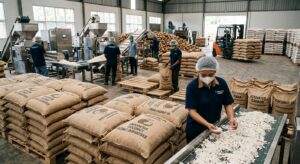



Introduction to Importing Crude Palm Oil
Indonesia is the world’s largest producer and exporter of Crude Palm Oil (CPO), making it a crucial market for global buyers. With extensive plantations across Sumatra, Kalimantan, and other regions, the country supplies a significant portion of the world’s edible oils and biofuels. This comprehensive guide will walk you through the essential steps, regulations, and logistics involved in importing crude palm oil from Indonesia, ensuring a smooth and profitable transaction.
Understanding the intricacies of the Indonesian export market is vital. Just as buyers researching other Indonesian commodities might consult A Complete Guide to Shisha Charcoal Briquettes Wholesale in Jakarta, palm oil importers need specific knowledge about quality standards, export duties, and reliable suppliers to succeed in this competitive industry.
Understanding the Indonesian Palm Oil Market
The Indonesian palm oil industry is vast and highly regulated. To successfully import CPO, you must first understand the market dynamics, including production cycles, sustainability certifications, and government policies. The Indonesian Sustainable Palm Oil (ISPO) certification is mandatory for local producers, ensuring that the oil meets environmental and social standards. Many international buyers also look for Roundtable on Sustainable Palm Oil (RSPO) certification to meet global sustainability demands.
Finding Reliable Suppliers
Partnering with a trustworthy supplier is the foundation of a successful import business. When sourcing CPO, consider large-scale plantation owners or reputable trading companies. You can find potential partners through industry associations, trade directories, or by attending international agricultural expos held in Jakarta and other major cities. It is crucial to conduct due diligence, verify certifications, and request product samples before signing any contracts. For businesses looking for a diverse range of Indonesian export products, partnering with experts at Export Nusa can provide valuable insights and connections.
Legal and Regulatory Requirements
Importing CPO involves navigating both Indonesian export regulations and your home country’s import laws. The Indonesian government frequently adjusts export levies and taxes to stabilize domestic cooking oil prices and support the local biofuel mandate. Buyers must stay informed about these policy changes, as they directly impact the final cost of the imported oil.
Documentation Needed
- Commercial Invoice: Detailing the transaction value and terms.
- Packing List: Specifying the quantity and packaging details.
- Bill of Lading: The official transport document.
- Certificate of Origin: Issued by the relevant Indonesian authority.
- Phytosanitary Certificate: Ensuring the product is free from pests.
- Quality/Analysis Certificate: Confirming the Free Fatty Acid (FFA) content and moisture levels.
Logistics and Shipping
Shipping bulk liquids like CPO requires specialized logistics. The oil is typically transported in flexitanks, ISO tanks, or bulk vessels depending on the volume ordered. Coordinating with experienced freight forwarders is essential to ensure the oil remains at the correct temperature during transit to prevent solidification.
Calculating shipping costs is a major component of your import strategy. For example, European buyers planning their logistics budget would find value in a Comprehensive Guide to Freight Forwarding Costs from Jakarta to Rotterdam. Proper planning helps mitigate delays and unexpected expenses.
Packaging and Branding
While CPO is mostly shipped in bulk, downstream products or specialized derivatives might require unique packaging solutions. Although unrelated to liquid oils, understanding how Indonesian suppliers handle packaging can be seen in resources like the Custom Packaging Coconut Charcoal OEM: A Comprehensive Guide, which highlights the flexibility and customization available in the Indonesian export market.
Quality Control and Inspection
Quality control is paramount when importing CPO. The primary indicators of quality are Free Fatty Acid (FFA) content, Moisture and Impurities (M&I), and the Dobi index. Standard CPO typically has an FFA content of under 5%. Independent surveyors, such as SGS or Sucofindo, are usually hired to inspect the cargo at the port of loading to issue an independent certificate of quality and weight, providing security for both the buyer and seller.
| Quality Parameter | Standard Specification |
|---|---|
| Free Fatty Acid (FFA) | Max 5% |
| Moisture and Impurities (M&I) | Max 0.5% |
| Dobi Index | Min 2.31 |
| Iodine Value | 50 – 55 |
Conclusion
Importing crude palm oil from Indonesia offers immense opportunities for businesses in the food, cosmetics, and energy sectors. By understanding the market dynamics, adhering to legal requirements, partnering with reliable suppliers, and managing logistics efficiently, importers can establish a sustainable and profitable supply chain. As the global demand for versatile and cost-effective vegetable oils continues to rise, Indonesia remains the premier destination for sourcing high-quality crude palm oil.
Frequently Asked Questions
What are the typical payment terms for importing CPO from Indonesia?
Most transactions use a Letter of Credit (L/C) at sight or Telegraphic Transfer (T/T) with a percentage paid as a deposit and the balance paid against shipping documents. L/C is generally preferred for new buyer-seller relationships due to its security.
Is sustainable palm oil more expensive?
Yes, RSPO or ISPO certified palm oil typically commands a premium over uncertified oil. The premium covers the costs of sustainable farming practices, audits, and certification fees, but it is often necessary to meet the compliance standards of Western markets.
How is CPO transported to prevent it from solidifying?
CPO can solidify at lower temperatures. It is transported in vessels equipped with heating coils. During transit and unloading, the temperature is carefully monitored and maintained, usually between 40 to 50 degrees Celsius, to keep the oil in a liquid state.
Do export taxes in Indonesia change frequently?
Yes, the Indonesian government ties export levies and taxes to the global reference price of palm oil. These rates can be adjusted monthly, so it is crucial for importers to monitor these changes as they directly affect the FOB price.