


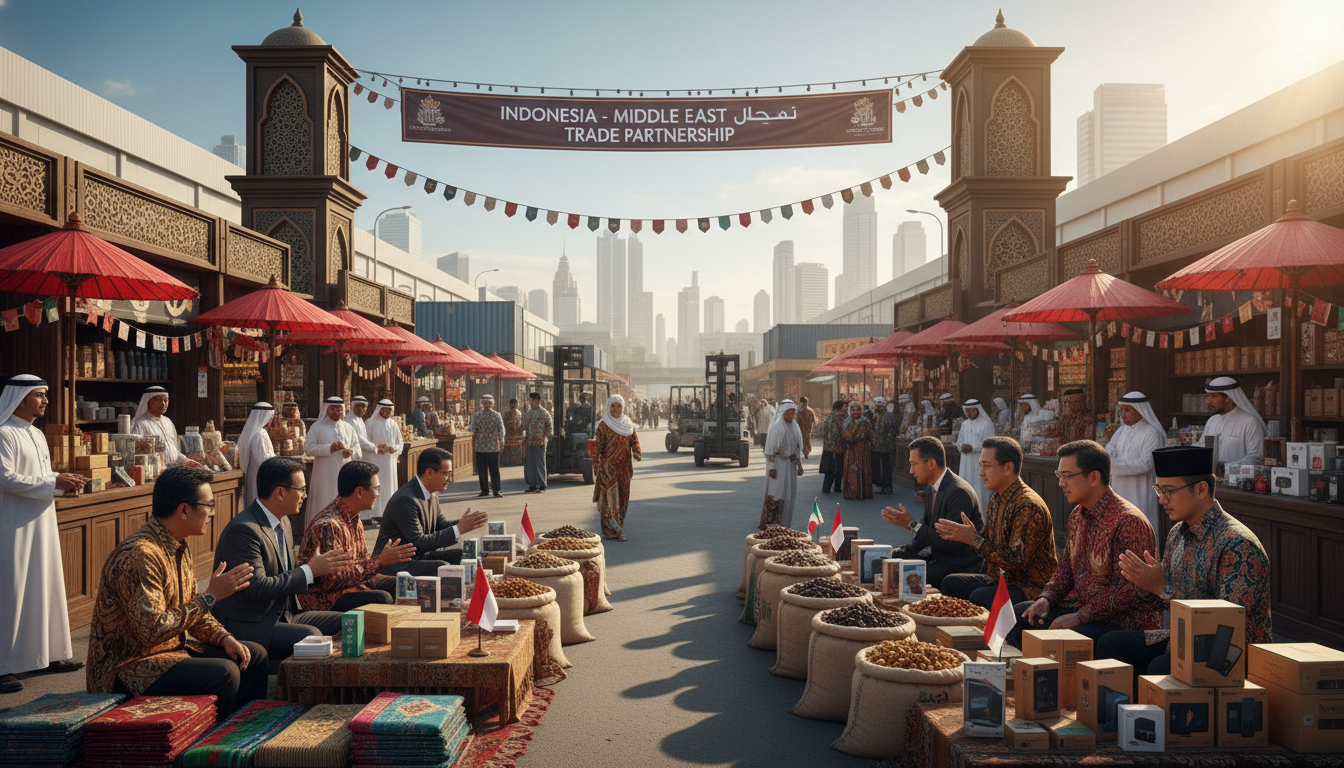
Indonesia is currently embarking on a bold strategic pivot to diversify its global trade portfolio. By prioritizing new partnerships, the nation aims to safeguard its domestic industries against the unpredictable nature of global protectionism. A primary focus is increasing indonesian exports in middle eastern markets, particularly within the United Arab Emirates.
This shift helps stabilize national revenue while shielding local businesses from fluctuating demand in traditional regions. By tapping into these high-growth territories, the country is strengthening its metallurgical and manufacturing sectors for long-term success. Our guide provides the essential tools for companies ready to navigate these vibrant trade landscapes. Successfully increasing indonesian exports in middle eastern markets requires a clear understanding of local regulations and cultural nuances.
Key Takeaways
- Indonesia is actively diversifying trade to reduce reliance on traditional partners.
- The United Arab Emirates serves as a vital gateway for regional expansion.
- Strategic focus on metallurgy and manufacturing boosts economic resilience.
- Businesses must adapt to local regulatory frameworks to ensure long-term growth.
- Proactive planning helps companies mitigate risks associated with global trade volatility.
The Current Landscape of Indonesian Trade with the UAE
Exploring the economic ties between Indonesia and the UAE reveals a landscape ripe with untapped potential for savvy exporters. Currently, Indonesia’s total exports to the Middle East have reached US$9.8 billion, which accounts for 3.4 percent of the nation’s total export volume. This figure represents a solid foundation for businesses looking to scale their operations internationally.
The relationship is further bolstered by a healthy trade surplus of US$641 million. This surplus serves as a clear indicator of the strong demand for Indonesian goods in the region. By focusing on effective export growth strategies, companies can capitalize on this momentum to secure a lasting foothold in the Gulf.
Economic Synergy Between Indonesia and the United Arab Emirates
The United Arab Emirates acts as a primary gateway for any firm aiming to expand its reach across the region. The UAE-Indonesia trade agreement has significantly lowered barriers, creating a more favorable environment for cross-border commerce. This synergy allows businesses to leverage the UAE’s world-class logistics infrastructure to distribute products efficiently.
Understanding these middle east export opportunities is essential for long-term success. The alignment between Indonesia’s manufacturing capabilities and the UAE’s consumer-driven economy creates a unique value proposition. When companies align their goals with this regional synergy, they often find that the path to market entry becomes much smoother.
Identifying High-Demand Indonesian Commodities in Dubai and Abu Dhabi
To succeed in competitive hubs like Dubai and Abu Dhabi, exporters must focus on products that meet specific local needs. There is a growing appetite for high-quality food products, textiles, and consumer electronics from Indonesia. By tailoring offerings to the preferences of these urban centers, businesses can significantly improve their indonesian export to middle east performance.
It is vital to conduct thorough market research to stay ahead of shifting trends. Whether it is premium agricultural goods or specialized manufactured items, identifying the right niche is a core component of successful export growth strategies. By prioritizing these high-demand sectors, exporters can effectively navigate the complexities of middle east export opportunities and build a sustainable presence in the Emirates.
Essential Market Penetration Tactics for UAE Consumers
Successfully entering the UAE market requires a deep understanding of local consumer preferences and competitive dynamics. By utilizing a thorough export market analysis, businesses can identify the specific needs of shoppers in Dubai and Abu Dhabi. Implementing effective market penetration tactics is essential for any brand aiming to establish a long-term presence in this vibrant region.
Adapting Product Packaging for the Middle Eastern Aesthetic
Visual appeal plays a critical role in how products are perceived by Emirati consumers. Packaging should reflect local cultural values while maintaining a premium feel that resonates with a diverse, international population.
- Use elegant, high-quality materials to convey luxury and trust.
- Ensure all labeling includes clear Arabic translations alongside English.
- Incorporate color palettes that align with regional preferences, such as gold, deep green, or royal blue.
Pricing Strategies to Compete with Global Brands
The UAE market is highly competitive, featuring established global giants across every sector. To gain a foothold, Indonesian firms must balance affordability with the perceived value of their offerings.
Consider the following pricing approaches to remain competitive:
| Strategy | Focus | Benefit |
|---|---|---|
| Value-Based | Quality perception | Higher margins |
| Penetration | Market share | Rapid adoption |
| Competitive | Price matching | Low barrier to entry |
Understanding Consumer Behavior in the Gulf Cooperation Council
Consumer behavior in the Gulf Cooperation Council (GCC) is shaped by a unique blend of tradition and rapid modernization. Shoppers here are highly tech-savvy and often prioritize convenience alongside brand reputation.
Building loyalty in this market requires consistent engagement and a commitment to quality. By conducting regular export market analysis, your company can stay ahead of shifting trends and refine its market penetration tactics to meet the evolving demands of the local audience.
Strategies for Increasing Indonesian Exports in Middle Eastern Markets
Strategic planning is the key to increasing indonesian exports in middle eastern markets effectively. By moving beyond conventional methods, businesses can unlock hidden potential and build a sustainable presence in the Gulf. Adopting a forward-thinking mindset allows companies to adapt to the unique demands of the United Arab Emirates.
Diversifying Export Portfolios Beyond Traditional Commodities
Many suppliers rely heavily on raw materials, but the real growth potential lies in value-added products. Shifting toward processed goods helps companies capture higher margins and build brand recognition. These export growth strategies ensure that Indonesian businesses remain relevant as consumer preferences evolve in the region.
Utilizing Free Trade Agreements to Gain Competitive Advantages
The Comprehensive Economic Partnership Agreement (CEPA) with the UAE serves as a game-changer for local exporters. This agreement provides preferential tariffs that make Indonesian steel significantly more competitive against global rivals. Leveraging such trade promotion strategies allows firms to lower costs while maintaining high quality standards.
Targeting Niche Markets in the UAE Hospitality Sector
The booming hospitality industry in Dubai and Abu Dhabi offers a lucrative space for specialized suppliers. By focusing on high-end furniture, organic food ingredients, or sustainable textiles, exporters can meet the specific needs of luxury hotels. Implementing these trade promotion strategies helps businesses secure long-term contracts in a competitive environment.
| Strategy Type | Primary Benefit | Target Segment |
|---|---|---|
| Portfolio Diversification | Higher Profit Margins | Consumer Goods |
| CEPA Utilization | Reduced Tariff Costs | Industrial Steel |
| Niche Hospitality | Market Exclusivity | Luxury Hotels |
Adopting these export growth strategies requires patience and a deep understanding of local market dynamics. When companies align their offerings with the specific needs of the UAE, they create a foundation for lasting success. Consistency and quality remain the most important factors for any exporter looking to expand their reach.
Navigating Regulatory Frameworks and Halal Certification
For Indonesian businesses, mastering the regulatory environment is the first step toward building a sustainable presence in the Emirates. While your products may already excel in global markets, the UAE requires specific adherence to local laws. Integrating these requirements into your market penetration tactics ensures that your goods move smoothly from Indonesian factories to Emirati shelves.

The Importance of Halal Compliance for Market Entry
Halal certification is not merely a formality; it is a fundamental requirement for building trust with local consumers. In a market where dietary and lifestyle laws are strictly observed, having recognized certification acts as a gateway to success. It signals to your partners that you respect local values and are committed to long-term quality.
Indonesian exporters, particularly in the agricultural and processed food sectors, must ensure their supply chains meet these standards. By prioritizing transparency in your production process, you create a competitive edge that resonates with the local population. This focus on integrity is a cornerstone of effective market penetration tactics.
Streamlining Customs Procedures for Indonesian Exporters
Efficiency at the border is vital for maintaining the freshness and reliability of your exports. With 80 percent of Indonesian exports coming from the manufacturing sector, minimizing administrative bottlenecks is essential. Exporters should utilize digital documentation systems to ensure that all paperwork is accurate before shipments arrive at UAE ports.
Working closely with local logistics experts can help you navigate the complexities of customs clearance. When you proactively manage your documentation, you reduce the risk of costly delays. This level of preparation is a key component of successful market penetration tactics in the Gulf region.
Meeting UAE Quality Standards and Safety Regulations
The UAE maintains rigorous safety standards to protect its citizens and residents. Whether you are exporting mining materials or consumer goods, your products must comply with the Emirates Authority for Standardization and Metrology (ESMA). Meeting these benchmarks is not just a legal obligation; it is a mark of professional excellence.
| Sector | Primary Compliance Focus | Key Regulatory Body |
|---|---|---|
| Manufacturing | Product Safety & Labeling | ESMA |
| Agriculture | Halal & Phytosanitary | MOCCAE |
| Mining | Environmental Standards | Local Municipalities |
By aligning your internal quality control with these specific requirements, you ensure that your brand is viewed as reliable. Consistent compliance helps you avoid penalties and fosters a reputation for quality. Ultimately, these efforts solidify your position as a trusted supplier in the competitive UAE market.
Leveraging Digital Platforms for Trade Expansion
Modern trade expansion initiatives rely heavily on the power of digital platforms to connect distant markets. For Indonesian exporters, the United Arab Emirates represents a high-growth region where digital presence is no longer optional. By adopting a tech-forward approach, businesses can effectively bridge the geographical gap and build lasting professional relationships.
Utilizing E-commerce Marketplaces in the Middle East
The UAE boasts a highly developed e-commerce ecosystem that serves as a gateway for international goods. Platforms like Amazon.ae and Noon have become essential hubs for both B2C and B2B transactions. Indonesian companies should prioritize listing their products on these platforms to gain immediate visibility among local consumers and procurement managers.
Beyond general marketplaces, niche B2B portals allow exporters to connect directly with wholesalers. Strategic placement on these sites ensures that your products appear in front of the right decision-makers. Utilizing these digital channels is one of the most effective trade promotion strategies for companies aiming to scale quickly.
Digital Marketing Strategies for Reaching Emirati B2B Buyers
Reaching Emirati B2B buyers requires a tailored digital marketing approach that respects local business culture. LinkedIn remains the most powerful tool for professional networking in the Gulf region. By sharing high-quality content that highlights the quality and sustainability of Indonesian goods, exporters can establish brand authority.
Search engine optimization (SEO) focused on regional keywords also plays a vital role in discovery. When your digital content aligns with the specific needs of UAE buyers, you create a seamless path to conversion. Consistent engagement through professional social media channels helps build the trust necessary for long-term partnerships.
Virtual Trade Shows and Online Business Matching
Virtual trade shows have revolutionized how companies showcase their offerings without the need for expensive travel. These events provide a dynamic environment for Indonesian exporters to present their catalogs to a global audience. They offer a cost-effective way to participate in the UAE market while maintaining operational efficiency.
Online business matching platforms further enhance these efforts by pairing exporters with vetted local distributors. These trade promotion strategies ensure that your time is spent connecting with high-intent leads. By leveraging these digital tools, Indonesian businesses can secure a competitive edge in the bustling Emirati marketplace.
Building Strategic Partnerships with Local Distributors
Entering the UAE market requires more than just a high-quality product; it demands a reliable local partner to navigate the unique business landscape. Establishing strong connections is a fundamental component of successful trade expansion initiatives. By working with an established agent, you gain immediate access to local networks and consumer insights that are otherwise difficult to acquire.
Identifying Reliable Local Partners in the United Arab Emirates
Finding the right partner involves thorough research and vetting. You should look for distributors who possess a deep understanding of the specific sector you are entering, whether it is food, textiles, or technology. Reputation is everything in the Emirates, so prioritize companies with a proven track record of ethical business practices.
Networking at industry events and utilizing local chambers of commerce can help you identify potential candidates. A reliable partner will not only distribute your goods but also act as a cultural bridge, ensuring your brand resonates with the local audience. These trade expansion initiatives are most effective when your partner is as invested in your success as you are.
Structuring Win-Win Distribution Agreements
A clear, legally sound contract is the foundation of any productive partnership. Your agreement should outline specific performance metrics, territory rights, and marketing responsibilities to avoid future misunderstandings. Transparency is essential to ensure that both the Indonesian exporter and the local agent feel the arrangement is fair and beneficial.
“Coming together is a beginning, staying together is progress, and working together is success.”
Ensure that your contract includes provisions for regular reviews. This allows both parties to adjust strategies based on market performance and changing consumer demands. By aligning your goals early, you create a stable environment for long-term growth.
Maintaining Long-term Relationships with Regional Agents
Sustaining a partnership requires consistent communication and mutual respect. Regular check-ins help you stay informed about local market shifts and allow you to provide necessary support to your agents. Building trust takes time, but it is the most valuable asset you can develop in the region.
Celebrate milestones together and remain open to feedback from your partners on the ground. When you treat your distributors as an extension of your own team, you foster loyalty that drives sustained trade expansion initiatives. This collaborative approach ensures that your business remains resilient and competitive in the dynamic UAE market.
Optimizing Logistics and Supply Chain Efficiency
Efficient supply chain management serves as the backbone for any successful indonesian export to middle east strategy. When goods move smoothly from production sites in Indonesia to the bustling ports of the UAE, businesses gain a significant competitive edge. Reliability in your logistics network ensures that your products arrive in perfect condition, fostering trust with local buyers.
Selecting the Right Shipping Routes from Indonesia to Jebel Ali
Jebel Ali Port remains the primary gateway for trade in the region. Given that Indonesia imported approximately 17.58 million tons of crude oil in 2025, valued at US$9.31 billion, the security and frequency of these maritime lanes are well-established. Exporters should prioritize direct shipping lines to minimize handling risks and transit times.
Choosing the right carrier involves balancing cost against speed. Many successful firms utilize major shipping alliances that offer frequent departures from Tanjung Priok. By aligning your shipping schedule with these high-traffic routes, you can better capitalize on emerging middle east export opportunities.
Managing Cold Chain Logistics for Perishable Goods
For exporters of agricultural products, maintaining a strict cold chain is non-negotiable. The UAE climate demands advanced refrigeration technology to ensure food safety and quality upon arrival. Investing in high-quality thermal packaging and real-time temperature monitoring systems will protect your cargo from the intense desert heat.
Partnering with logistics providers who specialize in temperature-controlled containers is essential. These experts understand the specific regulatory requirements for food imports in the Emirates. Proper handling prevents spoilage and ensures your goods meet the high standards expected by local retailers.
Reducing Lead Times to Enhance Reliability
Speed is a critical factor in maintaining a strong presence in the Gulf market. By optimizing your inventory management and utilizing local warehousing, you can significantly reduce lead times. This proactive approach allows you to respond quickly to market fluctuations and consumer demand.
Reliability builds long-term partnerships, which are vital for sustained growth. When you consistently meet delivery deadlines, you position your brand as a dependable supplier. This consistency is the key to unlocking further middle east export opportunities and expanding your footprint in the region.
| Logistics Method | Average Transit Time | Cost Efficiency | Best For |
|---|---|---|---|
| Sea Freight (Direct) | 12-16 Days | High | Bulk Commodities |
| Sea Freight (Transshipment) | 20-25 Days | Medium | Non-Urgent Goods |
| Air Freight | 2-4 Days | Low | Perishables/High-Value |
Cultural Nuances and Business Etiquette in the Emirates
Professional relationships in the Gulf region are built on a foundation of trust and personal connection. For Indonesian companies, successful export market development requires more than just competitive pricing; it demands a genuine commitment to understanding the local social fabric. While geopolitical tensions in the Middle East can trigger volatility in oil prices and increase logistics costs, a strong local network often provides the stability needed to navigate these challenges.
The Role of Personal Relationships in Emirati Business Culture
In the Emirates, business is rarely conducted solely through digital channels or cold emails. Trust is the currency of trade, and it is earned through consistent, face-to-face interactions. Taking the time to meet potential partners in person demonstrates respect and long-term commitment to the relationship.
When conducting an export market analysis, remember that Emirati business leaders value character as much as corporate credentials. Spending time over coffee or a formal meal is not a distraction from work; it is a vital part of the negotiation process. These informal settings allow both parties to assess compatibility and build the rapport necessary for a lasting partnership.
Effective Communication Styles for Middle Eastern Negotiations
Communication in the UAE often favors a high-context approach, where the underlying message is just as important as the spoken word. It is common for negotiations to move at a slower pace than in Western markets. Patience is a strategic advantage that allows you to demonstrate reliability and sincerity.
Avoid being overly aggressive or demanding during initial discussions. Instead, focus on building a narrative that highlights mutual benefits and long-term growth. Being a good listener is often more effective than being a persuasive talker in this environment.
Respecting Local Traditions and Professional Customs
Demonstrating awareness of local customs is a powerful way to show respect for your Emirati counterparts. This includes being mindful of prayer times, the significance of the holy month of Ramadan, and local dress codes. Small gestures of cultural sensitivity can significantly enhance your reputation as a professional and reliable partner.
The following table outlines key cultural considerations for Indonesian exporters looking to thrive in the UAE:
| Aspect | Recommended Practice | Avoid |
|---|---|---|
| Meeting Style | Prioritize face-to-face | Rushing to sign contracts |
| Communication | Polite and indirect | Aggressive confrontation |
| Scheduling | Check for prayer times | Ignoring local holidays |
| Relationship | Invest in social rapport | Transactional focus only |
Conclusion
The Middle East stands as a vital frontier for Indonesian enterprises aiming to broaden their global reach. By prioritizing regulatory alignment and digital integration, your business can successfully navigate the unique demands of the United Arab Emirates market.
Strategic expansion into this region offers a path to mitigate trade risks while tapping into high-growth infrastructure projects. Industry leaders are now focusing on high-quality Indonesian steel to support the ambitious goals of Saudi Arabia’s Vision 2030 and various UAE development initiatives. This shift helps stabilize export revenues against shifting geopolitical tides.
Success in these markets requires a commitment to sustainability and technological upgrades. Producers who embrace green manufacturing standards will find themselves better prepared to meet international expectations. Building strong, long-term relationships with local partners remains the cornerstone of lasting regional influence.
Stay agile as you explore these evolving opportunities. Your proactive approach to cultural nuances and supply chain efficiency will define your competitive edge. We invite you to continue refining your export strategies to ensure a resilient and profitable presence across the Gulf.