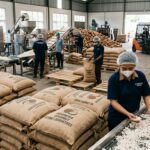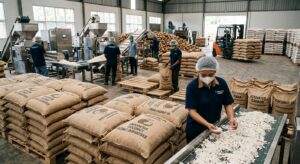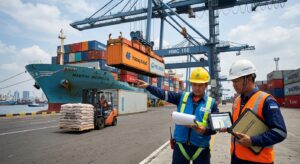



The trade relationship between Southeast Asia’s largest economy and the Gulf region is entering a dynamic new chapter. As a prominent G20 member, Jakarta is actively reshaping its international strategy to build stronger commercial bridges with partners like the United Arab Emirates.
Understanding current indonesian export trends is essential for businesses aiming to capitalize on this shifting landscape. By analyzing recent data, we can identify the specific sectors driving growth and long-term potential.
This guide explores how these indonesian export trends in the Middle East create unique opportunities for investors. We provide actionable insights to help your company navigate this evolving market with confidence and clarity.
Key Takeaways
- Indonesia is leveraging its G20 status to strengthen trade ties with the UAE.
- Key sectors are showing significant growth potential for international partners.
- Strategic economic policies are simplifying market entry for foreign businesses.
- Data-driven analysis reveals shifting consumer demands across the Gulf region.
- Future partnerships offer a pathway to sustainable long-term commercial success.
The Current Landscape of Indonesian Export Trends in the Middle East
As Indonesia continues to expand its global footprint, the Middle East has emerged as a vital hub for its diverse export portfolio. In 2023, the nation achieved a historic milestone by surpassing $200 billion in annual exports. This growth reflects a broader strategy to diversify trade partners and move beyond traditional markets.
A comprehensive middle east market analysis suggests that the region is no longer just a destination for raw materials. Instead, it is becoming a sophisticated consumer of high-quality manufactured goods and processed products. By leveraging its strategic location, Indonesia is effectively positioning itself as a reliable bridge between Southeast Asia and the Gulf.
Shifting Trade Dynamics in the Gulf Region
The trade relationship between Jakarta and the Gulf is evolving rapidly. Recent indonesia trade data highlights a clear trend: a move toward value-added manufacturing and specialized agricultural exports. This shift is essential for meeting the high standards of modern Middle Eastern consumers.
“The synergy between Indonesian production capabilities and the growing demand in the UAE creates a unique opportunity for long-term economic prosperity.”
Several factors are driving this change in trade flow:
- Increased demand for halal-certified consumer goods.
- A growing appetite for sustainable furniture and home decor.
- Strategic investments in logistics to reduce transit times.
Why Indonesia is Becoming a Preferred Partner for the UAE
The United Arab Emirates increasingly views Indonesia as a cornerstone of its import strategy. This preference is rooted in the diversity of the Indonesian economy, which spans everything from heavy manufacturing to high-end textiles. Such versatility allows Indonesian suppliers to adapt quickly to the specific needs of UAE businesses.
Furthermore, the reliability of indonesian exports has built significant trust among regional distributors. By maintaining consistent quality and competitive pricing, Indonesian firms are securing their place in the UAE’s supply chain. This partnership is not merely transactional; it is a strategic alignment designed to foster mutual growth for years to come.
Strengthening Trade Ties Through the Indonesia-UAE CEPA
A landmark trade deal is currently reshaping how businesses in the Emirates interact with Southeast Asian markets. The Indonesia-UAE Comprehensive Economic Partnership Agreement (CEPA) acts as a vital bridge for companies looking to expand their global reach. By modernizing bilateral relations, this agreement creates a more predictable environment for investors and traders alike.
Key Provisions Benefiting UAE Businesses
The CEPA introduces significant advantages by streamlining customs procedures and lowering tariff rates. These changes allow UAE firms to access high-quality products with greater ease and lower overhead costs. When analyzing current indonesia trade data, it becomes clear that these provisions are designed to foster long-term commercial stability.
“Economic partnerships are the bedrock of sustainable growth, turning geographical distance into a competitive advantage for our nations.”
To better understand the impact of these changes, consider the following improvements in trade efficiency:
| Feature | Pre-CEPA Status | Post-CEPA Benefit |
|---|---|---|
| Customs Clearance | Manual/Slow | Digital/Fast |
| Tariff Rates | Standard | Reduced/Zero |
| Market Access | Restricted | Expanded |
Reducing Barriers to Entry for Indonesian Goods
Lowering trade barriers is essential for integrating supply chains between the two regions. By simplifying regulatory requirements, the agreement encourages a steady flow of indonesian exports into the UAE market. This shift ensures that local businesses can source essential goods more reliably than ever before.
Ultimately, the CEPA serves as a framework for seamless collaboration. As companies leverage updated indonesia trade data, they can optimize their procurement strategies to remain competitive. This proactive approach to trade policy is a win-win for both Indonesian suppliers and their partners in the UAE.
Rising Demand for Indonesian Halal Food and Beverage Products
Indonesian food and beverage exports are finding a welcoming home in the UAE, driven by a shared appreciation for quality and tradition. As consumers seek diverse culinary experiences, export opportunities in the middle east have expanded significantly for producers who prioritize authenticity and flavor.
The Appeal of Indonesian Processed Foods
Indonesian processed foods are gaining traction due to their unique blend of spices and modern manufacturing standards. These products offer convenience without sacrificing the traditional taste that many shoppers crave.
Key advantages of these food items include:
- Longer shelf life suitable for international shipping.
- Innovative packaging that meets global retail standards.
- Diverse flavor profiles ranging from savory snacks to sweet treats.
Meeting Halal Certification Standards for the Middle Eastern Market
Trust is the cornerstone of the food industry in the UAE. To succeed, exporters must ensure that their goods strictly adhere to recognized halal certification protocols.
“Quality and compliance are not just regulatory requirements; they are the foundation of consumer trust in the halal food sector.”
By maintaining rigorous standards, companies can effectively showcase indonesian products in the middle east to a discerning audience. This commitment to excellence ensures that every product on the shelf meets the high expectations of local families.
Opportunities in Specialty Spices and Coffee
Beyond processed goods, there is a rising interest in premium ingredients. Indonesia, as the world’s largest producer of palm oil, also boasts a rich heritage in cultivating high-quality spices and coffee beans.
These specialty items represent significant export opportunities in the middle east for niche suppliers. Whether it is aromatic cloves or single-origin coffee, these products are increasingly viewed as premium staples in the region.
Opportunities in Indonesian Textiles and Fashion Apparel
The vibrant textile industry in Indonesia is capturing the attention of fashion retailers across the UAE. As global markets evolve, these manufacturers are finding significant export opportunities in the middle east by blending traditional artistry with modern production standards.
The Rise of Modest Fashion Exports
Indonesian designers have mastered the art of creating elegant, contemporary clothing that respects cultural values. This expertise has led to a surge in demand for modest fashion, which aligns perfectly with the preferences of consumers in the Gulf region.
By focusing on high-quality fabrics and sophisticated silhouettes, Indonesian brands are successfully entering the UAE market. These export opportunities in the middle east allow local retailers to offer unique collections that stand out from mass-produced alternatives.
“Fashion is the armor to survive the reality of everyday life, and when that armor is crafted with cultural integrity, it becomes a powerful statement of identity.”
Quality and Craftsmanship in Indonesian Garments
Beyond design, the core strength of Indonesian apparel lies in its superior craftsmanship. Manufacturers utilize advanced production techniques to ensure that every garment meets international quality benchmarks while maintaining a distinct, artisanal touch.
This commitment to excellence provides a competitive advantage for businesses looking to source reliable goods. Whether it is intricate embroidery or durable textile weaving, Indonesian garment makers are proving to be essential partners for UAE fashion houses seeking innovation and reliability.
Growth in Indonesian Furniture and Home Decor Exports
UAE interior designers are increasingly turning to Indonesian manufacturers for unique, natural home furnishings. The market for indonesian products in the middle east has expanded significantly as homeowners seek a blend of modern luxury and organic warmth. This shift highlights the growing appreciation for high-quality craftsmanship that stands out in a competitive global market.

Sustainable Sourcing and Rattan Products
Sustainability is at the heart of the current export surge. Indonesian artisans prioritize eco-friendly practices, utilizing abundant natural resources like rattan and sustainable hardwoods. These materials are highly valued for their durability and timeless appeal in residential and commercial spaces.
The furniture industry in Surabaya has successfully captured the attention of international buyers, including those in Europe and North America. By applying these same high standards to the UAE, Indonesian suppliers are proving that sustainable sourcing does not require a compromise on style. Rattan, in particular, has become a staple for creating airy, sophisticated interiors that suit the regional climate.
Meeting the Aesthetic Preferences of UAE Interior Designers
Local craftsmanship from regions like Java is being carefully tailored to meet the sophisticated aesthetic preferences of UAE interior designers. These designers often look for pieces that offer a bespoke feel, blending traditional techniques with contemporary silhouettes. Indonesian manufacturers are rising to this challenge by offering custom finishes and designs that fit high-end projects perfectly.
The ability to provide both durability and refined design makes these items a preferred choice for luxury villas and boutique hotels. By focusing on the specific needs of the Middle Eastern market, Indonesian brands are securing their place as essential partners in the regional design industry. The following table highlights the key advantages of choosing these materials for your next project.
| Material Type | Primary Benefit | Best Use Case |
|---|---|---|
| Rattan | Lightweight & Flexible | Outdoor & Patio Decor |
| Teak Wood | High Durability | Luxury Indoor Furniture |
| Bamboo | Eco-friendly | Sustainable Accents |
| Mahogany | Elegant Finish | Statement Pieces |
As demand continues to rise, the integration of indonesian products in the middle east will likely grow even further. This trend represents a promising future for cross-border collaboration in the home decor sector.
Expanding Footprint of Indonesian Palm Oil and Derivatives
Indonesian palm oil and its derivatives are playing a vital role in the evolving trade landscape of the UAE. While the nation is widely recognized as one of the world’s leading coal exporters, the versatility of its agricultural output is equally impressive. Current indonesian export statistics highlight a steady demand for these products across various sectors in the Middle East.
Industrial Applications in the UAE Market
The utility of palm oil extends far beyond the kitchen. In the UAE, manufacturers rely on these derivatives for everything from high-grade food production to specialized industrial lubricants. This versatility makes it a preferred choice for businesses looking to optimize their production costs without sacrificing quality.
By integrating these raw materials, local industries can achieve greater efficiency in their manufacturing processes. As indonesian export statistics suggest, the consistent supply of these derivatives helps stabilize the regional market. This reliability is a key reason why UAE firms continue to strengthen their procurement ties with Indonesian suppliers.
Ensuring Sustainability and Compliance in Supply Chains
Modern trade requires more than just high-quality goods; it demands transparency and ethical sourcing. Indonesian exporters are increasingly adopting rigorous standards to meet the expectations of international buyers. You can learn more about these evolving frameworks by reviewing the comprehensive analysis of sustainable trade practices to understand how these policies impact global markets.
“Sustainability is no longer a choice but a fundamental requirement for long-term success in the global supply chain.”
Maintaining high standards is essential for securing a permanent position in the Middle Eastern industrial sector. By prioritizing environmental compliance, Indonesian companies are proving that they are responsible partners. These efforts are clearly reflected in the latest indonesian export statistics, which show a positive trend toward certified, sustainable products.
Ultimately, the commitment to quality and ethical production ensures that Indonesian palm oil remains a cornerstone of the UAE’s import strategy. This focus on excellence builds the trust necessary for lasting commercial partnerships.
Navigating Logistics and Supply Chain Efficiency for UAE Importers
Efficient supply chain management is the backbone of successful trade between Jakarta and Dubai. As businesses look to expand their portfolios, understanding the latest indonesian export statistics becomes a vital tool for planning. By streamlining how goods move across borders, companies can significantly reduce costs and improve reliability.
Reliable logistics are essential for maintaining a resilient food system and ensuring that high-quality products reach the Middle Eastern market on time. When importers prioritize efficiency, they gain a distinct edge in a competitive landscape.
Optimizing Shipping Routes Between Jakarta and Dubai
The maritime connection between Indonesia and the UAE is a critical artery for commerce. Jakarta’s Tanjung Priok Port is a major hub, handling about 20.66% of all Indonesian imports, which makes it a central point for outbound logistics as well. Optimizing these routes requires choosing the right freight partners who understand the specific needs of the Middle Eastern market.
By utilizing direct shipping lanes, businesses can minimize transit times and avoid unnecessary delays. Regularly reviewing indonesian export statistics helps importers identify peak shipping seasons and adjust their schedules accordingly. This proactive approach ensures that your supply chain remains fluid and responsive to market demands.
Warehousing and Distribution Strategies for Indonesian Imports
Effective warehousing is just as important as the shipping process itself. Many successful importers now use advanced digital platforms to track inventory in real-time, ensuring that stock levels are always optimized. Implementing a local distribution strategy allows for faster delivery to end-users across the UAE.
Consider these strategies to enhance your distribution model:
- Centralized Warehousing: Utilize hubs in Jebel Ali to consolidate shipments and reduce handling costs.
- Just-in-Time Inventory: Align your stock levels with current indonesian export statistics to prevent overstocking.
- Cold Chain Integration: Ensure that perishable goods maintain their quality through specialized storage facilities.
By focusing on these logistics pillars, UAE businesses can build a robust framework for long-term growth. Consistency and transparency in your supply chain will ultimately foster stronger relationships with your Indonesian partners.
Digital Transformation and E-commerce in Cross-Border Trade
Digital transformation is currently reshaping the way international trade operates between Indonesia and the UAE. As businesses seek more efficient ways to collaborate, technology has become the backbone of modern commerce. This shift is particularly evident as Indonesia’s total export value reached $24.61 billion in May 2025, marking a 9.68% increase year-on-year. These middle eastern import trends highlight a growing appetite for streamlined, tech-driven procurement processes.
Leveraging B2B Platforms for Sourcing
B2B e-commerce platforms are revolutionizing how UAE buyers discover and vet Indonesian suppliers. By moving away from traditional, manual sourcing methods, companies can now access a wider range of verified vendors with just a few clicks. These digital marketplaces provide unparalleled transparency, allowing importers to compare product specifications and pricing in real-time.
Utilizing these platforms offers several strategic advantages for businesses:
- Enhanced visibility into product availability and lead times.
- Direct communication channels that bridge the geographical gap.
- Access to comprehensive supplier profiles and verified certifications.
The Role of Fintech in Simplifying Payments
Financial technology, or fintech, plays a vital role in removing the administrative friction that often slows down cross-border trade. Traditional banking methods can be cumbersome, but modern digital payment solutions ensure that transactions are both fast and secure. By integrating these tools, companies can significantly reduce the time spent on manual reconciliation and currency conversion.
Fintech solutions are essential for keeping up with evolving middle eastern import trends by providing:
- Automated invoicing and payment tracking systems.
- Lower transaction costs compared to legacy banking systems.
- Real-time currency hedging options to protect profit margins.
Adopting these digital tools allows firms to scale their operations with greater confidence. As the trade relationship between Indonesia and the UAE continues to mature, those who embrace these innovations will likely see the most success in navigating the complexities of international markets.
Strategic Tips for UAE Businesses Partnering with Indonesian Suppliers
Entering the Indonesian market requires more than just a contract; it demands a genuine commitment to partnership. By prioritizing transparency and consistent communication, UAE firms can unlock significant value in this growing trade corridor.
Building Long-Term Relationships and Trust
Successful trade is rarely a one-time transaction. Building a sustainable partnership requires regular face-to-face meetings and a willingness to invest time in getting to know your counterparts. When you treat suppliers as strategic allies rather than mere vendors, you create a resilient supply chain that can weather market fluctuations.
“Trust is the glue of life. It’s the most essential ingredient in effective communication. It’s the foundational principle that holds all relationships.”
Understanding Cultural Nuances in Business Negotiations
Indonesian business culture often emphasizes harmony and indirect communication. It is vital to approach negotiations with patience and a respectful demeanor. Rushing to close a deal can sometimes be perceived as aggressive, which may hinder the development of a long-term rapport.
When conducting a middle east market analysis, remember that local Indonesian partners value personal rapport. Taking the time to engage in small talk before diving into technical specifications often leads to more favorable outcomes. Always aim for a “win-win” scenario that respects the interests of both parties.
Due Diligence and Quality Control Best Practices
While relationships are key, professional rigor remains non-negotiable. Implementing robust verification processes ensures that your imports meet the high standards expected in the UAE.
- Conduct thorough background checks on potential suppliers to verify their operational history.
- Request samples and perform independent testing to ensure product consistency.
- Utilize market insights for indonesian exports to stay updated on local regulatory changes.
- Establish clear quality benchmarks in your written agreements to avoid future disputes.
By combining cultural sensitivity with strict operational standards, your business can thrive. These practices help mitigate risks while maximizing the benefits of your international trade efforts.
Conclusion
The partnership between Indonesia and the United Arab Emirates creates a unique path for economic growth. Businesses that monitor current indonesian export trends gain a competitive edge in this evolving market. Success relies on your ability to adapt to new demands while maintaining strong professional bonds.
The Indonesia-UAE CEPA provides a solid framework for long-term cooperation. You can utilize these trade agreements to streamline your operations and reduce costs. Staying informed about shifting indonesian export trends allows your company to anticipate changes in consumer preferences across the Gulf region.
Digital tools and sustainable practices remain vital for modern trade success. We invite you to explore new sourcing opportunities and build lasting networks with reliable suppliers. Your active participation in this vibrant trade ecosystem will drive innovation and mutual prosperity for years to come.