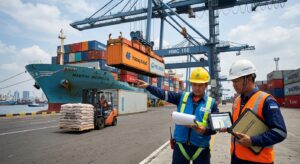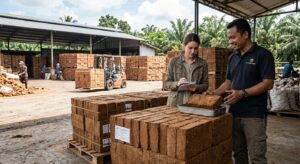


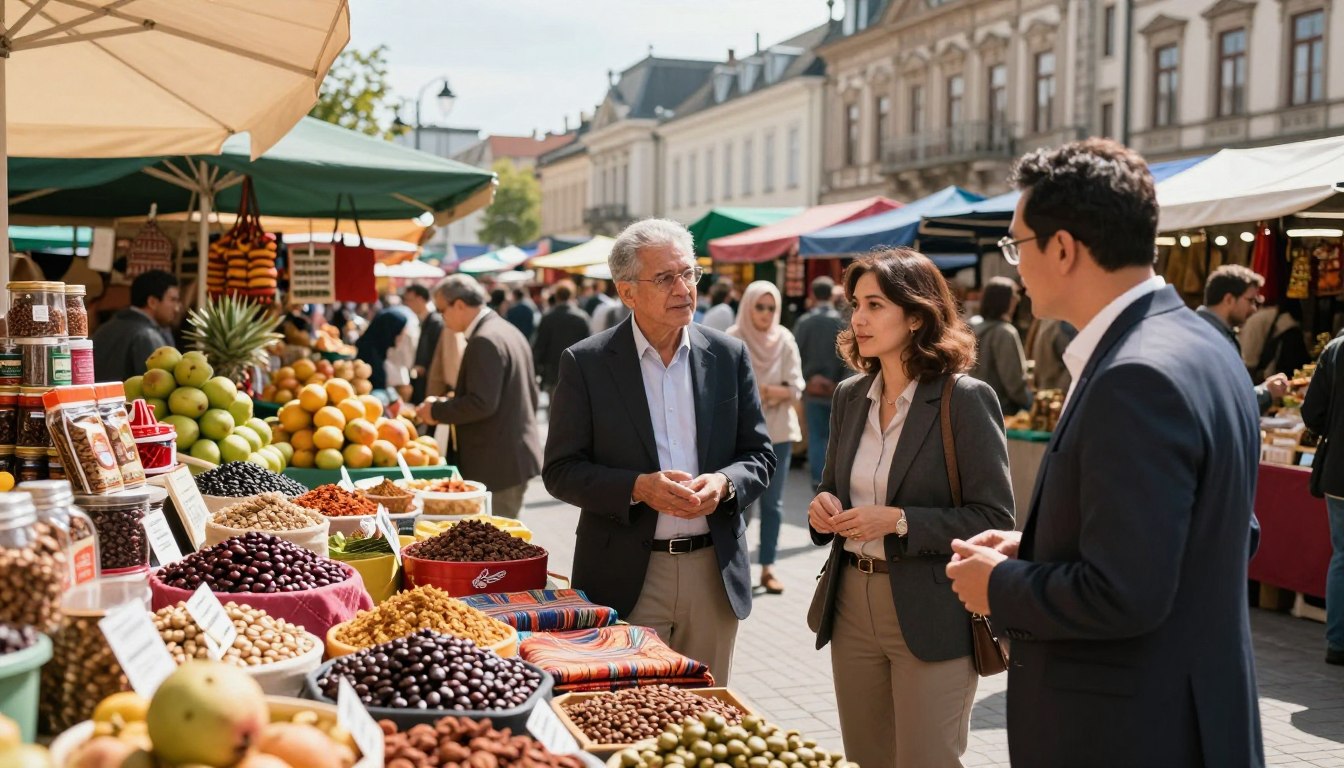
The global trade landscape is shifting rapidly as international partners prioritize ethical sourcing and environmental responsibility. Currently, the European market demand for Indonesian commodities is reaching new heights, driven by a collective push toward greener supply chains.
Sustainability has become the primary catalyst for these changing trade dynamics. Businesses across the continent are actively seeking reliable partners who can provide high-quality raw materials while adhering to strict ecological standards.
Indonesia remains a critical partner for industries looking to secure their future. By investing in transparent and sustainable production methods, the nation is perfectly positioned to meet the evolving needs of its international buyers. This partnership represents a significant opportunity for growth and long-term economic stability on both sides of the globe.
Key Takeaways
- Sustainability is the main driver behind current trade growth.
- European industries are prioritizing ethical and green supply chains.
- Indonesia is emerging as a vital source for high-quality raw materials.
- Transparent production practices are essential for maintaining strong trade ties.
- The evolving partnership offers long-term economic benefits for both regions.
The Current Landscape of European Trade with Indonesia
Exploring the roots of European trade with Indonesia reveals a fascinating story of global commerce. This relationship has transitioned from early maritime spice routes into a sophisticated modern partnership. Today, both regions rely on each other to maintain stable supply chains and economic growth.
Historical Context of Bilateral Trade
The connection between these two regions dates back centuries, primarily driven by the high demand for exotic spices. Over time, this interaction evolved from simple merchant exchanges into complex diplomatic and economic agreements. Historical ties have laid the groundwork for the robust cooperation we observe in the present day.
“International trade is the lifeblood of global prosperity, bridging cultures and economies through the exchange of essential goods and innovation.”
Current Trade Volume and Economic Significance
In the modern era, the volume of European imports of Indonesian products has reached impressive levels. Indonesia serves as a vital supplier for various sectors, ranging from agriculture to industrial raw materials. For instance, the European Union currently accounts for 13% of Indonesia’s total palm oil exports, highlighting the deep integration of these markets.
The following table illustrates the economic weight of key commodities in this ongoing partnership:
| Commodity Category | Market Importance | Growth Potential |
|---|---|---|
| Palm Oil | High (13% Export Share) | Stable |
| Coffee & Cocoa | Premium Demand | High |
| Critical Minerals | Strategic Value | Very High |
This data underscores why European trade with Indonesia remains a priority for policymakers and business leaders alike. As both sides navigate new regulatory landscapes, the focus shifts toward maintaining these essential economic links. Strengthening this bond ensures that both regions continue to benefit from shared market access and industrial development.
European market demand for Indonesian commodities: Key Drivers
Global supply chain strategies are evolving, placing a spotlight on the growing European market demand for Indonesian commodities. Businesses across the continent are re-evaluating their procurement strategies to ensure long-term stability in an unpredictable global economy.
Diversification of Supply Chains
Many European firms are actively seeking to reduce their reliance on single-source regions. This shift has significantly boosted the European demand for Indonesian exports as companies look for reliable, high-quality alternatives.
By spreading their sourcing across different geographies, these organizations mitigate risks associated with logistical bottlenecks. Strategic partnerships with Indonesian producers have become a cornerstone of this new, resilient approach to international trade.
Rising Demand for Sustainable Raw Materials
The modern consumer in Europe is increasingly conscious of the environmental footprint left by their purchases. Consequently, the European market demand for Indonesian commodities is now heavily influenced by strict sustainability requirements.
“Sustainability is no longer a luxury; it is the fundamental requirement for any business looking to maintain a competitive edge in the global marketplace.”
This pressure is compelling Indonesian producers to adopt greener methods, such as regenerative farming and reduced chemical usage. These changes ensure that products meet the rigorous environmental standards expected by European buyers.
Technological Advancements in Indonesian Production
To keep pace with international expectations, local industries are investing heavily in modern infrastructure. These technological upgrades allow for better quality control and higher efficiency, which directly supports the European demand for Indonesian exports.
Advanced processing facilities now enable producers to meet the high standards required for premium goods. Innovation remains the key driver that bridges the gap between Indonesian production capabilities and the sophisticated needs of the European market.
Top Indonesian Commodities Capturing European Interest
European markets are witnessing a surge in interest for high-quality goods sourced directly from Indonesian producers. This shift reflects a broader trend where businesses seek reliable, high-quality raw materials to maintain their competitive edge. As detailed in the EU Trade and Investment with Indonesia 2023, these Indonesian products in European markets are becoming essential components of modern industrial and consumer supply chains.
Palm Oil and Derivatives in the European Market
Palm oil remains a cornerstone of this trade relationship, serving as a versatile ingredient for food, cosmetics, and biofuels. European buyers are increasingly prioritizing sustainability to meet strict environmental goals. Research indicates that deforestation rates on RSPO-certified oil palm plantations are significantly reduced compared with non-certified plantations, making them the preferred choice for responsible importers.
“Sustainability is no longer an optional feature for global trade; it is the fundamental requirement for long-term market access in Europe.”
Coffee, Cocoa, and Spices: Premium Agricultural Exports
Beyond industrial oils, the European demand for Indonesian exports has spiked for premium agricultural goods. Indonesia’s unique volcanic soil and climate produce distinct flavor profiles in coffee and cocoa that are highly sought after by European artisans. These products are often marketed as specialty items, commanding higher prices due to their superior quality and ethical sourcing practices.
The following table highlights the primary sectors currently driving trade volume between the two regions:
| Commodity Category | Primary European Use | Market Trend |
|---|---|---|
| Palm Oil | Food & Biofuels | High Sustainability Focus |
| Specialty Coffee | Retail & Hospitality | Premiumization |
| Nickel Ore | EV Battery Production | Rapid Growth |
Nickel and Critical Minerals for the Green Transition
The global shift toward renewable energy has placed a spotlight on Indonesia’s vast mineral reserves. Nickel, in particular, is a critical component for the production of electric vehicle batteries, which are central to the European green transition. This rising European demand for Indonesian exports underscores the strategic importance of the archipelago in the global energy landscape.
By investing in downstream processing, Indonesia is transforming from a raw material supplier into a high-value partner. This evolution ensures that Indonesian products in European markets remain relevant as industries move toward a more sustainable and electrified future.
Regulatory Frameworks and Sustainability Standards
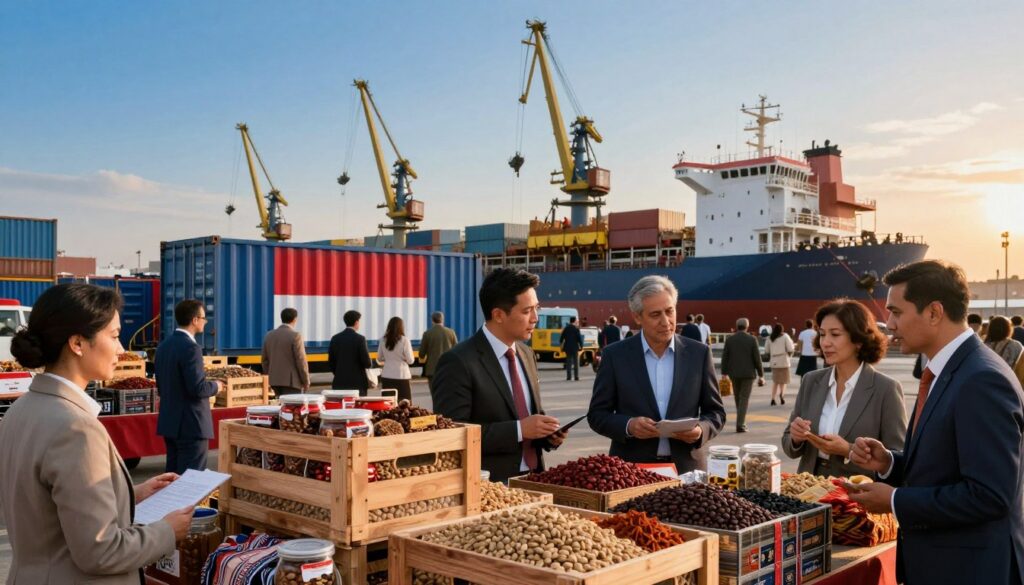
Navigating the complex regulatory landscape is a vital step for any business involved in European imports of Indonesian products. As trade policies evolve, staying informed about environmental and safety mandates becomes the cornerstone of a successful export strategy. Producers who prioritize transparency often find themselves better positioned to meet the high expectations of European buyers.
The Impact of the European Union Deforestation Regulation
The European Union Deforestation Regulation (EUDR) represents a significant shift in how goods enter the market. This framework requires companies to prove that their products do not contribute to forest degradation. It is a bold step toward a greener future, but it also demands rigorous data collection and supply chain mapping from exporters.
For many, this means adopting advanced tracking technologies to verify the origin of raw materials. By ensuring that every step of the production process is documented, Indonesian firms can demonstrate their commitment to environmental stewardship. This level of accountability is no longer optional; it is a fundamental requirement for continued market access.
Compliance Challenges for Indonesian Smallholders
Smallholders often face the steepest climb when adapting to these new standards. While large corporations may have dedicated legal teams, individual farmers frequently struggle with the administrative burden of compliance. Furthermore, the industry has already faced pressure, such as the European Parliament’s vote to phase out incentives for palm oil in renewable energy by 2021.
To overcome these hurdles, smallholders need support in several key areas:
- Financial assistance to cover the costs of mapping and documentation.
- Technical training to improve agricultural practices and meet sustainability benchmarks.
- Collective organization to pool resources and simplify the verification process.
Certification Schemes and Market Access
Certification schemes act as a vital bridge for European imports of Indonesian products. These programs provide a standardized way to communicate quality and ethical practices to international consumers. By obtaining recognized certifications, producers can effectively bypass many of the barriers that typically hinder smaller exporters.
Trust is the currency of modern trade, and certifications provide the necessary proof of integrity. Whether it is organic, fair trade, or sustainability-focused, these labels serve as a gateway to premium market segments. Investing in these standards is a smart move for any exporter looking to build a lasting presence in the European trade bloc.
Shifts in European Consumer Preferences for Indonesian Goods
Modern European buyers now prioritize values as much as product quality when choosing Indonesian products in European markets. This evolution in shopping habits forces exporters to rethink their traditional strategies. Transparency and accountability have become the new gold standard for success.
The Rise of Ethical and Fair Trade Consumption
Consumers across Europe are increasingly demanding proof that their purchases support fair wages and safe working conditions. They want to know the story behind the items they buy. This trend is pushing brands to adopt rigorous ethical standards to maintain their competitive edge.
Fair trade certification is no longer just a niche label; it is a core expectation for many shoppers. By aligning with these values, companies can build deeper trust with their audience. This shift is fundamentally changing the landscape of European consumer preferences for Indonesian goods.
Demand for Organic and Sustainably Sourced Products
Sustainability has moved from a marketing buzzword to a primary driver of purchasing decisions. Shoppers are actively seeking products that minimize environmental harm. Major corporations have already recognized this necessity to stay relevant in the global market.
For instance, back in 2016, Unilever took a massive step by purchasing 10% of the world’s total certified sustainable palm oil. This move demonstrated that large-scale corporate responsibility is essential to meet modern demand. Today, smaller exporters are following this lead to ensure their goods remain attractive to eco-conscious buyers.
Digitalization and Direct-to-Consumer Trends
Digital platforms are bridging the gap between remote producers and European households. E-commerce allows Indonesian brands to bypass traditional middlemen and share their unique stories directly with the end user. This direct-to-consumer model fosters a more personal connection between the buyer and the origin of the product.
Social media and digital marketplaces provide the tools needed to showcase quality and sustainability efforts in real-time. As technology continues to advance, the ability to engage directly with international customers will become a vital asset. This digital transformation is creating new pathways for Indonesian products in European markets to thrive.
Strategic Opportunities for Indonesian Exporters
Indonesian exporters are currently standing at a unique crossroads to expand their reach into the European market. By focusing on smart growth strategies, businesses can better navigate the evolving landscape of international trade. Identifying European market opportunities for Indonesian commodities is the first step toward building a sustainable and profitable export model.
Leveraging the Indonesia-EU Comprehensive Economic Partnership Agreement
The Indonesia-EU Comprehensive Economic Partnership Agreement (CEPA) serves as a vital tool for local businesses. This framework aims to reduce trade barriers and simplify customs procedures for both parties. Exporters who align their operations with these new standards will likely gain a significant competitive edge in the region.
- Reduced tariffs on key agricultural and mineral exports.
- Improved legal certainty for long-term investment projects.
- Enhanced cooperation on technical standards and safety regulations.
Value-Added Processing and Downstream Industry Growth
Moving beyond the export of raw materials is essential for long-term economic success. By investing in local processing facilities, Indonesian companies can capture more value within their own borders. This shift toward downstream industry growth ensures that products are ready for immediate use by European manufacturers.
Processing goods locally also helps in meeting strict quality requirements. When companies control the production chain, they can ensure that their output meets the high expectations of international buyers. This strategy not only increases profit margins but also creates more jobs within the domestic economy.
Building Brand Identity in European Markets
Establishing a recognizable brand is crucial for standing out in a crowded marketplace. Companies should focus on storytelling that highlights the origin and quality of their products. Understanding European consumer preferences for Indonesian goods allows brands to tailor their marketing messages effectively.
Successful branding often involves emphasizing sustainability and ethical production practices. European buyers are increasingly looking for transparency and social responsibility in the products they purchase. By highlighting these values, Indonesian exporters can build lasting trust and loyalty with their target audience.
Challenges in Meeting European Import Trends
While the potential for growth is immense, Indonesian exporters face a complex landscape when navigating European import trends from Indonesia. Success in these markets requires more than just high-quality goods; it demands a deep understanding of the operational hurdles involved in international trade.
Logistical Hurdles and Supply Chain Resilience
Global trade remains unpredictable, often testing the limits of supply chain resilience. Indonesian producers must manage long transit times and rising shipping costs to ensure their products reach European shelves on time.
Building a robust logistics network is essential for maintaining consistency. Without reliable infrastructure, even the most promising European market opportunities for Indonesian commodities can be lost to delays or inventory shortages.
Navigating Complex European Quality Standards
The European Union maintains some of the strictest quality and safety standards in the world. These requirements often vary significantly by product category, forcing exporters to invest heavily in testing and certification.
Compliance is not merely a suggestion; it is a mandatory gateway for market entry. Exporters must stay updated on evolving regulations to avoid costly rejections at the border.
Balancing Domestic Needs with Export Ambitions
Indonesia faces the delicate task of satisfying local demand while pursuing aggressive international growth. For instance, the country aims to boost palm oil exports to Russia by 4-5% annually to diversify its reach, which requires careful management of domestic supply levels.
This balancing act ensures that European market opportunities for Indonesian commodities do not compromise the availability of essential goods at home. Strategic planning remains the key to achieving these dual objectives without causing local price volatility.
| Challenge Type | Primary Obstacle | Strategic Mitigation |
|---|---|---|
| Logistics | Supply chain instability | Diversified shipping routes |
| Regulatory | Strict EU standards | Advanced certification programs |
| Economic | Domestic supply pressure | Market diversification strategies |
Future Outlook for European Economic Relations with Indonesia
The economic landscape between these two regions is entering a transformative phase. As global markets shift, the European economic relations with Indonesia are becoming increasingly centered on shared innovation and mutual growth.
Investment Trends and Joint Ventures
We are witnessing a surge in collaborative efforts between European and Indonesian enterprises. These partnerships often focus on high-growth sectors that require both local expertise and international capital.
- Increased capital flow into manufacturing hubs.
- Collaborative research and development initiatives.
- Shared risk models for large-scale infrastructure projects.
Strategic joint ventures are proving to be the most effective way to navigate complex market entry requirements. By combining European technological prowess with Indonesia’s vast resource base, firms are creating resilient supply chains that benefit both parties.
The Role of Renewable Energy in Future Trade
Renewable energy is rapidly becoming the cornerstone of modern trade agreements. As both regions commit to carbon neutrality, the demand for green technology and sustainable energy solutions is skyrocketing.
“The transition to a green economy is not just a policy goal; it is the new engine of international commerce and cooperation.”
European firms are actively investing in Indonesia’s solar, wind, and geothermal potential. This shift ensures that European trade with Indonesia remains relevant in an era defined by environmental responsibility and climate action.
Long-term Projections for Bilateral Cooperation
Looking ahead, the roadmap for this partnership emphasizes stability and sustainability. Experts suggest that long-term success will depend on the ability of both regions to align their regulatory frameworks.
By fostering deeper cooperation, both sides can mitigate risks associated with global market volatility. This mutually beneficial partnership will likely serve as a model for future international trade relations, proving that economic prosperity and environmental stewardship can go hand in hand.
Conclusion
The path forward for international commerce relies on how well producers adapt to shifting global standards. European import trends from Indonesia show a clear move toward high-quality, ethical, and sustainable goods. Businesses that prioritize transparency and environmental stewardship will find success in this evolving landscape.
Strengthening European economic relations with Indonesia requires a shared vision for long-term growth. Both regions benefit when supply chains remain resilient and transparent. Companies like Unilever and Nestlé already look for partners who meet these rigorous expectations for responsible sourcing.
Smallholders and large exporters alike hold the power to shape the future of this partnership. By investing in modern processing technology, Indonesian firms can capture more value while meeting strict market requirements. This proactive approach ensures that trade remains a catalyst for positive change.
Engagement between these two markets will continue to grow as consumer awareness rises. Stakeholders should keep monitoring these shifts to remain competitive. A commitment to quality and ethical practices serves as the foundation for lasting success in the global marketplace.