

Expanding your business reach across international borders is an exciting milestone. If you are looking to export comodity from indonesian to europe, you might feel overwhelmed by the complex regulations and logistics involved. However, with the right roadmap, this process becomes much more manageable and rewarding.
Our guide provides a friendly and comprehensive approach to help your products reach their destination efficiently. We break down the essential steps required to navigate global trade, ensuring you build a sustainable and profitable relationship with your partners. By following these professional insights, you can simplify your operations and focus on growing your brand in new markets.
Key Takeaways
- Understand the core regulatory requirements for international shipping.
- Learn how to streamline your logistics for faster delivery times.
- Discover strategies to build long-term trust with overseas partners.
- Identify the most efficient routes for your specific goods.
- Gain confidence in managing cross-border trade documentation.
Understanding the Potential of Indonesian Commodities in European Markets
European consumers are increasingly looking toward Indonesia for high-quality, sustainable natural products. This shift in preference creates a unique window of opportunity for businesses ready to export commodity from Indonesia to Europe. With EU goods imports from Indonesia reaching €17.5 billion in 2024, the economic landscape is clearly ripe for growth.
Key Commodities in High Demand
The European market shows a strong and growing appetite for specific Indonesian natural ingredients. Currently, the food, pharmaceutical, and cosmetic sectors are leading the charge in import volume. Buyers are particularly interested in endemic plants that offer unique health and wellness benefits.
Sustainable sourcing has become a non-negotiable requirement for many European retailers. By focusing on eco-friendly production methods, your business can gain a significant competitive edge in this crowded marketplace. Aligning your product offerings with these specific sector needs is vital for long-term success.
Analyzing Current Trade Trends
The overall Indonesia-Europe commodity trade is evolving rapidly as supply chains become more transparent. Modern buyers prioritize traceability, meaning they want to know exactly where their raw materials originate. Companies that provide clear documentation regarding their ethical harvesting practices often see higher demand.
Digital transformation is also playing a major role in how trade is conducted today. Many exporters are now using online platforms to connect directly with European distributors, bypassing traditional middlemen. Staying informed about these shifts in the Indonesia-Europe commodity trade will help you position your brand effectively for years to come.
Navigating Regulatory Requirements and Trade Agreements
Mastering the rules of trade is the first step toward building a sustainable business connection between Indonesia and Europe. Success in the global marketplace depends on your ability to navigate strict legal frameworks and trade agreements with confidence.
When you focus on the Indonesian commodity export to Europe, you must prioritize transparency and legal alignment. Understanding these requirements early on helps you avoid costly delays at the border.
Compliance with European Union Standards
The European Union maintains some of the world’s most rigorous safety and quality benchmarks. To enter this market, your products must meet specific health, environmental, and technical criteria.
Exporters should conduct thorough research on the specific regulations for their product category. Staying updated on these standards ensures that your goods move smoothly through customs without unnecessary inspections.
Utilizing the Indonesia-EU Comprehensive Economic Partnership Agreement
The upcoming trade agreement marks a turning point for the Indonesia-Europe commodity trade. This deal is designed to foster deeper economic ties by removing barriers that previously hindered growth.
One of the most significant benefits is the commitment to eliminate tariffs on over 98% of tariff lines. This shift will drastically reduce costs for traders, making your products more competitive against other international suppliers.
| Trade Feature | Current Status | Post-Agreement Status |
|---|---|---|
| Tariff Coverage | Variable | Over 98% Elimination |
| Market Access | Restricted | Significantly Expanded |
| Compliance Costs | High | Optimized |
| Trade Efficiency | Moderate | High |
By leveraging these new economic partnerships, you can scale your operations effectively. Strategic planning around these regulatory changes will provide a long-term advantage for your business in the European market.
Essential Documentation for Seamless Exporting
Proper documentation serves as the essential foundation for every successful shipment crossing international borders. When you engage in Indonesian commodity export to Europe, having your administrative files in order is the most critical step to avoid costly delays at customs.
Required Export Licenses and Permits
Before your goods leave the port, you must secure the necessary business permits. Most exporters need a valid Business Identification Number (NIB) which acts as a single identity for all trade activities. Ensuring your company is registered correctly prevents legal hurdles during the clearance process.
Understanding Certificates of Origin
The Certificate of Origin is a vital document that proves where your goods were manufactured. The current framework emphasizes self-certification standards, which significantly simplifies the process for small and medium-sized enterprises. This approach allows businesses to declare the origin of their products directly on commercial invoices.
Health and Phytosanitary Certificates
If you are shipping agricultural or food products, you must obtain specific health and phytosanitary certificates. These documents verify that your cargo meets the strict safety standards required for Indonesian exports to European markets. Failure to provide these can result in the immediate rejection of your shipment at the border.
| Document Type | Primary Purpose | Issuing Authority |
|---|---|---|
| Export Declaration | Customs clearance | Customs Office |
| Certificate of Origin | Tariff eligibility | Exporter (Self-certified) |
| Phytosanitary Certificate | Safety compliance | Agricultural Agency |
Selecting the Right Logistics and Shipping Partners
When you start exporting goods from Indonesia to Europe, your choice of shipping partner determines your profit margins. The modern trade landscape has become much more accessible thanks to the Customs and Trade Facilitation chapter of the latest agreements. These updates consolidate WTO TFA achievements, which significantly simplifies how companies move goods through international borders.
Selecting the correct transport method is a critical step in your supply chain strategy. You must balance the urgency of your delivery against the total cost of transportation to maintain a healthy bottom line.
Comparing Air Freight versus Sea Freight
Deciding between air and sea transport depends largely on the nature of your cargo and your specific deadlines. While air freight offers unmatched speed, sea freight remains the most cost-effective solution for large-scale shipments.
| Feature | Air Freight | Sea Freight |
|---|---|---|
| Cost | Higher | Lower |
| Speed | Fast (1-3 days) | Slow (30-45 days) |
| Best For | Perishables/Urgent | Bulk Commodities |
| Reliability | High | Moderate |
Choosing Reliable Freight Forwarders
Effective Indonesia-Europe export logistics rely heavily on the expertise of your chosen freight forwarder. These professionals act as your primary allies, managing the complex documentation and regulatory hurdles that come with shipping Indonesian products to Europe.
A reliable partner will provide transparency throughout the entire transit process. Look for companies that offer real-time tracking and have a proven track record of handling European customs requirements. Building a strong relationship with a forwarder ensures that your goods arrive safely and on schedule, allowing you to focus on growing your business.
Packaging and Labeling for International Standards
When you are exporting goods from Indonesia to Europe, the way you pack your items determines their condition upon arrival. High-quality packaging serves as the first line of defense against the rigors of long-distance shipping. By investing in robust materials, you ensure that your products remain in pristine condition from the warehouse to the retail shelf.
Ensuring Product Safety During Transit
The journey from Indonesia to Europe involves multiple handling points and varying climate conditions. To protect your cargo, you must prioritize durability and moisture resistance. Proper cushioning and reinforced containers are essential to prevent damage during sea or air freight.
- Use moisture-absorbent materials to prevent mold or humidity damage.
- Ensure pallets are securely wrapped and labeled for easy identification.
- Verify that your packaging meets international weight and size restrictions.
Taking these precautions helps you avoid the frustration of damaged inventory. Reliable packaging not only protects your investment but also builds trust with your European buyers.
Meeting European Labeling Regulations
Navigating the regulatory landscape is a critical step when transporting commodities from Indonesia to Europe. The European Union maintains strict standards to ensure consumer safety and transparency. Your labels must clearly display necessary information, such as ingredients, origin, and safety warnings, in the required languages.
Fortunately, the trade agreement between Indonesia and the EU simplifies this process significantly. It explicitly prohibits unnecessary fees or requirements for prior approval of your labels. This policy allows you to focus on creating clear, compliant designs without facing bureaucratic hurdles.
By staying informed about these specific requirements, you can avoid costly re-labeling processes at the border. Clear and accurate labeling ensures your products are ready for immediate sale, helping you maintain a smooth and efficient supply chain.
Managing Financial Transactions and Currency Risks
Managing your money effectively is just as important as the physical act of transporting commodities from Indonesia to Europe. With the European Union’s foreign direct investment stock in Indonesia reaching €25.1 billion in 2023, the financial infrastructure between these regions is robust and well-established. Maintaining a clear strategy for your cash flow ensures that your business remains resilient against market shifts.
Secure Payment Methods for International Trade
Choosing the right payment method is the first step in protecting your revenue when shipping Indonesian products to Europe. You should prioritize methods that offer clear legal protections for both the buyer and the seller. Common options include Letters of Credit, which act as a guarantee from a bank, or standard wire transfers for established partners.
It is wise to evaluate the creditworthiness of your international partners before finalizing any deal. Using a trusted banking partner can help you verify the legitimacy of transactions and ensure that funds are released only when specific shipping milestones are met. This approach minimizes the risk of non-payment and builds long-term trust.
| Payment Method | Security Level | Best For | Cost |
|---|---|---|---|
| Letter of Credit | High | New Partnerships | Moderate |
| Bank Transfer | Medium | Regular Buyers | Low |
| Documentary Collection | Medium | Established Trade | Low |
Mitigating Exchange Rate Fluctuations
Currency volatility can quickly erode your profit margins if you are not prepared. Because you are dealing with different currencies, it is essential to monitor the exchange rates between the Indonesian Rupiah and the Euro. Hedging strategies, such as forward contracts, allow you to lock in a specific exchange rate for future transactions.
By fixing your costs in advance, you protect your business from sudden market swings. Many exporters also choose to invoice in a stable currency to simplify their accounting processes. Taking these proactive steps allows you to focus on growing your trade volume without the constant stress of currency instability.
How to Export Comodity from Indonesian to Europe Successfully
Achieving success when you export commodity from Indonesian to Europe requires a blend of careful planning and genuine connection. Indonesia’s high biodiversity and rich natural resources provide a unique value proposition that appeals to European consumers looking for premium, sustainable products. By focusing on quality and reliability, you can position your business as a preferred partner in this competitive international environment.
Step-by-Step Preparation Process
The journey begins with thorough market research to identify specific niches where your products can shine. You must align your operations with strict European standards to ensure smooth entry. Preparation is the foundation of every successful trade venture.
Effective Indonesia-Europe export logistics involve coordinating multiple moving parts, from initial production to final delivery. You should map out every stage of the supply chain to avoid bottlenecks. This proactive approach helps in maintaining the integrity of your goods during transit.
| Preparation Stage | Key Focus Area | Expected Outcome |
|---|---|---|
| Market Analysis | Consumer Trends | Targeted Product Strategy |
| Compliance Check | EU Regulations | Seamless Customs Clearance |
| Logistics Planning | Shipping Routes | Reduced Transit Times |
Building Long-Term Relationships with European Buyers
Success in Indonesian exports to European markets is rarely a one-time event. It relies heavily on the trust you build with your international partners over time. Consistent communication and transparency are vital for maintaining these professional bonds.
European buyers value reliability and ethical sourcing above all else. When you demonstrate a commitment to quality, you secure your place in their supply chain for years to come. Cultivating these relationships transforms simple transactions into lasting partnerships.
Always remain open to feedback and adapt your services to meet evolving market needs. By prioritizing the needs of your buyers, you ensure that your business remains a staple in the landscape of Indonesian exports to European markets. Mastering the nuances of Indonesia-Europe export logistics will further solidify your reputation as a dependable supplier.
Overcoming Common Challenges in Indonesia-Europe Trade
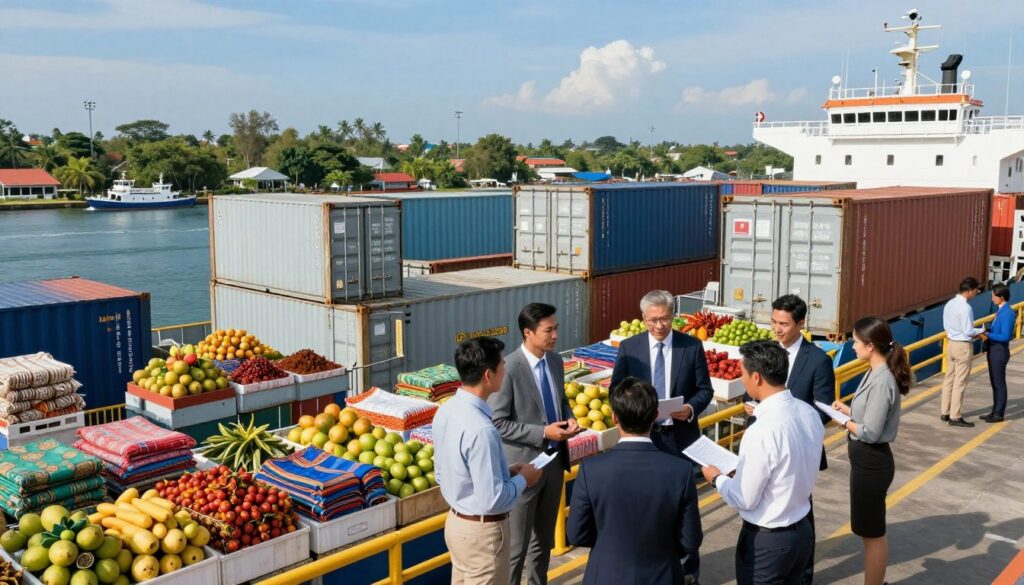
Building a resilient strategy is essential when you export commodity from Indonesia to Europe. While international expansion offers significant growth, you may encounter unexpected obstacles that test your operational readiness. By anticipating these risks, you can maintain a steady flow of goods and protect your business reputation.
Addressing Supply Chain Disruptions
Global logistics can be unpredictable, often leading to delays that impact your delivery timelines. To mitigate these risks, diversifying your shipping routes and maintaining buffer stocks are highly recommended strategies. Working with multiple logistics partners ensures that you have alternatives if one carrier faces a sudden shutdown.
Effective communication with your European buyers is equally vital during these periods. Being transparent about potential delays helps build trust and allows your partners to adjust their own inventory planning accordingly. Proactive management turns a potential crisis into a demonstration of your company’s reliability.
Handling Customs Clearance Hurdles
Customs procedures are a critical phase when trading Indonesian goods with Europe. Errors in documentation often lead to costly delays or even shipment seizures at the border. Familiarizing yourself with the key elements of the EU-Indonesia trade will help you navigate these requirements with confidence.
The Protocol on Mutual Administrative Assistance serves as a powerful tool to fight fraud and ensure that legitimate trade moves efficiently. By adhering to these frameworks, you demonstrate compliance and reduce the likelihood of inspections. Keeping your paperwork precise and up-to-date remains the best defense against clearance issues.
| Challenge Type | Primary Impact | Mitigation Strategy |
|---|---|---|
| Logistics Delays | Increased lead times | Use multi-modal transport |
| Customs Errors | Shipment detention | Verify documentation early |
| Regulatory Changes | Compliance gaps | Monitor trade policy updates |
Conclusion
Entering the international market creates immense potential for your business to grow and thrive. Trading Indonesian goods with Europe offers a unique path to scale your operations while building a reputation for quality and reliability.
Success requires a commitment to excellence and a deep understanding of global standards. By applying the strategies outlined in this guide, you position your company to meet the demands of sophisticated buyers across the continent.
Focus on building strong partnerships and maintaining consistent product quality. These efforts ensure that trading Indonesian goods with Europe remains a profitable and sustainable venture for years to come.
Take the first step today by reviewing your current supply chain and identifying areas for improvement. Your dedication to professional growth will define your success in this competitive landscape. The global market is ready for your products, and the right preparation makes all the difference.