

Introduction to the Indonesia-Europe Free Trade Agreement (IEU-CEPA)
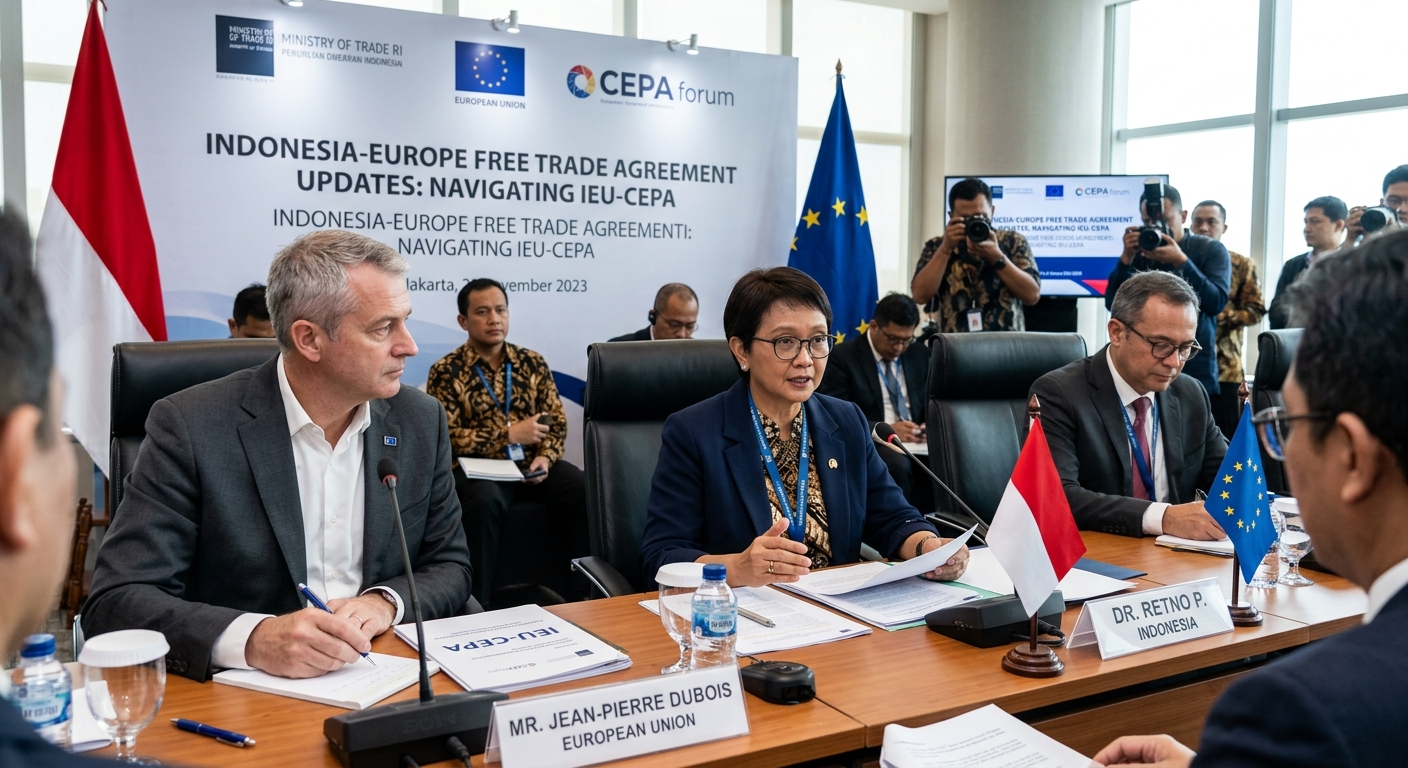
The global trade landscape is constantly evolving, and one of the most significant developments for Southeast Asia and Europe is the ongoing negotiation and implementation of the Indonesia-European Union Comprehensive Economic Partnership Agreement (IEU-CEPA). This ambitious free trade agreement aims to eliminate trade barriers, enhance market access, and foster robust economic ties between the European Union and Indonesia, Southeast Asia’s largest economy. As businesses prepare for these changes, understanding the Indonesia Europe free trade agreement updates is crucial for leveraging new opportunities and mitigating potential risks.
This comprehensive guide delves into the current status of the IEU-CEPA, its core objectives, the anticipated impacts on various industries, and how businesses can prepare for a more integrated economic future.
Current Status and Negotiation Updates
Negotiations for the IEU-CEPA began in 2016 and have progressed through numerous rounds. Both parties have shown a strong commitment to concluding an agreement that is mutually beneficial, addressing not just tariff reductions but also non-tariff barriers, intellectual property rights, sustainable development, and public procurement.
Key Areas of Progress
Recent rounds have seen significant alignment on several critical chapters. Trade in goods remains a primary focus, with both sides working towards the substantial elimination of customs duties. Additionally, discussions on services and investment are aimed at creating a more predictable and secure environment for investors from both regions. To fully grasp the financial implications, it is highly recommended to read Understanding IEU CEPA Trade Agreement Tariffs: A Comprehensive Guide, which provides detailed insights into the expected tariff structures.
Impact on Indonesian Exports to Europe
For Indonesia, the European Union represents a massive market for its agricultural, industrial, and manufactured goods. The IEU-CEPA is expected to significantly boost Indonesian exports by reducing tariffs that currently hinder competitiveness.
Agricultural and Commodity Exports
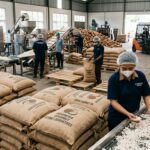
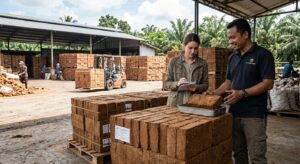
Indonesia is a major exporter of agricultural products such as palm oil, rubber, coffee, and cocoa. While some of these products have faced regulatory hurdles in the EU due to environmental concerns, the CEPA framework aims to establish a dialogue on sustainability while improving market access. Additionally, specialized agricultural by-products are seeing increased demand. For instance, businesses interested in agricultural imports should consider How to Import Cocopeat from Indonesia: A Step-by-Step Guide to understand specific commodity requirements.
Manufacturing and Textiles
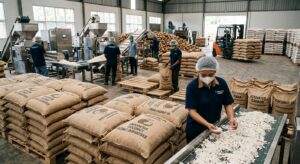
The textile and apparel industry in Indonesia stands to gain considerably from zero-tariff access to the EU market. This would allow Indonesian manufacturers to compete more effectively with neighboring countries that already enjoy preferential access.
Impact on European Exports to Indonesia
Conversely, European exporters will find it easier to enter the Indonesian market, a growing middle-class economy with increasing demand for high-quality goods, machinery, and technology.
Machinery and Transport Equipment
European machinery, chemicals, and transport equipment are highly sought after in Indonesia to support its ongoing infrastructure development and industrial modernization. The reduction of import duties will make these vital products more affordable for Indonesian businesses.
Services and Investment
The agreement is not limited to physical goods. European service providers in sectors such as finance, telecommunications, and maritime transport are expected to receive improved market access, fostering a more competitive services sector within Indonesia.
Navigating Customs and Trade Facilitation
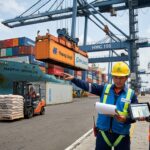
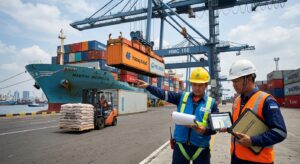
A major component of any comprehensive trade agreement is trade facilitation—simplifying and harmonizing customs procedures to reduce the time and cost of cross-border trade. The IEU-CEPA includes provisions designed to streamline these processes. However, businesses must still be well-versed in current procedures. For practical advice, refer to Navigating the Customs Clearance Process for Indonesian Exports: A Comprehensive Guide, which outlines the necessary steps for smooth international transactions.
Sustainability and Environmental Standards
One of the unique aspects of modern EU trade agreements is the emphasis on sustainable development. The IEU-CEPA will include a dedicated chapter on Trade and Sustainable Development (TSD), ensuring that increased trade does not come at the expense of the environment or labor rights.
- Labor Standards: Commitment to core International Labour Organization (ILO) conventions.
- Environmental Protection: Adherence to multilateral environmental agreements, including climate change initiatives.
- Sustainable Management: Promoting the sustainable management of forests and fisheries.
Comparative Tariff Reduction Expectations
To illustrate the potential impact of the IEU-CEPA, the following table outlines hypothetical expected tariff reductions across key sectors once the agreement is fully implemented.
| Sector / Product Category | Current Average Tariff (Pre-CEPA) | Expected Tariff (Post-CEPA Implementation) |
|---|---|---|
| Indonesian Textiles to EU | 8% – 12% | 0% (Phased out) |
| Indonesian Footwear to EU | 5% – 17% | 0% (Phased out) |
| EU Machinery to Indonesia | 5% – 15% | 0% |
| EU Automotive Parts to Indonesia | 10% – 20% | 0% – 5% |
Conclusion
The Indonesia-Europe Free Trade Agreement (IEU-CEPA) represents a monumental shift in the economic relationship between these two massive markets. By dismantling tariff and non-tariff barriers, the agreement will unlock unprecedented opportunities for trade and investment. While negotiations are complex and involve balancing economic interests with sustainability goals, the successful conclusion of the CEPA will undoubtedly foster deeper integration. Businesses must stay informed about the latest updates, prepare their supply chains, and understand the new regulatory landscapes to capitalize on the benefits of this landmark agreement.
Frequently Asked Questions (FAQ)
What is the IEU-CEPA?
The IEU-CEPA stands for the Indonesia-European Union Comprehensive Economic Partnership Agreement. It is a proposed free trade agreement designed to increase trade and investment between the EU and Indonesia by eliminating tariffs and addressing non-tariff barriers.
When is the IEU-CEPA expected to be finalized?
Negotiations are ongoing, and while significant progress has been made across multiple chapters, an exact finalization date has not been officially set. Both parties continue to work towards a timely and comprehensive resolution.
How will the agreement affect environmental standards?
The IEU-CEPA includes a Trade and Sustainable Development (TSD) chapter that legally binds both parties to uphold international labor and environmental standards, ensuring that trade growth supports sustainable practices, particularly concerning deforestation and climate change.
Will small and medium-sized enterprises (SMEs) benefit from the agreement?
Yes, SMEs are expected to benefit significantly. The agreement aims to simplify customs procedures and reduce compliance costs, making it easier and more cost-effective for smaller businesses to engage in international trade between Indonesia and Europe.