

Introduction to Importing Cocopeat from Indonesia
As the global agriculture and horticulture sectors increasingly pivot toward sustainable and eco-friendly practices, cocopeat has emerged as a highly sought-after growing medium. Derived from the fibrous husk of coconuts, cocopeat is an exceptional soil conditioner, moisture retainer, and hydroponic substrate. Indonesia, as the world’s largest producer of coconuts, stands as a premier hub for sourcing high-quality cocopeat.
For international buyers, importing cocopeat from Indonesia offers excellent value, scale, and product quality. However, navigating the international logistics, quality specifications, and customs regulations requires a structured approach. This guide will walk you through the essential steps to successfully import cocopeat from Indonesia.
Understanding Cocopeat Specifications and Quality Control
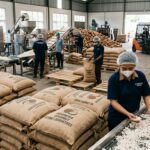
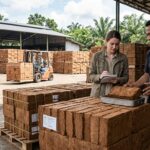
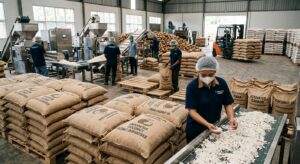
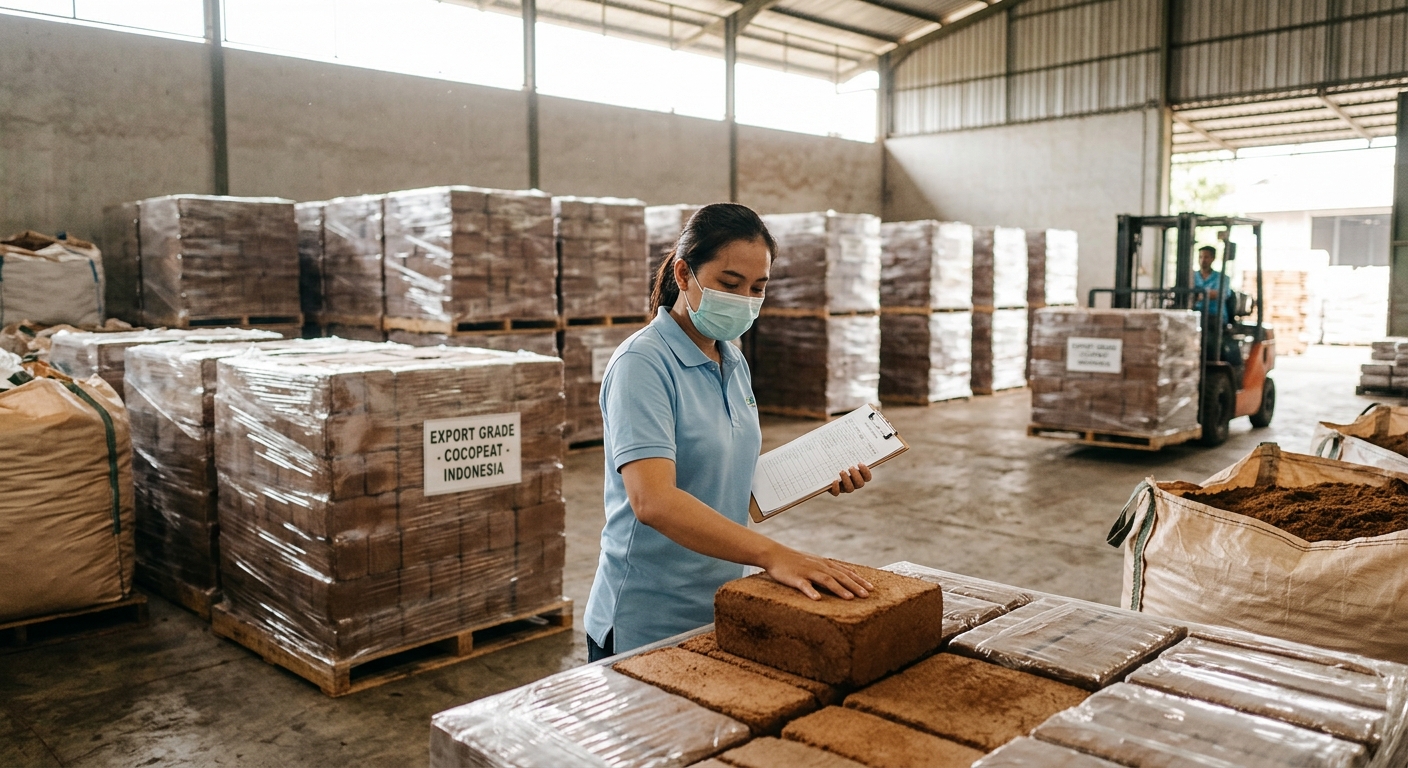
Before initiating any trade agreements, it is crucial to understand the specifications of the cocopeat your specific market requires. Cocopeat is generally processed and shipped in three primary forms: 5kg blocks, 650g briquettes, and loose bags. Understanding your target market’s needs ensures you select the correct type.
Key quality parameters to verify with Indonesian suppliers include:
- Electrical Conductivity (EC): Low EC (usually < 0.5 mS/cm) is preferred for plant cultivation as high salt content can damage root systems. High EC cocopeat is typically used for animal bedding.
- pH Level: The ideal pH range for agricultural cocopeat is between 5.5 and 6.5.
- Moisture Content: Usually kept below 15% to 20% to prevent mold growth during long sea transits.
- Expansion Ratio: High-quality cocopeat should expand to 15 liters of volume per kilogram when water is added.
Step-by-Step Process to Import Cocopeat from Indonesia
Step 1: Sourcing and Verifying Indonesian Suppliers
Finding a reliable supplier is the most critical step in the import process. You can source manufacturers through B2B directories, trade exhibitions, or by visiting processing facilities in major coconut-producing regions like Sumatra, Java, and Sulawesi. Many top-tier suppliers also specialize in other coconut derivatives. For example, if you are looking to expand your inventory with premium energy products, you might partner with a supplier that deals in Coconut Charcoal Briquettes Wholesale Indonesia: The Premium Choice for Shisha and BBQ to maximize your container shipping efficiency.
Step 2: Understanding Export and Import Regulations
The regulatory framework for agricultural products can be strict. In Indonesia, exporters must register with the Ministry of Trade and obtain specific agricultural phytosanitary certificates. It is highly beneficial to familiarize yourself with the regional legal landscape. For instance, understanding the strict administrative processes detailed in the Indonesia Charcoal Briquette Export Regulations: A Complete Guide can provide valuable insights into how the Indonesian government regulates and inspects coconut-based exports.
Step 3: Quality Testing and Sampling
Always request product samples before committing to a Full Container Load (FCL). Have the samples tested by an independent laboratory (such as SGS or Sucofindo) to verify the EC level, pH, and absence of weed seeds or harmful pathogens. These laboratory reports are often required by the destination country’s custom clearance and quarantine offices.
Logistics, Packaging, and Shipping Cocopeat
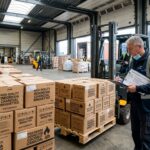
Cocopeat is highly compressed for efficient shipping. Proper packaging is vital to maintain quality during the weeks-long ocean voyage. Standard packaging methods include palletized blocks wrapped in stretch film or bulk-loaded blocks to maximize container volume.
| Product Form | Common Weight | Packaging Type | Recommended Container Load |
|---|---|---|---|
| 5kg Blocks | 5 kg (+/- 200g) | Palletized / Bulk in Container | 20 – 24 Metric Tons per 40ft HC |
| 650g Briquettes | 650 grams | Shrink-wrapped with label | 24 Metric Tons per 40ft HC |
| Cocopeat Plugs | Various | Carton Boxes | Dependent on dimensions |
Conclusion
Importing cocopeat from Indonesia is a lucrative business venture given the soaring global demand for organic growing media. By conducting thorough due diligence on suppliers, ensuring strict quality control on EC levels, and preparing the necessary import permits beforehand, you can establish a highly resilient and profitable supply chain. Partnering with experienced Indonesian exporters will ensure a smooth transaction from the coconut plantations directly to your warehouse.
Frequently Asked Questions (FAQ)
Do I need a phytosanitary certificate to import cocopeat?
Yes, most countries require a Phytosanitary Certificate issued by the Indonesian Agricultural Quarantine Agency (Barantan) to prove that the cocopeat is free from pests, weeds, and harmful soil-borne pathogens.
What is the minimum order quantity (MOQ) typically required by Indonesian suppliers?
Most Indonesian cocopeat manufacturers require a minimum order of one 20-foot container, though a 40-foot High Cube (HC) container is highly recommended to optimize ocean freight costs per metric ton.
How can I verify if the cocopeat has low EC or high EC?
You should request a laboratory analysis report from an independent inspection agency like SGS or Sucofindo. You can also perform a quick test by mixing one part cocopeat with five parts distilled water and measuring it with an EC meter.