

In today’s interconnected global market, finding trustworthy manufacturing partners is a critical step for businesses looking to scale operations, reduce costs, and maintain high-quality standards. Indonesia has rapidly emerged as a powerhouse in the manufacturing sector, offering a strategic location, a skilled workforce, and competitive pricing. However, navigating a new market comes with its unique set of challenges. This article provides a comprehensive guide on how to find reliable Indonesian manufacturers, ensuring your sourcing journey is efficient, secure, and profitable.
Understanding the Indonesian Manufacturing Landscape
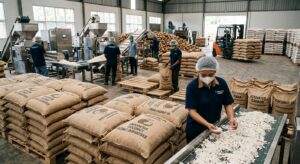
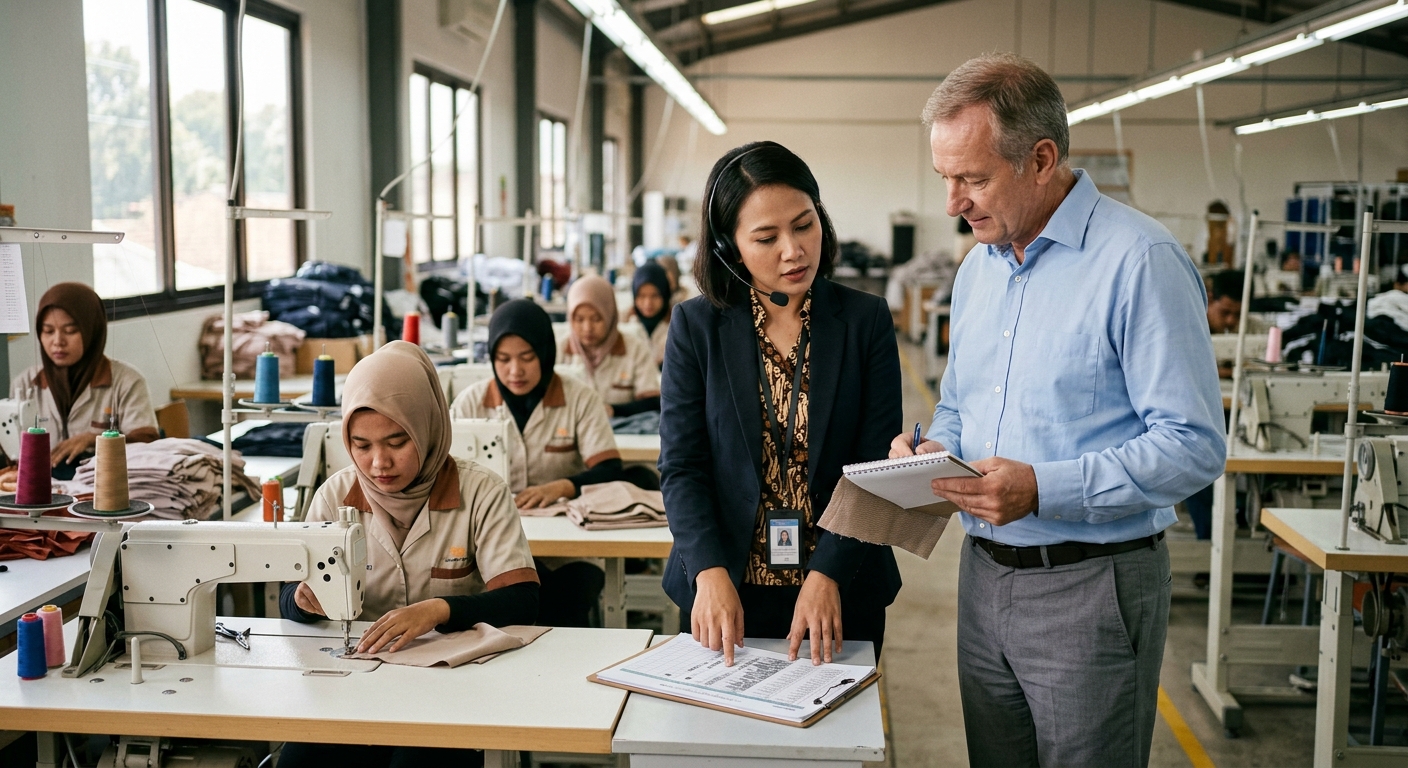
Indonesia is the largest economy in Southeast Asia, with a manufacturing sector that contributes significantly to its GDP. The country is known for producing a wide array of goods, ranging from textiles and footwear to electronics, automotive parts, and agricultural products. To effectively source from Indonesia, it is essential to understand the regional specialties. For instance, West Java is a hub for textiles and garments, while regions like Sumatra and Sulawesi are rich in agricultural commodities.
When dealing with agricultural products, partnering with local experts can make a substantial difference. For an in-depth understanding, you might want to review this Comprehensive Guide to Working with an Indonesia Agricultural Commodity Sourcing Agent. Such resources provide invaluable insights into navigating local markets, ensuring you connect with verified producers who meet international standards.
Strategies for Identifying Potential Manufacturers
Finding the right manufacturer requires a multifaceted approach. Relying on a single method can limit your options and expose you to unnecessary risks. Here are the most effective strategies to identify potential manufacturing partners in Indonesia:
1. Utilize B2B Directories and Platforms
Online B2B platforms are often the first port of call for international buyers. Websites like Alibaba, Global Sources, and TradeKey have extensive directories of Indonesian suppliers. When using these platforms, always filter for verified suppliers and pay attention to their transaction history, response rates, and customer reviews. Keep in mind that while online platforms are convenient, they should be the starting point of your research, not the final decision-making tool.
2. Attend Trade Shows and Exhibitions
Trade shows remain one of the most effective ways to meet manufacturers face-to-face. Events like Trade Expo Indonesia (TEI) attract thousands of exhibitors from various industries across the archipelago. Attending these events allows you to inspect product samples firsthand, negotiate terms directly, and build personal relationships, which are highly valued in Indonesian business culture.
3. Engage with Industry Associations and Government Bodies
Indonesian industry associations can provide lists of accredited manufacturers. Organizations such as the Indonesian Chamber of Commerce and Industry (KADIN) or specific sector associations (e.g., the Indonesian Textile Association) are excellent resources. Additionally, the Ministry of Trade often facilitates connections between foreign buyers and local exporters.
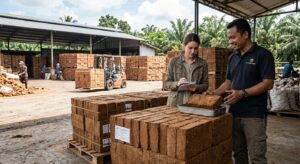
If you are looking for specific agricultural or horticultural products, researching specialized suppliers is crucial. For example, if your business requires growing mediums, checking out The Ultimate Guide to Bulk Cocopeat Block Suppliers in Indonesia can help you identify top-tier vendors in that specific niche.
Vetting and Verifying Manufacturers
Once you have a shortlist of potential manufacturers, the next critical step is vetting. Partnering with an unreliable supplier can lead to poor product quality, delayed shipments, and financial losses.
Conducting Background Checks
- Verify Business Licenses: Ensure the manufacturer has valid legal documentation to operate and export. Request copies of their NIB (Nomor Induk Berusaha) and NPWP (Taxpayer Identification Number).
- Check Certifications: Depending on your industry, look for international certifications such as ISO 9001 (Quality Management), ISO 14001 (Environmental Management), or specific product safety standards.
- Request References: Ask for references from past or current international clients. A reliable manufacturer will be transparent and willing to provide this information.
Factory Audits and Inspections
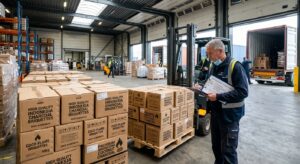
Never commit to a large order without auditing the factory. If you cannot visit Indonesia yourself, hire a reputable third-party inspection agency to conduct the audit. They will assess the factory’s production capacity, quality control processes, working conditions, and social compliance.
Navigating Trade Agreements and Logistics
Understanding the regulatory environment and logistics is just as important as finding the manufacturer. Indonesia is part of several trade agreements that can benefit your business through reduced tariffs and smoother trade flows.
For businesses operating within the European Union, it is vital to stay informed about bilateral agreements. You can gain clarity by Understanding IEU CEPA Trade Agreement Tariffs: A Comprehensive Guide, which explains how to leverage these agreements to optimize your supply chain costs.
Managing Logistics and Customs
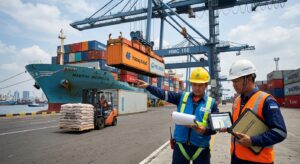
Shipping goods out of Indonesia requires careful planning. You must be familiar with export documentation, shipping methods (air vs. sea freight), and incoterms. Delays at customs can be costly, so ensuring all paperwork is accurate is non-negotiable. To prepare adequately, read about Navigating the Customs Clearance Process for Indonesian Exports: A Comprehensive Guide to avoid common pitfalls.
Building Long-Term Relationships
In Indonesia, business is heavily relationship-driven. Building trust (known locally as “kepercayaan”) is essential for a successful long-term partnership. Take the time to understand Indonesian culture, communicate respectfully, and show commitment to a mutually beneficial relationship. Regular communication, fair negotiation, and prompt payments will establish you as a preferred buyer, often leading to better pricing, priority production scheduling, and collaborative problem-solving.
Comparison of Sourcing Methods
| Sourcing Method | Pros | Cons |
|---|---|---|
| B2B Platforms | Wide selection, easy to use, accessible from anywhere. | High risk of scams, difficult to verify quality upfront. |
| Trade Shows | Face-to-face interaction, physical product inspection. | Requires travel time and budget, limited to event dates. |
| Sourcing Agents | Local expertise, handles negotiation and logistics. | Additional costs (commission/fees), requires finding a trustworthy agent. |
Conclusion
Finding reliable Indonesian manufacturers is a strategic process that requires diligence, research, and cultural awareness. By leveraging B2B platforms, attending trade shows, and utilizing local sourcing agents, you can identify high-quality suppliers. Thorough vetting through background checks and factory audits will mitigate risks, while a solid understanding of logistics and trade agreements will ensure a smooth export process. Ultimately, investing time in building strong, trust-based relationships with your Indonesian partners will yield a resilient and profitable supply chain for years to come.
Frequently Asked Questions (FAQ)
What are the top manufacturing industries in Indonesia?
Indonesia’s top manufacturing sectors include textiles and apparel, automotive and auto parts, electronics, food and beverage processing, and agricultural commodities such as palm oil, rubber, and coconut products.
Do Indonesian manufacturers generally speak English?
While many larger manufacturers and export-oriented companies have English-speaking sales representatives, communication can sometimes be a barrier with smaller or more rural factories. In such cases, working with a local sourcing agent or translator is highly recommended.
How can I protect my intellectual property when manufacturing in Indonesia?
To protect your IP, you should register your trademarks and patents in Indonesia before sharing sensitive information. Additionally, always use well-drafted Non-Disclosure Agreements (NDAs) and manufacturing contracts that are enforceable under Indonesian law. Consulting with a local legal expert is advisable.
What are the standard payment terms with Indonesian suppliers?
Standard payment terms usually involve a deposit of 30% to 50% via Telegraphic Transfer (T/T) before production begins, with the balance paid against the Bill of Lading (B/L) copy. Letters of Credit (L/C) are also common for larger, high-value orders.