


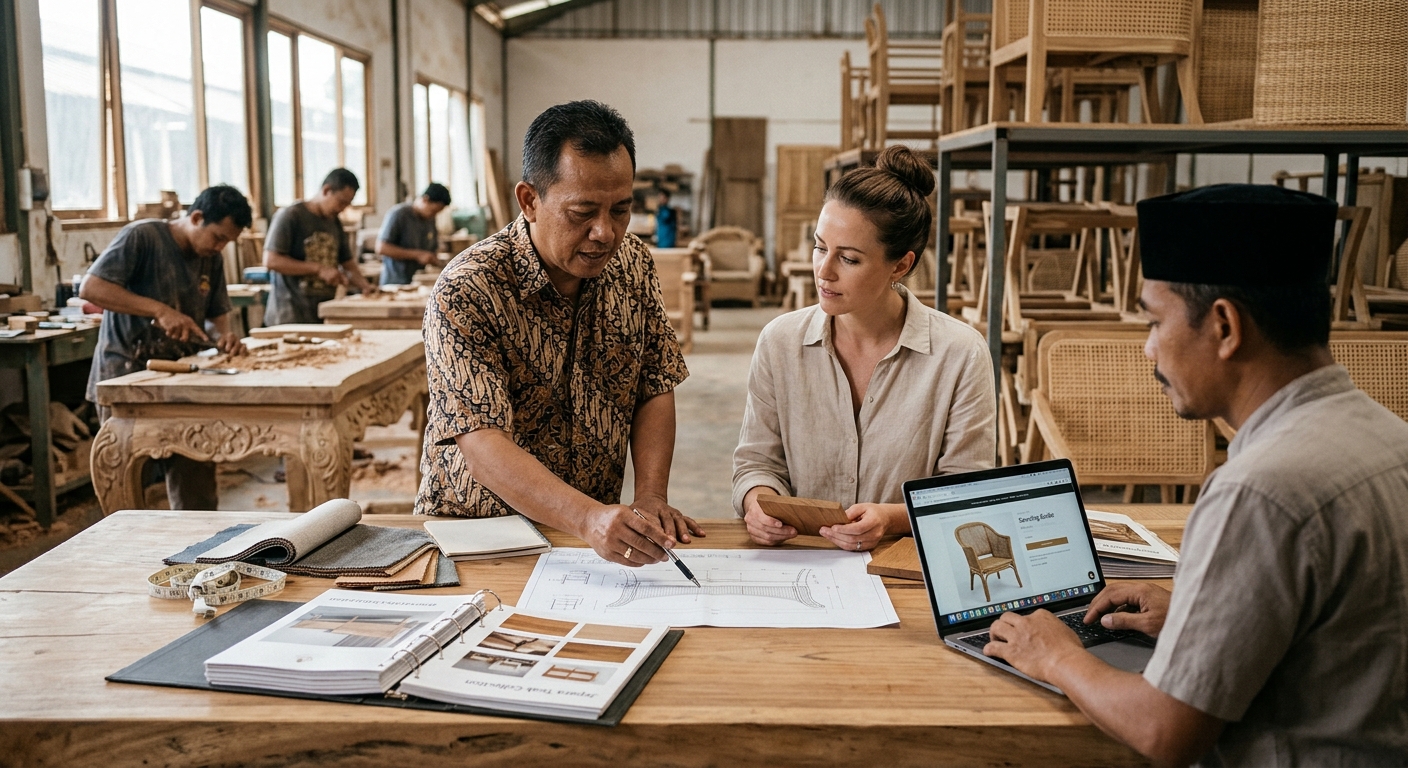
Introduction to Indonesian Furniture Sourcing
Indonesia has long been recognized as a global powerhouse in the furniture manufacturing industry. Renowned for its abundant natural resources like teak, mahogany, and rattan, as well as a rich heritage of artisanal craftsmanship, the country offers exceptional opportunities for international buyers. Whether you are a retail store owner, an interior designer, or an e-commerce entrepreneur, sourcing furniture from Indonesia can significantly enhance your product offerings. This comprehensive guide will walk you through the essential steps, strategies, and considerations required to successfully import Indonesian furniture into your market.
Why Source Furniture from Indonesia?
Before diving into the logistics, it is important to understand why Indonesia remains a top destination for furniture sourcing. The country offers a unique blend of skilled labor, high-quality raw materials, and competitive pricing.
- Quality Materials: Indonesian teak and rattan are world-class, known for their durability and aesthetic appeal.
- Artisanal Skill: Hand-carving and traditional weaving techniques have been passed down through generations.
- Cost-Effectiveness: Favorable exchange rates and lower labor costs make premium furniture highly affordable.
- Sustainability: Indonesia has made significant strides in sustainable forestry, offering SVLK (Sistem Verifikasi Legalitas Kayu) certified wood.
Step 1: Identifying Your Product Niche
Indonesia produces a vast array of furniture styles. Jepara is famous for intricate teak carvings and classic indoor furniture, while Cirebon is the hub for rattan and synthetic wicker outdoor pieces. Bali often focuses on bohemian, contemporary, and reclaimed wood designs. Identifying exactly what type of furniture you want to sell will dictate which region of Indonesia you should focus your sourcing efforts on.
Step 2: Finding and Vetting Suppliers
Once you know what you are looking for, the next step is finding the right manufacturer. You can start by attending international trade shows like IFEX (Indonesia International Furniture Expo) in Jakarta. Online B2B directories are also useful, but due diligence is crucial to avoid scams or poor-quality producers. For a broader understanding of supplier verification, reading How to Find Reliable Indonesian Manufacturers: A Comprehensive Guide is highly recommended. This will provide you with a solid framework for background checks and factory audits.
Step 3: Negotiating Prices and Terms
When you have shortlisted potential suppliers, it is time to negotiate. Do not just focus on the lowest price; consider production lead times, payment terms, and minimum order quantities (MOQs). Most Indonesian factories require a 30% to 50% deposit upfront, with the balance paid against the Bill of Lading (B/L). Clearly define your specifications, including wood moisture content, finishing materials, and packaging requirements, in a formal purchase order.
Step 4: Quality Control and Inspections
Quality control (QC) is the most critical phase of international sourcing. Because of Indonesia’s tropical climate, wood must be properly kiln-dried to prevent warping or cracking when shipped to drier climates. It is highly advisable to hire an independent third-party QC inspector to check your goods during production and before container loading. They will verify dimensions, structural integrity, finish quality, and packaging.
Step 5: Logistics, Shipping, and Customs
Shipping large items like furniture requires careful logistical planning. Most furniture is shipped via sea freight in 20-foot, 40-foot, or 40-foot High Cube containers. You will need to work with a reliable freight forwarder to handle export documentation, including the SVLK certificate required for wooden products. Interestingly, the export mechanics share similarities with other commodities. For instance, understanding general export documentation can be simplified by reviewing How to Import Charcoal from Indonesia: A Complete Guide, which outlines the rigorous customs and freight forwarding processes common to Indonesian ports.
Estimated Shipping Capacity Table
| Container Size | Cubic Meters (CBM) | Best Used For |
|---|---|---|
| 20ft Standard | 28-30 CBM | Sample orders, small boutique stock |
| 40ft Standard | 58-60 CBM | Standard wholesale orders |
| 40ft High Cube | 68-70 CBM | Large, bulky furniture (e.g., rattan sofas) |
Step 6: Diversifying Your Imports
Many successful importers maximize their container space by sourcing complementary products. If you are importing outdoor dining sets, you might also look into agricultural or hospitality products to serve the same B2B clients. For example, if you supply restaurants or cafes, A Comprehensive Guide to Bulk Sourcing Coconut Products in Indonesia can offer ideas on expanding your inventory. Similarly, for hospitality businesses offering outdoor lounges, checking out The Ultimate Guide to Premium Shisha Charcoal Suppliers in Indonesia can provide a unique cross-selling opportunity for your commercial clients.
Conclusion
Sourcing furniture from Indonesia can be a highly profitable venture if executed correctly. By understanding regional specialties, rigorously vetting your manufacturers, implementing strict quality control, and managing your logistics effectively, you can build a reliable supply chain. The key to long-term success is building strong, mutually beneficial relationships with your Indonesian partners. Take your time, do your research, and enjoy the incredible craftsmanship that Indonesia has to offer.
Frequently Asked Questions
What is the SVLK certificate, and why do I need it?
The SVLK (Sistem Verifikasi Legalitas Kayu) is Indonesia’s national timber legality assurance system. It proves that the wood used in your furniture was legally harvested. Most countries, including the US, UK, and EU nations, require this documentation for import to combat illegal logging.
How long does it take to manufacture and ship furniture from Indonesia?
Production typically takes 45 to 60 days, depending on the complexity of the order and the factory’s capacity. Sea freight shipping can take an additional 3 to 6 weeks depending on your destination port, meaning you should plan for a total lead time of 3 to 4 months.
What is the typical Minimum Order Quantity (MOQ)?
MOQs vary by manufacturer. Some smaller workshops accept orders for as few as 10 pieces per design, while larger factories may require a minimum of a 20-foot container (mixed items) to make the production run cost-effective.
Is it necessary to visit Indonesia to source furniture?
While not strictly necessary thanks to digital communication and third-party sourcing agents, visiting Indonesia is highly recommended for building relationships, inspecting factory conditions firsthand, and negotiating better terms.