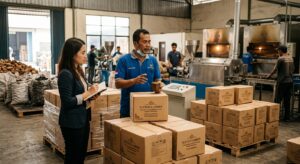



Navigating the global marketplace requires precision and reliable partners. For many US businesses, buying from Indonesian exporters represents a strategic move to secure high-quality goods at competitive price points. However, the complexity of international trade often creates hurdles for those unfamiliar with local logistics.
Understanding the nuances of this vibrant market is essential for long-term success. By mastering how to buy from indonesian suppliers, your company can build a resilient supply chain that supports consistent growth. You can simplify your procurement journey by utilizing a one-stop trading solution designed to manage everything from production readiness to final shipment.
Effective sourcing involves more than just finding a product; it requires clear communication and strict adherence to compliance standards. When you streamline these operations, you avoid common pitfalls and ensure your inventory arrives on time. Establishing a trusted network is the first step toward achieving a sustainable competitive advantage in your industry.
Key Takeaways
- Identify reliable partners to ensure consistent product quality and timely delivery.
- Leverage professional platforms to manage complex documentation and international shipping requirements.
- Focus on building long-term relationships to secure better pricing and priority service.
- Prioritize clear communication regarding product specifications and private-label needs.
- Utilize end-to-end logistics support to mitigate risks associated with overseas procurement.
Understanding the Indonesian Export Landscape
Understanding the Indonesian export landscape is the first step toward building a successful international procurement strategy. As a rapidly growing economy, the nation offers a wealth of opportunities for companies looking to diversify their supply chains beyond traditional markets. By sourcing from indonesian manufacturers, US businesses can access unique goods that combine traditional craftsmanship with modern production standards.
Key Industries and Top Products from Indonesia
Indonesia is globally recognized for its rich natural resources and skilled labor force. The country has established itself as a dominant force in the furniture sector, specifically regarding high-quality solid wood and rattan pieces. These top products from indonesia are highly sought after by US retailers who prioritize durability and aesthetic appeal.
Beyond furniture, the country excels in several other key sectors that cater to international demand:
- Textiles and apparel, known for intricate batik designs.
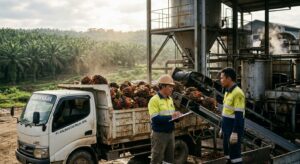
- Agricultural commodities, including coffee, spices, and palm oil.
- Footwear and leather goods produced by highly skilled artisans.
- Automotive components and electronic assembly services.
Economic Benefits of Sourcing from Indonesia
Engaging with the best indonesian exporters provides significant economic advantages for American buyers. Competitive labor costs combined with a strategic geographic location allow for efficient production cycles. Furthermore, many manufacturers are increasingly adopting sustainable practices, which helps US companies meet the growing consumer demand for ethically sourced goods.
When sourcing from indonesian manufacturers, businesses often find that the value-to-cost ratio is superior to many other regional competitors. This efficiency is a primary driver for companies buying from indonesian exporters who want to maintain healthy profit margins without sacrificing product quality. The ability to scale production while maintaining artisanal quality is a hallmark of the local manufacturing sector.
Navigating Cultural Nuances in Business Negotiations
Success in this market relies heavily on building strong, long-term relationships. Business culture in Indonesia is deeply rooted in mutual respect, patience, and indirect communication. Rushing into a contract without establishing a personal connection is often viewed as counterproductive.
“In Indonesia, business is not just about the transaction; it is about the relationship. Trust is the currency that facilitates every successful deal.”
When buying from indonesian exporters, it is essential to approach negotiations with a collaborative mindset. Showing genuine interest in the manufacturer’s history and production methods can foster goodwill. By respecting these cultural nuances, you position your company to work with the best indonesian exporters, ensuring a smoother procurement process and more reliable supply chain outcomes.
Strategies for Finding Reliable Indonesian Suppliers
Finding the right partner is the most important step when you start buying from indonesian exporters. A systematic approach helps you filter out unreliable entities and focus on those capable of meeting your specific quality standards. By using verified channels, you can build a stable supply chain that supports your business growth in the United States.
Utilizing Official Indonesian Exporter Directories
The most effective way to begin sourcing from indonesian manufacturers is by consulting an official indonesian exporter directory. These databases are curated by government agencies and trade associations to ensure that listed companies are legitimate. You can find comprehensive resources at exportnusa.com to streamline your search for verified partners.
These directories often categorize suppliers by industry, making it easier to locate specific items. Using these official tools reduces the risk of encountering fraudulent entities. Always prioritize suppliers that maintain active profiles and updated contact information within these databases.
Leveraging Trade Shows and B2B Platforms
Attending industry-specific events is a powerful way to meet the best indonesian exporters face-to-face. For instance, the Indonesia International Furniture Expo (IFEX) is held annually between late February and early March. This event provides a unique opportunity to inspect craftsmanship firsthand and build personal rapport with factory owners.
In addition to physical trade shows, digital B2B platforms offer a convenient way to browse catalogs. These platforms allow you to compare quotes and communicate directly with manufacturers. Combining digital research with in-person meetings creates a robust strategy for identifying high-quality partners.
Verifying Supplier Credentials and Business Licenses
Before finalizing any deal, you must perform thorough due diligence to ensure you are receiving the top products from indonesia. Request copies of business licenses, tax identification numbers, and export permits to confirm the company is legally authorized to trade internationally. This step is essential for mitigating risks and ensuring long-term operational security.
Check the following table to understand the reliability of different sourcing methods:
| Sourcing Method | Reliability Level | Primary Benefit |
|---|---|---|
| Official Directories | High | Verified government data |
| Trade Shows (e.g., IFEX) | Very High | Face-to-face verification |
| B2B Online Platforms | Medium | Wide variety of options |
| Direct Referrals | High | Trusted industry connections |
Essential Steps for Buying from Indonesian Exporters
Transitioning from research to action requires a structured approach when importing goods from Indonesia. By following a clear, step-by-step process, you can minimize risks and ensure that your supply chain remains efficient and reliable.
Requesting and Evaluating Product Samples
Before committing to a large order, always request physical samples to verify quality. This is a critical step when sourcing from Indonesian manufacturers to ensure the materials meet your specific standards.
For instance, if you are purchasing solid wood furniture, remember that production requires a 6-8 week lead time. This duration includes 14 days dedicated to proper kiln drying, which is essential for preventing warping or cracking in the final product.
Negotiating Pricing and Minimum Order Quantities
Once you have vetted the best Indonesian exporters, it is time to discuss costs and volume. Many suppliers are open to negotiation if you can demonstrate a long-term commitment to their business.
Be prepared to discuss your Minimum Order Quantities (MOQs) early in the conversation. Finding a balance between your budget and the supplier’s production capacity is key to a successful partnership.
Drafting Secure Purchase Agreements
A formal contract is the foundation of any international trade relationship. You should utilize resources like the indonesian exporter directory to find partners who are willing to sign legally binding agreements that protect your interests.
Your purchase agreement should clearly outline payment terms, delivery schedules, and quality specifications. This level of clarity is exactly how to buy from Indonesian suppliers while maintaining full control over your inventory and legal protections.
| Procurement Stage | Primary Objective | Key Consideration |
|---|---|---|
| Sample Evaluation | Quality Assurance | Material Durability |
| Price Negotiation | Cost Optimization | Volume Discounts |
| Contract Drafting | Legal Protection | Binding Terms |
Managing Logistics and Shipping to the United States
Efficient supply chain management is the backbone of successful international trade. When you are importing goods from indonesia, the physical movement of your inventory is just as critical as finding the right manufacturer. A well-planned logistics strategy ensures that your products reach your warehouse in the United States without unnecessary delays or hidden costs.
Choosing Between Sea Freight and Air Freight
The choice between sea and air transport depends largely on your budget and the urgency of your stock. Sea freight is the most cost-effective option for large, bulk shipments, though it typically requires a transit time of 3 to 6 weeks. This method is ideal for businesses that plan their inventory cycles well in advance.
Conversely, air freight offers unmatched speed, with delivery times ranging from 3 to 7 days. While this method is significantly more expensive, it is the best choice for high-value items or urgent restocks. Balancing these two modes is essential for maintaining a healthy cash flow.
Understanding Incoterms for International Shipments
Incoterms are standardized rules that define the responsibilities of both the buyer and the seller during transit. These terms clarify who is responsible for insurance, freight costs, and customs clearance at each stage of the journey. Understanding these agreements prevents costly disputes and ensures that both parties are aligned on their obligations.
Common terms like FOB (Free on Board) or CIF (Cost, Insurance, and Freight) dictate exactly when the risk transfers from the seller to you. Always confirm these terms before finalizing your purchase order to avoid unexpected expenses upon arrival.
Working with Freight Forwarders and Customs Brokers
Navigating global shipping regulations can be overwhelming for new importers. Professional freight forwarders act as your strategic partners, managing the complexities of documentation and carrier selection. They provide the expertise needed to streamline your supply chain effectively.
If you have already utilized an indonesian exporter directory to find your partners, a forwarder can help coordinate the pickup from the factory floor. They also work closely with customs brokers to ensure your goods comply with all US entry requirements. Learning how to buy from indonesian suppliers is only the first step; professional logistics support is what keeps your business moving forward.
Navigating US Import Regulations and Compliance
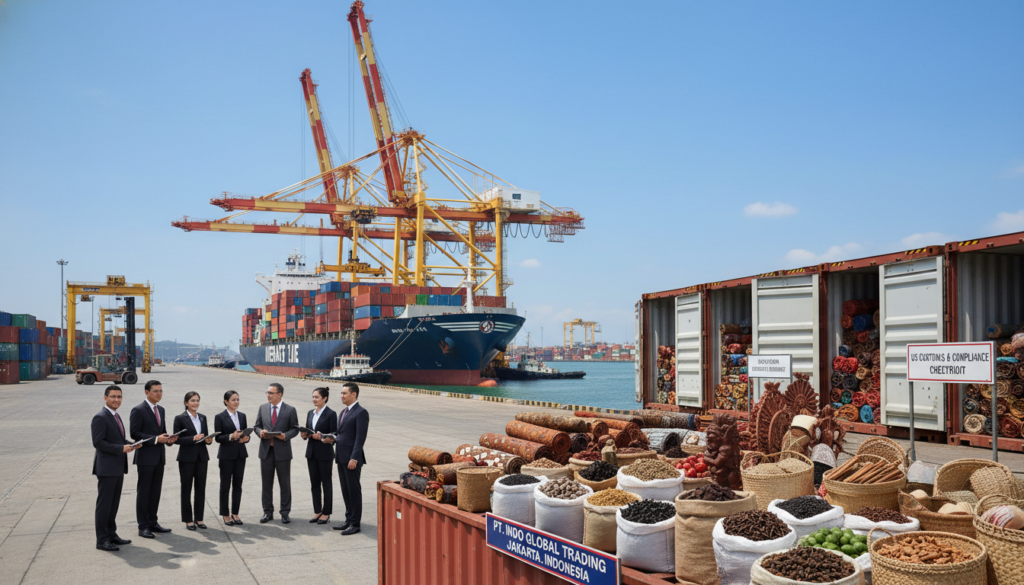
When you start importing goods from indonesia, staying compliant with US customs is your top priority. Federal agencies maintain strict oversight on all international shipments entering American ports to ensure safety and legal standards are met. Proper preparation in this area prevents costly delays and ensures your business operations run smoothly.
Requirements for Customs Clearance and Documentation
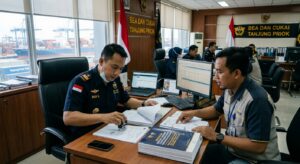
Every shipment requires precise paperwork to clear customs without unnecessary friction. You must provide a detailed commercial invoice, a comprehensive packing list, and a bill of lading for every entry. Accuracy is vital, as any discrepancy in these documents can lead to inspections or the seizure of your cargo.
Working with a licensed customs broker is often the best way to manage these requirements. They help ensure that your documentation aligns with the specific needs of US Customs and Border Protection (CBP). This professional guidance is essential for maintaining a reliable supply chain.
Understanding Tariffs and Duty Rates for Indonesian Goods
Calculating the total cost of your shipment involves understanding the Harmonized Tariff Schedule (HTS) codes. These codes determine the specific duty rates applied to your items. You should research the classification of your top products from indonesia early in the procurement process to avoid unexpected financial burdens.
Tariffs can fluctuate based on trade agreements and current economic policies. By verifying your HTS codes, you can accurately forecast your landed costs. This level of financial planning is a hallmark of successful international trade.
Ensuring Compliance with FDA and CPSC Standards
Certain items, such as food, cosmetics, or children’s toys, must meet strict safety standards set by the FDA or CPSC. If you are sourcing wood-based items, you must verify the source through the SVLK system. This certification ensures that your wood products are harvested legally and sustainably.
Compliance is non-negotiable when dealing with these regulatory bodies. Failure to meet these standards can result in the destruction of your goods at the border. Always confirm that your suppliers follow these rigorous protocols to protect your investment.
| Compliance Area | Key Requirement | Regulatory Body |
|---|---|---|
| General Documentation | Commercial Invoice & Packing List | CBP |
| Wood Products | SVLK Certification | Ministry of Environment |
| Consumer Safety | FDA/CPSC Testing Reports | FDA or CPSC |
| Tariff Classification | HTS Code Verification | US International Trade Commission |
Quality Control and Risk Mitigation
Ensuring product excellence is a critical step when you are purchasing products from indonesian suppliers. Maintaining consistent quality protects your brand reputation and ensures that your customers receive exactly what they expect. By implementing a robust oversight strategy, you can minimize the risks associated with international manufacturing.
Implementing Third-Party Inspection Services
Hiring a professional third-party inspection service provides an objective view of your production line. These experts can verify the quality of raw materials, inspect component cuts, and monitor the final assembly process before shipment. This proactive verification helps catch defects early, saving you from the high costs of returns or damaged inventory.
Establishing Clear Quality Standards and Specifications
Vague expectations often lead to manufacturing errors. When purchasing products from indonesian suppliers, you must provide detailed, written quality specifications. These documents should outline acceptable tolerances, material requirements, and aesthetic standards. Having a clear framework in place ensures that both parties are aligned, which significantly reduces the likelihood of misunderstandings.
Handling Disputes and Returns Effectively
Even with the best planning, disagreements can occasionally occur. Establishing a clear protocol for handling disputes and returns is essential for maintaining a healthy business relationship. Your purchase agreement should clearly define the steps for reporting defects and the process for requesting replacements or refunds. Clear communication and documented evidence are your best tools for resolving issues quickly and fairly, ensuring that your supply chain remains resilient and reliable.
Financial Transactions and Payment Security
When you begin purchasing products from Indonesian suppliers, establishing a secure financial framework is essential for protecting your capital. Navigating international borders requires clear communication regarding how and when funds are transferred. By prioritizing transparency, you can build a foundation of trust that supports long-term business growth.
Common Payment Methods for International Trade
Selecting the right payment method depends on your relationship with the manufacturer and the size of your order. Most businesses rely on a mix of traditional and digital banking solutions to facilitate these transactions.
- Telegraphic Transfers (T/T): A standard wire transfer often used for smaller orders or established partnerships.
- Credit Cards: Useful for initial samples or small-scale procurement, though fees can be higher.
- Escrow Services: These act as a neutral third party to hold funds until the goods are verified.
Mitigating Risks with Letters of Credit
For larger shipments, a Letter of Credit (L/C) serves as a vital financial instrument. It acts as a guarantee from your bank that the seller will receive payment once they provide proof of shipment. This method significantly reduces the risk for both parties, ensuring that the exporter is paid and the buyer receives the correct documentation.
Using an L/C requires careful coordination with your financial institution. You must ensure that all terms, such as quality specifications and delivery dates, are clearly outlined in the agreement. If you need guidance on how to structure these deals, resources at exportnusa.com can provide valuable insights into standard industry practices.
Managing Currency Exchange and Banking Fees
Understanding pricing terms is the final piece of the puzzle when purchasing products from Indonesian suppliers. These terms dictate who covers costs at different stages of the logistics process:
| Term | Buyer Responsibility | Seller Responsibility |
|---|---|---|
| Ex-Factory | All transport and insurance | Goods ready at the factory |
| FOB | Ocean freight and insurance | Loading goods onto the vessel |
| CIF | Import duties and local delivery | Cost, insurance, and freight |
Always account for currency fluctuations and bank transfer fees in your budget. By choosing the right Incoterms, you can minimize unexpected expenses and maintain better control over your landed costs.
Building Long-Term Partnerships with Indonesian Manufacturers
When you focus on purchasing products from indonesian suppliers, the foundation of your business rests on mutual trust and clear expectations. A transactional mindset often limits your potential, whereas a collaborative approach opens doors to innovation and priority service. By investing time in these relationships, you ensure a more stable and reliable supply chain for your US-based operations.
Maintaining Consistent Communication Channels
Effective communication serves as the backbone of any successful international trade relationship. You should establish a regular cadence for updates, whether through email, instant messaging, or scheduled video calls. Consistency helps prevent misunderstandings regarding production timelines and quality specifications.
Utilizing project management tools can further streamline your interactions. When both parties have access to the same data, transparency increases significantly. This proactive stance ensures that any potential issues are addressed before they escalate into costly delays.
Scaling Orders as Your Business Grows
As your market presence expands, your relationship with your manufacturer should evolve accordingly. Scaling your order volume is a powerful way to negotiate better pricing and more favorable payment terms. Loyalty and volume often grant you priority status during peak production seasons.
It is essential to share your growth projections with your partners early on. When manufacturers understand your long-term goals, they can better align their production capacity to meet your future needs. This alignment creates a symbiotic environment where both businesses thrive together.
Fostering Trust Through Regular Site Visits
While digital communication is vital, nothing replaces the value of face-to-face interaction. Visiting your partners in person builds deep rapport and provides a firsthand look at their production processes. This level of engagement is highly recommended when purchasing products from indonesian suppliers to ensure quality standards are met.
These visits allow you to witness the factory environment and meet the team behind your products. Such experiences foster a level of trust that is difficult to achieve through screens alone. Ultimately, these strong connections lead to shared innovations and a distinct competitive edge in the US market.
| Feature | Transactional Sourcing | Partnership-Based Sourcing |
|---|---|---|
| Communication | Reactive/Minimal | Proactive/Consistent |
| Pricing | Fixed/Standard | Volume-Based/Negotiated |
| Quality Control | Third-party only | Collaborative/Integrated |
| Business Outlook | Short-term | Long-term Growth |
Conclusion
Importing goods from Indonesia opens doors to high-quality, handcrafted products and essential raw materials at competitive prices. Success in this market requires a blend of patience, clear communication, and a commitment to building lasting relationships with your manufacturers.
You can simplify your entire supply chain by utilizing a one-stop trading solution. This approach allows you to manage everything from production readiness and payment terms to international shipping within a single, efficient workflow.
Whether you need consistent supplies of Crude Palm Oil, high-retention cocopeat growing media, or specialized briquettes, professional export support ensures your goods meet strict specifications. You gain peace of mind through transparent documentation and reliable quality control at every stage of the journey.
Take the next step by exploring custom export orders for your specific business needs. By leveraging these professional tools, you transform complex international trade into a predictable and profitable part of your company growth. Start your journey toward a more secure and efficient procurement process today.