

Introduction to Importing Charcoal Briquettes to Europe
The European market for charcoal briquettes has seen substantial growth over the past decade. Driven by a culture of outdoor grilling, shisha lounges, and an increasing demand for sustainable fuel sources, importing charcoal briquettes to Europe presents a lucrative opportunity for businesses worldwide. This comprehensive guide will navigate you through the essential steps, regulations, and strategic considerations required to succeed in this dynamic market.
Understanding the European Market Demand
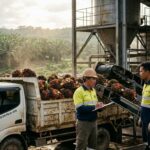
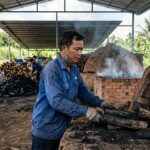
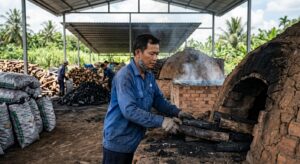
Europe’s demand for high-quality charcoal briquettes is multifaceted. Consumers and businesses alike are looking for products that offer long burning times, low ash content, and minimal smoke. Sustainability is also a critical factor, with a strong preference for eco-friendly products such as coconut shell charcoal. To fully grasp the potential, one must look at prominent sourcing hubs. For instance, you can refer to Coconut Charcoal Briquettes Wholesale Indonesia: A Complete Guide to understand why Southeast Asia remains a top supplier for premium briquettes.
Regulatory Framework and Compliance
REACH Regulations
When importing any chemical substance into the European Union, compliance with the REACH (Registration, Evaluation, Authorisation and Restriction of Chemicals) regulation is mandatory. Charcoal is considered a substance under REACH. Importers bringing in more than one tonne per year must ensure their products are registered. It is crucial to work with suppliers who can provide the necessary documentation and safety data sheets.
FSC Certification and Sustainability
The European consumer is highly environmentally conscious. The Forest Stewardship Council (FSC) certification is often required by large retailers to prove that the wood or raw materials used in the briquettes come from responsibly managed forests. For coconut charcoal, ensuring that the shells are sourced as a byproduct of the copra industry adds significant value to your product’s sustainability profile.
Sourcing High-Quality Charcoal Briquettes
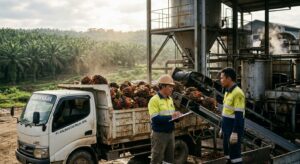
Finding the right supplier is the cornerstone of a successful import business. Indonesia is one of the world’s leading exporters of charcoal briquettes, particularly those made from coconut shells. Understanding the export mechanisms of these countries is vital. For a deep dive into how products leave the country, read The Complete Guide to the Indonesia Charcoal Briquette Export Process. This knowledge will help you anticipate lead times and logistical requirements.
Furthermore, utilizing modern digital tools can streamline your sourcing process. By Navigating Indonesian B2B Export Platform Commodities: A Comprehensive Guide, importers can easily connect with verified manufacturers, negotiate terms, and secure consistent supply chains.
Logistics, Shipping, and Handling
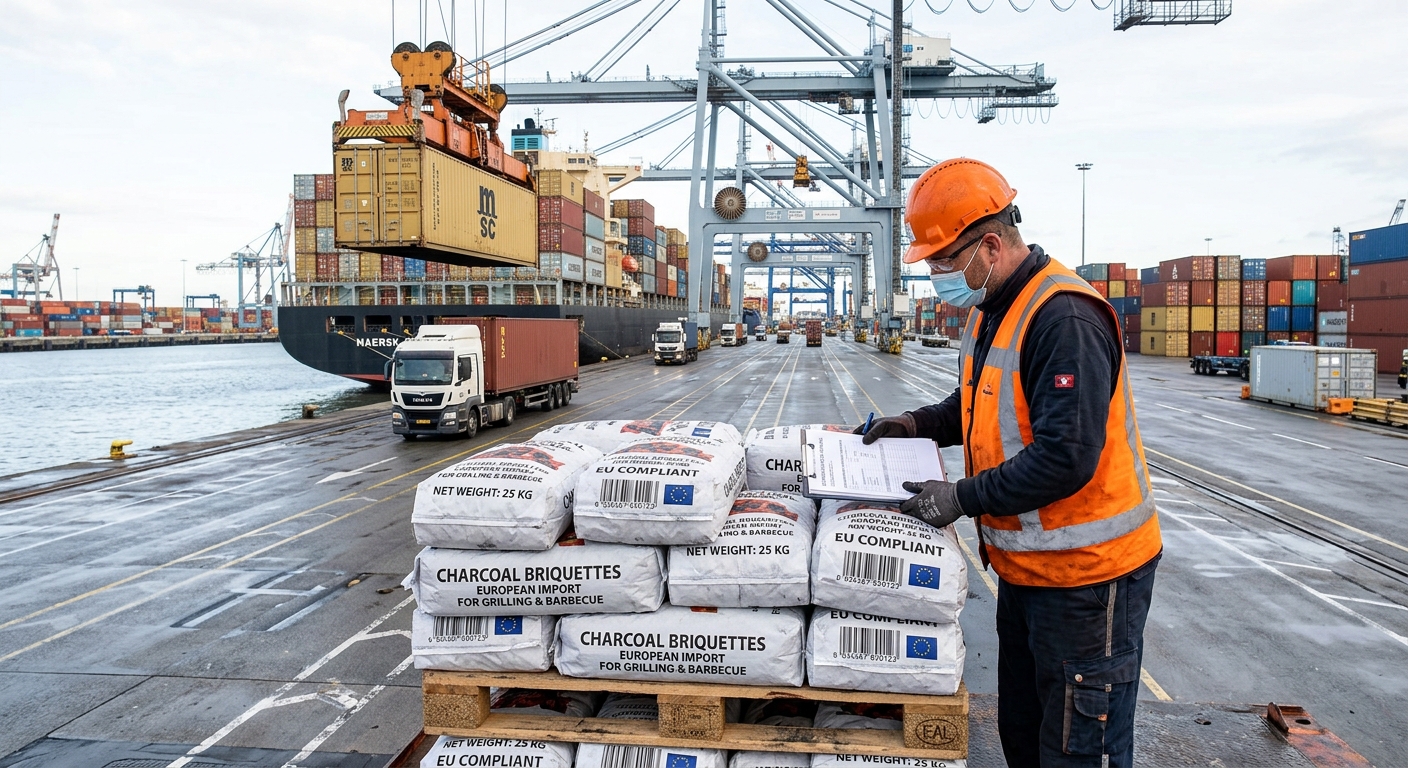
Shipping charcoal briquettes requires careful planning due to the nature of the product. Charcoal is often classified as a dangerous good (Class 4.2 – Substances liable to spontaneous combustion) under the International Maritime Dangerous Goods (IMDG) Code. However, many coconut charcoal briquettes can pass the self-heating test (Vanning Certificate) to be shipped as non-hazardous cargo.
Key Shipping Considerations:
- Moisture Control: Ensure containers are properly sealed and use desiccants to prevent moisture buildup during transit.
- Documentation: Secure accurate Bill of Lading, Commercial Invoice, Packing List, and Certificate of Origin.
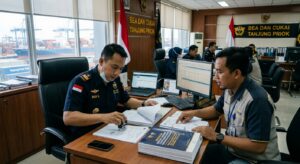
- Customs Clearance: Work with an experienced freight forwarder who understands European customs procedures for solid fuels.
Quality Control and Packaging
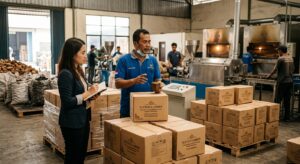
Quality control should occur at the factory level before the goods are loaded. Employing third-party inspection agencies can safeguard your investment. Packaging is equally important; European buyers expect robust, attractive packaging that clearly displays origin, burning characteristics, and sustainability credentials. For more insights on connecting with reliable export services, you can visit a leading export platform to find suitable partners.
Cost Analysis and Pricing Strategy
To remain competitive, importers must conduct a thorough cost analysis. Below is a simplified breakdown of potential costs involved in importing a 20ft container of charcoal briquettes:
| Cost Component | Description |
|---|---|
| Product Cost | FOB price negotiated with the supplier. |
| Freight Charges | Ocean freight from origin port to European port. |
| Insurance | Coverage against loss or damage during transit. |
| Import Duties | Applicable tariffs based on the HS Code (usually 4402). |
| Value Added Tax (VAT) | Payable upon entry into the EU, varies by member state. |
| Inland Transportation | Cost to move goods from the port to your warehouse. |
Conclusion
Importing charcoal briquettes to Europe is a business venture with significant potential, provided it is approached with diligence and a clear understanding of the market. From navigating REACH regulations and ensuring sustainability certifications to managing complex logistics and sourcing from reliable international platforms, success requires meticulous planning. By partnering with reputable suppliers and staying abreast of European consumer trends, importers can establish a profitable and sustainable supply chain in the booming charcoal market.
Frequently Asked Questions (FAQ)
What is the HS code for charcoal briquettes?
The Harmonized System (HS) code commonly used for wood charcoal (including shell or nut charcoal), whether or not agglomerated, is 4402. Ensure you check with local customs for the exact sub-heading applicable to your specific product.
Is charcoal considered a dangerous good for ocean freight?
Charcoal can be classified under IMDG Class 4.2 as a substance liable to spontaneous combustion. However, if the manufacturer provides a passing self-heating test certificate (often required by shipping lines), it can be shipped as non-hazardous cargo.
Do I need REACH registration to import charcoal into the EU?
Yes, if you are importing more than one tonne of charcoal per year into the European Union, you are required to comply with REACH regulations, which may involve registering the substance with the European Chemicals Agency (ECHA).
Why are coconut shell charcoal briquettes preferred in Europe?
Coconut shell charcoal briquettes are highly favored because they are eco-friendly (made from a byproduct), produce very little ash, emit virtually no smoke or sparks, and offer a much longer burning time compared to traditional wood charcoal.