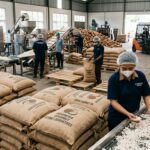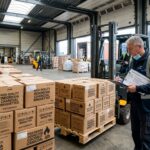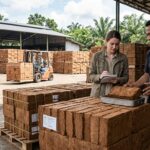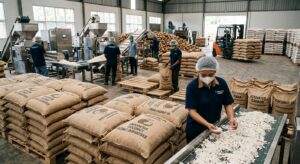


Introduction to Indonesian Wood Exports
Indonesia is one of the world’s leading exporters of high-quality wood and timber products. The nation’s vast tropical forests provide an abundance of raw materials, ranging from durable teak and mahogany to versatile plywood and sustainable bamboo. However, tapping into this lucrative market requires a thorough understanding of the indonesia wood product export documents.
Exporting wood products from Indonesia involves navigating a complex web of regulations designed to promote legal logging, ensure environmental sustainability, and comply with international trade standards. This article serves as a comprehensive guide for exporters, importers, and businesses looking to source wood products from Indonesia, detailing the necessary documentation, regulatory frameworks, and best practices.
The Importance of Legal and Sustainable Wood Export
The global demand for legally harvested and sustainable wood products has never been higher. International markets, particularly the European Union, the United States, and Australia, have implemented strict regulations to prevent the importation of illegally logged timber. In response, Indonesia has developed robust systems to trace the origin of its wood products, ensuring that all exports meet stringent legal and environmental criteria.
Understanding these regulations is not only a legal requirement but also a competitive advantage. Buyers are increasingly conscious of their supply chain’s environmental impact, and being able to provide the correct documentation can open doors to premium markets. For European importers, understanding trade agreements is equally crucial. You can learn more by reading the Comprehensive Guide to IEU CEPA Tariff Rates for European Importers.
Core Export Documents Required
Exporting wood products from Indonesia requires a specific set of documents to clear customs both in Indonesia and the destination country. Below are the primary documents needed:
1. Commercial Invoice
The commercial invoice is the foundational document for any international trade transaction. It serves as a bill for the goods from the seller to the buyer and is used by customs authorities to assess duties and taxes. It must include detailed descriptions of the wood products, quantities, prices, terms of sale (Incoterms), and the HS (Harmonized System) code.
2. Packing List
A packing list accompanies the commercial invoice and details the specific contents of each package, including weight, dimensions, and packaging type. This document is crucial for freight forwarders, customs officials, and the receiving party to verify the shipment’s contents.
3. Bill of Lading (B/L)
The Bill of Lading is a legally binding document issued by a carrier to a shipper that details the type, quantity, and destination of the goods being carried. It serves as a receipt of shipment and a contract of carriage. For air freight, an Air Waybill (AWB) is used instead.
4. Certificate of Origin (CoO)
The Certificate of Origin certifies the country in which the goods were produced. In this case, it proves that the wood products originated in Indonesia. This document is often required to claim preferential tariff rates under various free trade agreements.
The V-Legal Document and FLEGT Licensing
When it comes to wood products, the most critical specific document is the V-Legal Document (Dokumen V-Legal). This document is part of Indonesia’s Timber Legality Assurance System (Sistem Verifikasi Legalitas Kayu, or SVLK).
Understanding SVLK
The SVLK is a mandatory certification system designed to ensure that all timber products harvested, processed, and traded in Indonesia come from legal sources. It tracks the timber from the forest to the point of export. Exporters must be registered and audited to obtain SVLK certification.
FLEGT License for the EU Market
For exports destined for the European Union, the V-Legal Document functions as a Forest Law Enforcement, Governance and Trade (FLEGT) license. Indonesia is the first country in the world to issue FLEGT licenses. Goods accompanied by a valid FLEGT license are considered to comply with the strict requirements of the EU Timber Regulation (EUTR), simplifying the import process significantly.
Customs Declarations and HS Codes
Accurate classification of your wood products using the Harmonized System (HS) code is mandatory. The HS code dictates the tariff rates and specific regulations applied to the product. Misclassification can lead to severe delays, fines, or seizure of the goods. Exporters must submit a Pemberitahuan Ekspor Barang (PEB) – Export Declaration – to Indonesian Customs via the Electronic Data Interchange (EDI) system.
While classifying wood products, it is important to be familiar with how Indonesia handles other significant exports. For instance, you can review the Comprehensive Guide to the Crude Palm Oil HS Code in Indonesia: Export Regulations and Classifications to understand the broader context of Indonesian export classifications.
Phytosanitary Certificates
Because wood is an agricultural product, it is subject to phytosanitary regulations to prevent the spread of pests and diseases. A Phytosanitary Certificate is issued by the Indonesian Agricultural Quarantine Agency (Barantan) after the wood has been inspected and, if necessary, treated (e.g., fumigation or heat treatment). This certificate is required by almost all importing countries.
Additional Documentation and Considerations
Depending on the specific type of wood product and the destination country, additional documentation may be required:
- Fumigation Certificate: Proves that the wooden packaging materials or the products themselves have been treated to eliminate pests.
- CITES Permit: Required if the wood species is listed under the Convention on International Trade in Endangered Species of Wild Fauna and Flora (e.g., certain types of Rosewood).
- Quality Certificates: Issued by independent inspection agencies at the buyer’s request.
For those interested in other agricultural or natural products from Indonesia, understanding the export process is equally important. Check out A Complete Guide to Bulk Buying Coco Peat Blocks from Indonesia for more insights.
Summary of Export Document Checklist
| Document Name | Issuing Authority / Party | Purpose |
|---|---|---|
| Commercial Invoice | Exporter | Billing and customs valuation |
| Packing List | Exporter | Details shipment contents |
| Bill of Lading | Shipping Line / Freight Forwarder | Contract of carriage and receipt |
| Certificate of Origin | Ministry of Trade | Proves Indonesian origin |
| V-Legal Document / FLEGT | Registered SVLK Certification Body | Proves timber legality |
| Phytosanitary Certificate | Agricultural Quarantine Agency | Ensures freedom from pests |
| Export Declaration (PEB) | Exporter / Customs Broker | Official customs notification |
Conclusion
Navigating the indonesia wood product export documents requires diligence, proper planning, and an understanding of both local Indonesian laws and international import regulations. The cornerstone of exporting Indonesian wood is the SVLK system and the resulting V-Legal Document, which ensures that your products meet global legality standards. By ensuring all paperwork—from the commercial invoice to the Phytosanitary Certificate—is accurate and complete, exporters can maintain smooth supply chains, avoid costly customs delays, and successfully serve the growing global demand for high-quality, sustainable Indonesian wood products.
Frequently Asked Questions (FAQ)
What is the V-Legal Document?
The V-Legal Document is an export license that certifies the wood products comply with Indonesia’s Timber Legality Assurance System (SVLK). It proves that the timber was legally harvested and processed.
Do I need a FLEGT license to export wood to the US?
No, the FLEGT license is specifically for exports to the European Union and the United Kingdom. However, the V-Legal Document is still required for exports to the US to comply with the Lacey Act.
How long does it take to get a Phytosanitary Certificate in Indonesia?
Usually, a Phytosanitary Certificate can be obtained within a few days after the required inspection and any necessary treatments, such as fumigation, have been successfully completed by the quarantine agency.
Can I export raw logs from Indonesia?
Generally, Indonesia strictly bans or heavily regulates the export of raw logs to promote the domestic downstream wood processing industry. You can typically only export processed wood products like plywood, furniture, or sawn timber.