

Introduction to Indonesia’s Palm Oil Industry
Indonesia is currently recognized as the world’s largest producer and exporter of palm oil, playing a pivotal role in the global supply chain of edible oils and biofuels. For international buyers, traders, and logistics professionals, navigating the export landscape of this massive industry requires a deep understanding of trade classifications, specifically the Harmonized System (HS) codes. The Crude Palm Oil HS Code in Indonesia is not just a string of numbers; it is the fundamental key that dictates tariffs, export levies, customs clearance, and international trade compliance.
Understanding the exact classification of Crude Palm Oil (CPO) ensures that businesses avoid costly delays, legal penalties, and miscalculations in landed costs. In this comprehensive guide, we will explore the specific HS codes used for CPO in Indonesia, the regulatory framework governing its export, and the documentation required to successfully source this essential commodity.
What is an HS Code?
The Harmonized Commodity Description and Coding System, commonly known as the HS Code, is an internationally standardized system of names and numbers used to classify traded products. Developed and maintained by the World Customs Organization (WCO), the HS Code system is utilized by customs authorities globally to identify products for the application of duties, taxes, and trade regulations.
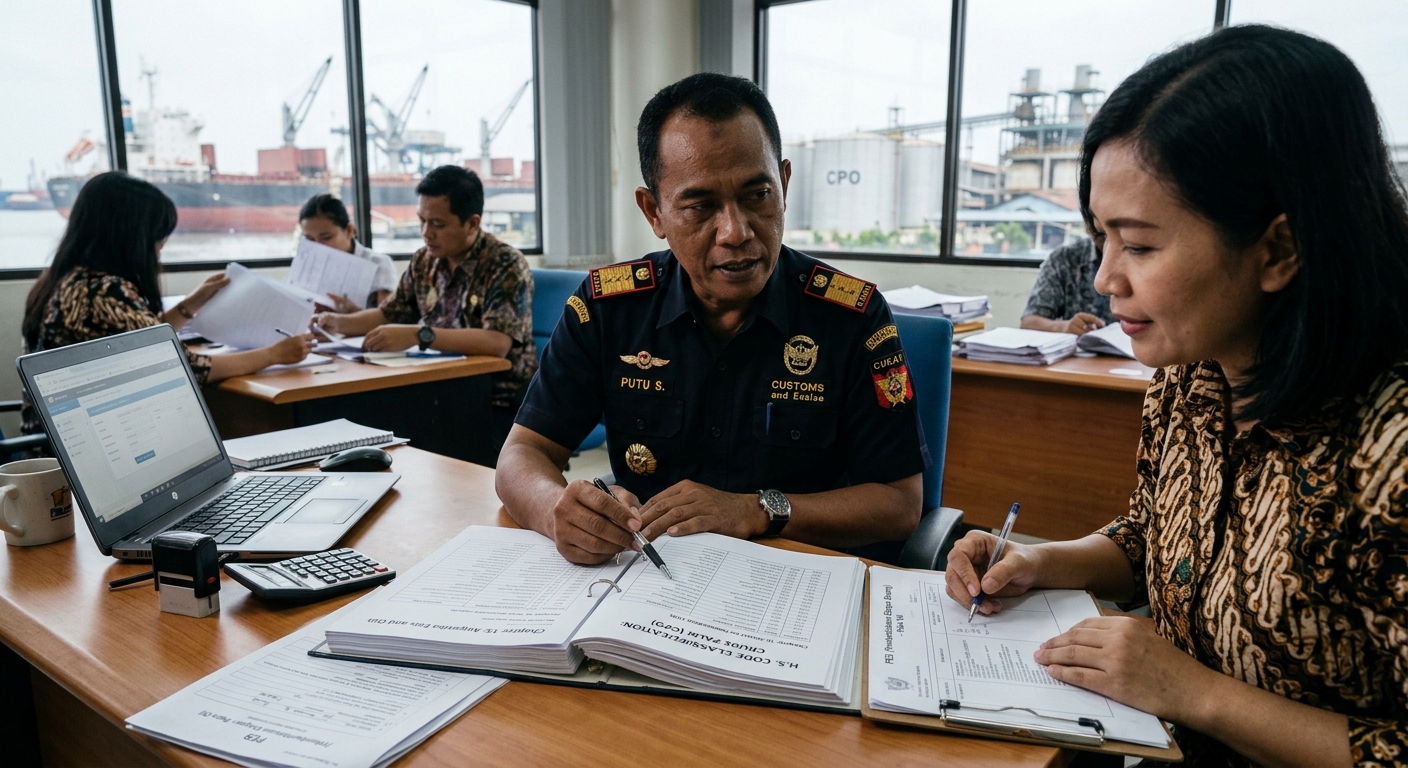
In Indonesia, the HS Code system is integrated into the Buku Tarif Kepabeanan Indonesia (BTKI), which outlines the specific tariff lines applicable to goods entering or leaving the country. For agricultural and industrial commodities, accurate classification is heavily scrutinized by the Directorate General of Customs and Excise.
The Specific HS Code for Crude Palm Oil in Indonesia
When dealing with palm oil, the HS Code differentiates between the crude form, refined forms, and various fractions. The primary classification for palm oil falls under Chapter 15 of the HS Code, which covers animal or vegetable fats and oils and their cleavage products.
Primary CPO Classification
The standard HS Code for Crude Palm Oil is 1511.10.00. This specific code is designated for palm oil and its fractions, whether or not refined, but not chemically modified, specifically in its crude form.
| HS Code | Description | Category |
|---|---|---|
| 1511.10.00 | Crude Palm Oil (CPO) | Unrefined, primarily for further processing |
| 1511.90.20 | Refined, Bleached and Deodorized (RBD) Palm Oil | Processed, ready for consumption or specific industrial use |
| 1511.90.36 | RBD Palm Olein | Liquid fraction of palm oil |
| 1511.90.37 | RBD Palm Stearin | Solid fraction of palm oil |
Exporters and importers must be meticulous. Declaring CPO under a refined palm oil code, or vice versa, can trigger severe customs audits. The Indonesian government frequently adjusts export taxes and levies based specifically on these sub-headings, making the 1511.10.00 classification central to determining shipment profitability.
Export Regulations and Taxation for CPO in Indonesia
Indonesia employs a dynamic regulatory framework to manage the export of Crude Palm Oil. The government balances domestic supply requirements with international market demands, using financial instruments tied directly to the CPO HS code.
Export Duties and Levies
The Indonesian Ministry of Finance periodically updates the export duty (Bea Keluar) and the export levy (Pungutan Ekspor) for CPO. These rates are typically tiered and linked to the government’s reference price for palm oil. When global prices soar, the government increases the levy to ensure domestic refiners and consumers are not priced out of the market. Conversely, when prices drop, levies may be reduced to stimulate export volumes.
Domestic Market Obligation (DMO)
To secure domestic cooking oil supplies, Indonesia occasionally enforces a Domestic Market Obligation (DMO) and Domestic Price Obligation (DPO). Under these rules, CPO producers are mandated to allocate a specific percentage of their production volume to the domestic market at a capped price before they are granted export permits (Persetujuan Ekspor). Understanding these quotas is vital for foreign buyers anticipating shipment schedules.
Comparing Commodity Export Complexities
The complexities of exporting CPO are mirrored across various sectors of Indonesia’s booming agricultural and biomass export markets. Regulatory compliance is a recurring theme whether you are shipping edible oils or energy commodities. For instance, traders diversifying into the biomass sector often face similar documentation hurdles. If you are exploring this sector, reading A Complete Guide to Choosing a Bulk Coconut Charcoal Supplier in Indonesia provides excellent insights into sourcing raw materials and understanding supplier vetting processes in Indonesia.
Furthermore, the stringency of Indonesian customs applies universally to strategic exports. Just as the Ministry of Trade monitors CPO volumes, other commodities undergo rigorous checks. You can draw distinct parallels from Indonesia Charcoal Briquette Export Regulations: A Complete Guide to understand the thorough standards and documentation that Indonesian customs applies to high-demand export goods.
Required Documentation for Exporting CPO
Exporting Crude Palm Oil from Indonesia requires a comprehensive set of documents to ensure compliance with both local regulations and the importing country’s standards. The documentation process is heavily digitized through the Indonesia National Single Window (INSW) system.
- Pemberitahuan Ekspor Barang (PEB): The official export declaration form submitted to Indonesian Customs, containing the exact 1511.10.00 HS Code.
- Commercial Invoice and Packing List: Detailing the value, weight, and specifications of the CPO shipment.
- Bill of Lading (B/L): The transport document issued by the shipping line.
- Certificate of Origin (CoO): Proving the CPO was produced in Indonesia, which is crucial for preferential tariff treatments in destination countries.
- Phytosanitary Certificate: Issued by the Agricultural Quarantine Agency to certify the health of the plant product.
- Certificate of Analysis (CoA): Detailing the chemical properties, free fatty acid (FFA) content, and moisture levels of the CPO.
- ISPO / RSPO Certification: While not universally legally mandated for all exports, Indonesian Sustainable Palm Oil (ISPO) or Roundtable on Sustainable Palm Oil (RSPO) certificates are increasingly required by major international buyers.
Value Addition and Downstream Processing
The Indonesian government has actively encouraged downstream processing (hilirisasi) to maximize the economic value retained within the country. Instead of exporting raw CPO (HS Code 1511.10.00), the government incentivizes the export of refined products, oleochemicals, and biodiesel through favorable tax structures. This policy shift is designed to transform Indonesia from a mere raw material supplier into an advanced manufacturing hub.
This drive for value addition is a widespread strategy across Indonesian industries. Just as we see downstream processing heavily promoted in the palm oil sector, other industries also focus intensely on value addition to increase profit margins and brand equity. A great example of this phenomenon in an alternative sector is detailed in The Ultimate Guide to Private Label Shisha Charcoal Manufacturing, which highlights how processing raw biomass into premium branded products yields higher international returns.
Quality Parameters for CPO (HS Code 1511.10.00)
When trading under the CPO HS code, specific quality parameters must be met to satisfy international contract standards, typically governed by the Federation of Oils, Seeds and Fats Associations (FOSFA). Standard CPO specifications include:
- Free Fatty Acids (FFA): Typically a maximum of 5% (calculated as palmitic acid).
- Moisture and Impurities (M&I): Usually capped at 0.5% combined.
- Deterioration of Bleachability Index (DOBI): A minimum score of 2.31 is often required for standard CPO.
- Iodine Value (IV): Generally between 50 and 55, indicating the degree of unsaturation.
Failure to meet these specifications can result in quality claims, price deductions, or outright rejection of the cargo by the receiving refinery.
Conclusion
Navigating the export landscape of Indonesia’s palm oil sector requires absolute precision, starting with the correct application of the Crude Palm Oil HS Code. The classification 1511.10.00 is the linchpin for determining export levies, duties, and overall trade compliance. As the Indonesian government continues to balance domestic needs with its role as a global agricultural powerhouse, international buyers must stay informed about changing regulations, DMO requirements, and sustainability standards.
By mastering the regulatory frameworks, understanding the required documentation, and recognizing the broader trends toward value-added processing in Indonesia, traders can build resilient and profitable supply chains. Whether you are dealing in edible oils or exploring other vibrant Indonesian commodities, robust compliance and supplier due diligence remain the cornerstones of successful international trade.
Frequently Asked Questions (FAQ)
What is the exact HS Code for Crude Palm Oil in Indonesia?
The correct HS Code for Crude Palm Oil (CPO) in Indonesia is 1511.10.00. This code specifically covers palm oil and its fractions in their crude, unrefined state.
Why does the Indonesian government change CPO export taxes frequently?
The Indonesian Ministry of Finance adjusts export taxes and levies on CPO to manage domestic cooking oil supplies and stabilize local prices. When global prices rise, levies are increased to ensure domestic refiners are not outbid by international buyers, securing the local market.
What is the difference between CPO and RBD Palm Oil in terms of HS Codes?
CPO (Crude Palm Oil) is classified under 1511.10.00 and is the raw, unrefined product. RBD (Refined, Bleached, and Deodorized) Palm Oil is classified under 1511.90.20 and represents a fully processed oil ready for consumption or specialized industrial manufacturing.
Are sustainability certificates required to export CPO from Indonesia?
While basic export documentation is legally required, sustainability certificates like ISPO (Indonesian Sustainable Palm Oil) and RSPO (Roundtable on Sustainable Palm Oil) are becoming de facto requirements for entering premium markets, especially in Europe and North America, due to strict environmental sourcing policies.