

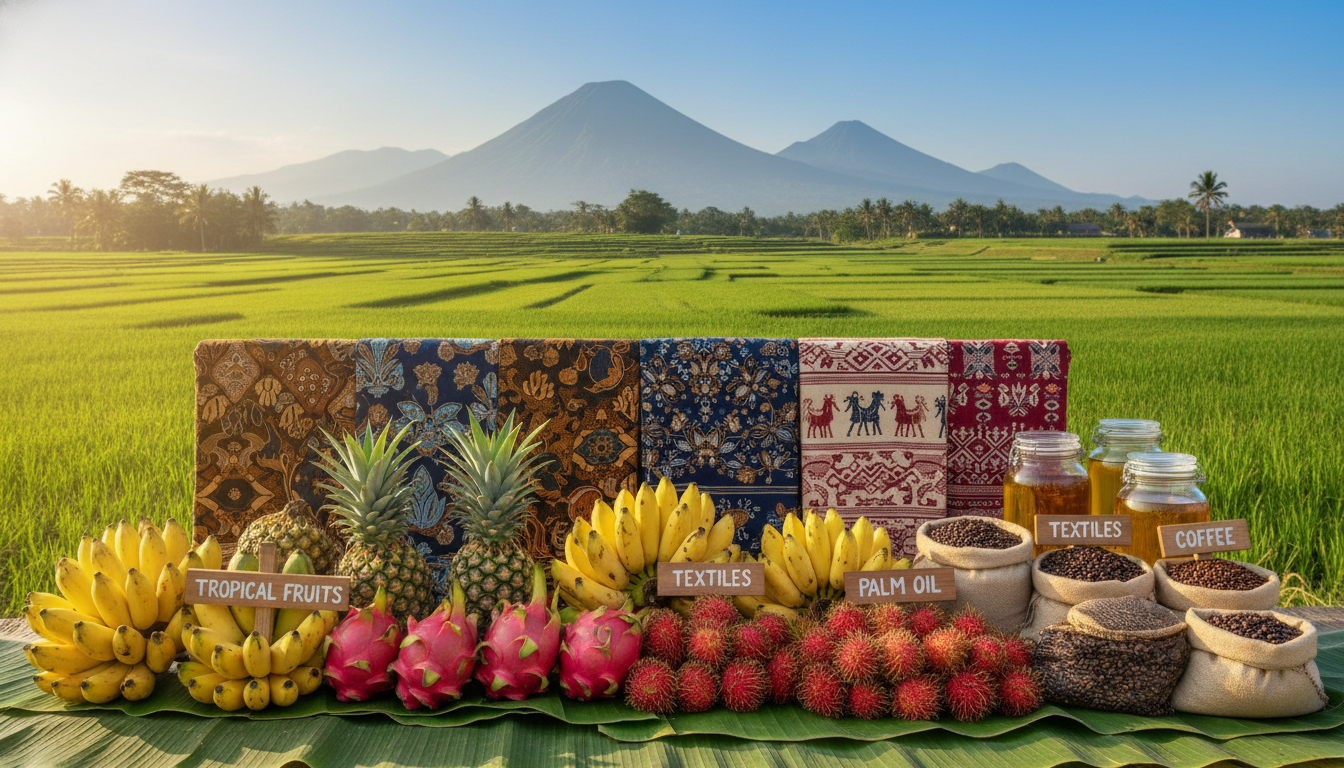
The global economic landscape is shifting rapidly as nations seek reliable supply chain partners. Indonesia currently stands at the forefront of this transformation, offering a wealth of natural resources and manufactured goods that fuel international markets.
Understanding these trade patterns is essential for businesses aiming to capitalize on emerging opportunities. By analyzing current growth sectors, stakeholders can build a strategic roadmap for long-term success in the region.
As we look toward 2026, specific industries are driving significant value across borders. Companies that identify the top indonesian export items early will gain a distinct competitive advantage. You can explore these high-demand commodities and reliable logistics solutions by visiting ExportNusa to streamline your procurement process.
This analysis examines how these sectors integrate into global supply chains. We provide the insights necessary to navigate the evolving trade environment with confidence and precision.
Key Takeaways
- Indonesia remains a critical hub for global trade and resource distribution.
- Strategic analysis of trade data helps businesses mitigate supply chain risks.
- Key sectors like agriculture and manufacturing are experiencing steady growth.
- Early identification of market trends provides a significant competitive edge.
- Professional partnerships are vital for navigating complex international shipping requirements.
The Evolution of the Indonesian Trade Market
The transformation of the indonesian economy reflects a broader move from raw material reliance to advanced industrial output. This shift is not merely a trend but a calculated strategy to capture higher value within global supply chains. By focusing on complex manufacturing, the nation is effectively diversifying its revenue streams.
When analyzing the current indonesian trade market, we can identify structural changes that position the country as a vital player in international commerce. Developing Asia’s economies are projected to grow 4.9% in 2024, providing a robust backdrop for this transition. This regional momentum acts as a catalyst for local industries to modernize their operations.
“Economic progress is defined by the ability to innovate and adapt to the changing demands of the global marketplace.”
Several key factors are driving this economic evolution forward. The government has prioritized infrastructure development and regulatory reforms to attract foreign investment. These efforts are essential for maintaining a competitive edge in the indonesian economy. Consider the following pillars of this growth:
- Digital Transformation: Integrating technology into traditional manufacturing processes.
- Value-Added Processing: Moving beyond raw exports to refined industrial goods.
- Strategic Partnerships: Strengthening trade ties with major global economies.
Ultimately, the indonesian trade market is becoming more resilient and sophisticated. As the nation continues to refine its industrial capabilities, it will likely see increased demand for its high-value exports. This trajectory suggests a promising future for stakeholders looking to engage with one of Southeast Asia’s most dynamic markets.
Analyzing the Top Indonesian Export Items Driving Global Growth
The export industry Indonesia has cultivated is rapidly transforming the nation into a powerhouse for both raw materials and finished goods. By leveraging its vast domestic market and immense resource wealth, the country has become a primary target for international investors seeking reliable industrial inputs. This strategic position allows the nation to influence global growth patterns significantly.
To gain a clear picture of the current trade landscape, one must examine the latest indonesian export statistics. These figures highlight a consistent upward trend in high-value shipments, moving beyond traditional commodities toward more complex manufacturing outputs. Businesses looking to engage with this market can find detailed guidance at exportnusa.com to navigate these opportunities effectively.
The following table outlines the primary categories that currently define the top indonesian export items. These sectors represent the core pillars supporting the nation’s international trade performance and long-term economic stability.
| Export Category | Primary Market Focus | Growth Potential |
|---|---|---|
| Mineral Fuels | Global Energy Grids | High |
| Vegetable Oils | Food & Biofuel | Stable |
| Electrical Machinery | Consumer Electronics | Very High |
| Automotive Parts | Regional Assembly | High |
Analyzing these trends provides a data-driven perspective on how the export industry Indonesia continues to dominate the trade forecast. As global demand shifts, the ability of local producers to adapt their output remains a critical factor for success. Stakeholders should monitor these top indonesian export items closely to identify emerging shifts in the global supply chain.
Coal and Mineral Fuels as Economic Pillars
The backbone of the modern indonesian economy relies significantly on the extraction and export of coal and mineral fuels. These resources serve as foundational elements for the nation’s long-term financial stability and industrial development. By leveraging its natural wealth, the country has secured a prominent position among the top exports from indonesia that fuel global markets.
Thermal Coal Demand in International Power Grids
Thermal coal remains a primary energy source for many nations, and Indonesia stands as a leading global supplier. International power grids depend heavily on this consistent supply to maintain electricity generation and support growing urban infrastructure. Reliability in the energy sector is often tied to the steady flow of these high-quality fuel shipments.
As global energy needs evolve, the demand for efficient and cost-effective coal continues to influence trade patterns. This commodity remains one of the most vital key export sectors indonesia manages, ensuring that international partners meet their domestic energy targets. The strategic management of these resources allows the nation to maintain its competitive edge in the global energy market.
Nickel Ore and the Global Electric Vehicle Battery Supply Chain
Beyond traditional fuels, nickel ore has emerged as a transformative asset for the indonesian economy. This mineral is essential for the production of high-performance batteries used in electric vehicles. As the world shifts toward sustainable transportation, the demand for battery-grade nickel has skyrocketed, placing Indonesia at the center of the global supply chain.
The integration of local nickel processing into the international automotive industry highlights the country’s transition toward value-added manufacturing. By focusing on these key export sectors indonesia is effectively positioning itself as a hub for green technology components. This shift not only boosts export revenue but also fosters technological advancement within the domestic industrial landscape.
| Commodity | Primary Use | Global Market Impact |
|---|---|---|
| Thermal Coal | Power Generation | High Stability |
| Nickel Ore | EV Batteries | High Growth |
| Mineral Fuels | Industrial Energy | Strategic Importance |
These top exports from indonesia demonstrate the country’s ability to adapt to changing global demands. Whether through traditional energy sources or modern battery materials, the nation continues to play a critical role in powering the future of global industry.
Palm Oil and the Global Food and Energy Sector
Palm oil stands as a cornerstone of the Indonesian economy, bridging the gap between global food security and renewable energy needs. As one of the most popular Indonesian products, it serves as a versatile ingredient that reaches nearly every corner of the globe. Its unique chemical properties make it an indispensable asset for manufacturers looking to balance cost and performance.
Sustainable Sourcing Trends in Palm Oil Production
The industry is currently undergoing a significant transformation to meet rigorous international environmental standards. Producers are increasingly adopting sustainable farming practices to ensure long-term viability and market access. These efforts are crucial for maintaining the reputation of these high demand Indonesian exports in sensitive Western markets.
Certification programs now play a vital role in verifying that palm oil is harvested without causing deforestation. By prioritizing transparency and traceability, Indonesian suppliers are successfully aligning with global consumer expectations. This shift not only protects biodiversity but also secures the future of the trade sector.
Applications in Food Processing and Biofuel Markets
Beyond its traditional use in the kitchen, palm oil is a powerhouse in the industrial sector. It is a primary ingredient in processed foods, providing the necessary texture and stability that global brands require. Furthermore, its role in the renewable energy transition has expanded rapidly as nations seek alternatives to fossil fuels.
Biofuel production utilizes palm oil to create cleaner energy solutions for transportation and power grids. This dual functionality highlights why these commodities remain essential for modern industrial growth. As global demand shifts, the ability to supply both food and fuel ensures that Indonesia remains a central player in the international supply chain.
Textiles and Garment Manufacturing Exports
As global fashion brands seek reliable partners, the export industry indonesia is rising to the challenge. The sector has moved beyond basic manufacturing to focus on high-quality output and sustainable practices. This shift ensures that local producers remain competitive in a fast-paced global market.
Growth of Indonesian Apparel in the United States Market
The United States remains a primary destination for high demand indonesian exports in the apparel category. American consumers are increasingly prioritizing ethical sourcing and diverse fashion options. Indonesian manufacturers have responded by adopting transparent supply chain practices that appeal to these modern values.
By aligning with international standards, local factories are securing long-term contracts with major retail chains. This growth is supported by a skilled workforce capable of handling complex designs and high-volume orders. The ability to pivot quickly to changing fashion trends has solidified Indonesia’s reputation as a preferred sourcing hub.
Technological Advancements in Textile Production
Innovation is at the heart of the current export industry indonesia strategy. Factories are integrating automated cutting machines and digital design software to improve precision. These technological upgrades allow for faster go-to-market models, which are essential for maintaining high demand indonesian exports.
Efficiency gains have reduced waste and lowered production costs significantly. This progress enables manufacturers to offer competitive pricing without compromising on quality. The following table outlines the key improvements seen in the sector over recent years.
| Metric | Traditional Methods | Modern Technology |
|---|---|---|
| Production Speed | Moderate | High |
| Waste Reduction | Low | Significant |
| Design Flexibility | Limited | Extensive |
| Market Reach | Regional | Global |
Automotive Components and Vehicle Parts
The automotive sector has emerged as a vital pillar among the top exports from Indonesia. This industry is undergoing a massive transformation, moving from simple assembly to high-tech manufacturing. By leveraging local resources and strategic partnerships, the nation is carving out a significant niche in the global market.

Indonesia as a Regional Hub for Automotive Manufacturing
Indonesia is rapidly establishing itself as a premier destination for vehicle production in Southeast Asia. Massive strategic investments in industrial zones have attracted major global brands to set up operations. These facilities benefit from a skilled workforce and a robust logistics network that connects the archipelago to international trade routes.
Recent indonesian export statistics show a clear upward trajectory in the production of both traditional combustion engines and modern vehicle frames. The government continues to incentivize infrastructure development to ensure that local factories meet international quality benchmarks. This commitment helps the country maintain its competitive edge against other regional manufacturing giants.
Exporting Specialized Components to Global Assembly Lines
The nation is now deeply integrated into the international automotive supply chain by providing essential parts to global assembly lines. Manufacturers focus on high-precision components, including transmission systems, electrical wiring, and specialized chassis parts. These items are critical for maintaining the efficiency of assembly plants located across the globe.
Furthermore, the shift toward electric vehicle (EV) technology has opened new doors for local suppliers. By producing battery-related components, the country is securing its place in the future of sustainable transportation. Current indonesian export statistics confirm that these specialized parts are becoming a major contributor to the overall value of top exports from Indonesia.
| Component Category | Primary Market | Growth Potential |
|---|---|---|
| Engine Parts | Southeast Asia | High |
| Electrical Wiring | Global Assembly | Very High |
| Chassis Components | International Brands | Moderate |
| EV Battery Parts | Global EV Supply Chain | Exceptional |
Rubber and Rubber-Based Product Exports
When exploring popular indonesian products, one cannot overlook the massive impact of the rubber sector on the global stage. This industry serves as a fundamental pillar of the nation’s agricultural and industrial output, consistently meeting the high demands of international markets.
By leveraging vast plantations and advanced processing techniques, the country maintains a steady supply of raw materials. These resources are essential for various industrial applications, ranging from heavy-duty automotive manufacturing to the production of everyday consumer goods.
Natural Rubber Production for Industrial Use
Natural rubber production remains a cornerstone of the country’s economic strength. Farmers and large-scale plantations work in tandem to ensure that the quality of latex meets strict international standards for durability and elasticity.
This raw material is highly sought after by manufacturers who require reliable components for industrial machinery. Because of its consistent quality, Indonesian rubber is a preferred choice for global supply chains looking to maintain high production standards.
The Rise of Indonesian Footwear and Tire Exports
The manufacturing sector has successfully transitioned from raw material exports to high-value finished goods. We are currently witnessing a significant rise in Indonesian footwear and tire exports, which are rapidly gaining market share across the United States and Europe.
These products are becoming increasingly competitive due to their superior quality and cost-effective pricing. As businesses look to diversify their sourcing, many are turning to these key export sectors indonesia to secure reliable partnerships.
The integration of modern technology in tire production has further solidified the nation’s reputation for excellence. By focusing on innovation, local manufacturers continue to provide durable solutions that meet the rigorous safety requirements of the global automotive industry.
Footwear and Leather Goods Industry
The evolution of the indonesian trade market is clearly visible in the rising prestige of its leather and footwear exports. By blending traditional artistry with modern manufacturing techniques, local producers have successfully captured the attention of major global retailers. This sector now stands as a vital pillar for economic growth and international brand partnerships.
Quality Standards for International Fashion Brands
To compete with established global players, Indonesian manufacturers prioritize rigorous quality control measures. Many factories now adhere to international certifications that ensure durability, material safety, and ethical labor practices. These standards are essential for building long-term trust with high-end fashion houses in the United States and Europe.
Precision craftsmanship remains the hallmark of this industry. By investing in advanced machinery and training programs, companies ensure that every product meets the exacting requirements of premium brands. This commitment to excellence has solidified the reputation of these key export sectors indonesia as reliable partners for global supply chains.
Competitive Advantages in Global Leather Manufacturing
Indonesia offers a unique combination of abundant raw materials and a highly skilled workforce. This synergy allows manufacturers to produce high-quality leather goods at a competitive price point without sacrificing design integrity. For businesses looking to diversify their sourcing, exploring the Indonesian market provides a strategic advantage in a crowded global landscape.
Sustainability is also becoming a core competitive edge for local firms. Many producers are adopting eco-friendly tanning processes and waste-reduction strategies to meet the demands of environmentally conscious consumers. By focusing on both quality and responsible production, the industry continues to strengthen its position as a top choice for international buyers.
Electrical Machinery and Electronic Equipment
Indonesia is carving out a vital niche in the global electronics market through strategic investments. This transition toward high-tech manufacturing represents a major evolution in the country’s industrial capabilities. These top exports from indonesia are now essential components of the modern digital landscape.
Semiconductor Assembly and Component Exports
The nation has significantly upgraded its technological infrastructure to support complex assembly processes. By focusing on semiconductor production, local firms are meeting the rigorous demands of international tech giants. Precision engineering and advanced testing facilities now define the backbone of this growing sector.
Investment in specialized manufacturing zones has accelerated the output of high-quality electronic parts. These high demand indonesian exports provide the necessary foundation for advanced computing hardware. As global supply chains diversify, Indonesia stands ready to fill critical gaps in the semiconductor market.
Integration into Global Consumer Electronics Supply Chains
Indonesian manufacturers are increasingly becoming key partners for global consumer electronics brands. From smartphone assembly to the production of intricate circuit boards, the country is proving its reliability. This integration ensures that local factories remain at the forefront of technological innovation.
The following table highlights the growth trajectory of key electronic categories within the national export portfolio. These figures reflect the rising importance of high-tech goods in the broader economy.
| Product Category | Growth Potential | Primary Market |
|---|---|---|
| Semiconductor Chips | High | United States |
| Smartphone Components | Very High | Southeast Asia |
| Computing Hardware | Moderate | Global |
| Consumer Appliances | Stable | Regional |
By maintaining high quality standards, Indonesia continues to solidify its reputation as a trusted supplier. These top exports from indonesia will likely play a larger role in the future of global trade. Continued focus on high demand indonesian exports ensures long-term economic stability in the digital age.
Agricultural Commodities Beyond Palm Oil
Beyond the dominance of palm oil, Indonesia boasts a diverse agricultural landscape that fuels global trade. The export industry indonesia is remarkably rich, offering a wide variety of commodities that meet the high standards of international buyers. These products play a vital role in maintaining a balanced and resilient national economy.
Specialty Coffee and Cocoa Bean Exports
Indonesia has earned a global reputation for producing premium coffee beans with distinct flavor profiles. From the volcanic highlands of Sumatra to the unique landscapes of Sulawesi, these beans are highly sought after by specialty roasters worldwide. Quality control remains a top priority for producers aiming to satisfy the sophisticated palates of international consumers.
Similarly, the cocoa sector continues to thrive by focusing on high-grade beans. Many international manufacturers rely on these popular indonesian products to create high-end chocolate and confectionery items. You can learn more about these trade opportunities by visiting exportnusa.com to understand the current market dynamics.
Spices and Essential Oils in the Global Market
The historical significance of Indonesian spices remains a cornerstone of the modern trade landscape. Nutmeg, cloves, and cinnamon are exported in large volumes to satisfy the demands of the global culinary industry. These ingredients are essential for maintaining the authentic flavors found in kitchens across the United States and Europe.
Furthermore, the production of essential oils has emerged as a significant growth area. These oils serve as key components in the cosmetic and wellness sectors, highlighting the versatility of the export industry indonesia. As global demand for natural ingredients rises, these popular indonesian products continue to secure their place as indispensable staples in the international supply chain.
Strategic Trade Policies and Future Outlook
Strategic policy frameworks are currently being reshaped to ensure the long-term prosperity of the indonesian economy. As the nation navigates an increasingly complex global environment, these policies serve as the foundation for sustainable growth and industrial advancement.
The broader ASEAN region is projected to see continued strong growth, fueled by robust domestic demand and strategic investment. This regional momentum provides a unique opportunity for local businesses to expand their influence within the indonesian trade market.
Government Initiatives to Boost Export Competitiveness
The government is actively implementing programs designed to streamline logistics and reduce operational costs for exporters. By fostering a more business-friendly climate, these initiatives help companies scale their operations to meet international demand.
Key focus areas for these government-led improvements include:
- Digital transformation of customs and administrative processes.
- Enhanced financial support for small and medium-sized enterprises.
- Investment in infrastructure to improve supply chain efficiency.
These efforts are vital for maintaining a competitive edge in the global arena. Businesses looking to leverage these changes can find valuable resources at exportnusa.com to better understand how to navigate the evolving landscape.
Navigating International Trade Regulations and Tariffs
Successfully managing international trade regulations remains a top priority for firms operating within the indonesian economy. Compliance with global standards is essential for maintaining access to key markets in the United States and beyond.
Proactive engagement with trade policy allows businesses to mitigate the impact of fluctuating tariffs. By staying informed on bilateral agreements, companies can better position themselves to thrive in the indonesian trade market. Strategic planning is the most effective tool for overcoming these regulatory hurdles and ensuring long-term success.
Conclusion
Indonesia remains a vital player in the global supply chain as it pivots toward high-value manufacturing and sustainable resource management. The top indonesian export items now reflect a sophisticated blend of raw materials and processed goods designed for modern industrial needs.
Current indonesian export statistics highlight a shift toward quality and reliability. Companies looking to source premium products can explore Export Nusa for consistent supplies of Crude Palm Oil, high-density briquettes, and specialized cocopeat growing media. These offerings demonstrate how local producers meet rigorous international standards for agriculture and energy.
Global buyers should monitor these trends to secure competitive advantages in their respective markets. Adapting to these changes ensures long-term stability in procurement cycles. Success in this evolving landscape requires a deep understanding of the diverse commodities driving the national economy.
Engagement with reliable partners remains the best way to navigate the complexities of international trade. By focusing on quality and sustainable growth, businesses can leverage the full potential of the Indonesian market. The path forward involves building strong connections with suppliers who prioritize transparency and operational excellence.