


Indonesia is currently making waves as a powerhouse in the global trade arena. In 2025, the nation successfully shipped US$282.9 billion worth of goods to international partners, showcasing its massive industrial growth.
This impressive figure highlights how the country manages its vast natural resources while expanding its manufacturing reach. Understanding these dynamic trade patterns is essential for anyone looking to engage with Southeast Asia’s largest economy.
If you are searching for the top export products from Indonesia, you will find a diverse range of high-quality commodities. From sustainable agricultural goods to energy solutions, the nation offers reliable options for global buyers.
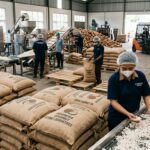
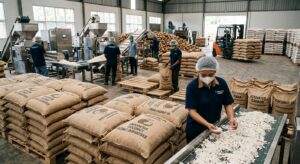
Companies like ExportNusa provide a gateway to these essential supplies, including premium coffee, cocopeat, and high-density briquettes. This main_keyword focus helps businesses navigate the complexities of international shipping with ease and confidence.
Key Takeaways
- Indonesia achieved a significant export value of US$282.9 billion in 2025.
- The nation is leveraging its natural resources to lead in global markets.
- Key commodities include sustainable agricultural items and energy-efficient fuel sources.
- Strategic partnerships are vital for maintaining consistent supply chain quality.
- Reliable suppliers ensure that international shipping requirements are met efficiently.
The Economic Landscape of Indonesian Trade
Understanding the economic landscape of Indonesia reveals why this nation is a powerhouse in international commerce. The country has successfully positioned itself as a critical player in the global market by leveraging its vast natural resources. Businesses looking to source high-quality Indonesian export items will find a landscape that is both dynamic and increasingly sophisticated.
A significant portion of the nation’s trade strategy is deeply integrated into the broader Asian market. In fact, 70.9% of Indonesia’s exports by value are delivered to fellow Asian countries. This regional proximity allows for streamlined logistics and fosters strong economic partnerships that benefit both suppliers and international buyers.
While the country has long been known for its raw materials, there is a clear shift toward value-added manufacturing. This transition is essential for companies that want to secure reliable supply chains. By focusing on processing goods domestically, the nation is enhancing the quality and competitiveness of its Indonesian export items on the world stage.
For those interested in exploring these opportunities, it is helpful to consult resources like https://oxicarbon.com to understand the current market trends. Strategic planning is the key to success when navigating this diverse economy. Whether you are interested in raw commodities or finished goods, the variety of Indonesian export items available today offers immense potential for growth and collaboration.
Analyzing the Top Export Products from Indonesia
Understanding the top export products from Indonesia reveals a fascinating shift in the nation’s economic strategy. While the country has historically relied on raw materials, there is a clear move toward a more diversified portfolio of industrial goods. This transition is essential for long-term stability and growth in the global marketplace.
Data shows that the top 10 categories account for 65.7% of all outbound trade, highlighting a significant concentration of wealth. This main_keyword focus helps us identify the primary drivers of the national economy. By examining these sectors, businesses can better understand where the most lucrative opportunities lie for international partners.
The variety of Indonesian export items continues to expand as the country invests in value-added manufacturing. Whether you are looking for raw commodities or finished industrial components, the range of goods available is impressive. For those seeking deeper insights into these trade flows, resources like exportnusa.com provide valuable guidance for navigating the local market.
The following table outlines the primary sectors that currently dominate the export landscape, showcasing the balance between traditional resources and modern industrial output.
| Export Category | Economic Impact | Growth Potential |
|---|---|---|
| Mineral Fuels | High | Stable |
| Palm Oil | High | Sustainable |
| Electrical Machinery | Medium | High |
| Textiles & Apparel | Medium | Moderate |
This structural shift is not just about volume; it is about quality and sustainability. As Indonesia refines its production processes, the global demand for its high-quality goods continues to rise. Staying informed about these trends is the best way to capitalize on the evolving trade relationship between Indonesia and the United States.
Coal and Mineral Fuels
When looking at popular Indonesian exports, mineral fuels consistently rank at the very top of the list. These resources serve as the backbone of the national economy, providing essential energy to power industries across the globe. In 2025 alone, the export value of coal and solid fuels reached an impressive $24.48 billion, highlighting the massive scale of this sector.
The Role of Thermal Coal in Global Energy
Thermal coal remains a vital commodity for maintaining stable electricity grids in many developing and developed nations. Indonesia has solidified its position as a primary supplier, ensuring that international buyers have access to reliable energy sources. This consistent output makes coal one of the most high demand exports from Indonesia in the current market.
By leveraging advanced extraction techniques, local producers maintain high quality standards that meet international requirements. You can learn more about how these commodities are managed by visiting popular Indonesian exports to understand the logistics behind the trade. The reliability of this supply chain is a key reason why global partners continue to prioritize Indonesian coal.
Nickel Ore and the Electric Vehicle Battery Supply Chain
Beyond traditional fuels, Indonesia has emerged as a strategic player in the transition toward green energy. The country holds some of the world’s largest reserves of nickel ore, which is a critical component for manufacturing electric vehicle (EV) batteries. As the automotive industry shifts toward electrification, the demand for this mineral has skyrocketed.
This shift has transformed the nation into a central hub for the global battery supply chain. Manufacturers are increasingly looking to secure long-term contracts to ensure a steady flow of raw materials for their production lines. These high demand exports from Indonesia are essential for meeting the ambitious climate goals set by major economies.
| Commodity Type | Primary Use | Market Impact |
|---|---|---|
| Thermal Coal | Power Generation | High Stability |
| Nickel Ore | EV Batteries | High Growth |
| Solid Fuels | Industrial Heating | Consistent Demand |
Palm Oil and Agricultural Commodities
When looking at popular Indonesian exports, the agricultural sector stands out for its massive global impact. Indonesia continues to be a global leader in the production of palm oil, which generated an impressive $24.42 billion in export revenue in 2025. This massive figure underscores the country’s vital role in feeding and fueling the world.
Sustainable Practices in Palm Oil Production
The industry is currently undergoing a significant transformation to meet international environmental standards. Producers are increasingly adopting sustainable farming methods to protect biodiversity and ensure long-term viability. These efforts are essential for maintaining access to sensitive global markets that prioritize eco-friendly supply chains.
By focusing on transparency and certification, Indonesian growers are proving that large-scale production can coexist with conservation. Many companies now utilize advanced tracking systems to verify that their products meet strict sustainability criteria. You can learn more about these trade standards by visiting exportnusa.com to see how local businesses are adapting to global requirements.
Global Demand for Indonesian Spices and Coffee
Beyond palm oil, the world maintains a strong appetite for the unique flavors found in Indonesian agriculture. Spices like nutmeg, cloves, and cinnamon remain iconic staples that define the country’s export profile. These products are consistently recognized as high demand exports from Indonesia due to their superior quality and traditional processing methods.
The global coffee market also relies heavily on the distinct profiles of Indonesian beans. From the highlands of Sumatra to the volcanic soils of Java, the country offers a variety of specialty coffees that appeal to discerning consumers. Key benefits of these agricultural products include:
- Rich Flavor Profiles: Unique soil conditions create unmatched taste experiences.
- Traditional Harvesting: Smallholder farmers use time-tested techniques to ensure quality.
- Global Reach: Strong distribution networks connect local harvests to international retailers.
These agricultural goods highlight the intersection of traditional farming and modern export requirements. As global preferences shift toward authentic and ethically sourced ingredients, Indonesia remains a top-tier supplier for international buyers.
Textiles and Apparel Manufacturing
When considering the best-selling Indonesian exports, textiles and apparel stand out as a primary pillar of the national economy. The manufacturing sector has seen a remarkable surge in international demand, driven by a commitment to quality and competitive pricing. Many global brands now view the country as a reliable partner for their supply chain needs.
Growth of the Indonesian Garment Industry
The garment industry in Indonesia has evolved significantly over the past few years. Factories have adopted modern production techniques to meet the strict standards of international retailers. This shift has allowed local manufacturers to scale their operations while maintaining high levels of precision.
By focusing on efficiency, these businesses have successfully positioned themselves as leaders in the region. The ability to handle large-scale orders while ensuring consistent quality is a major advantage for those exporting goods from Indonesia to Western markets.
Footwear Exports to the United States Market
The footwear sector has become a standout performer within the broader textile category. In 2025, the total value of these shipments reached an impressive $3.08 billion. This figure highlights the strong relationship between Indonesian manufacturers and major retailers in the United States.
Strategic investments in technology and labor training have helped solidify this growth. As one of the most consistent best-selling Indonesian exports, footwear continues to drive significant revenue for the country. Businesses interested in exporting goods from Indonesia can find a mature infrastructure ready to support high-volume trade.
| Product Category | 2024 Export Value | 2025 Export Value | Growth Trend |
|---|---|---|---|
| Footwear | $2.85 Billion | $3.08 Billion | Positive |
| Apparel/Garments | $4.10 Billion | $4.35 Billion | Steady |
| Textile Fabrics | $1.90 Billion | $2.05 Billion | Moderate |
Automotive Components and Machinery
Beyond traditional commodities, Indonesia is carving out a new identity in the global automotive supply chain. The nation is moving away from being solely a raw material provider to becoming a vital hub for complex manufacturing. This shift represents one of the most exciting trends among the top Indonesian exports today.
Integration into Global Automotive Supply Chains
Local manufacturers are now meeting the rigorous quality standards required by international car brands. By investing in advanced production facilities, these companies have successfully secured their place in the global automotive supply chain. Reliability and precision are the hallmarks of this new industrial era.
Several factors contribute to this successful integration:
- Strategic partnerships with global automotive giants.
- Increased investment in high-tech assembly lines.
- A skilled workforce trained in modern engineering practices.
- Proximity to key shipping routes for efficient logistics.
Exporting Electrical Machinery and Equipment
The technological capabilities of the country are expanding at an impressive rate. In 2025, the export of electrical machinery and equipment saw a notable 27.5% increase, proving that Indonesia is a serious competitor in the tech sector. This growth highlights the country’s commitment to diversifying its industrial base.
These products are quickly becoming some of the best-selling Indonesian exports in the international market. As manufacturers continue to adopt innovative technologies, the demand for these high-value goods is expected to climb even higher. This progress ensures that Indonesia remains a key player in the future of global trade.
Rubber and Rubber-Based Products
When looking at the top Indonesian exports, rubber stands out as a cornerstone of the nation’s industrial strength. This versatile material supports countless sectors, ranging from automotive manufacturing to medical equipment production. Indonesia remains a vital partner for businesses worldwide seeking reliable supply chains.
Natural Rubber Production Trends
The rubber industry serves as a significant contributor to the national economy. In 2025, natural rubber shipments reached an impressive $2.97 billion, highlighting the country’s massive production capacity. Farmers and industrial processors continue to adopt modern techniques to ensure high-quality yields that meet strict international standards.
These production trends allow Indonesia to maintain a competitive edge in the global market. By focusing on sustainable harvesting and efficient processing, the nation secures its position as a leading supplier. This consistent output makes rubber a key component of the top merchandise from Indonesia that supports various industrial applications.
Tire Manufacturing for International Markets
Beyond raw materials, Indonesia has successfully expanded its footprint in the tire manufacturing sector. Local factories now produce high-performance tires that serve both domestic needs and growing international demand. This shift toward value-added production demonstrates the country’s evolving industrial capabilities.
Global buyers increasingly turn to Indonesian manufacturers for durable and cost-effective tire solutions. These products are exported to major markets, including the United States, where they are valued for their reliability. The following table outlines the growth and impact of this sector within the broader trade landscape.
| Product Category | Export Value (2025) | Primary Market |
|---|---|---|
| Natural Rubber | $2.97 Billion | Global Industrial |
| Passenger Tires | $1.45 Billion | United States |
| Industrial Rubber Parts | $850 Million | Southeast Asia |
Chemicals and Plastic Materials
A remarkable shift is occurring in the Indonesian industrial sector, particularly within chemical and plastic manufacturing. Recent data highlights that miscellaneous chemical products experienced a staggering 45.7% growth between 2024 and 2025. This surge positions the nation as a vital hub for those seeking the leading export products Indonesia has to offer today.
The Expansion of Petrochemical Exports
Indonesia is investing heavily in downstream processing to maximize the value of its natural resources. By upgrading refinery capabilities, the country is successfully scaling its petrochemical output to meet international standards. This strategic move ensures that these goods remain among the top merchandise from Indonesia for global buyers.
The government continues to incentivize infrastructure projects that support large-scale chemical production. These efforts help stabilize supply chains and provide consistent quality for overseas partners. As a result, the reliability of Indonesian petrochemicals has reached new heights in the global market.
Plastic Packaging and Industrial Chemical Goods
Beyond basic chemicals, the local plastic packaging industry is undergoing a period of rapid modernization. Manufacturers are adopting advanced production technologies to create sustainable and durable packaging solutions. This innovation is essential for companies looking to source high-quality materials from Southeast Asia.
Industrial chemical goods are also seeing increased demand due to their competitive pricing and high purity levels. Businesses that prioritize the top merchandise from Indonesia often find that these chemical supplies integrate perfectly into their existing manufacturing workflows. By focusing on quality control and efficiency, Indonesia is solidifying its reputation as one of the leading export products Indonesia providers for the modern industrial age.
Paper and Pulp Industry
When looking at the leading export products Indonesia offers, the paper and pulp industry stands out for its massive growth and economic impact. Recent data shows that chemical woodpulp exports alone reached an impressive $2.41 billion. This sector continues to play a critical role in the country’s international trade profile.
Sustainable Forestry and Paper Production
Indonesia is increasingly prioritizing sustainable forestry practices to ensure the long-term viability of its resources. By adopting responsible harvesting methods, manufacturers protect biodiversity while maintaining high production standards. These efforts are essential for companies aiming to meet the strict environmental requirements of international buyers.
The commitment to green production helps maintain the reputation of the leading export products Indonesia provides to the global market. Many firms now invest in certified timber sources to guarantee that their supply chains remain ethical. This focus on sustainability is not just a trend but a core business strategy for the future.
Meeting Global Demand for Packaging Materials
The surge in e-commerce has created a massive need for high-quality packaging materials worldwide. Indonesian manufacturers are stepping up to fill this gap by producing durable and versatile paper-based solutions. These products are now essential components in the logistics chains of many global retailers.
By balancing industrial output with responsible resource management, the country remains a competitive player in the global market. This sector proves that economic growth can align with environmental stewardship. The following table outlines the key performance indicators for this vital industry.
| Product Category | Export Value (USD) | Market Growth |
|---|---|---|
| Chemical Woodpulp | $2.41 Billion | Stable |
| Packaging Paper | $1.85 Billion | High |
| Specialty Paper | $0.92 Billion | Moderate |
Navigating Logistics for Exporting Goods from Indonesia
With a remarkable trade surplus of US$41.1 billion in 2025, Indonesia has solidified its position as a vital hub for international commerce. Businesses looking to capitalize on this growth must prioritize efficient supply chain management. Successfully exporting goods from Indonesia requires a strategic approach to both local regulations and global shipping standards.
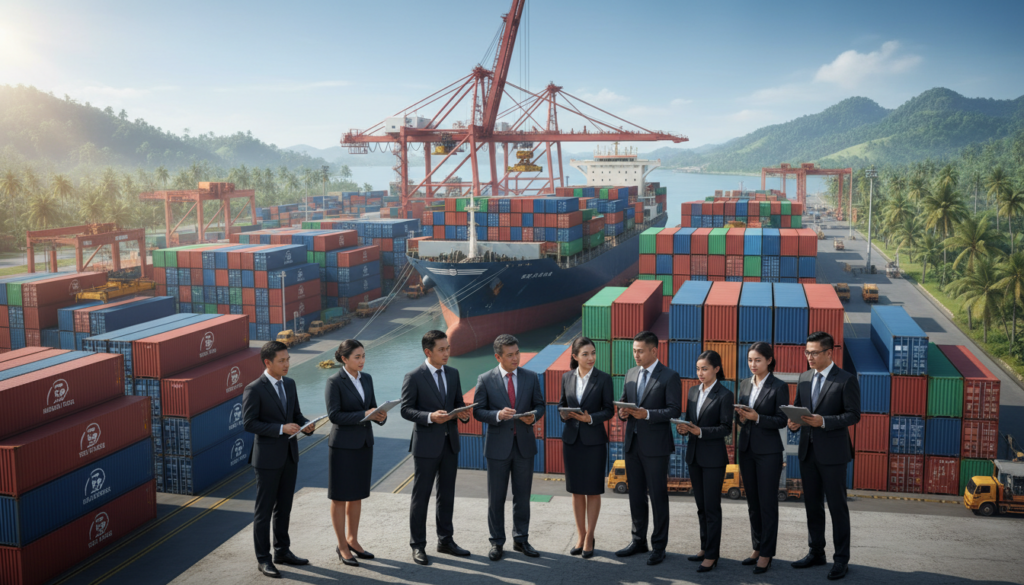
Understanding Customs and Trade Regulations
Navigating the legal framework is the foundation of any successful import operation. Indonesian authorities have streamlined many processes, but compliance remains a critical factor for businesses. You must ensure that all documentation, including certificates of origin and commercial invoices, is accurate to avoid costly delays at the border.
Working with local experts can simplify the complexities of exporting goods from Indonesia. By staying informed about current trade policies, you can maintain a smooth flow of inventory. Consider these essential compliance steps:
- Verify the Harmonized System (HS) codes for your specific products.
- Ensure all export permits are secured before the cargo reaches the port.
- Maintain clear communication with your Indonesian suppliers regarding documentation requirements.
Shipping and Freight Considerations for US Importers
Once your goods are cleared for export, choosing the right freight method is the next major hurdle. The distance between Indonesia and the United States necessitates a robust logistics plan that balances speed with cost-effectiveness. Most importers rely on a mix of ocean and air freight to manage their inventory needs.
Reliability is the key to maintaining a competitive edge in the US market. When planning your logistics, keep these factors in mind to ensure your cargo arrives on time:
- Ocean Freight: Ideal for large, bulk shipments, though it requires longer lead times.
- Air Freight: Best for high-value or time-sensitive items that need to reach the US quickly.
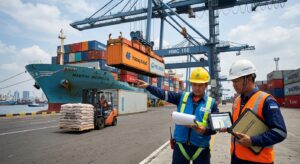
- Port Infrastructure: Utilize major hubs like Tanjung Priok to ensure your shipments are handled by experienced logistics providers.
By focusing on these logistical pillars, you can confidently manage the process of exporting goods from Indonesia. A proactive strategy will help you mitigate risks and maximize the efficiency of your supply chain.
Conclusion
Indonesia stands as a powerhouse in the global market, offering a diverse range of high-quality goods that fuel international industries. The nation successfully bridges the gap between raw resource extraction and sophisticated manufacturing processes.
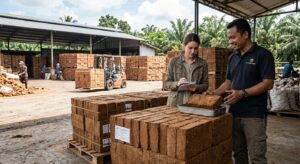
Businesses looking to source premium materials can find reliable partners across the archipelago. For instance, companies seeking sustainable energy solutions often turn to coconut charcoal briquettes produced in West Sumatera. These products highlight the country’s ability to transform natural waste into high-demand export commodities.
Strategic partnerships remain the key to navigating this vibrant trade landscape. By leveraging local expertise and modern production standards, international buyers secure consistent supply chains. This synergy between Indonesian producers and global distributors drives economic growth for all parties involved.
Exploring these trade opportunities allows your organization to tap into a resilient and expanding market. Whether you focus on agricultural goods or industrial components, the potential for long-term success is significant. Start building your connections today to benefit from the unique advantages Indonesia offers to the United States and beyond.