

Introduction to Indonesia’s Trade Landscape
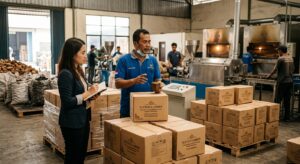
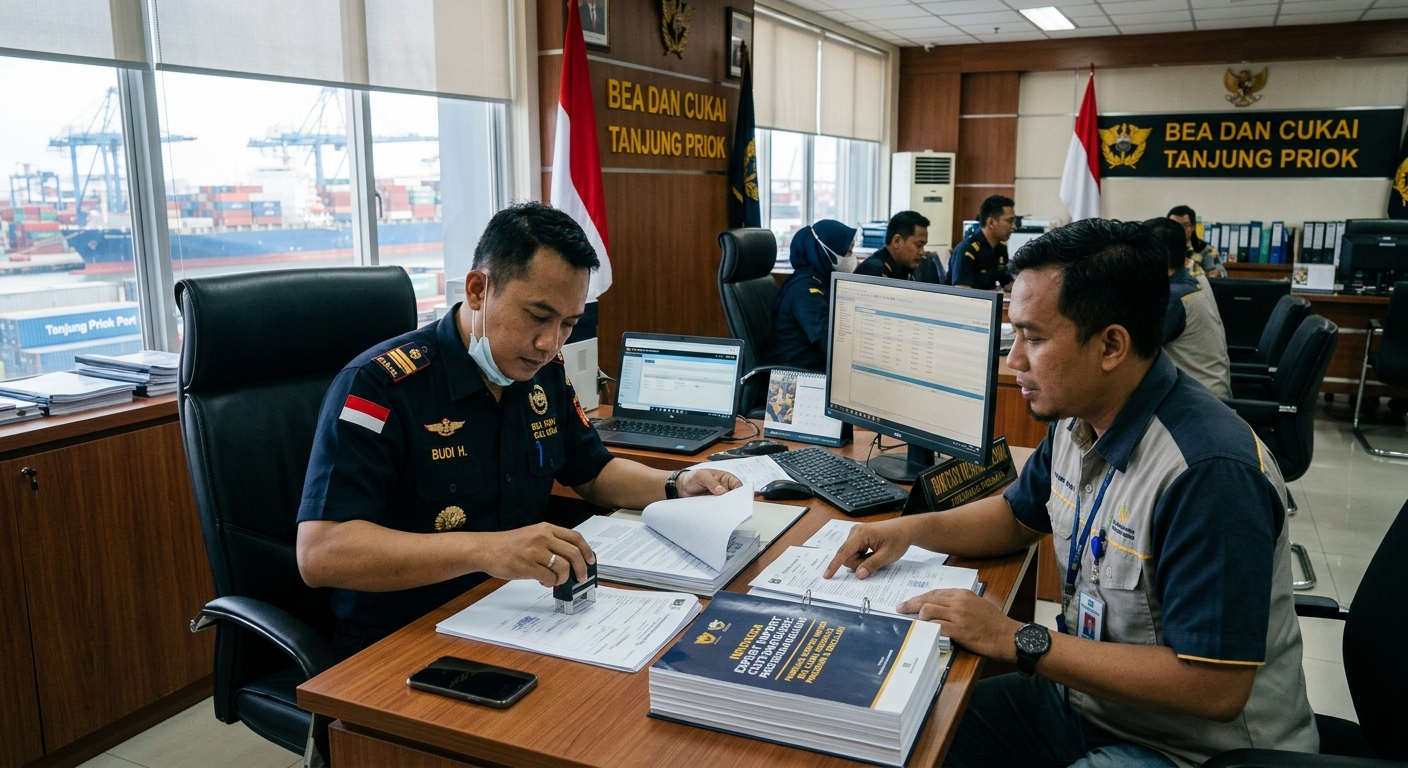
Indonesia, the largest economy in Southeast Asia, offers immense opportunities for global trade. Navigating the export and import procedures requires a solid understanding of the local customs regulations, documentation requirements, and trade agreements. Whether you are looking to source raw materials or manufacture goods, having a firm grasp of the Directorate General of Customs and Excise (DGCE) rules is vital for smooth operations.
In this guide, we will explore the essential steps, documents, and regulations involved in exporting from and importing to Indonesia. From securing a Business Identification Number (NIB) to understanding specific commodity regulations, this article serves as your foundational roadmap.
Setting Up for Export and Import in Indonesia
Before engaging in international trade in Indonesia, businesses must register and obtain the necessary licenses. The implementation of the Online Single Submission (OSS) system has significantly streamlined this process.
The Business Identification Number (NIB)
The NIB (Nomor Induk Berusaha) acts as the fundamental business identity for companies operating in Indonesia. For traders, the NIB replaces the previously required Company Registration Certificate (TDP), Importer Identification Number (API), and Customs Access Right (NIK). Obtaining an NIB through the OSS system is the mandatory first step for any entity planning to export or import goods.
Additional Licenses and Permits
Depending on the nature of the goods, additional permits from relevant ministries (such as the Ministry of Trade, Ministry of Agriculture, or BPOM for food and drugs) may be required. Ensuring compliance with these specific regulations prevents delays and penalties at the border.
The Import Process: Step by Step
Importing goods into Indonesia involves several critical steps to ensure compliance with customs regulations and timely clearance of shipments.
Required Import Documentation
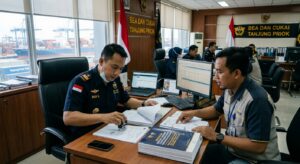
Accurate documentation is the cornerstone of successful customs clearance. Importers must prepare the following key documents:
- Import Declaration (PIB): The official declaration of imported goods submitted to the customs office.
- Commercial Invoice: Detailing the transaction value, description of goods, and terms of sale.
- Packing List: Specifying the contents, weight, and dimensions of each package.
- Bill of Lading / Air Waybill: The transport document serving as a receipt of freight services.
- Certificate of Origin (CoO): Required to claim preferential tariff rates under free trade agreements.
Customs Valuation and Duties
Customs duties and taxes are calculated based on the CIF (Cost, Insurance, and Freight) value of the goods. In addition to import duties, goods are subject to Value Added Tax (VAT) and Income Tax (Article 22). Certain luxury goods may also incur a Luxury Goods Sales Tax (PPnBM).
The Export Process: Expanding Global Reach
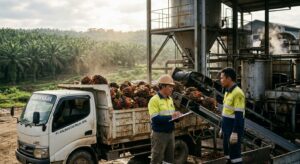
Exporting from Indonesia is generally encouraged by the government, with many commodities enjoying zero export duties. However, specific raw materials and natural resources may be subject to export taxes or quotas to ensure domestic supply and encourage downstream industries.
For a detailed look at how to handle large-scale commodity shipments, you can refer to The Ultimate Guide to Exporting Commodities from Indonesia B2B, which provides excellent insights into bulk trading.
Required Export Documentation
Exporters must prepare a specific set of documents, including:
- Export Declaration (PEB): Submitted electronically to the customs authority before the goods are loaded onto the vessel.
- Commercial Invoice and Packing List: Standard commercial documents for international trade.
- Export Permit (if applicable): Certain restricted goods require approval from the Ministry of Trade.
- Phytosanitary or Health Certificates: Mandatory for agricultural and food products.
For instance, if you are exporting agricultural products, understanding the specific requirements is crucial. You can read A Complete Guide to Wholesale Cocopeat Growing Media from Indonesia for an example of handling specific agricultural commodities.
Trade Agreements and Manufacturing Opportunities
Indonesia actively participates in various bilateral and multilateral trade agreements, providing tariff advantages for businesses. Understanding these agreements can significantly reduce landing costs.
For businesses looking toward the European market, reviewing A Comprehensive Analysis of the Indonesia-Europe Trade Agreement is highly recommended to understand current tariff benefits and compliance rules.
Furthermore, Indonesia is becoming a hub for manufacturing. Many international brands leverage local facilities to produce goods under their own brand names. If you are considering this route, check out A Complete Guide to Indonesia Private Label Manufacturing and OEM to explore how to set up production legally and efficiently for export.
The table below compares the basic document requirements for general importing versus exporting in Indonesia.
| Document / Requirement | Import Process | Export Process |
|---|---|---|
| Primary Declaration Form | PIB (Pemberitahuan Impor Barang) | PEB (Pemberitahuan Ekspor Barang) |
| Basic License Required | NIB (Nomor Induk Berusaha) | NIB (Nomor Induk Berusaha) |
| General Taxation | Import Duty, VAT, Income Tax Art 22 | Usually 0% (Except specific raw materials) |
| Certificate of Origin (CoO) | Required to claim lower tariffs | Issued to buyer for tariff benefits |
Conclusion
Successfully navigating Indonesia’s export and import customs requires meticulous preparation, a clear understanding of the regulatory framework, and strict adherence to documentation standards. By securing the proper licenses like the NIB and understanding the specific requirements for your commodities, businesses can minimize delays and optimize their supply chains. As Indonesia continues to integrate into the global economy through trade agreements and manufacturing incentives, the opportunities for B2B trade are more promising than ever.
Frequently Asked Questions (FAQ)
What is the OSS system in Indonesia?
The Online Single Submission (OSS) system is a web-based business licensing portal in Indonesia that issues the Business Identification Number (NIB) and other necessary operational permits, streamlining the registration process for companies.
Are all exports from Indonesia tax-free?
While the majority of manufactured goods and general commodities are exempt from export duties to encourage international trade, certain raw materials, minerals, and specific agricultural products are subject to export taxes to promote domestic processing.
How are import duties calculated in Indonesia?
Import duties are calculated based on the customs value of the goods, which is typically the Cost, Insurance, and Freight (CIF) value. The exact tariff rate depends on the Harmonized System (HS) code of the imported product.
Can foreign companies import goods into Indonesia without a local entity?
Generally, a foreign company needs a legally established entity in Indonesia with a valid NIB to act as the Importer of Record. Alternatively, they can use the services of an authorized local importer or a customs brokerage firm with the appropriate licenses.