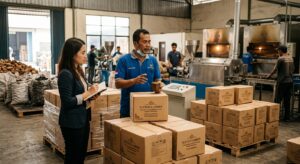


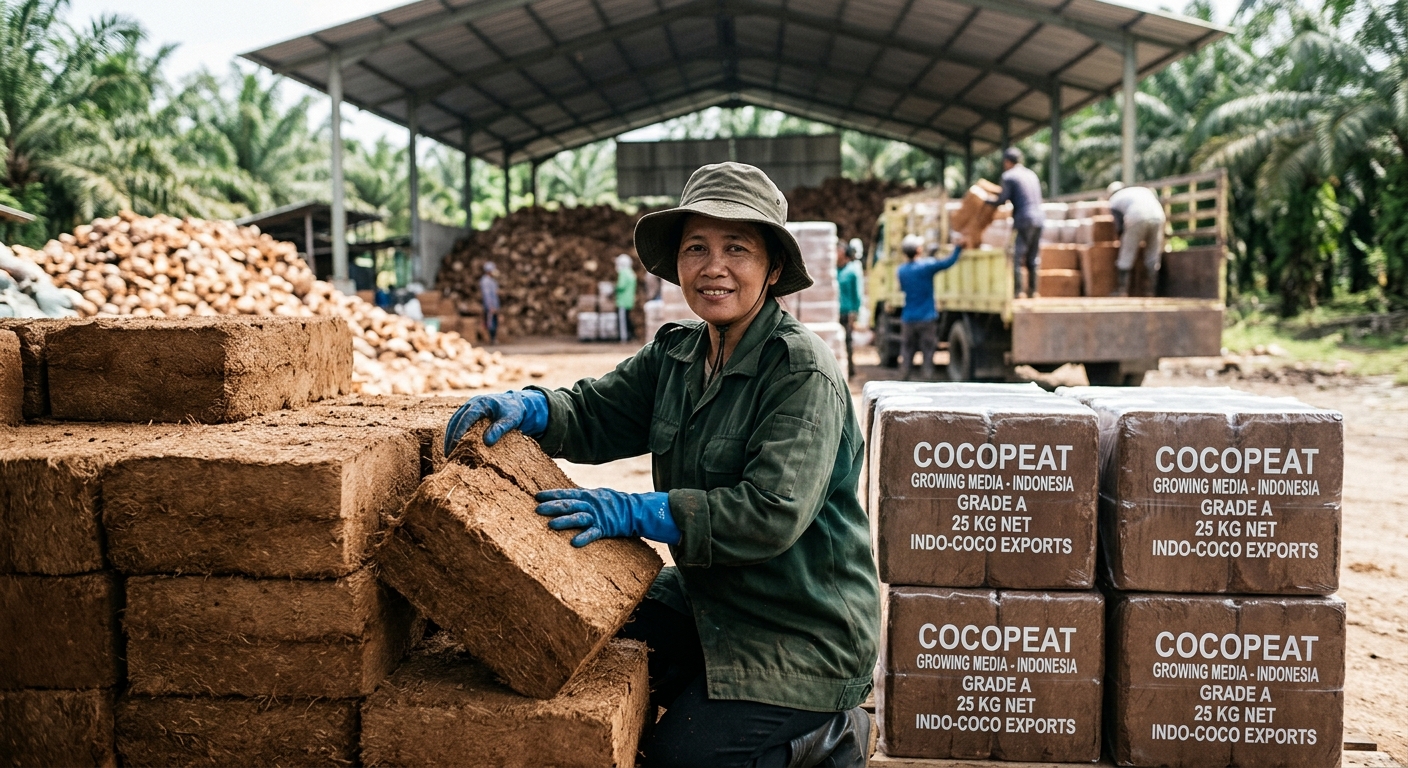
Introduction to Wholesale Cocopeat Growing Media
As the global agriculture and horticulture industries continue to evolve, the demand for sustainable, high-quality growing media has skyrocketed. One of the most sought-after materials in this space is cocopeat, a versatile by-product of the coconut industry. Indonesia, boasting a massive tropical coastline and an extensive coconut industry, has emerged as a leading global supplier of this exceptional resource. If you are looking to source wholesale cocopeat growing media, Indonesia offers unmatched quality and volume.
Cocopeat, also known as coir pith, coir fibre pith, or simply coir, is the spongy material found between the hard internal shell and the outer coat of a coconut. Once considered waste, it is now celebrated for its excellent water retention, aeration properties, and natural resistance to diseases and pests. Sourcing it directly from Indonesian wholesalers ensures you get a premium product while supporting sustainable agricultural practices.
The Benefits of Using Cocopeat as a Growing Medium
Cocopeat has revolutionized modern farming, greenhouse cultivation, and hydroponics. Its benefits are numerous, making it a staple for commercial growers worldwide.
Exceptional Water Retention and Aeration
One of the primary reasons growers prefer cocopeat is its extraordinary ability to hold water—up to eight or nine times its own weight—while still providing excellent drainage and aeration. This balance is critical for root health, preventing conditions like root rot while ensuring plants have a steady supply of moisture.
Eco-Friendly and Sustainable
Unlike peat moss, which takes centuries to regenerate and whose extraction damages vital wetland ecosystems, cocopeat is a 100% renewable resource. Coconuts are harvested every 45 to 60 days, making cocopeat a highly sustainable alternative. By choosing wholesale cocopeat from Indonesia, agricultural businesses can significantly reduce their carbon footprint.
Neutral pH and High Cation Exchange Capacity
Cocopeat naturally has a pH range of 5.5 to 6.8, which is ideal for most plants. Additionally, its high Cation Exchange Capacity (CEC) allows it to hold onto nutrients and release them to the plants as needed, improving fertilizer efficiency.
Sourcing Cocopeat from Indonesia: What You Need to Know
Indonesia’s geographical location and climate make it one of the largest coconut producers in the world. However, sourcing wholesale cocopeat requires an understanding of the local market, product specifications, and international trade laws.
Understanding Product Grades
Not all cocopeat is created equal. Indonesian suppliers typically offer various grades based on the washing process (which removes natural salts), particle size, and compression ratio. It is essential to communicate your specific needs—whether for hydroponic vegetables, potting mixes, or soil conditioning—to ensure you receive the appropriate grade.
Here is a comparison of common cocopeat block types available from Indonesian wholesalers based on their applications and specifications:
| Cocopeat Type | Electrical Conductivity (EC) | Primary Application | Expansion Volume (per 5kg block) |
|---|---|---|---|
| Washed (Low EC) | < 0.5 mS/cm | Hydroponics, Seedlings | 70 – 75 Liters |
| Unwashed (High EC) | > 1.0 mS/cm | Animal Bedding, Spill Absorbent | 60 – 65 Liters |
| Buffered | < 0.5 mS/cm (Calcium Treated) | Sensitive Crops, Soft Fruits | 70 – 75 Liters |
Navigating Order Quantities and Suppliers
When dealing with international suppliers, minimum order quantities can vary significantly. Some factories may require a full 40-foot container load to offer the best wholesale pricing. To better understand how to negotiate and plan your purchases, you should review A Complete Guide to Minimum Order Quantity with Indonesia Suppliers. This knowledge will help you align your inventory needs with supplier capabilities.
Compliance and Export Regulations
Importing agricultural products requires strict adherence to international and local regulations. Indonesian exporters must comply with specific phytosanitary standards to ensure the cocopeat is free from pests and diseases before it leaves the country.
Additionally, it is highly recommended to familiarize yourself with the broader regulatory environment. For instance, you should read the Comprehensive Guide to Indonesia Trade Regulations for Exporters to ensure a smooth customs clearance process. Furthermore, while cocopeat is a coconut by-product, related agricultural and forestry exports often have overlapping documentation requirements. For context on such documentation, see the Indonesian Wood Products Export Certificate: The Ultimate Compliance Guide.
To connect with verified suppliers and navigate these complexities, partnering with an experienced platform is invaluable. You can explore trusted Indonesian suppliers to secure high-quality wholesale cocopeat that meets your exact specifications.
Conclusion
Wholesale cocopeat growing media from Indonesia offers an unbeatable combination of quality, sustainability, and volume. By understanding the different grades, managing minimum order quantities, and ensuring compliance with export regulations, agricultural businesses can secure a reliable supply of this essential growing medium. Embracing Indonesian cocopeat not only enhances crop yields but also promotes environmentally responsible farming practices worldwide.
Frequently Asked Questions (FAQ)
What is the difference between washed and unwashed cocopeat?
Washed cocopeat has been treated with fresh water to reduce its natural salt content (low EC), making it suitable for plant cultivation. Unwashed cocopeat retains high salt levels (high EC) and is generally used for non-agricultural purposes like animal bedding.
Why should I import cocopeat from Indonesia?
Indonesia is one of the world’s top coconut producers, offering vast quantities of high-quality cocopeat at competitive wholesale prices. The country’s suppliers are experienced in international export and processing standards.
Does cocopeat expire?
Cocopeat does not have a strict expiration date if stored correctly. It should be kept in a dry, cool place away from direct sunlight to maintain its structural integrity and prevent mold growth before use.
Can cocopeat be reused?
Yes, one of the major advantages of cocopeat is that it can be reused for several growing cycles. However, it should be properly sterilized and buffered between uses to prevent disease transmission and nutrient imbalances.