


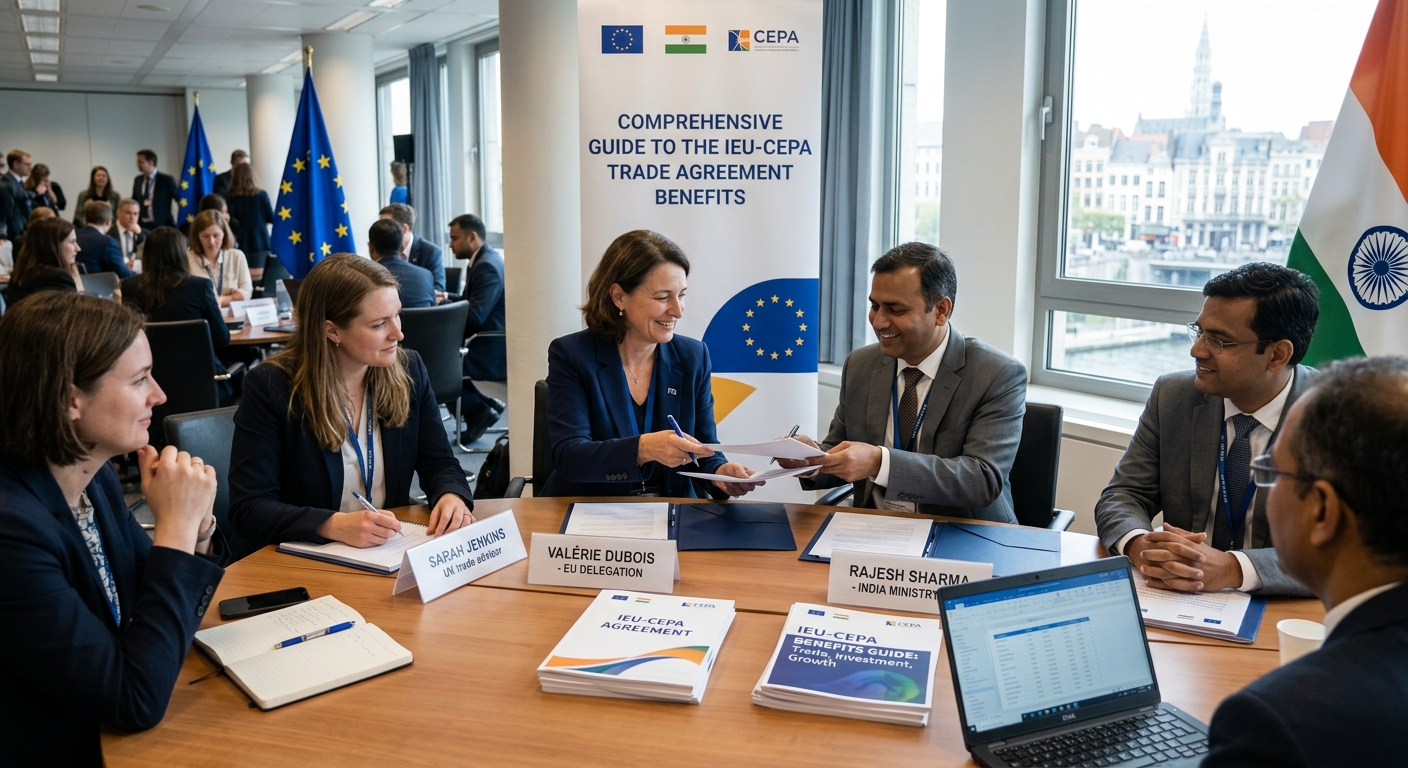
Introduction to the IEU-CEPA Trade Agreement
The Indonesia-European Union Comprehensive Economic Partnership Agreement (IEU-CEPA) represents a significant milestone in international trade relations. As global markets become increasingly interconnected, securing mutually beneficial trade agreements is paramount for economic growth. The IEU-CEPA is designed to eliminate trade barriers, enhance market access, and foster sustainable economic development between Indonesia and the European Union. This comprehensive agreement not only boosts the export and import of goods but also addresses services, investments, and intellectual property rights, paving the way for a robust economic partnership.
Key Benefits of the IEU-CEPA
Tariff Reductions and Market Access
One of the primary benefits of the IEU-CEPA is the substantial reduction or elimination of tariffs on a wide range of goods. For Indonesian exporters, this means easier and more competitive access to the vast European market. Conversely, European businesses will find a more welcoming environment in Indonesia, one of the fastest-growing economies in Southeast Asia. Proper documentation is crucial to leverage these benefits; for instance, understanding the Comprehensive Guide to the Indonesia Export Certificate of Origin is essential for exporters to prove the origin of their goods and qualify for preferential tariffs.
Enhanced Investment Opportunities
The agreement also aims to create a more predictable and secure environment for foreign direct investment (FDI). By standardizing regulations and offering stronger protections for investors, both regions expect to see a surge in cross-border investments. This influx of capital is expected to stimulate job creation, technology transfer, and infrastructure development in Indonesia, while providing European investors with lucrative opportunities in a dynamic market.
Impact on Key Industries
Agriculture and Agribusiness
The agricultural sector stands to gain immensely from the IEU-CEPA. Indonesian products such as palm oil, coffee, and cocoa will benefit from better market access. Additionally, niche products are seeing increased demand. For businesses looking to capitalize on this, A Comprehensive Guide to Sourcing Cocopeat from Indonesia for the European Market provides valuable insights into agricultural trade dynamics under the new agreement.
Manufacturing and Services
The manufacturing sector will benefit from reduced costs of imported raw materials and machinery, enhancing the competitiveness of Indonesian products globally. In the services sector, the agreement facilitates the mobility of professionals and standardizes qualifications, which is vital for industries ranging from IT and telecommunications to finance and education. When engaging in these sectors, businesses must ensure solid legal frameworks, which is why resources like How to Draft an Indonesian Supply Agreement: A Comprehensive Guide are highly recommended.
Comparing Regional Economic Indicators
To understand the potential impact of the IEU-CEPA, it is helpful to compare the economic scale and focus of the two participating regions. The table below highlights key economic attributes of Indonesia and the European Union, illustrating the complementary nature of this partnership.
| Economic Indicator | Indonesia | European Union |
|---|---|---|
| Primary Exports | Coal, Palm Oil, Natural Gas | Machinery, Pharmaceuticals, Vehicles |
| Market Size (Population) | 275 Million | 447 Million |
| Economic Focus | Emerging Market, Rapid Growth | Developed Market, High-Tech Services |
| FDI Outflow | Moderate | High |
Navigating the New Trade Landscape
To fully benefit from the IEU-CEPA, businesses must adapt to the new regulatory environment. This involves staying updated on compliance requirements, sustainability standards, and customs procedures. Consulting with experts and utilizing platforms like PT Export Nusa can provide businesses with the necessary tools and networks to successfully navigate this evolving landscape.
Conclusion
The IEU-CEPA is a transformative agreement that promises to deepen economic ties between Indonesia and the European Union. By lowering trade barriers, protecting investments, and promoting sustainable practices, it offers a wealth of opportunities for businesses in both regions. As the agreement takes effect, proactive companies that align their strategies with the new framework will be well-positioned to thrive in the competitive global market.
Frequently Asked Questions
What is the main objective of the IEU-CEPA?
The main objective is to increase bilateral trade and investment by reducing tariffs, removing non-tariff barriers, and establishing clear, predictable rules for business operations between Indonesia and the EU.
How will the IEU-CEPA affect small and medium-sized enterprises (SMEs)?
The agreement includes specific provisions aimed at helping SMEs access the market more easily, reducing the administrative burden, and providing clearer guidelines for export and import processes.
Does the agreement address environmental sustainability?
Yes, the IEU-CEPA incorporates robust chapters on sustainable development, ensuring that trade and investment do not come at the expense of environmental protection or labor rights.
When will the tariff reductions take effect?
Tariff reductions are typically phased in over a set period following the ratification and implementation of the agreement, with some immediate eliminations for specific goods.