

Introduction to Sourcing Cocopeat from Indonesia
As the demand for sustainable and eco-friendly agricultural products continues to rise globally, European markets are increasingly turning to cocopeat as a premium growing medium. Known for its excellent water retention, aeration properties, and natural resistance to diseases, cocopeat has become a staple in horticulture, hydroponics, and soil conditioning. When it comes to finding a reliable source for this valuable commodity, Indonesia stands out as a leading producer and exporter.
Indonesia’s tropical climate and vast agricultural landscapes make it an ideal environment for coconut cultivation. Consequently, the country produces immense quantities of coconut by-products, including cocopeat and coconut fiber. For European buyers, partnering with a reputable cocopeat supplier in Indonesia offers a strategic advantage, combining high-quality materials with competitive pricing.
In this comprehensive guide, we will explore the nuances of sourcing cocopeat from Indonesia for the European market, covering everything from quality standards and supplier selection to logistics and customs clearance.
Why Choose Indonesia as Your Cocopeat Supplier?
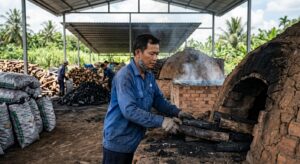
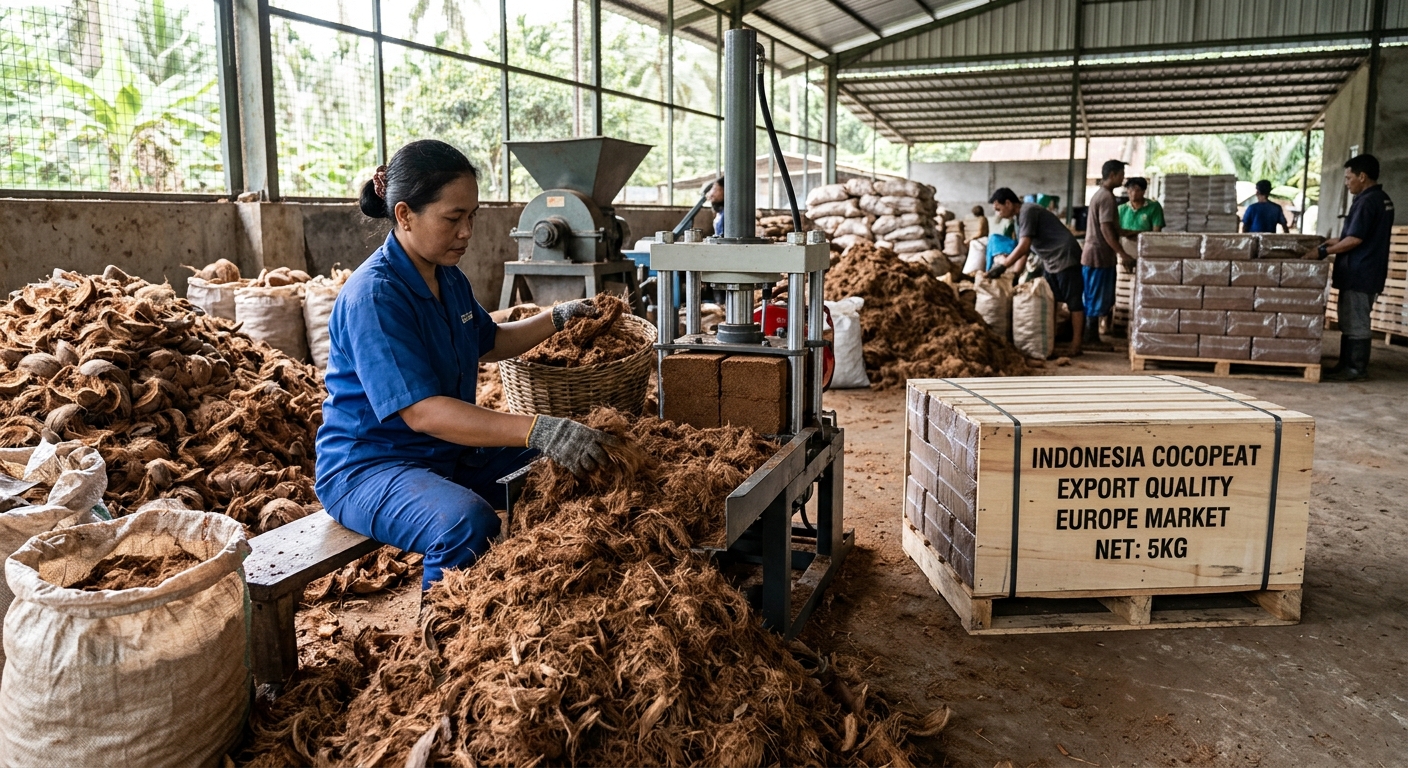
Indonesia is one of the world’s top producers of coconuts, which naturally translates to a massive production capacity for cocopeat. The industry has matured significantly over the past decade, with suppliers investing in modern processing equipment to meet strict international standards, particularly those required by European buyers.
When assessing agricultural products, it is crucial to understand the market dynamics. In fact, cocopeat is widely considered among The Best Agricultural Commodities to Import for Maximum Profit due to its low weight-to-volume ratio when compressed, making shipping highly efficient. Furthermore, Indonesian suppliers offer various grades of cocopeat, tailored to specific agricultural and horticultural needs, ranging from fine dust for seed germination to coarser chips for orchid cultivation.
Understanding Export Grades and Quality Standards
For European buyers, quality is non-negotiable. The European Union has strict regulations regarding plant health, heavy metal content, and phytosanitary conditions. When importing cocopeat, it is essential to ensure that the supplier adheres to these stringent requirements.
High-quality export-grade cocopeat is typically washed to reduce electrical conductivity (EC) levels, ensuring that naturally occurring salts do not harm sensitive plants. It is also carefully dried to achieve optimal moisture content, usually below 15%, to prevent mold growth during transit. To further understand the intricacies of related coconut products, buyers can refer to A Complete Guide to Choosing an Export Grade Coconut Fiber Supplier, which shares similar quality control principles.
Below is a comparison of common cocopeat grades available from Indonesian suppliers:
| Cocopeat Grade | Particle Size | Electrical Conductivity (EC) | Primary Application |
|---|---|---|---|
| Low EC (Washed) | 0.5mm – 5mm | < 0.5 mS/cm | Hydroponics, Seedlings |
| High EC (Unwashed) | 0.5mm – 5mm | > 1.0 mS/cm | Animal bedding, Spill absorption |
| Coco Chips | 10mm – 20mm | < 0.5 mS/cm | Orchids, Anthuriums |
Navigating Logistics and Minimum Order Quantities
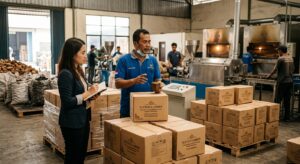
One of the primary considerations when importing from Indonesia is logistics. Cocopeat is usually shipped in compressed 5kg blocks, which are palletized and loaded into 20ft or 40ft High Cube containers. A standard 40ft HC container can hold approximately 22 to 24 metric tons of compressed cocopeat.
European buyers must also be aware of the supplier’s production capacity and order requirements. To help plan your inventory and purchasing strategy, it is highly recommended to review A Complete Guide to Minimum Order Quantity with Indonesia Suppliers. Understanding these quantities will allow you to negotiate better terms and optimize shipping costs.
The Customs Clearance Process
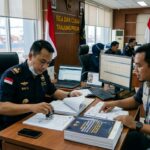
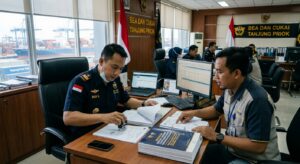
Exporting agricultural products from Indonesia to Europe involves a series of regulatory hurdles. The primary port of exit for many suppliers in Java is Tanjung Priok in Jakarta. Ensuring that all documentation, such as the Bill of Lading, Commercial Invoice, Packing List, Phytosanitary Certificate, and Certificate of Origin, is accurate is vital to prevent delays.
A thorough understanding of local export procedures can save buyers significant time and money. For detailed insights into navigating this crucial port, buyers should consult Mastering the Customs Clearance Process at Tanjung Priok: A Comprehensive Guide. Proper preparation ensures that containers clear customs smoothly and arrive in Europe without incurring demurrage charges.
Conclusion
Sourcing cocopeat from an Indonesian supplier for the European market presents a lucrative and sustainable business opportunity. By understanding the various grades of cocopeat, strictly adhering to quality standards, and navigating the logistical and customs processes efficiently, European buyers can establish reliable supply chains. Indonesia’s capacity to produce premium, export-grade cocopeat makes it an indispensable partner in the global shift towards greener agricultural practices.
Frequently Asked Questions (FAQ)
What makes Indonesian cocopeat suitable for the European market?
Indonesian cocopeat is highly regarded for its excellent water retention and aeration. Reputable suppliers wash and process the cocopeat to achieve the Low EC (Electrical Conductivity) levels required by European horticulturists, ensuring it is safe for sensitive plants and hydroponic systems.
How is cocopeat packaged for shipping to Europe?
To maximize shipping efficiency, cocopeat is highly compressed into blocks, most commonly weighing 5kg. These blocks are then stacked on pallets, wrapped in stretch film, and loaded into 40ft High Cube containers, which can hold over 20 metric tons.
Are phytosanitary certificates required for importing cocopeat to the EU?
Yes, importing plant-based materials like cocopeat into the European Union strictly requires a Phytosanitary Certificate. This document proves that the product has been inspected and is free from pests, diseases, and harmful weeds, complying with EU agricultural regulations.
What is the typical lead time for a container of cocopeat from Indonesia to Europe?
The total lead time usually ranges from 6 to 8 weeks. This includes 2 to 3 weeks for production, drying, and packing in Indonesia, followed by approximately 4 to 5 weeks of ocean transit time, depending on the destination port in Europe.