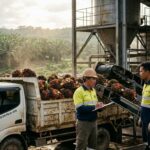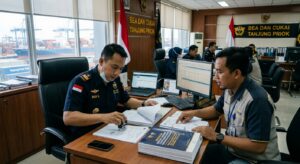



The trade partnership between the United States and Indonesia is growing at an impressive pace. As American companies look to diversify their supply chains, this Southeast Asian nation offers a wealth of natural resources and a highly competitive production environment.
However, success in this market requires a clear grasp of Indonesian export regulations. Navigating these legal frameworks is essential for any business aiming to build a stable and long-term presence in the region.
By mastering these rules, your company can effectively leverage local manufacturing strengths while avoiding common logistical pitfalls. If you need professional guidance, ExportNusa provides the necessary support to streamline your operations from production to final delivery.
Understanding these requirements is the first step toward unlocking new growth opportunities. When you align your strategy with current Indonesian export regulations, you ensure a smoother flow of goods and greater peace of mind for your stakeholders.
Key Takeaways
- The US-Indonesia trade relationship offers significant strategic advantages for supply chain diversification.
- Compliance with local legal frameworks is critical for maintaining stable and efficient operations.
- Leveraging local production environments can provide a competitive edge in global markets.
- Professional support services help businesses navigate complex documentation and shipping requirements.
- Strategic planning allows companies to mitigate risks while accessing high-quality natural resources.
The Landscape of Indonesian Export Regulations
For US businesses, understanding the framework of Indonesian export regulations is the key to unlocking new market opportunities. The Indonesian government has established a clear, structured system to manage the flow of goods across its borders effectively. This framework ensures that every product leaving the country meets high standards of quality and legal compliance.
To maintain full transparency, the government mandates that all exporters hold valid business licenses and official registrations. These requirements are not just bureaucratic hurdles; they are essential tools designed to maintain complete traceability throughout the supply chain. By adhering to these rules, companies can ensure their operations remain secure and reliable.
Engaging with these Indonesian export regulations allows your business to build a foundation of trust with local partners. When you prioritize compliance, you minimize the risk of delays and protect your investment in the long run. Staying informed is the first step for any US business looking to engage in secure and transparent cross-border trade.
Key Regulatory Bodies Governing Indonesian Trade
Understanding the core framework of Indonesia trade policies is essential for any US business aiming to establish a reliable supply chain. Navigating these requirements starts with identifying the specific government agencies that hold authority over your goods. By working with experts at ExportNusa, you can gain clarity on how these institutions influence your daily operations.
Ministry of Trade Oversight
The Ministry of Trade serves as the primary architect of national commerce regulations. This body is responsible for issuing essential export licenses and setting the rules for restricted commodities. Compliance here is not optional; it is the foundation of your ability to move products across borders legally.
They frequently update guidelines to align with global standards and local economic goals. Staying informed about these shifts in Indonesia trade policies ensures that your business remains proactive rather than reactive. Their oversight covers everything from product quality standards to the specific documentation required for international clearance.
Directorate General of Customs and Excise
Once your goods reach the border, the Directorate General of Customs and Excise takes the lead. This agency manages the physical inspection of shipments and the collection of all applicable duties and taxes. They act as the final gatekeeper, ensuring that every item matches the declared documentation.
“Regulatory compliance is the silent partner of every successful international trade venture. When you respect the authority of local customs, you build a foundation for long-term growth and stability.”
To help you distinguish between these two vital entities, we have outlined their primary responsibilities in the table below:
| Agency | Primary Focus | Key Responsibility |
|---|---|---|
| Ministry of Trade | Policy & Licensing | Issuing export permits and setting trade rules. |
| Customs & Excise | Border Enforcement | Inspecting cargo and collecting import/export duties. |
| Joint Effort | Compliance | Ensuring all goods meet national safety standards. |
By coordinating with both the Ministry of Trade and the customs authorities, you can avoid costly delays. A deep understanding of these Indonesia trade policies allows your team to prepare documentation accurately before the shipment leaves the warehouse.
Navigating Export Controls and Licensing Requirements
Successfully moving products from Indonesia to the United States depends on your ability to navigate strict regulatory frameworks. Staying ahead of Indonesian export regulations is not just about paperwork; it is about ensuring your supply chain remains uninterrupted and legally sound. By prioritizing transparency, you can build a sustainable foundation for your international trade operations.
Understanding Restricted and Prohibited Goods
Not all items move freely across borders, and identifying the status of your cargo is a critical first step. Some goods are subject to strict export controls Indonesia protocols to ensure national security and environmental protection. You must verify if your products fall under restricted categories, such as endangered timber, specific minerals, or dual-use technology.
“Compliance is not a destination, but a continuous journey of vigilance and adaptation in the global marketplace.”
It is vital to cross-reference these lists with US-based dual-use regulations. When you align your internal processes with both local and international standards, you minimize the risk of shipment seizures. Utilizing resources like Indonesian export regulations guidance can help you stay informed about sudden policy shifts.
Obtaining an Export Approval Document
Once you have confirmed your goods are eligible for export, you must secure the necessary permits. An Export Approval Document acts as your official authorization to move specific commodities out of the country. Without this documentation, your cargo may face significant delays or heavy fines at the port of exit.
The process often requires detailed product specifications and proof of origin. Export compliance Indonesia standards demand that these documents are accurate and submitted well in advance of your shipping date. Working closely with your local supplier ensures that all technical data matches the physical goods being loaded.
Steps for Registering as an Exporter
To operate legally, your business must be properly registered within the Indonesian system. The government has streamlined this process through the Online Single Submission (OSS) platform, which simplifies the path to obtaining your Business Identification Number (NIB).
Follow these essential steps to get started:
- Register your company on the official OSS portal to receive your NIB.
- Apply for the specific export license relevant to your commodity category.
- Ensure your business profile is updated with the latest tax and operational data.
- Verify that your local partners are also registered and compliant with current trade laws.
By following these steps, you establish a reliable and transparent trade relationship. Consistent adherence to these requirements protects your investment and fosters long-term growth for your US business.
Managing Custom Duties and Tax Obligations
Navigating the complexities of custom duties Indonesia requires careful planning and attention to detail. When you move goods across borders, understanding the financial impact is just as important as the logistics themselves. By mastering these fiscal requirements, you can protect your bottom line and ensure your operations remain profitable.
Calculating Export Duties for Specific Commodities
Every product category faces unique tariff schedules that directly influence your landed costs. It is vital to classify your goods accurately to avoid unexpected fees or delays at the border. Proper classification is the foundation of a smooth shipping process.
“The art of international trade lies in the ability to anticipate costs before they become obstacles to your growth.”
To help you visualize how these costs break down, consider the following table regarding typical duty structures for common US exports:
| Commodity Type | Duty Range | Key Factor |
|---|---|---|
| Tech Hardware | 0% – 5% | Bilateral Agreement |
| Agricultural Goods | 5% – 15% | Seasonal Quotas |
| Industrial Machinery | 0% – 10% | Usage Certification |
Utilizing Tax Incentives for US Importers
Beyond standard duties, there are several ways to optimize your tax position. Recent bilateral trade agreements between the US and Indonesia offer specific pathways to reduce your overall tax burden. Leveraging these incentives is a smart way to improve your export controls Indonesia strategy.
Many businesses overlook the value of duty drawbacks or specialized tax exemptions available for specific sectors. By working closely with local customs brokers, you can identify which programs apply to your specific supply chain. Strategic planning in this area often leads to significant long-term savings and a stronger competitive edge in the Indonesian market.
Documentation Essentials for Seamless Shipping
When you export from Indonesia, your documentation acts as the passport for your products. Providing precise paperwork is the most effective way to ensure your goods move smoothly through international borders. By maintaining high standards for your files, you can better manage your custom duties Indonesia and avoid unexpected administrative hurdles.

Required Commercial Invoices and Packing Lists
The commercial invoice serves as the primary document for customs authorities to determine the value of your shipment. It must include a detailed description of the goods, the total transaction value, and the currency used. Accuracy is vital here, as any discrepancy can lead to significant delays or penalties during the assessment of custom duties Indonesia.
Alongside the invoice, a comprehensive packing list is mandatory for every shipment. This document provides a breakdown of the weight, dimensions, and packaging type for each item. It allows customs officials to verify the physical contents of your cargo against the declared information, ensuring that your logistics process remains transparent and efficient.
Certificates of Origin and Quality Standards
Certificates of origin are essential documents that verify where your products were manufactured. These certificates often determine whether your goods qualify for preferential tariff treatment under specific trade agreements. Providing clear proof of origin helps importers calculate their tax obligations with greater confidence and precision.
Furthermore, adhering to international quality standards is a critical step for maintaining buyer trust. Many US importers require documentation that proves your goods meet specific safety and performance benchmarks. By organizing these certificates alongside your shipping manifest, you demonstrate professional compliance and streamline the entire import process.
| Document Name | Primary Purpose | Key Requirement |
|---|---|---|
| Commercial Invoice | Valuation and Tax | Detailed itemized pricing |
| Packing List | Logistics Verification | Weight and dimension accuracy |
| Certificate of Origin | Tariff Eligibility | Official government validation |
| Quality Certificate | Compliance Assurance | Safety and standard testing |
Compliance Strategies for US Businesses
Navigating the complexities of global commerce demands a strategic approach to regulatory adherence. When you source goods from abroad, maintaining export compliance Indonesia standards is vital to protect your company from unexpected legal hurdles. By taking proactive steps, you can ensure that your supply chain remains both efficient and transparent.
Conducting Due Diligence on Indonesian Suppliers
Before finalizing any contract, you must verify the legitimacy of your partners. Thorough due diligence helps you avoid risks associated with fraud or poor quality control. You should always request official business licenses and check their standing with local trade authorities.
It is also wise to visit facilities or hire a third-party auditor to inspect operations firsthand. Utilizing resources like ExportNusa can provide the necessary insights to verify that your suppliers meet all local requirements. Building a relationship based on transparency is the best way to mitigate long-term risks.
Implementing Internal Compliance Programs
Once you have vetted your partners, you need a strong internal framework to manage ongoing operations. An effective program ensures that every shipment adheres to international trade laws and internal company policies. You should document every step of the process to maintain a clear audit trail.
Regular training for your logistics team is essential to keep them updated on changing regulations. By standardizing your documentation and review processes, you minimize the chance of errors that could lead to costly delays. A well-structured program acts as a safety net for your business operations.
| Strategy Component | Primary Benefit | Implementation Level |
|---|---|---|
| Supplier Vetting | Fraud Prevention | High |
| Staff Training | Error Reduction | Medium |
| Audit Trails | Regulatory Readiness | High |
| Policy Updates | Compliance Maintenance | Medium |
Ultimately, prioritizing export compliance Indonesia protocols will save your business time and money. By combining rigorous supplier checks with internal oversight, you create a resilient supply chain. Stay informed and stay prepared to ensure your trade ventures remain successful.
Addressing Import Restrictions and Non-Tariff Barriers
While tariffs often grab headlines, non-tariff measures frequently pose the greatest challenge for international exporters. Navigating the complexities of Indonesia trade policies requires a proactive approach to ensure your goods reach their destination without unnecessary delays. By understanding these hurdles, your business can better prepare for the unique regulatory environment of the region.
Technical Barriers to Trade
Technical Barriers to Trade (TBT) often involve specific product standards, testing protocols, and labeling requirements that can complicate market entry. These measures are designed to ensure safety and quality, but they can also act as significant import restrictions Indonesia if not managed correctly. US companies should prioritize the following steps to maintain compliance:
- Verify that your product certifications align with current Indonesian National Standards (SNI).
- Ensure all product labeling is translated and formatted according to local consumer protection laws.
- Consult with local experts to confirm if your goods require pre-shipment inspection or specific laboratory testing.
Staying ahead of these requirements is vital for maintaining a smooth supply chain. When you align your internal processes with these standards, you reduce the risk of goods being held at the border. You can learn more about navigating these Indonesia trade policies by reviewing our comprehensive resources on international compliance.
Sanitary and Phytosanitary Measures
Sanitary and Phytosanitary (SPS) measures are specifically focused on protecting human, animal, and plant life from risks associated with imported goods. These regulations often apply to agricultural products, food items, and certain raw materials. Recent trade agreements have made significant strides in mandating that Indonesia remove unjustified SPS barriers that previously disadvantaged US exports.
Despite these improvements, exporters must remain vigilant regarding documentation and health certifications. Export controls Indonesia regarding food safety are strictly enforced to prevent the introduction of pests or diseases. To ensure your shipments remain compliant, consider these best practices:
- Obtain all necessary health certificates from authorized US government agencies before shipping.
- Monitor updates from the Ministry of Agriculture regarding changes to prohibited or restricted items.
- Maintain clear, transparent records of your supply chain to prove the origin and safety of your products.
By addressing these import restrictions Indonesia early in your planning phase, you protect your business from costly disruptions. Proactive communication with your local partners will further ensure that your operations remain efficient and fully compliant with all regional regulations.
Logistics and Supply Chain Considerations
Efficient supply chain management is the backbone of successful international trade between Indonesia and the US. When you source products from overseas, the physical movement of your cargo is just as important as the quality of the goods themselves. A well-planned strategy ensures that your inventory arrives on time and within your budget.
To streamline your operations, you can find expert guidance at exportnusa.com, which helps businesses navigate the complexities of international shipping. By focusing on reliable logistics, you minimize the risk of delays that often plague global trade routes.
Selecting Reliable Freight Forwarders
Choosing the right partner is the most critical decision you will make for your supply chain. A high-quality freight forwarder acts as your eyes and ears on the ground in Indonesia. They should possess deep knowledge of local regulations and have established relationships with major carriers.
Vetting your forwarder is essential to ensure they can handle your specific cargo needs. Look for partners who offer transparent tracking and proactive communication. A good forwarder will help you navigate potential import restrictions Indonesia may impose on specific product categories, ensuring your paperwork is always in order.
Managing Port Operations and Clearance Times
Indonesian ports can experience seasonal congestion, which often impacts transit schedules. Understanding these peak periods allows you to plan your shipments well in advance. By working closely with your logistics provider, you can anticipate bottlenecks and adjust your timelines accordingly.
Effective clearance management is vital to avoid unnecessary storage fees or delays at the border. Staying informed about current import restrictions Indonesia enforces will help you prepare for inspections and documentation checks. Consistent communication with your customs broker ensures that your goods move through the port as quickly as possible.
| Shipping Method | Average Transit Time | Cost Efficiency | Best For |
|---|---|---|---|
| Ocean Freight | 30-45 Days | High | Bulk Inventory |
| Air Freight | 5-10 Days | Low | Urgent Samples |
| Express Courier | 3-7 Days | Very Low | Small Parcels |
Common Pitfalls and How to Avoid Them
You can protect your bottom line by learning how to bypass the most common hurdles in Indonesian export processes. Even experienced companies sometimes stumble when navigating the complex regulatory environment of international trade. By understanding these frequent mistakes, you can ensure your export compliance Indonesia remains solid and your shipments arrive on time.
Misclassification of Goods
One of the most frequent errors involves the incorrect classification of products under the Harmonized System (HS) codes. When goods are mislabeled, it often leads to incorrect assessments of custom duties Indonesia, which can trigger audits or heavy fines. Precision is your best defense against these costly administrative errors.
To avoid this, always verify your product codes with local experts or utilize reliable resources like https://oxicarbon.com to stay updated on current standards. Taking the time to double-check your classification before filing paperwork saves significant time and money in the long run.
Incomplete Documentation Risks
Incomplete or inaccurate paperwork is another major cause of shipping delays at the border. Missing signatures, vague descriptions on commercial invoices, or errors in the Certificate of Origin can halt your cargo for days or even weeks. Maintaining rigorous documentation standards is essential for smooth logistics.
Always ensure that every document matches the physical shipment exactly. If you find discrepancies, address them immediately rather than hoping they go unnoticed by customs officials. Proactive management of your files will help you maintain high levels of export compliance Indonesia throughout your supply chain.
| Common Pitfall | Primary Risk | Prevention Strategy |
|---|---|---|
| HS Code Error | Incorrect custom duties Indonesia | Verify codes with official databases |
| Missing Signatures | Shipment seizure or delay | Implement a document checklist |
| Vague Descriptions | Customs inspection delays | Use detailed, accurate item labels |
| Expired Licenses | Legal penalties | Set automated renewal reminders |
Conclusion
Entering the Indonesian market offers vast potential for American companies ready to expand their global footprint. Success requires a deep understanding of Indonesia trade policies to ensure your operations remain smooth and profitable.
You can turn regulatory challenges into a competitive advantage by staying informed. Proactive planning helps you navigate import restrictions Indonesia imposes on specific goods. This preparation protects your supply chain from unexpected delays.
Building strong relationships with local partners remains a vital step for long-term growth. These connections provide local insights that help you adapt to shifting market demands. Your commitment to compliance fosters trust with government agencies and suppliers alike.
Focus on transparency and accuracy in every shipment to maintain a positive reputation. Consistent adherence to international standards creates a foundation for sustainable trade. Your business can thrive by embracing these practices while exploring new opportunities across the archipelago.
Take the next step by auditing your current logistics and documentation processes today. A strategic approach transforms complex requirements into a clear path for expansion. Start your journey toward building lasting economic partnerships in this vibrant region.