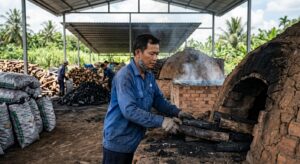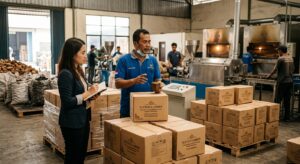



The global economy is shifting rapidly as we move through 2026. Nations are navigating complex geopolitical alliances and domestic policy changes that directly impact international trade. For businesses looking to thrive, understanding these indonesian export industry trends is essential for long-term success.
Strategic sectors like mining, agriculture, and manufacturing are currently undergoing significant transformations. These shifts create unique market expansion opportunities for stakeholders who are prepared to adapt. By leveraging a trusted trading partner, companies can better manage the complexities of modern supply chains.
Staying informed allows you to capitalize on emerging demand for commodities like palm oil, coffee, and sustainable substrates. This guide provides a clear overview of the primary drivers shaping the current fiscal year. We will examine how these developments influence your ability to reach new global customers effectively.
Key Takeaways
- Geopolitical shifts are actively reshaping trade routes and partner alliances for 2026.
- Key sectors including agriculture and manufacturing remain the primary engines of growth.
- Strategic planning is vital to capitalize on new market expansion opportunities.
- Domestic policy adjustments are creating a more streamlined environment for international commerce.
- Reliable supply chain management is the foundation for successful global trade operations.
The Current Landscape of Indonesian Trade
Recent trade statistics reveal a nuanced picture of Indonesia’s economic health and export potential as we move through 2026. From January to March, the nation recorded an export value of US$66.85 billion. This represents a modest increase of 0.34% compared to the same period in 2025, signaling a period of cautious stability.
By performing a detailed export data analysis, we can see that the processing industry has emerged as the primary engine of growth. This sector effectively offsets the temporary declines observed in the traditional agriculture and mining segments. Such shifts are critical for businesses tracking the latest market trends to refine their strategies.
Macroeconomic stability and growth projections
The current economic climate suggests that Indonesia is maintaining a steady course despite global volatility. Economic forecasts indicate that the country’s focus on value-added manufacturing will likely bolster long-term stability. This transition is essential for maintaining investor confidence in an increasingly competitive landscape.
“The resilience of the Indonesian export sector lies in its ability to pivot toward high-value processing, ensuring that the nation remains a vital link in the global supply chain.”
Investors should note that while growth remains incremental, the structural changes within the economy are profound. The following table highlights the performance shifts across key sectors during the first quarter of 2026.
| Sector | Performance Trend | Growth Impact |
|---|---|---|
| Processing Industry | Strong Growth | High |
| Agriculture | Slight Decline | Moderate |
| Mining | Moderate Decline | Moderate |
Shifting dynamics in global supply chains
Global supply chains are undergoing a significant transformation, and Indonesia is positioning itself to capitalize on these changes. Providing accurate market insights is crucial for American businesses looking to navigate these evolving trade routes. The integration of local processing capabilities allows the country to move beyond raw material exports.
This strategic shift helps mitigate risks associated with commodity price fluctuations. By leveraging advanced logistics and policy support, Indonesia is successfully diversifying its trade footprint. Companies that align with these developments will find significant opportunities for growth in the coming years.
Key Indonesian export industry trends for 2026
The landscape of the indonesian export industry is undergoing a significant transformation as we approach 2026. Local businesses are moving beyond traditional markets to secure a more stable economic future. By analyzing current trade statistics, it becomes clear that a strategic pivot is underway to ensure long-term resilience.
Diversification of export destinations
Many firms are now actively seeking to reduce their reliance on a small group of traditional trade partners. This shift is driven by the need to mitigate risks associated with regional economic fluctuations. Companies are increasingly looking toward emerging markets in Africa, the Middle East, and Latin America to expand their reach.
By exploring these new territories, exporters can better balance their portfolios and capitalize on rising consumer demand. This approach is supported by expert guidance on market entry, which helps local producers navigate complex international regulations. Diversification remains a cornerstone of modern global trade trends.
Technological integration in manufacturing
To remain competitive, Indonesian manufacturers are rapidly adopting advanced digital tools and automated processes. This technological leap is essential for meeting the high quality standards required by international buyers. Enhanced production efficiency allows local goods to compete effectively on the world stage.
The integration of smart factory solutions is not just a trend but a necessity for scaling operations. These improvements are reflected in recent trade statistics, which show a rise in value-added exports. As businesses continue to embrace innovation, they solidify their position within the evolving global trade trends.
| Strategy | Primary Goal | Expected Outcome |
|---|---|---|
| Market Diversification | Reduce Partner Reliance | Increased Economic Stability |
| Digital Automation | Improve Quality Control | Higher Export Competitiveness |
| Sustainable Sourcing | Meet Global Standards | Better Brand Reputation |
Ultimately, the ongoing evolution of the indonesian export industry depends on the ability to adapt to these changes. Firms that prioritize both market expansion and technological upgrades will likely lead the sector in the coming years.
The Rise of Downstream Mineral Processing
Indonesia is currently undergoing a massive industrial transformation by prioritizing domestic mineral processing over raw ore exports. This strategic shift aims to capture higher economic value within the country while strengthening its position in the global market. By focusing on value-added processing, the nation is effectively reshaping its role in the international industrial supply chain.
Nickel and the global battery market
Nickel has emerged as a cornerstone of this industrial evolution, particularly due to the surging demand for electric vehicle batteries. As global manufacturers seek reliable sources, Indonesia leverages its vast reserves to become a primary supplier. Industry reports indicate that this focus is essential for long-term export growth strategies, allowing the nation to move up the value chain.
Value-added processing requirements
The government has implemented strict regulatory frameworks to ensure that raw materials undergo domestic refinement before shipment. These requirements encourage companies to build local smelters and processing facilities. Businesses looking to navigate these changes can find valuable insights on export growth strategies to ensure compliance and operational success.
Impact on raw material exports
Moving away from the traditional model of exporting raw ore has significantly altered the trade landscape. While Indonesia produced approximately 790 million tons of coal in 2025, the emphasis is now shifting toward refined products that command higher prices. This transition reduces dependency on volatile commodity markets and fosters a more stable economic environment.
| Mineral Category | Raw Export Status | Processed Value |
|---|---|---|
| Nickel Ore | Restricted | High |
| Coal | Regulated | Moderate |
| Bauxite | Limited | High |
This structural change ensures that the nation retains more wealth from its natural resources. By investing in local infrastructure, Indonesia is building a sustainable future that benefits both domestic workers and international partners.
Digital Transformation in Export Logistics
As global trade trends continue to evolve, Indonesia is actively embracing digital tools to streamline its complex export logistics network. The nation is prioritizing the modernization of its infrastructure to ensure that local goods reach international markets with greater speed and reliability. By integrating advanced software and hardware, businesses can now navigate the complexities of international shipping with unprecedented precision.
Automation in Indonesian ports
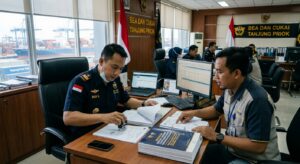
Major Indonesian ports are undergoing a significant shift toward automated cargo handling systems. This transition is designed to drastically reduce turnaround times for container vessels, which directly lowers operational costs for exporters. By minimizing manual intervention, these ports are achieving higher throughput and improved safety standards.
These technological upgrades allow for real-time monitoring of cargo movement across the docks. When companies utilize resources from exportnusa.com, they gain better insights into how these automated processes facilitate smoother logistics operations. Efficiency is no longer optional; it is a core requirement for maintaining a competitive edge in the current market.
Blockchain for supply chain transparency
Beyond physical automation, the implementation of blockchain technology is revolutionizing how data is shared across the supply chain. This digital ledger provides enhanced traceability, allowing international buyers to verify the origin and journey of their products with total confidence. Such transparency is essential for building trust in an era where consumers demand ethical and sustainable sourcing.
Blockchain also helps in mitigating risks associated with documentation errors and fraud. By creating an immutable record of every transaction, stakeholders can ensure that compliance standards are met at every stage of the export process. Adopting these global trade trends ensures that Indonesia remains a preferred partner for businesses seeking secure and transparent supply chain solutions.
Sustainable Agriculture and Green Commodities
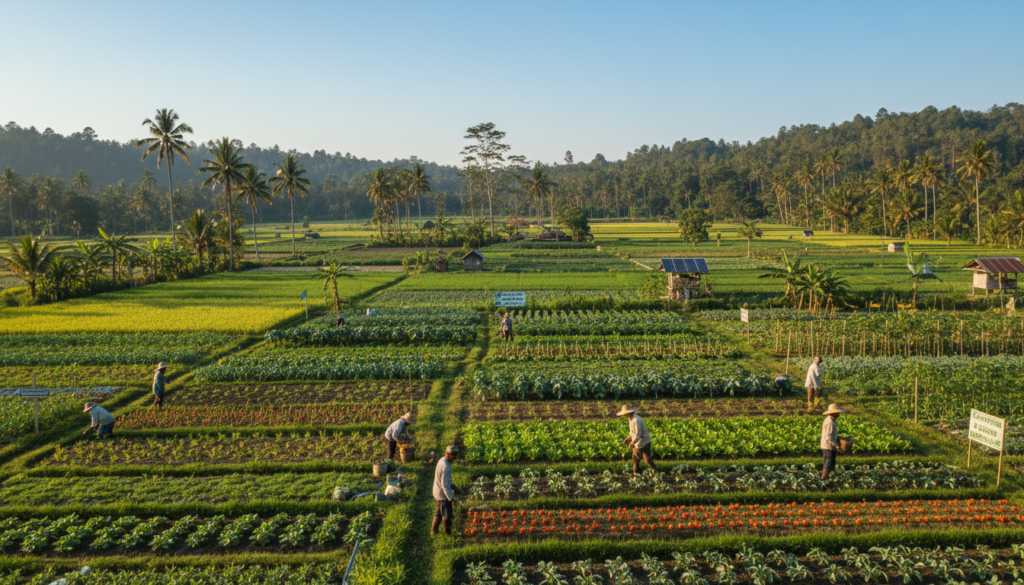
Recent industry reports highlight a significant pivot toward sustainable farming methods across the Indonesian archipelago. As global buyers prioritize environmental responsibility, local producers are adapting their operations to meet these rigorous demands. By leveraging resources from ExportNusa, businesses can better navigate the complexities of international trade requirements.
Palm oil certification and international standards
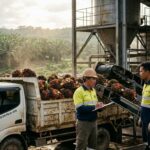
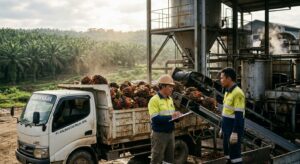
The palm oil sector remains a vital pillar of the economy, yet it faces intense scrutiny regarding land use and biodiversity. To maintain access to premium markets, producers are increasingly adopting mandatory certification frameworks. These standards ensure that products meet the high expectations of global consumers who demand transparency.
- ISPO (Indonesian Sustainable Palm Oil): A mandatory national standard for all producers.
- RSPO (Roundtable on Sustainable Palm Oil): A global benchmark for ethical supply chains.
- Traceability protocols: Advanced tracking systems that verify the origin of every shipment.
Adherence to these frameworks is no longer optional for those seeking long-term growth. Current industry reports suggest that certified palm oil commands a higher price point in Western markets. This shift encourages farmers to invest in sustainable infrastructure and better land management practices.
Growth in organic coffee and spice exports
Beyond palm oil, Indonesia is seeing a surge in demand for organic coffee and high-quality spices. Global consumers are actively seeking products that are ethically sourced and environmentally friendly. This trend provides a unique opportunity for smallholder farmers to enter the international stage with premium, sustainable goods.
The transition toward organic farming is supported by a growing network of cooperatives that prioritize soil health and chemical-free cultivation. These industry reports indicate that the following commodities are gaining significant traction in the United States:
- Specialty Arabica Coffee: Grown in high-altitude regions with sustainable shade-tree methods.
- Organic Nutmeg and Cloves: Harvested using traditional techniques that preserve local ecosystems.
- Fair Trade Vanilla: Increasing in popularity due to its transparent and ethical production cycle.
By focusing on quality over quantity, Indonesian exporters are successfully positioning themselves as leaders in the green commodity market. This strategic focus ensures that the agricultural sector remains resilient and competitive in an evolving global landscape.
Strengthening Trade Ties with the United States
Indonesia is currently pivoting its export focus to capture significant market expansion opportunities within the United States. This strategic shift reflects a broader desire to integrate more deeply with the world’s largest economy. By aligning regulatory frameworks and enhancing commercial dialogue, both nations are laying the groundwork for a more prosperous future.
Bilateral trade agreements and incentives
The Indonesian government is actively pursuing refined bilateral trade agreements to lower barriers for American importers. These initiatives are designed to provide clear incentives for businesses looking to source high-quality goods from Southeast Asia. Companies that leverage these frameworks can often find unique market expansion opportunities that were previously inaccessible.
Furthermore, the exportnusa.com platform serves as a vital resource for firms navigating these new policy landscapes. By utilizing these digital tools, American businesses can streamline their procurement processes and reduce operational costs. This proactive approach ensures that trade remains efficient and mutually beneficial for all stakeholders involved.
Reducing reliance on traditional trade partners
Diversification remains a cornerstone of Indonesia’s modern economic policy. By reducing its heavy reliance on a limited number of traditional trade partners, the nation is building a more resilient and flexible export economy. This transition creates market expansion opportunities for American companies seeking reliable, high-growth supply chain alternatives.
Strategic partnerships with the United States allow Indonesia to tap into advanced technology and investment capital. This synergy helps local industries meet international standards more effectively. As these ties deepen, the resulting economic stability will likely foster long-term growth for businesses operating across the Pacific.
Renewable Energy and Electric Vehicle Battery Supply Chains
Recent economic forecasts suggest that Indonesia will play a pivotal role in the future of electric vehicle production. The nation is currently leveraging its vast mineral reserves to transition from a raw material exporter to a high-tech manufacturing powerhouse. This strategic shift is attracting significant attention from international investors looking for stable growth opportunities.
Indonesia as a hub for EV battery production
Indonesia holds the world’s largest nickel reserves, which serves as a critical component for modern lithium-ion batteries. By mandating domestic processing, the government has successfully incentivized the creation of a complete battery ecosystem. This move ensures that the value-added benefits of mineral extraction remain within the country.
The development of integrated industrial parks is accelerating this transformation. These zones provide the necessary infrastructure for refining raw ore into battery-grade chemicals. As a result, the country is becoming an essential link in the global supply chain for clean energy technologies.
Collaborations with global automotive manufacturers
Major international automotive brands are actively partnering with Indonesian firms to establish local production facilities. These collaborations are essential for scaling up operations and meeting the rising global demand for electric vehicles. Such alliances often include technology transfers that boost local technical expertise.
These partnerships are supported by favorable economic forecasts that predict a sustained surge in demand for battery materials. For businesses seeking to understand these market shifts, resources at exportnusa.com provide detailed insights into the evolving trade landscape. The following table outlines the key competitive advantages currently driving this sector.
| Advantage Factor | Indonesia’s Status | Impact on Industry |
|---|---|---|
| Nickel Reserves | World Leading | High Supply Security |
| Manufacturing Costs | Highly Competitive | Increased Profit Margins |
| Government Policy | Pro-Investment | Reduced Market Risk |
| Logistics Access | Expanding Ports | Efficient Global Export |
Navigating Regulatory Shifts and Trade Policies
Success in the Indonesian market depends on how well companies adapt to shifting tax structures and compliance mandates. As the government refines its economic framework, businesses must prioritize export growth strategies to remain competitive. Staying informed about these changes is vital for maintaining healthy profit margins and ensuring long-term operational stability.
Changes in export tax structures
Recent adjustments to export tax policies have created a new environment for foreign investors. These modifications often target specific commodities to encourage domestic value-added processing. Careful financial planning is necessary to mitigate the impact of these taxes on your bottom line.
Companies should regularly review their supply chain costs to account for these fiscal shifts. By utilizing professional resources like export growth strategies, firms can better navigate the complexities of local tax requirements. Proactive adjustments to your business model will help protect your investment from sudden policy volatility.
Compliance with international environmental standards
Indonesia is increasingly aligning its trade policies with global sustainability benchmarks. Compliance is no longer optional; it is a mandatory requirement for any business seeking to maintain access to international markets. Furthermore, the Domestic Market Obligation (DMO) rules now require at least 25 percent of approved production to be allocated domestically.
Adhering to these standards helps companies build trust with global partners and regulators. Environmental stewardship is now a core component of successful export growth strategies. The following table outlines how these regulatory shifts impact various key sectors in the Indonesian economy.
| Industry Sector | Tax Impact | Compliance Focus |
|---|---|---|
| Mineral Processing | High | Sustainability Reporting |
| Palm Oil | Moderate | Certification Standards |
| Manufacturing | Low | DMO Allocation |
| Coffee & Spices | Minimal | Organic Certification |
Investment Opportunities for American Businesses
Strategic investment in Indonesia can unlock significant growth for American firms ready to engage with Southeast Asia. By leveraging professional market insights, companies can identify high-growth areas that align with their long-term goals. The current economic climate provides a unique window for U.S. entities to establish a strong presence in this rapidly developing nation.
Strategic sectors for foreign direct investment
Indonesia is prioritizing several key industries that offer substantial market expansion opportunities for foreign capital. Infrastructure development remains a top priority, as the government seeks to improve connectivity across its vast archipelago. Furthermore, the digital services sector is booming, driven by a young, tech-savvy population that is increasingly adopting mobile-first solutions.
Sustainable manufacturing is another area where American expertise is highly valued. As global supply chains shift toward greener practices, Indonesia is positioning itself as a hub for eco-friendly production. Investors who focus on these sectors can benefit from government incentives designed to attract high-quality foreign direct investment.
Risk management in the Indonesian market
Entering a new market requires a robust approach to risk management to ensure long-term success. Businesses must navigate complex regulatory frameworks and local administrative requirements with precision. Building strong local partnerships is often the most effective way to mitigate operational risks and gain a deeper understanding of the local business culture.
Companies should also conduct thorough due diligence to address potential volatility in currency and trade policies. By maintaining a flexible strategy, American firms can effectively manage these challenges while capitalizing on emerging market expansion opportunities. Staying informed through reliable market insights remains essential for maintaining a competitive edge.
| Sector | Growth Potential | Key Advantage |
|---|---|---|
| Infrastructure | High | Government Support |
| Digital Services | Very High | Young Demographics |
| Sustainable Manufacturing | High | Green Incentives |
Conclusion
Indonesia stands at a pivotal moment as it shifts toward high-value manufacturing and sustainable trade practices. Businesses that prioritize accurate export data analysis will gain a distinct advantage when navigating these evolving supply chains.
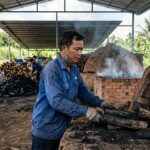
Strategic partnerships remain vital for companies looking to source commodities like CPO, coffee, cocopeat, and briquettes. You can explore reliable exportnusa.com solutions to streamline your procurement process. These platforms provide the necessary infrastructure to manage private-label production and complex international logistics.
Deep market insights allow American importers to anticipate regulatory changes and capitalize on emerging sectors. Proactive engagement with local suppliers ensures your business stays ahead of global demand shifts. Success in this dynamic environment requires a commitment to transparency and long-term collaboration.
The path forward involves leveraging digital tools to optimize trade workflows. By integrating these practices, your organization will secure a stable position within the Indonesian export landscape throughout 2026 and beyond.