

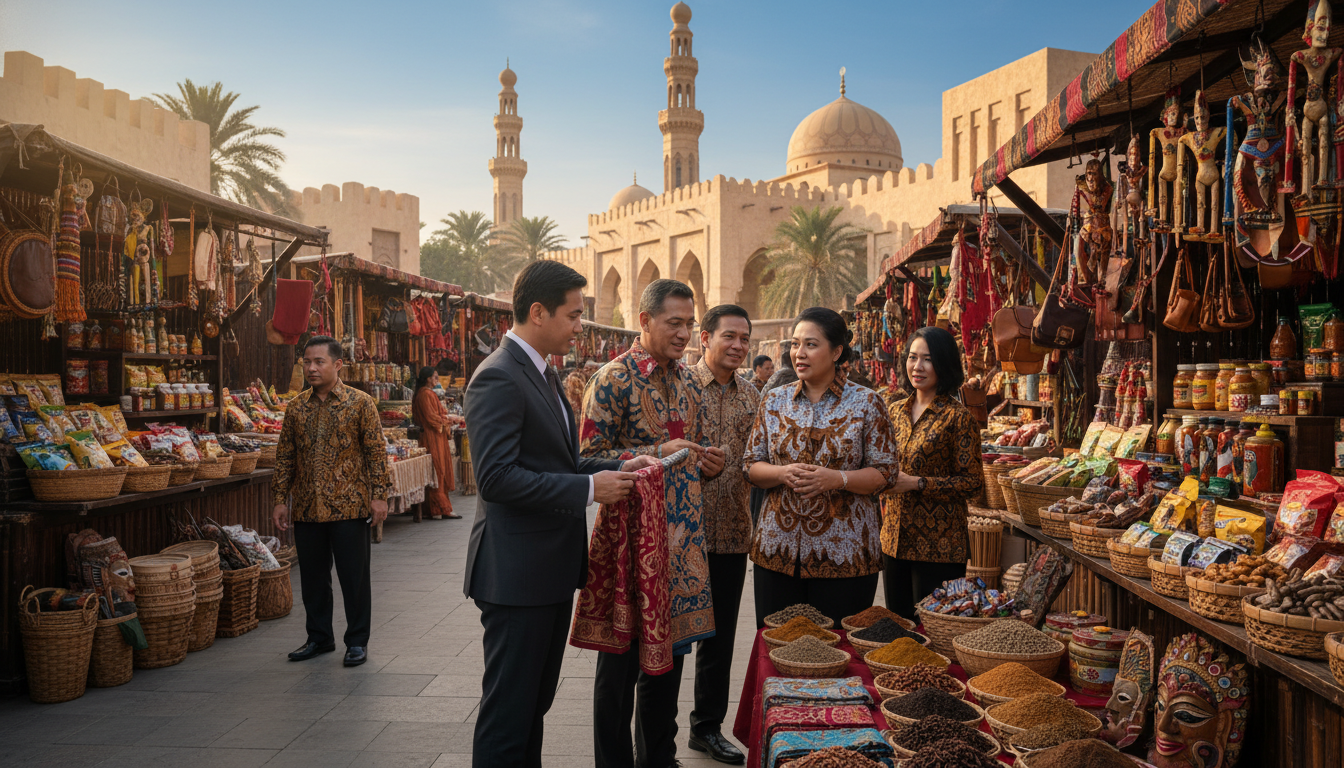
The global trade landscape is shifting, and local businesses now have a unique chance to expand their reach. President Prabowo Subianto recently introduced a new Government Regulation on Natural Resource Commodity Export Governance. This policy creates a clear framework for managing strategic goods, making it easier for companies to compete on a global scale.
For many firms, the United Arab Emirates serves as the perfect gateway. By utilizing this hub, businesses can unlock significant export opportunities to middle east markets. This strategic move helps companies diversify their revenue streams while building long-term partnerships in a booming region.
Navigating these changes requires a solid plan and a deep understanding of local regulations. Our guide provides the essential steps you need to succeed in this competitive environment. By following these insights, you can effectively position your brand for growth and capitalize on the current economic momentum.
Key Takeaways
- President Prabowo Subianto’s new regulation streamlines commodity governance.
- The UAE acts as a vital entry point for regional trade expansion.
- Strategic planning is essential for navigating international market requirements.
- Diversifying into new territories reduces reliance on traditional trade routes.
- Compliance with updated policies ensures smoother logistics and operations.
The Strategic Importance of the UAE for Indonesian Exporters
For Indonesian exporters, the UAE represents more than just a market; it is a strategic hub for regional growth. By positioning products within this vibrant economy, businesses can effectively reach consumers across the entire Gulf region. This approach is central to strengthening trade relations with middle east partners and ensuring long-term commercial success.
Economic Synergy Between Indonesia and the UAE
The economic relationship between Indonesia and the UAE is built on highly complementary needs. Indonesia offers a vast array of natural resources and manufactured goods, while the UAE provides a sophisticated infrastructure and a gateway to global capital. This synergy allows for a robust indonesia’s middle east export strategy that benefits both nations.
By aligning production capabilities with the high demand in the Emirates, local companies can secure a competitive edge. Collaboration in sectors like energy, food security, and infrastructure remains a top priority for both governments. This partnership creates a stable environment for businesses to scale their operations with confidence.
The Role of CEPA in Facilitating Trade
Comprehensive Economic Partnership Agreements (CEPA) serve as the backbone for modernizing international commerce. These agreements reduce tariffs and simplify customs, making it easier for goods to flow across borders. We can look at the success of similar frameworks to understand the potential impact on future growth.
For instance, the UAE-India trade surged 19.7% to $65bn following their CEPA agreement. This impressive growth highlights how structured trade policies can unlock massive value. Implementing similar frameworks is a vital component of indonesia’s middle east export strategy to ensure sustainable development.
| Trade Metric | Pre-Agreement | Post-Agreement | Growth Impact |
|---|---|---|---|
| Market Access | Limited | Expanded | High |
| Tariff Rates | Standard | Reduced | Significant |
| Trade Volume | Baseline | Increased | 19.7% Surge |
Ultimately, fostering strong trade relations with middle east markets requires a commitment to these high-level agreements. By leveraging the lessons learned from successful regional partnerships, Indonesian exporters can navigate the complexities of the Gulf market with greater ease and efficiency.
Analyzing the Indonesian export to Middle East target landscape
Understanding the current market dynamics is the first step toward a successful expansion into the Gulf. By evaluating the shifting patterns of international commerce, businesses can better position their products to meet local needs. A data-driven approach ensures that your strategy remains aligned with actual consumption habits in the region.
Current Trade Volume and Growth Trends
The Gulf Cooperation Council (GCC) region represents a dynamic and expanding marketplace for international partners. As of 2024, the total population in the GCC reached 61.2 million, marking a significant increase of 2.1 million people in just one year. This rapid demographic growth directly influences the volume of middle east import from indonesia.
Exporters should note that consistent population growth creates a steady demand for essential goods. When we look at the trajectory of indonesian exports to gcc countries, the numbers reflect a strengthening economic partnership. Staying informed about these trends allows companies to forecast demand more accurately and optimize their supply chains accordingly.
Key Sectors Driving Demand in the Gulf
Several industries currently stand out as high-growth areas for those pursuing an indonesian export to middle east target. The region shows a strong appetite for high-quality food products, particularly those that meet specific dietary standards. Furthermore, the construction and hospitality sectors continue to drive the need for premium furniture and textile imports.
To succeed, businesses must focus on sectors where middle east import from indonesia provides a competitive advantage. By prioritizing these high-demand categories, exporters can effectively penetrate the market. Ultimately, the success of indonesian exports to gcc countries depends on matching local preferences with the unique strengths of the Indonesian manufacturing sector.
High-Potential Product Categories for the Emirati Market
Indonesian exporters are finding incredible success by tapping into the specific needs of UAE consumers. By focusing on quality and cultural alignment, businesses can effectively introduce indonesian products in the middle east market. This strategic approach helps brands build trust and long-term loyalty with local buyers.
Halal Food and Beverage Opportunities
The demand for high-quality, certified halal products remains a cornerstone of the local economy. Indonesian food manufacturers have a distinct advantage due to their deep expertise in meeting strict dietary standards. These export opportunities to middle east regions are growing as consumers seek authentic and diverse culinary experiences.
Textiles and Fashion Apparel Trends
Modest fashion is a thriving sector that aligns perfectly with Indonesian design sensibilities. Local retailers are increasingly looking for high-quality fabrics and unique patterns that blend traditional craftsmanship with modern styles. Exporters who prioritize sustainable and premium materials often find the most success in this competitive space.
Furniture and Home Decor Exports
The furniture sector is seeing a major boost thanks to industrial innovation. For instance, RAKEZ and the Rana Group are currently establishing the Erisha Smart Manufacturing Hub in Ras Al Khaimah. This facility will likely streamline the production and distribution of high-end home goods, creating new pathways for Indonesian furniture makers to reach local showrooms.
| Product Category | Market Driver | Growth Potential |
|---|---|---|
| Halal Food | Cultural Alignment | High |
| Textiles | Modest Fashion Trends | Medium-High |
| Furniture | Manufacturing Hubs | High |
By leveraging these specific sectors, companies can maximize their impact. Staying informed about local preferences ensures that your business remains a top choice for regional partners. Consistent quality and reliable supply chains are the keys to unlocking these export opportunities to middle east markets.
Navigating Regulatory Requirements and Customs Procedures
Compliance serves as the foundation for any successful market entry into middle east from indonesia. Navigating the regulatory environment of the United Arab Emirates requires careful attention to detail and a proactive approach to legal standards. Fortunately, the business climate is becoming increasingly transparent and favorable for international partners.
A significant milestone occurred in 2025 when the European Union removed the UAE from its ‘high-risk’ money-laundering list. This positive shift signals a stronger commitment to global financial integrity, making it easier for Indonesian exporters to establish trust with local banking and customs authorities.
Understanding UAE Import Standards and Certifications
The Ministry of Industry and Advanced Technology (MoIAT) oversees the majority of product standards in the UAE. Exporters must ensure their goods comply with the Emirates Conformity Assessment Scheme (ECAS) to gain market access. Quality assurance is not just a suggestion; it is a mandatory requirement for clearing customs efficiently.
Before shipping, verify if your specific product category requires a Certificate of Conformity. Failure to provide these documents can lead to significant delays or the rejection of your shipment at the port. Staying updated on these technical regulations is vital for a smooth market entry into middle east from indonesia.
Halal Certification Requirements for Food Products
For Indonesian food and beverage exporters, obtaining proper Halal certification is non-negotiable. The UAE enforces strict guidelines to ensure that all imported food products meet Islamic dietary standards. You must ensure your certification is recognized by the Emirates Authority for Standardization and Metrology (ESMA).
Displaying the National Halal Mark on your packaging provides immediate credibility to local consumers. This mark acts as a seal of quality and trust, which is essential for competing in the local retail sector. Always verify that your certifying body in Indonesia has a mutual recognition agreement with UAE authorities.
Documentation Essentials for Seamless Clearance
Proper paperwork is the backbone of international logistics. To ensure your goods move through customs without friction, you must prepare a comprehensive set of documents for every shipment. This includes a commercial invoice, a detailed packing list, and a certificate of origin.
The following table outlines the critical documentation and compliance steps required for your business:
| Requirement | Purpose | Authority |
|---|---|---|
| ECAS Certification | Product safety and quality | MoIAT |
| Halal Certification | Dietary compliance | ESMA |
| Certificate of Origin | Proof of manufacturing | Chamber of Commerce |
| Commercial Invoice | Customs valuation | Customs Authority |
By maintaining organized records and adhering to these regulatory pillars, you significantly reduce the risk of border issues. A disciplined approach to documentation is the final piece of the puzzle for a successful market entry into middle east from indonesia.
Logistics and Supply Chain Strategies for Middle East Expansion
When you consider the middle east import from indonesia, the reliability of your logistics partner becomes your most valuable asset. Ensuring that your products maintain their quality during long-distance transit is a top priority for any business. As noted in the Middle East pivot to Asia, trade corridors are evolving rapidly to support increased commercial activity.

Selecting Reliable Freight Forwarding Partners
Choosing the right freight forwarder is essential for navigating the unique regulatory landscape of the Gulf. You need a partner who understands both Indonesian export protocols and the specific entry requirements of the United Arab Emirates. Local expertise helps you avoid costly delays at customs and ensures your documentation is always accurate.
Leveraging Jebel Ali Port as a Regional Hub
Jebel Ali Port stands out as a premier gateway for businesses expanding export to middle east markets. Its advanced infrastructure allows for seamless distribution across the entire region. The influence of UAE-based firms is growing, evidenced by the $800 million port deal signed by DP World in Syria in July 2025, which highlights the strategic connectivity these hubs provide.
Managing Cold Chain Logistics for Perishables
For exporters dealing with food or sensitive goods, maintaining a strict cold chain is non-negotiable. You must invest in high-quality refrigerated containers and real-time monitoring technology to prevent spoilage. Reliable temperature control ensures that your products arrive in the same condition they left the factory, protecting your brand reputation in a competitive market.
Cultural Nuances and Business Etiquette in the UAE
Building a thriving business in the Emirates requires more than just a great product; it demands deep cultural intelligence. Success in this region is often built on the strength of personal relationships and mutual respect. By understanding these nuances, you can better navigate the complexities of doing business in the Middle East.
Building Long-Term Relationships with Local Partners
In the UAE, business is personal. Partners prefer to work with people they know, like, and trust over a long period. This focus on stability is reflected in broader regional trends, such as Oman’s 10-year golden residency program, which aims to attract and retain long-term talent and capital.
To foster these connections, consider the following approaches:
- Invest time in face-to-face meetings rather than relying solely on emails.
- Show genuine interest in your partner’s business history and values.
- Be patient, as trust-building is a gradual process that cannot be rushed.
Effective Communication Strategies for Emirati Clients
Communication in the UAE often balances professional formality with a warm, personal touch. While business is conducted in English, understanding the local preference for indirect communication can prevent misunderstandings. Active listening is a vital skill when engaging with Emirati clients.
Keep these communication tips in mind:
- Always maintain a polite and respectful tone during negotiations.
- Avoid high-pressure sales tactics, which can be perceived as aggressive.
- Be prepared for meetings to start with small talk, as this is essential for building rapport.
The Importance of Local Presence and Networking
Establishing a physical presence in the UAE signals commitment to the market. Having a local office or a trusted local partner provides a sense of security to your clients. It demonstrates that you are invested in the region for the long haul rather than just looking for a quick transaction.
Networking is the lifeblood of the Emirati business community. Attending industry events and trade shows allows you to meet key decision-makers in a relaxed setting. Consistency is key; showing up regularly at local events will significantly boost your credibility and help you secure the partnerships necessary for sustained success.
Digital Marketing and E-commerce Entry Strategies
Modern Indonesian exporters are finding that a strong online presence is the key to unlocking growth in the Gulf. As the regional market becomes increasingly digitized, businesses must adapt their outreach to meet the expectations of a tech-savvy population. Developing a cohesive strategy for indonesian exports to gcc countries requires a blend of local platform integration and targeted digital communication.
Utilizing Local E-commerce Platforms
The UAE has seen a massive influx of international interest, with Dubai Chambers reporting that Indian businesses alone registered over 9,000 new companies in the first half of 2025. This competitive environment highlights the necessity of partnering with established local e-commerce giants. By listing products on platforms like Amazon.ae or Noon, brands can gain immediate access to a massive, ready-to-buy audience.
Strategic placement on these platforms ensures that your goods are visible to local shoppers who prioritize convenience and fast delivery. Leveraging these existing infrastructures allows you to scale your indonesian exports to gcc countries without the immediate need for a physical retail footprint.
Digital Advertising Trends in the Middle East
“In the digital age, the most successful brands are those that treat every interaction as an opportunity to build trust and long-term value.”
Digital advertising in the Middle East is shifting toward highly personalized, data-driven campaigns. To effectively promote indonesian exports to gcc countries, companies should focus on localized search engine marketing and display ads that reflect regional cultural values. Using Arabic-language content is essential for building credibility and ensuring your message resonates with the local demographic.
Social Media Influence on Consumer Behavior
Social media platforms like Instagram, TikTok, and Snapchat play a massive role in shaping purchasing decisions across the UAE. Consumers here are highly influenced by digital trends and peer recommendations. Engaging with local influencers can provide a significant boost to your brand awareness and help establish a loyal customer base.
By maintaining an active and culturally relevant social media presence, you can better position your indonesian exports to gcc countries. This approach not only drives traffic to your e-commerce channels but also fosters a deeper connection with the community. Consistency in your digital messaging will ultimately lead to stronger market penetration and sustained growth.
Financial Considerations and Payment Security
Success in the Emirati market depends heavily on how well you manage your financial risks and payment security. Building a solid foundation for indonesia’s middle east export strategy requires careful planning and the right financial tools. By prioritizing these elements, your business can maintain healthy profit margins while navigating international trade complexities.
Managing Currency Fluctuations and Exchange Rates
International trade often involves dealing with multiple currencies, which can lead to unpredictable costs. Fluctuations in exchange rates may impact your bottom line if not managed correctly. It is wise to work with financial advisors who specialize in hedging strategies to lock in favorable rates.
Monitoring market trends allows you to make informed decisions about when to convert funds. By staying proactive, you protect your business from sudden market shifts. This level of financial vigilance is a core component of a successful indonesia’s middle east export strategy.
Securing Payments Through Letters of Credit
When entering new markets, trust is essential for long-term partnerships. Using a Letter of Credit provides a secure way to ensure that you receive payment for your goods upon delivery. This instrument acts as a guarantee from a bank, reducing the risk of non-payment by international buyers.
Implementing this method helps build confidence between you and your Emirati partners. It creates a transparent framework where both parties feel protected during the transaction process. Security should always be your top priority when finalizing export agreements.
Banking Solutions for Cross-Border Trade
Modern banking infrastructure plays a vital role in streamlining your operations. For instance, First Abu Dhabi Bank recently became the first MENA bank to join CIPS, which significantly enhances cash management capabilities for international traders. Utilizing such advanced banking solutions allows for faster and more efficient cross-border settlements.
These tools are essential for maintaining liquidity and operational efficiency. Integrating these modern financial practices into indonesia’s middle east export strategy ensures that your company remains competitive. Strong banking relationships will ultimately support your growth and long-term profitability in the region.
Overcoming Common Challenges in Market Entry
Expanding your business footprint into the Gulf requires a clear understanding of potential obstacles. While the region offers immense growth, businesses must remain agile to succeed. A disciplined market entry into middle east from indonesia is the foundation for long-term stability and brand recognition.
Addressing Competition from Global Exporters
The Middle East is a vibrant hub that attracts major international players. For instance, the Chinese self-driving operator WeRide successfully launched operations in Saudi Arabia in May 2025, proving that specialized firms can thrive by localizing their services. You must analyze your competitors to find a unique value proposition for your indonesian products in middle east market.
To stand out, consider these competitive strategies:
- Focus on niche quality that mass-market competitors often overlook.
- Build strong local partnerships to gain insider knowledge.
- Highlight the unique cultural heritage or sustainable sourcing of your goods.
Adapting Product Packaging for Local Preferences
Packaging is often the first point of contact between your brand and the consumer. In the UAE, aesthetics and clear labeling are vital for building trust. You should ensure that all packaging meets local language requirements and cultural expectations.
Consider these essential adjustments for your exports:
- Ensure all labels are bilingual, featuring both Arabic and English.
- Use colors and imagery that resonate with local traditions and values.
- Verify that all packaging materials comply with regional environmental standards.
Mitigating Risks in International Trade
Risk management is a critical component when expanding export to middle east regions. Unforeseen changes in regulations or logistics can disrupt your supply chain if you are not prepared. Establishing a robust framework helps protect your investment and ensures consistent delivery.
Effective risk mitigation involves several proactive steps:
- Utilize trade insurance to cover potential transit damages or payment defaults.
- Maintain diverse logistics channels to avoid reliance on a single port or carrier.
- Stay updated on regional trade policies to adapt your strategy quickly.
Conclusion
The landscape for Indonesian businesses seeking growth in the United Arab Emirates remains bright. Success in this region requires a blend of strategic preparation and deep cultural awareness. Companies that prioritize these elements will find significant opportunities to expand their footprint.
Building strong trade relations with middle east partners serves as the foundation for long-term prosperity. By focusing on quality and reliability, Indonesian exporters can establish a reputation that resonates with local consumers. This commitment to excellence helps brands stand out in a competitive global marketplace.
We invite you to apply the insights from this guide to refine your international operations. Consistent effort and a clear vision will help you navigate the complexities of cross-border commerce. Developing robust trade relations with middle east stakeholders is a rewarding journey that promises sustainable growth for your business.
Start your expansion today by connecting with local distributors and exploring new digital channels. Your proactive approach will define your success in the Gulf region. The future of your brand in the United Arab Emirates begins with the steps you take right now.