

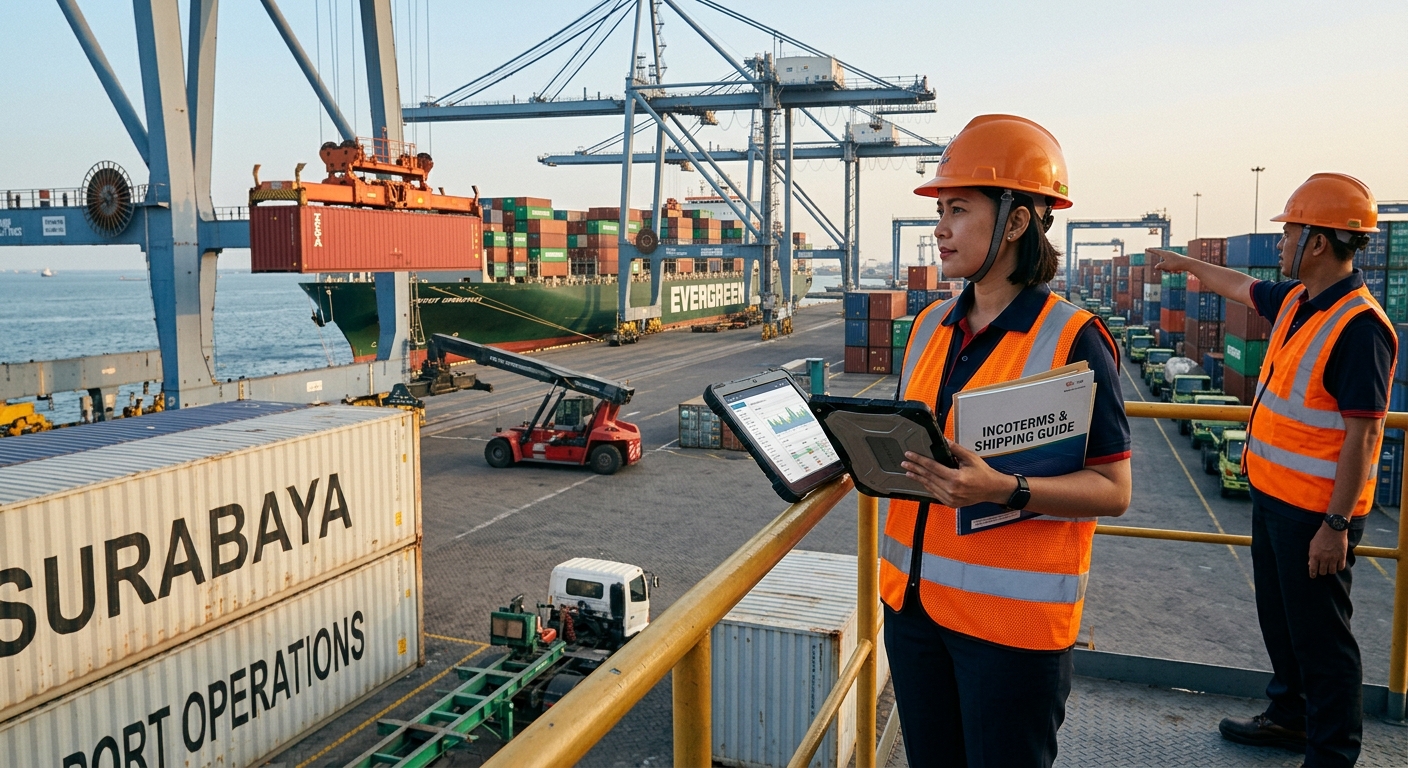
Introduction to Shipping from Surabaya Port
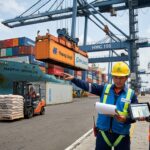
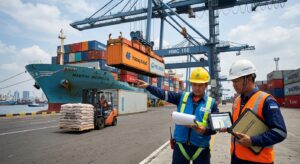
Surabaya Port, known as Tanjung Perak, is one of the busiest and most significant maritime hubs in Indonesia. Located in East Java, it serves as a critical gateway for international trade, connecting local manufacturers to the global market. For businesses involved in exporting goods ranging from agricultural products to manufactured items, understanding the rules of international trade is absolutely essential. One of the foundational elements of any international sales contract is the proper use of Incoterms (International Commercial Terms). These standardized trade terms are published by the International Chamber of Commerce (ICC) and are vital for clearly defining the responsibilities, costs, and risks associated with the transportation and delivery of goods.
When you are negotiating a deal with international buyers, whether you are exporting bulk commodities or specialized goods, specifying the correct Incoterm can prevent costly misunderstandings and legal disputes. If you are a buyer interested in purchasing goods, such as furniture, you should also be aware of the Understanding Minimum Order Quantity for Indonesian Furniture: A Guide for Importers to ensure your shipping volumes are cost-effective.
What are Incoterms?
Incoterms are a set of 11 internationally recognized rules which define the responsibilities of sellers and buyers. They specify who is responsible for paying for and managing the shipment, insurance, documentation, customs clearance, and other logistical activities. The most recent version, Incoterms 2020, reflects the latest practices in global trade.
When shipping from Surabaya Port, the chosen Incoterm will dictate the exact point at which the risk of loss or damage to the goods transfers from the seller in Indonesia to the buyer overseas. It also determines who bears the cost of freight, handling fees at Tanjung Perak, export customs clearance, and import duties at the destination.
Common Incoterms Used for Shipping from Surabaya Port
FOB (Free On Board)
FOB is arguably the most common Incoterm used for ocean freight shipments leaving Surabaya Port. Under FOB terms, the Indonesian seller is responsible for clearing the goods for export and loading them onto the vessel nominated by the buyer at Tanjung Perak. Once the goods are safely loaded on board the vessel, the risk transfers to the buyer.
This term is highly favored by many local exporters because it gives them control over the inland transport and local port charges, while the buyer maintains control over the main ocean freight, allowing them to negotiate better rates with their preferred shipping lines.
CIF (Cost, Insurance, and Freight)
Under CIF, the seller in Surabaya is responsible for the costs and freight necessary to bring the goods to the named port of destination. Additionally, the seller must procure marine insurance against the buyer’s risk of loss of or damage to the goods during carriage. It is important to note that while the seller pays for the freight and insurance, the risk transfers to the buyer as soon as the goods are loaded on board the vessel in Surabaya.
EXW (Ex Works)
With EXW, the seller fulfills their obligation by making the goods available at their premises (e.g., a factory or warehouse in East Java). The buyer assumes all costs and risks involved in taking the goods from the seller’s premises to the desired destination. This means the buyer is responsible for arranging transport to Surabaya Port, handling export customs clearance, and organizing the ocean freight. This can be challenging for buyers who are not familiar with Indonesian export regulations.
Choosing the Right Incoterm for Your Business
Selecting the appropriate Incoterm depends on several factors, including the relationship between the buyer and seller, the level of control each party wants over the logistics process, and their familiarity with local regulations. For instance, an Indonesian company that operates as a Private Label Organic Cosmetics Manufacturer Indonesia: Your Complete Guide might prefer FOB or CIF to maintain control over the handling of their delicate products up to the point of export.
Furthermore, businesses should consider their capabilities regarding export documentation. Handling shipments out of Tanjung Perak requires a thorough understanding of required paperwork, such as the Bill of Lading, Commercial Invoice, Packing List, and Certificate of Origin. You can learn more about this by reading A Complete Guide to Export Documentation for Shipping from Indonesia.
The Impact of Incoterms on Costs and Pricing
The choice of Incoterm directly affects the quoted price of the goods. An EXW price will naturally be lower than an FOB price, which in turn will be lower than a CIF price, as the latter includes the cost of main carriage and insurance. When negotiating contracts, both parties must be clear on what is included in the price. Exporters working with Indonesian export services often seek advice on how to structure their pricing effectively based on the chosen Incoterms.
Summary Comparison of Popular Incoterms
| Incoterm | Export Clearance | Loading at Origin Port | Main Freight | Insurance | Risk Transfer Point |
|---|---|---|---|---|---|
| EXW | Buyer | Buyer | Buyer | Buyer | Seller’s Premises |
| FOB | Seller | Seller | Buyer | Buyer | On Board Vessel at Surabaya |
| CIF | Seller | Seller | Seller | Seller | On Board Vessel at Surabaya |
| DDP | Seller | Seller | Seller | Seller | Buyer’s Premises |
Conclusion
Shipping goods from Surabaya Port involves careful planning, precise documentation, and a clear understanding of international trade rules. Incoterms serve as the language of global trade, providing a framework that allocates risks, costs, and responsibilities between buyers and sellers. Whether you choose FOB, CIF, or EXW, ensuring that both parties fully comprehend their obligations under the agreed Incoterm is critical for a smooth and profitable transaction. By mastering these terms, businesses can navigate the complexities of exporting from Indonesia with confidence and build stronger, more reliable international partnerships.
Frequently Asked Questions (FAQ)
What is the best Incoterm for a first-time exporter from Surabaya?
For first-time exporters, FOB (Free On Board) is often recommended. It gives the seller control over the local logistics and export clearance at Surabaya Port, which they are usually more familiar with, while leaving the complex and potentially costly international ocean freight arrangements to the buyer.
Does CIF cover insurance for the full value of the goods?
Under Incoterms 2020, CIF requires the seller to obtain insurance coverage complying with at least the minimum cover provided by Clauses (C) of the Institute Cargo Clauses, which is usually 110% of the contract value. Buyers requiring more extensive coverage should specify this in the commercial agreement.
Can EXW be used for ocean freight shipments?
While EXW can technically be used for any mode of transport, it is generally not recommended for international ocean freight. This is because EXW requires the foreign buyer to handle export customs clearance in Indonesia, which can be highly problematic if they do not have a registered local entity or agent.
Who pays the terminal handling charges (THC) at Surabaya Port under FOB terms?
Under FOB terms, the seller is responsible for all costs required to get the goods loaded on board the vessel. Therefore, the seller typically pays the Origin Terminal Handling Charges (OTHC) at Surabaya Port.