

Introduction to Indonesia’s Export Customs Clearance
Navigating international trade requires a deep understanding of local regulations, and Indonesia is no exception. For exporters looking to send goods from the archipelago to global markets, mastering the Indonesia customs clearance process is essential. This process involves a series of steps, precise documentation, and strict adherence to government regulations. Whether you are exporting agricultural products, textiles, or manufactured goods, understanding how customs operate in Indonesia can save your business time, money, and significant frustration.
As Southeast Asia’s largest economy, Indonesia offers immense opportunities for exporters. However, the regulatory environment can be complex. The Directorate General of Customs and Excise (DGCE) under the Ministry of Finance governs the flow of goods in and out of the country. Exporters must comply with their rules to ensure smooth transit. This guide provides a comprehensive overview of the Indonesia customs clearance process for exporters, detailing the necessary steps, required documents, and best practices.
Understanding the Pre-Export Requirements
Before any goods can be loaded onto a vessel or aircraft, exporters must fulfill several pre-export requirements. These steps are crucial to ensure that you are legally permitted to export goods from Indonesia.
Business Registration and Licensing
The first step for any prospective exporter in Indonesia is obtaining the correct business licenses. Companies must have a Business Identification Number (Nomor Induk Berusaha or NIB), which serves as a basic import and export license. The NIB is issued through the Online Single Submission (OSS) system, a government portal designed to streamline business licensing.
Additionally, depending on the nature of the goods, specific permits may be required from relevant ministries. For example, exporting certain agricultural products, forestry goods, or minerals often requires specialized recommendations or quotas from the Ministry of Trade, Ministry of Agriculture, or Ministry of Energy and Mineral Resources.
Tax Registration
Exporters must also possess a Tax Identification Number (Nomor Pokok Wajib Pajak or NPWP). Registration with the tax authority is mandatory, as it links your export activities to your corporate tax obligations. Indonesia implements a Value Added Tax (VAT) system, though most exported goods are subject to a 0% VAT rate, which is highly beneficial for international competitiveness.
The Step-by-Step Customs Clearance Process
Once your business is legally established and licensed, you can proceed with the actual export process. The customs clearance process in Indonesia involves several defined steps.
1. Preparation of Export Goods
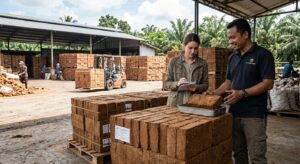
Ensure that your goods are properly manufactured, packaged, and labeled according to international standards and the requirements of the destination country. Proper packaging prevents damage during transit and facilitates easier customs inspection if required. For instance, if you are dealing with specific commodities, you might want to review the Comprehensive Guide to Coconut Charcoal Briquettes Manufacturers in Indonesia to understand industry-specific production and packaging standards.
2. Booking Shipping Space
Exporters must secure space on a vessel or aircraft through a freight forwarder or shipping line. You will receive a Booking Confirmation, which is essential for coordinating the movement of goods to the port or airport.
3. Issuance of the Export Declaration (PEB)
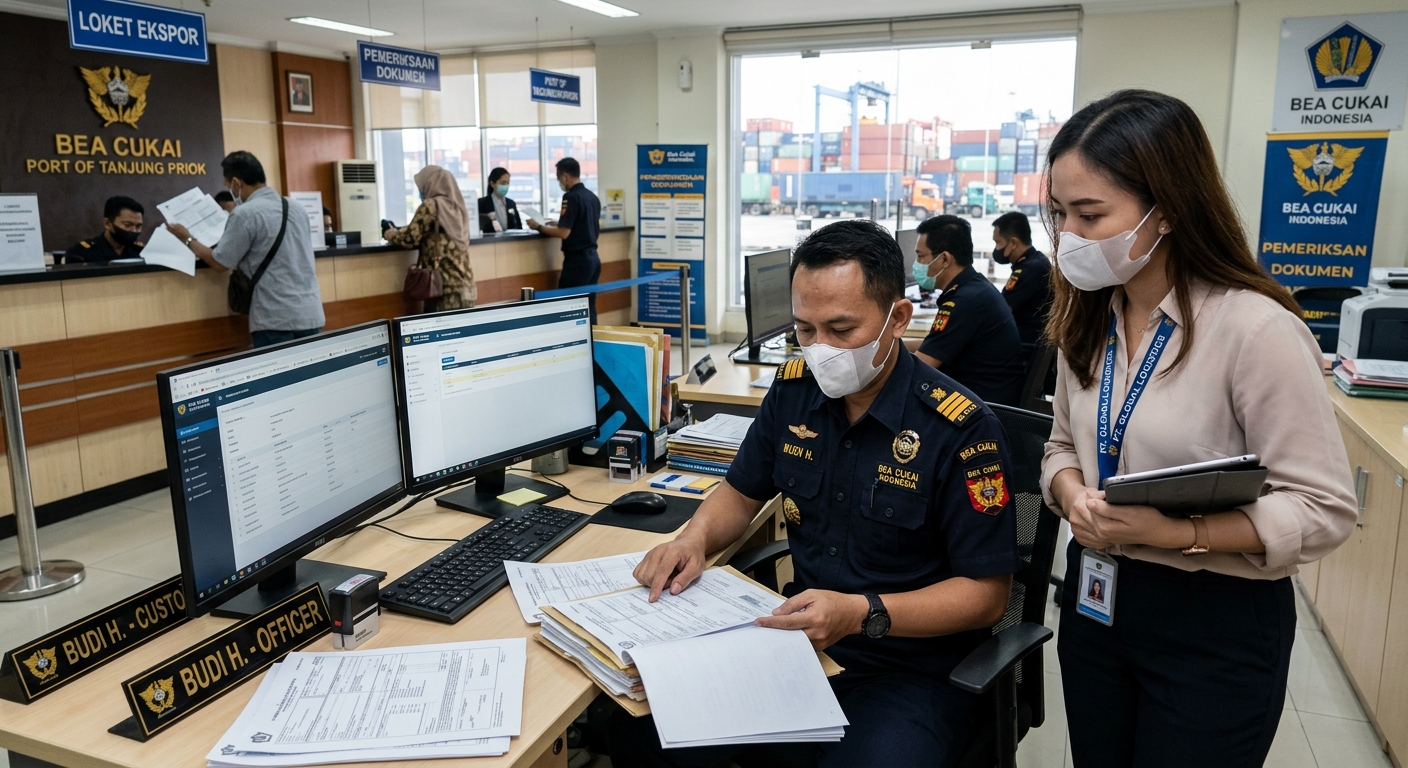
The core document in the Indonesian export customs process is the Export Declaration (Pemberitahuan Ekspor Barang or PEB). Exporters or their appointed customs brokers (PPJK) must submit the PEB electronically via the Electronic Data Interchange (EDI) system to the customs office at the port of loading.
The PEB contains critical information, including:
- Details of the exporter and consignee
- Description, quantity, and value of the goods
- Harmonized System (HS) codes
- Vessel name and voyage number
- Port of loading and destination
Filing the PEB accurately is paramount. Errors can lead to delays, penalties, or even the seizure of goods. To understand more about the full suite of documents needed, you can read A Complete Guide to Export Documentation for Shipping from Indonesia.
4. Payment of Export Duties (If Applicable)
While the Indonesian government encourages exports by exempting most goods from export duties, certain commodities are subject to export taxes. These typically include raw materials, minerals, crude palm oil (CPO), and certain forestry products. The aim is to encourage domestic processing and value addition. If your goods are subject to export duties, payment must be made through an approved foreign exchange bank before the PEB can be finalized.
5. Customs Approval (NPE)
Upon receiving the PEB and verifying that all regulations have been met (and duties paid, if applicable), the customs system will automatically process the declaration. If everything is in order, customs issues the Export Approval Note (Nota Pelayanan Ekspor or NPE). The NPE is the official green light allowing the goods to enter the customs area at the port and be loaded onto the departing vessel.
6. Physical Inspection (Red Channel)
Indonesia utilizes a risk management system for customs clearance. Most exports go through the “Green Channel,” meaning they are cleared without physical inspection. However, if an export is flagged by the system—due to random selection, discrepancies in documentation, or high-risk commodities—it is routed to the “Red Channel.”
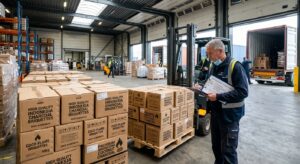
If selected for the Red Channel, customs officials will conduct a physical inspection of the goods. Exporters must cooperate fully and ensure their representatives are present during the inspection. Ensuring your paperwork matches the physical cargo exactly is the best way to avoid delays here.
Essential Export Documentation
Accurate documentation is the backbone of smooth customs clearance. Below is a table summarizing the essential documents required for exporting from Indonesia.
| Document Name | Description | Issuer |
|---|---|---|
| Commercial Invoice | Details the transaction, value, and description of goods. | Exporter |
| Packing List | Itemizes the contents, weight, and dimensions of each package. | Exporter |
| Bill of Lading (B/L) or Airway Bill (AWB) | The contract of carriage and receipt of goods. | Shipping Line / Airline |
| Export Declaration (PEB) | Official customs declaration form. | Exporter / Customs Broker |
| Certificate of Origin (COO) | Certifies the country where the goods were produced (often needed for tariff benefits). | Ministry of Trade / Designated Chambers |
| Phytosanitary/Health Certificate | Required for agricultural, food, or animal products. | Relevant Government Agency |
Depending on your industry, additional specialized documents may be needed. For example, if you are sourcing large quantities of specific products, finding the right supplier who understands these document requirements is crucial. You might find it helpful to consult A Complete Guide to Choosing a Bulk Coconut Charcoal Supplier in Indonesia to see how reliable partners handle compliance.
Common Challenges and How to Avoid Them
Exporters frequently encounter hurdles during the customs clearance process. Being proactive can mitigate these risks.
Inaccurate HS Codes
The Harmonized System (HS) code determines the tariffs and regulations applicable to your goods. Using the wrong HS code can result in incorrect duty calculations, regulatory breaches, and severe penalties. Always consult the Indonesian Customs Tariff Book (BTKI) or a professional customs broker to classify your goods correctly. This is particularly important when dealing with specialized manufactured goods, such as those discussed in The Ultimate Guide to Private Label Shisha Charcoal Manufacturing, where classification nuances can impact export readiness.
Incomplete Documentation
Missing signatures, mismatched weights between the Packing List and Bill of Lading, or lack of required permits will immediately halt the export process. Implement a strict double-checking protocol within your logistics team before submitting any paperwork to customs.
Changes in Regulations
Indonesian trade regulations can change frequently. The Ministry of Trade often updates lists of restricted export items or adjusts export duty rates (such as the monthly adjustments for CPO). Exporters must stay informed by regularly checking official government portals or maintaining a close relationship with an experienced freight forwarder.
The Role of Customs Brokers (PPJK)
Many exporters choose to hire a Customs Broker (Perusahaan Pengurusan Jasa Kepabeanan or PPJK) rather than handling clearance in-house. A licensed PPJK acts on behalf of the exporter to submit the PEB, handle physical inspections, and liaise directly with customs officials. For new exporters or those lacking a dedicated compliance department, utilizing a PPJK is highly recommended to ensure compliance and expedite the process.
Conclusion
Mastering the Indonesia customs clearance process for exporters is a critical component of successful international trade. By understanding the pre-export requirements, meticulously preparing documentation, accurately classifying goods, and staying updated on regulatory changes, exporters can ensure their goods leave Indonesian ports efficiently. While the process may seem daunting initially, leveraging the expertise of reliable suppliers, skilled freight forwarders, and licensed customs brokers can transform a complex regulatory environment into a manageable, routine operation. Strong compliance not only prevents costly delays but also builds a reputation of reliability with your international buyers.
Frequently Asked Questions (FAQ)
What is a PEB in Indonesian exports?
PEB stands for Pemberitahuan Ekspor Barang, which translates to Export Declaration. It is the mandatory electronic document submitted to Indonesian Customs detailing the goods, value, and exporter information before cargo can be cleared for shipment.
Do I have to pay export taxes in Indonesia?
Most manufactured goods and general commodities are exempt from export duties in Indonesia to encourage international trade. However, certain raw materials, minerals, and agricultural products like crude palm oil are subject to export taxes.
How long does export customs clearance take in Indonesia?
If all documentation is accurate and the shipment is routed through the Green Channel, customs clearance (issuance of the NPE) can take just a few hours. If the shipment is selected for the Red Channel and requires physical inspection, it may take 1 to 3 days depending on port congestion.
Can I export goods without a business license (NIB)?
No, an NIB (Nomor Induk Berusaha) is legally required for any company to engage in commercial export activities from Indonesia. Individuals attempting to export commercial quantities without proper licensing will face rejection at customs.