

Introduction to the Indonesian Coffee Industry
Indonesia has long been celebrated as one of the world’s premier coffee-producing nations. With its volcanic soil, tropical climate, and high altitudes, the archipelago provides the perfect environment for cultivating a wide variety of coffee beans. Whether you are looking for the earthy, full-bodied flavors of Sumatran Mandheling or the smooth, sweet notes of Java Arabica, importing coffee from Indonesia offers a lucrative opportunity for global distributors, roasters, and retailers. This comprehensive guide will walk you through the intricate process of how to import coffee from Indonesia successfully, ensuring you understand everything from sourcing suppliers to navigating complex international trade regulations.
Understanding Indonesian Coffee Regions and Varietals
Before diving into the logistical and legal aspects of importing, it is crucial to understand the product you are buying. Indonesia produces both Arabica and Robusta beans, with Robusta making up the majority of the export volume. However, the specialty coffee market heavily favors Indonesian Arabica due to its unique cup profiles.
Sumatra
Sumatran coffee is perhaps the most famous globally, known for its low acidity, heavy body, and complex earthy or spicy notes. Regions like Aceh (Gayo) and North Sumatra (Mandheling, Lintong) are prime targets for specialty coffee buyers. The traditional wet-hulling processing method, known locally as ‘Giling Basah,’ contributes significantly to these unique flavor profiles.
Java
Java has a long history of coffee production dating back to the Dutch colonial era. Javanese coffee is typically cleaner and sweeter than Sumatran coffee, often featuring a medium body and nutty or chocolatey undertones. Estates like Blawan and Jampit are highly regarded among international buyers.
Sulawesi and Bali
Sulawesi (formerly Celebes) produces beans with a smooth finish, warm spice notes, and a buttery mouthfeel, particularly from the Toraja region. Meanwhile, Bali has emerged as a producer of high-quality Arabica, often wet-processed, offering a brighter acidity and fruity notes.
Step 1: Finding and Verifying Reliable Suppliers
The first practical step in how to import coffee from Indonesia is finding a trustworthy supplier. You can source coffee through large trading houses, medium-sized exporters, or direct-trade cooperatives. Visiting the country and touring the farms is highly recommended, as it allows you to build personal relationships and verify the quality of the beans firsthand.
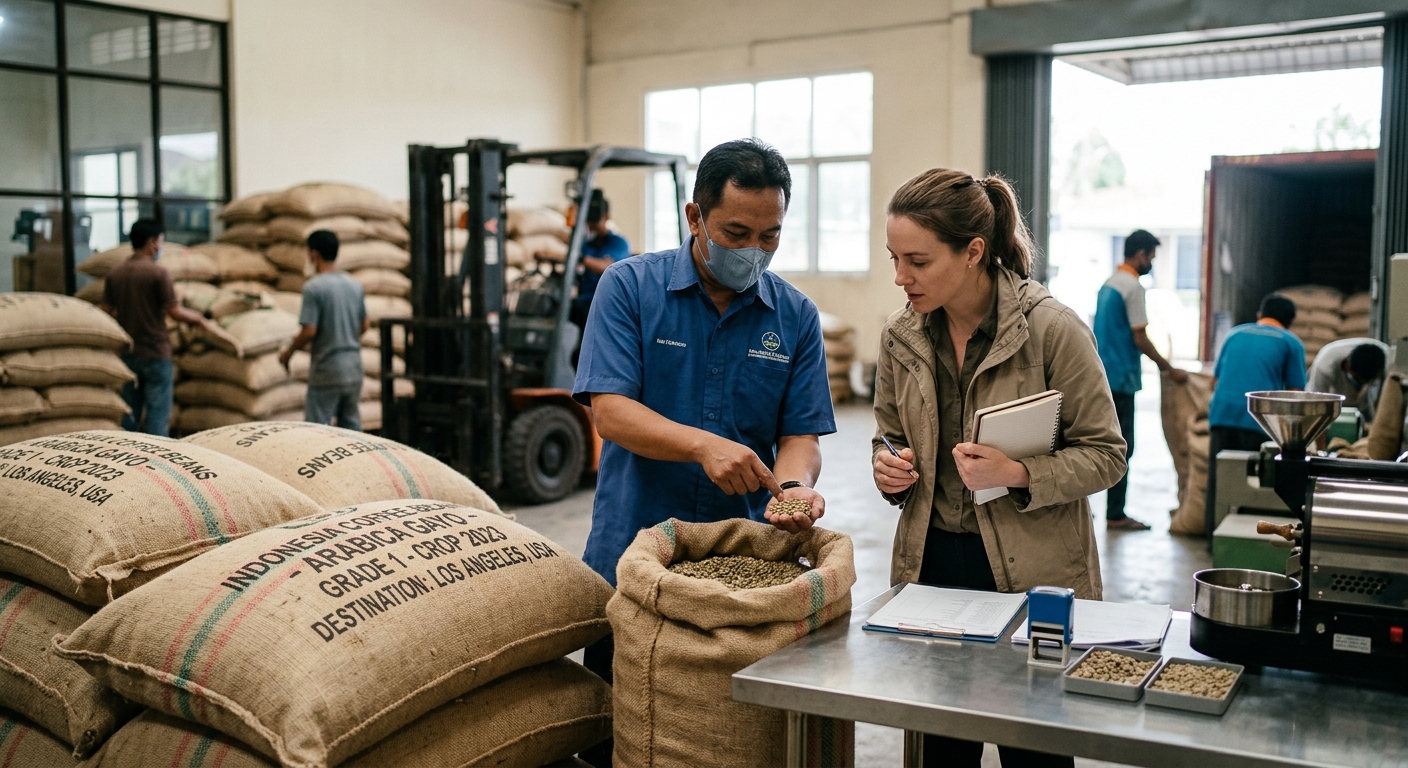
When evaluating a potential supplier, you should request samples, ask for their export licenses, and verify their track record. Quality control is paramount. Ensure the supplier adheres to the grading standards set by the Specialty Coffee Association (SCA) or the Indonesian national standards (SNI). Always cup the coffee yourself or hire an independent Q-grader in Indonesia to assess the lot before finalizing any large purchase.
Step 2: Negotiating Contracts and Pricing
Once you have identified a reliable supplier, the next phase is negotiating the contract. Coffee is typically traded based on international market prices (the C-price for Arabica), plus a differential based on quality, origin, and certifications (e.g., Fair Trade, Organic, Rainforest Alliance).
Pay close attention to the Incoterms (International Commercial Terms) used in your contract. FOB (Free On Board) is the most common Incoterm for coffee exports, meaning the seller is responsible for the goods until they are loaded onto the shipping vessel at the Indonesian port. From that point on, you, the buyer, assume the risk and the cost of ocean freight, insurance, and import duties.
Step 3: Navigating Export Regulations and Customs Clearance
Importing agricultural products involves strict adherence to both the exporting country’s regulations and your home country’s import laws. In Indonesia, exporters must possess a Registered Coffee Exporter (EKS) license. Furthermore, every shipment of coffee must be accompanied by an International Coffee Organization (ICO) Certificate of Origin, which authenticates the origin of the beans.
Phytosanitary certificates are also mandatory. This document, issued by the Indonesian Agricultural Quarantine Agency, proves that the coffee is free from pests and diseases. Depending on your destination country, you may also need fumigation certificates. Navigating these bureaucratic hurdles can be challenging for new importers. To ensure a smooth process, it is highly advisable to consult resources like the Comprehensive Guide to Indonesia Export Custom Clearance Services, which provides deep insights into the documentation required for a hassle-free export.
Step 4: Logistics, Shipping, and Insurance
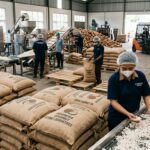
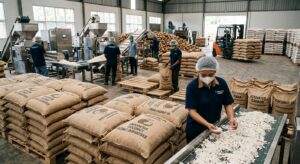
Coffee is typically shipped in 60kg jute bags, which are loaded into 20-foot shipping containers. A standard 20-foot container can hold approximately 300 to 320 bags of coffee (around 18 to 19.2 metric tons). To protect the beans from moisture damage and condensation during the long sea voyage, it is standard industry practice to line the container with Kraft paper or use specialized moisture-barrier liners like GrainPro bags.
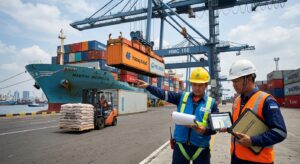
Given the long transit times from Indonesian ports (such as Belawan in Sumatra, Tanjung Priok in Jakarta, or Tanjung Perak in Surabaya) to destinations in North America or Europe, securing comprehensive marine insurance is non-negotiable. Partnering with seasoned export logistics experts will ensure that your cargo is handled properly, mitigating the risks of spoilage, delay, or loss during transit.
Diversifying Your Indonesian Import Portfolio
While establishing a supply chain for coffee, many international buyers discover other high-demand commodities available in Indonesia. Utilizing the same shipping routes and logistical partners, you can diversify your import business. For instance, Indonesia is a global leader in producing coconut shell charcoal, heavily used for both BBQ and shisha.
If you are interested in exploring this lucrative market alongside your coffee imports, understanding the quality metrics is vital. You can read the Comprehensive Guide to Charcoal Briquette Export Quality Standards in Indonesia to learn about ash content, fixed carbon, and burning time. Additionally, for those targeting the Middle Eastern or European lounge markets, reviewing A Complete Guide to Shisha Charcoal Briquettes Wholesale in Indonesia can provide the necessary foundation for sourcing premium briquettes.
Quality Control Upon Arrival
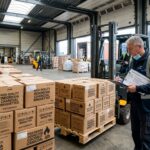
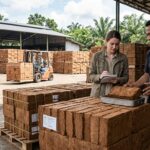
Once your coffee arrives at your destination port and clears customs, the final step is receiving and inspecting the goods. Upon arrival at your warehouse, you should immediately draw samples from various bags across the container. Roast and cup these samples to compare them against the pre-shipment samples you approved months earlier.
| Quality Metric | Pre-Shipment Standard | Arrival Expectation |
|---|---|---|
| Moisture Content | 10% – 12% | 10% – 12% (No significant change) |
| Cup Profile | Approved SCA score | Consistent with pre-shipment sample |
| Defect Count | As per contract (e.g., Grade 1) | Matches contract specifications |
If there are significant discrepancies in quality or signs of water damage, you must notify your insurance provider and the supplier immediately to file a claim.
Conclusion
Learning how to import coffee from Indonesia can be a complex but highly rewarding endeavor. By understanding the distinct regional profiles, sourcing from reputable suppliers, strictly adhering to customs and export documentation, and managing your logistics effectively, you can secure a steady supply of some of the world’s finest coffee beans. Always prioritize quality control and build long-term relationships with your Indonesian partners to ensure sustainability and mutual growth in the global coffee trade.
Frequently Asked Questions (FAQ)
What is the most popular coffee to import from Indonesia?
Sumatran Mandheling and Gayo Arabica are among the most popular and highly sought-after coffees due to their unique, full-bodied, and earthy flavor profiles. However, Java and Toraja (Sulawesi) coffees are also extremely popular in the specialty market.
Do I need a special license to import coffee from Indonesia?
The import licensing requirements depend entirely on your home country. In the US, for example, you must file a Prior Notice with the FDA. On the Indonesian side, your supplier must hold a Registered Coffee Exporter (EKS) license and provide an ICO Certificate of Origin.
What is the minimum order quantity (MOQ) for importing coffee?
While some specialty micro-lot suppliers might ship smaller quantities via air freight, standard ocean freight imports usually start at one full 20-foot container (approximately 18-19 metric tons). Consolidating smaller LCL (Less than Container Load) shipments is possible but increases the risk of flavor contamination.
How long does shipping take from Indonesia to the US or Europe?
Ocean freight from major Indonesian ports to the West Coast of the United States or major European ports typically takes between 30 to 45 days, depending on the shipping line, routing, and port congestion.