

Introduction to Ocean Freight Shipping from Jakarta
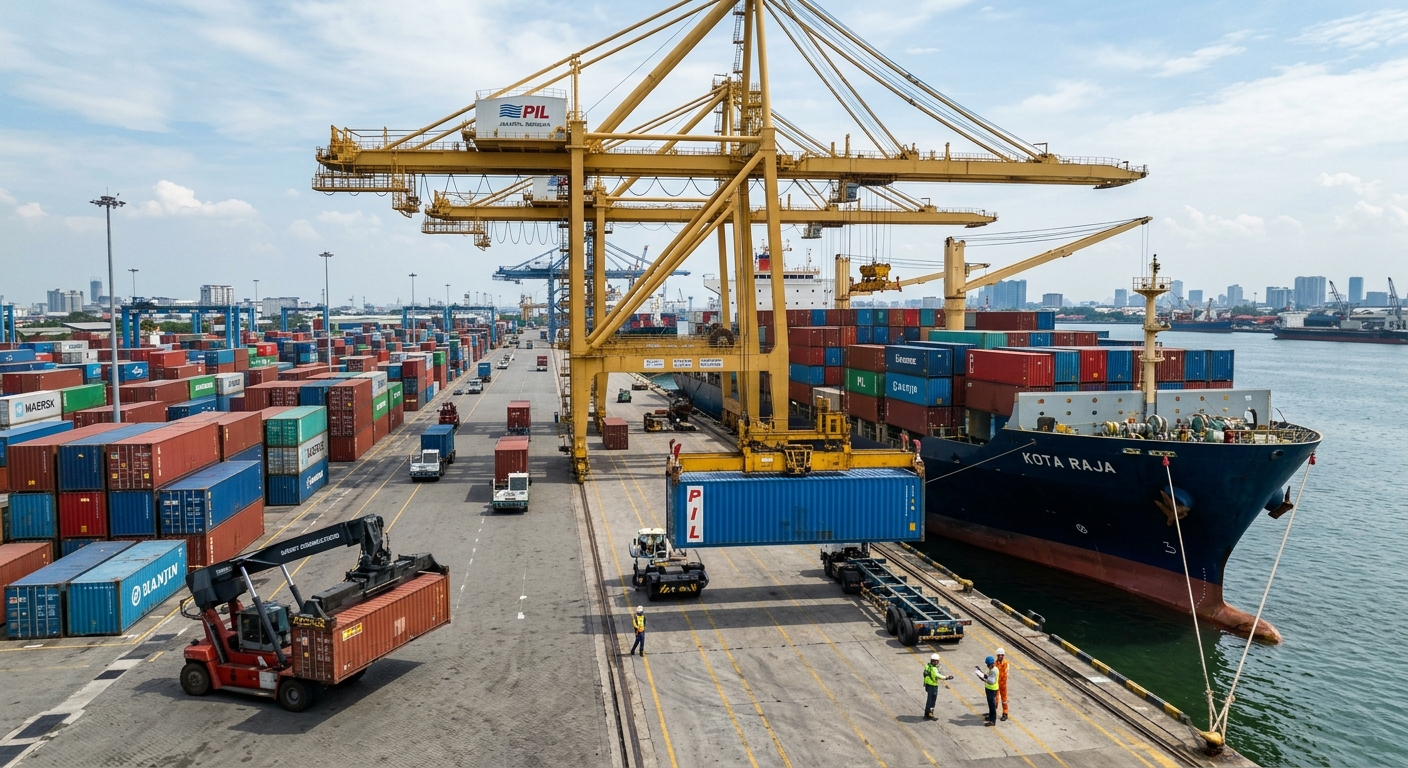
Jakarta, the bustling capital of Indonesia, serves as the economic epicenter and primary gateway for the nation’s international trade. At the heart of this thriving metropolis lies the Port of Tanjung Priok, the busiest and most advanced seaport in Indonesia. Handling the lion’s share of the country’s export and import cargo, Tanjung Priok connects Indonesian businesses to global markets spanning Asia, Europe, the Americas, and beyond. Understanding the intricacies of ocean freight shipping from Jakarta is paramount for exporters, importers, and logistics professionals aiming to optimize their supply chains and capitalize on Indonesia’s diverse manufacturing and agricultural sectors.
Ocean freight remains the most cost-effective and reliable method for transporting large volumes of goods over long distances. Whether you are shipping raw materials, agricultural products, or manufactured goods, mastering the logistics of sea freight from Jakarta can significantly enhance your competitive edge. This comprehensive guide delves into every aspect of ocean freight shipping from Jakarta, covering container types, key export commodities, customs documentation, trade agreements, and how to choose the right logistics partners to ensure seamless international transit.
Understanding Container Shipping: FCL vs. LCL
When shipping via ocean freight from Jakarta, exporters primarily choose between two main container shipping methods: Full Container Load (FCL) and Less than Container Load (LCL). The decision between the two depends largely on the volume of the cargo, budget constraints, and delivery timelines.
Full Container Load (FCL)
FCL shipping involves reserving an entire ocean container (typically 20-foot, 40-foot, or 40-foot High Cube) for a single shipment. This method is highly recommended for exporters shipping large volumes of goods, as it offers better security, faster transit times, and a lower cost per unit. Since the container is sealed at the origin and only opened at the final destination, the risk of damage or loss is significantly minimized.
Less than Container Load (LCL)
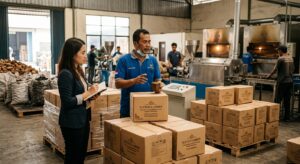
For smaller shipments that do not require a full container, LCL is the ideal solution. In an LCL shipment, your cargo shares container space with goods from other shippers. While this is more cost-effective for low-volume exports, it typically involves longer transit times due to the consolidation and deconsolidation processes at the ports of origin and destination. It is a vital service for small and medium-sized enterprises (SMEs) looking to enter the global market without the capital required for FCL shipments.
Key Export Commodities from Jakarta
Indonesia is a powerhouse of natural resources and manufactured goods. The Port of Tanjung Priok facilitates the export of a wide array of commodities that are in high demand globally. Understanding these commodities and their specific shipping requirements is crucial for a successful export strategy.
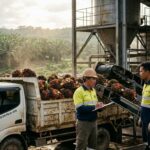
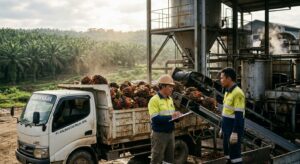
Agricultural products form a massive segment of Indonesia’s exports. Palm oil, for instance, is a primary export, but it requires stringent documentation to meet international standards. Exporters must be well-versed in the necessary quality and safety certifications. If you are involved in this sector, reading about the Understanding the Certificate of Analysis for Palm Oil Export: A Complete Guide is essential for ensuring your shipments clear customs without costly delays.
Another rapidly growing agricultural export is coir pith, heavily utilized in global horticulture and agriculture. Shipping these compressed blocks requires careful calculation of container space and weight limits to maximize efficiency. For a deep dive into this lucrative market, consult the Premium Coir Pith Block Exporters in Indonesia: A Complete Guide, which outlines sourcing, packaging, and shipping best practices.
Beyond agriculture, Jakarta exports vast quantities of textiles, footwear, electronics, and automotive parts. These goods usually require standard dry containers, though high-value electronics may necessitate advanced tracking and security measures during transit.
Navigating Customs Clearance and Documentation
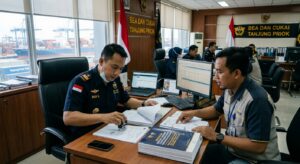
One of the most complex aspects of ocean freight shipping from Jakarta is navigating the Indonesian customs process. The Directorate General of Customs and Excise enforces strict regulations to ensure all exports are legally compliant and properly taxed. Missing or incorrect documentation is the leading cause of shipment delays at Tanjung Priok.
Essential export documents include:
- Commercial Invoice: A detailed bill of sale outlining the buyer, seller, and value of the goods.
- Packing List: A comprehensive list detailing the contents, weight, and dimensions of each package.
- Bill of Lading (B/L): The official shipping contract and receipt of cargo issued by the ocean carrier.
- Pemberitahuan Ekspor Barang (PEB): The official Indonesian Export Declaration form required for all outbound shipments.
- Certificate of Origin (CoO): A document certifying the country in which the goods were manufactured or produced.
Properly managing these documents ensures that your cargo moves smoothly from the warehouse to the vessel. Partnering with an experienced customs broker in Jakarta can alleviate much of the administrative burden associated with export clearance.
The Impact of Free Trade Agreements on Ocean Freight
International trade agreements play a pivotal role in shaping the cost-effectiveness of exporting from Jakarta. Indonesia is a member of ASEAN and participates in numerous bilateral and multilateral free trade agreements (FTAs). These agreements reduce or eliminate tariffs, making Indonesian goods more competitive in partner countries.
For exporters targeting the European market, staying updated on ongoing negotiations and finalized agreements is critical. Tariffs and quotas can dramatically affect your bottom line and dictate your shipping strategies. To grasp how these frameworks impact your export business, especially regarding the European Union, it is highly recommended to read Understanding IEU CEPA Trade Agreement Tariffs: A Comprehensive Guide. Leveraging these agreements properly requires accurate documentation, particularly the Certificate of Origin, to claim preferential tariff rates.
Choosing the Right Logistics Partner
The success of your ocean freight operations from Jakarta hinges significantly on the capabilities of your chosen freight forwarder or logistics provider. A competent partner will not only secure competitive shipping rates but also provide invaluable assistance with warehousing, inland transportation, customs clearance, and cargo insurance.
When evaluating potential partners, look for companies with a strong network at Tanjung Priok, proven experience handling your specific type of commodity, and transparent pricing structures. For those seeking comprehensive export solutions, connecting with a trusted export platform can streamline the entire process, providing end-to-end visibility and reliable support for your international trade endeavors.
Estimated Transit Times from Jakarta
Transit times for ocean freight from Jakarta vary widely based on the destination port, the routing of the vessel, and whether the shipment is FCL or LCL (LCL generally takes longer due to consolidation). Below is a general estimation of transit times from Tanjung Priok to major global ports:
| Destination Region | Major Port | Estimated Transit Time (Days) |
|---|---|---|
| Southeast Asia | Singapore | 3 – 5 Days |
| East Asia | Shanghai, China | 12 – 15 Days |
| Europe | Rotterdam, Netherlands | 25 – 35 Days |
| North America (West Coast) | Los Angeles, USA | 25 – 30 Days |
| North America (East Coast) | New York, USA | 35 – 45 Days |
| Middle East | Jebel Ali, UAE | 15 – 20 Days |
It is important to note that these are estimates and can be affected by weather conditions, port congestion, and seasonal shipping peaks, such as the period leading up to the Lunar New Year or the Western holiday season.
Conclusion
Ocean freight shipping from Jakarta is a highly dynamic and critical component of Indonesia’s integration into the global economy. Through the Port of Tanjung Priok, businesses can access a vast network of international markets efficiently and cost-effectively. By understanding the nuances of FCL and LCL shipping, meticulously preparing customs documentation, leveraging international trade agreements, and collaborating with experienced logistics partners, exporters can navigate the complexities of maritime transport with confidence. As global trade continues to evolve, staying informed and adaptable will ensure your shipments from Jakarta remain competitive, secure, and profitable.
Frequently Asked Questions
What is the busiest port in Jakarta for ocean freight?
The Port of Tanjung Priok is the busiest and largest seaport in Jakarta, and indeed in all of Indonesia. It handles the vast majority of the country’s international ocean freight, offering advanced container handling facilities and connecting Indonesia to major global trade routes.
How long does customs clearance take for exports in Jakarta?
If all documentation is accurate and complete, export customs clearance in Jakarta typically takes between 1 to 3 business days. However, delays can occur if there are discrepancies in the paperwork, missing certificates, or if the shipment is selected for a random physical inspection by customs authorities.
What is the difference between B/L and PEB?
The Bill of Lading (B/L) is a transport document issued by the shipping line serving as a receipt of cargo and a contract of carriage. The PEB (Pemberitahuan Ekspor Barang) is the official Indonesian government customs declaration form that an exporter must submit to the Directorate General of Customs and Excise to legally export goods from the country.
Can I ship perishable goods via ocean freight from Jakarta?
Yes, perishable goods can be shipped via ocean freight using refrigerated containers, commonly known as reefers. These specialized containers maintain a specific temperature and humidity level throughout the voyage, making them suitable for exporting fruits, seafood, pharmaceuticals, and other temperature-sensitive commodities.