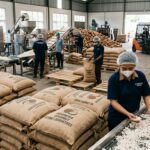


Introduction to Coir Pith Blocks in Indonesia
As the global agriculture and horticulture industries continue to prioritize sustainable and eco-friendly growing mediums, coir pith blocks, commonly known as cocopeat blocks, have emerged as a dominant solution. Sourced from the fibrous husks of coconuts, coir pith is an excellent soil amendment and soilless growing medium. Among the top producers worldwide, Indonesia stands out due to its vast coconut plantations, favorable tropical climate, and rapidly advancing processing facilities. In this comprehensive article, we will explore everything you need to know about coir pith block exporters in Indonesia, the manufacturing process, quality control, and how international buyers can successfully source these sustainable products.
Why Choose Indonesian Coir Pith Block Exporters?
Indonesia is one of the largest coconut-producing countries in the world. This massive agricultural output provides a virtually unlimited raw material supply for the production of coir pith. Choosing an Indonesian exporter comes with a myriad of benefits for global agricultural businesses. First and foremost is the cost-effectiveness driven by economies of scale. Furthermore, Indonesian exporters have invested heavily in modernizing their facilities to meet strict international standards, ensuring that the moisture content, electrical conductivity (EC), and compression ratios of the blocks are highly consistent.
International buyers looking to diversify their supply chains often turn to the Indonesian market. If you are interested in a broader view of the country’s agricultural export landscape, you can read Sourcing Organic Agricultural Products from Indonesia: A Complete Guide to understand the full scope of what the archipelago has to offer.
The Manufacturing Process of Coir Pith Blocks
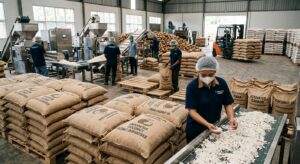
The journey from a raw coconut husk to a premium 5kg coir pith block involves a meticulous, multi-step process that guarantees the final product is free from pathogens, weeds, and excessive salts. The primary stages include:
- Husking and Defibering: The coconut husks are separated from the nut. Through a defibering process, the long fibers are extracted for other industries (like making ropes or mats), leaving behind the spongy, dust-like material known as coir pith.
- Washing and Aging: The raw coir pith naturally contains a high level of salts. To reduce the electrical conductivity (EC), the pith is washed multiple times with fresh water. It is then left to age or compost for several months, which stabilizes the material and improves its physical properties.
- Drying: The aged and washed pith is spread out on massive concrete yards to dry under the tropical Indonesian sun until the moisture content drops below a specific threshold, usually around 15-20%.
- Sieving: The dried material is passed through specific mesh screens to remove fine dust and large uncomposted chunks, ensuring uniform particle size.
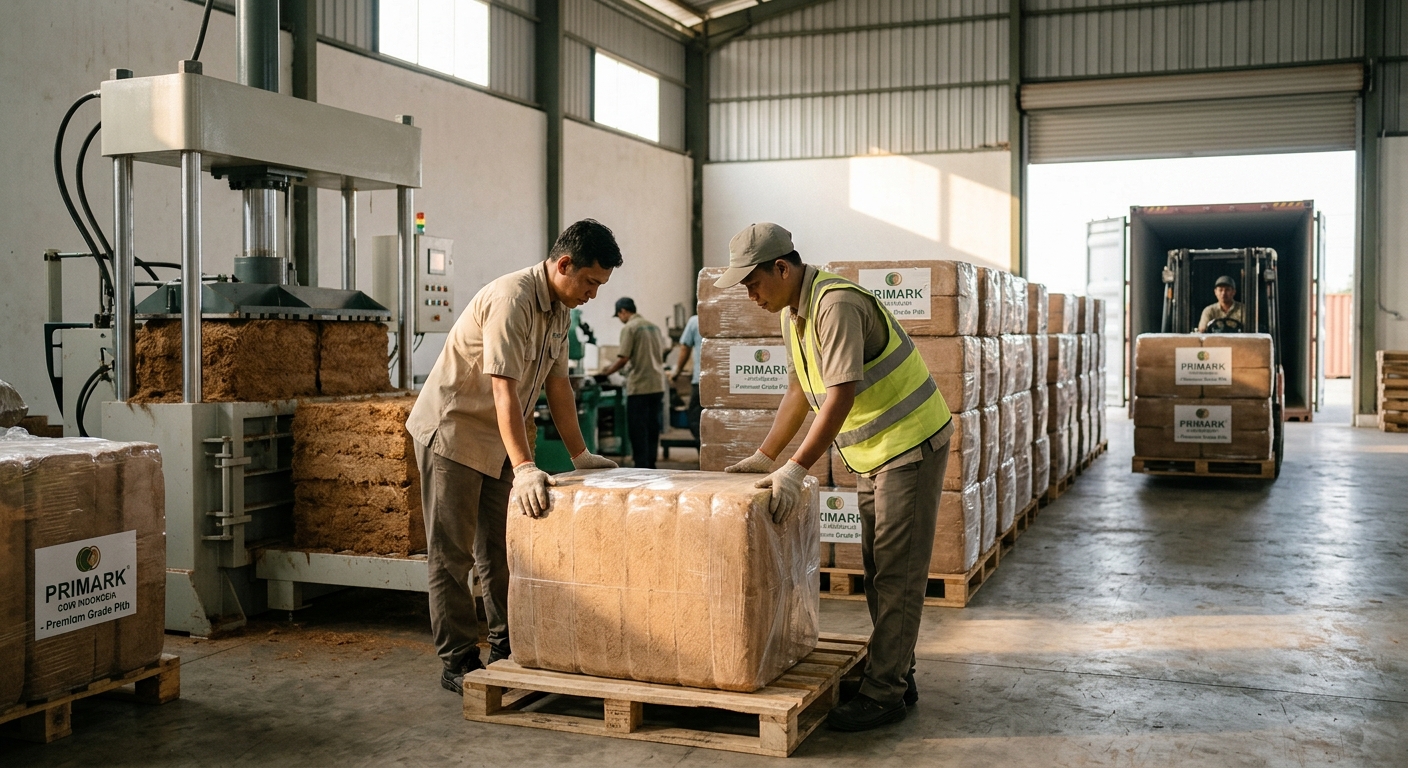
- Compressing and Packaging: Finally, hydraulic presses compress the graded coir pith into blocks, typically weighing 5kg each, with a compression ratio of 5:1. These blocks are then palletized and wrapped for export.
Quality Parameters: Understanding EC Levels
One of the most critical factors when purchasing coir pith blocks is the Electrical Conductivity (EC) level. The EC level indicates the amount of soluble salts present in the medium. High EC cocopeat is generally used for animal bedding or requires further washing by the end-user, whereas Low EC cocopeat is essential for sensitive plants and professional horticulture.
Indonesian exporters are highly adept at producing strictly monitored Low EC blocks. To dive deeper into how bulk purchasing of this specific grade can benefit your commercial growing operations, review The Ultimate Guide to Cocopeat Low EC Bulk Orders for Commercial Agriculture.
How to Identify Reliable Exporters in Indonesia
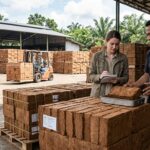
While Indonesia boasts a large number of coir pith suppliers, finding the right partner requires due diligence. A reliable exporter will be transparent about their production capacity, quality control measures, and shipping terms. It is highly recommended to request samples, verify factory certifications, and check their history of international trade.
To navigate the supplier vetting process effectively and avoid common pitfalls in international B2B procurement, buyers should consult How to Find Reliable Indonesian Manufacturers: A Comprehensive Guide. Establishing a long-term relationship with a trustworthy manufacturer ensures a steady supply of premium coir pith blocks, immune to sudden market fluctuations.
Wholesale Sourcing of Cocopeat Blocks
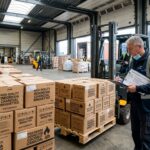
When purchasing coir pith blocks in bulk, logistics and container loading become paramount. A standard 40-foot High Cube (HC) container can typically hold between 20 to 24 metric tons of 5kg cocopeat blocks, depending on the palletization strategy. Palletized loading ensures easier unloading at the destination but slightly reduces the total tonnage compared to floor loading.
Partnering with a specialized wholesale supplier who understands international shipping regulations and phytosanitary requirements is non-negotiable. For an extensive look into wholesale procurement strategies specifically tailored for this commodity, you should read Indonesian Cocopeat Block Wholesale Supplier: Your Complete Guide to Premium Coir.
Typical Specifications of Export-Grade Coir Pith Blocks
When negotiating with Indonesian exporters, you will encounter standard specifications. Below is a table detailing the typical parameters of a premium export-grade 5kg coir pith block.
| Specification | Standard Value |
|---|---|
| Weight | 5 kg (± 0.2 kg) |
| Dimensions | 30 x 30 x 12 cm to 30 x 30 x 15 cm |
| Compression Ratio | 5:1 |
| Electrical Conductivity (EC) | < 0.5 mS/cm (Low EC) |
| pH Level | 5.5 to 6.8 |
| Moisture Content | 15% to 20% |
| Expansion Volume | 70 to 75 Liters per block |
Logistics and Shipping from Indonesia
Indonesia’s primary export hubs for agricultural products include the ports in Java (such as Tanjung Priok in Jakarta and Tanjung Perak in Surabaya) and Sumatra. These ports offer excellent connectivity to major markets in North America, Europe, the Middle East, and East Asia. Exporters handle the necessary documentation, including the Phytosanitary Certificate, Certificate of Origin, and Bill of Lading, ensuring that the coir pith blocks clear customs smoothly upon arrival.
Environmental Impact and Sustainability
One of the driving forces behind the global demand for Indonesian coir pith blocks is their sustainability. Unlike peat moss, which takes centuries to regenerate and whose extraction damages vital wetland ecosystems, cocopeat is a 100% renewable byproduct of the coconut industry. By repurposing the husks that would otherwise be discarded or burned, the production of coir pith reduces agricultural waste and lowers carbon footprints. Indonesian manufacturers are increasingly adopting solar drying methods and closed-loop water recycling systems to further enhance the eco-friendliness of their operations.
Conclusion
Coir pith blocks have revolutionized modern agriculture, providing a sustainable, highly effective growing medium for farmers and horticulturists worldwide. Indonesia, with its vast natural resources and modern manufacturing capabilities, stands at the forefront of this industry. By understanding the production process, quality parameters like EC levels, and the logistics of international shipping, buyers can secure high-quality products that meet their specific needs. Partnering with reputable coir pith block exporters in Indonesia not only guarantees a reliable supply chain but also supports sustainable agricultural practices on a global scale.
Frequently Asked Questions (FAQ)
What is the difference between high EC and low EC coir pith blocks?
High EC (Electrical Conductivity) coir pith contains natural salts and is typically used for animal bedding or requires thorough washing by the buyer. Low EC coir pith has been washed extensively by the manufacturer to remove these salts, making it safe and ready to use as a growing medium for sensitive plants and commercial horticulture.
Why are 5kg blocks the standard for export?
The 5kg block is the industry standard because it offers the optimal balance between compression efficiency and ease of handling. A 5kg block compresses a large volume of material (expanding to about 70-75 liters) into a compact brick, maximizing the amount of product that can fit into a shipping container, thereby reducing freight costs per ton.
How long does it take to ship coir pith blocks from Indonesia?
Shipping times vary depending on the destination port. Generally, shipments to East Asia take about 1-2 weeks, to the Middle East around 2-3 weeks, to Europe approximately 4-5 weeks, and to North America between 4-6 weeks. It is always advisable to plan inventory and place bulk orders well in advance to account for sea freight transit times.
Do Indonesian exporters provide phytosanitary certificates?
Yes, all reputable coir pith block exporters in Indonesia provide a Phytosanitary Certificate with every shipment. This document is issued by the Indonesian agricultural quarantine agency, certifying that the shipment has been inspected and is free from pests, pathogens, and weed seeds, which is a mandatory requirement for clearing customs in almost all destination countries.