

Introduction to Indonesia’s Palm Oil Industry
Indonesia stands as the undisputed global leader in the production and exportation of palm oil. This golden commodity is an essential pillar of the Indonesian economy, contributing significantly to foreign exchange earnings, rural development, and employment. However, managing such a massive industry requires intricate policy frameworks, particularly concerning export regulations. Central to this regulatory environment is the Indonesia palm oil export tax rate. Understanding this mechanism is vital for investors, traders, and policymakers navigating the global commodities market.
The Purpose of the Palm Oil Export Tax
The Indonesian government employs the palm oil export tax as a strategic tool to balance domestic needs with international trade demands. The primary objectives include stabilizing domestic cooking oil prices, encouraging downstream industrial development, and securing government revenue. By adjusting the tax rate based on global market prices, the government can effectively throttle exports during times of domestic scarcity or incentivize value-added processing within the country’s borders. For those seeking a deeper understanding of the broader regulatory landscape, exploring a Comprehensive Guide to Indonesia Crude Palm Oil Export Regulations is highly recommended.
How the Export Tax Rate is Calculated
The Indonesia palm oil export tax rate is not a static figure; rather, it is a dynamic levy tied to a reference price set by the Ministry of Trade. This reference price is derived from international benchmark prices, such as those from the Bursa Malaysia Derivatives and the Rotterdam market. The tax structure operates on a progressive scale. When the reference price falls below a certain threshold, the export tax is typically reduced to zero, encouraging exports. Conversely, as global prices soar, the tax rate increases proportionally, capturing a share of the windfall profits and ensuring domestic supply stability.
The Levy and the Tax: Understanding the Difference
It is crucial to distinguish between the export tax (Bea Keluar) and the export levy (Pungutan Ekspor). While both are applied to palm oil exports, they serve different purposes and are managed by different entities. The export tax goes directly to the state treasury, contributing to the national budget. In contrast, the export levy is collected by the Palm Oil Fund Management Agency (BPDPKS) and is specifically earmarked for reinvestment into the palm oil sector. This includes funding replanting programs for smallholders, promoting biodiesel mandates, and supporting research and development. Together, these two charges make up the total financial obligation for exporters.
Impact on Global Markets and Logistics
Changes in the Indonesia palm oil export tax rate have immediate and profound effects on global edible oil markets. As the largest supplier, any restriction or increased cost imposed by Indonesia can cause a ripple effect, driving up prices for alternative oils like soybean, sunflower, and rapeseed oil. Furthermore, the volatility in export volumes can complicate logistics and shipping. For businesses managing international supply chains from Southeast Asia, understanding related logistical costs, such as reviewing a Comprehensive Guide to LCL Shipping Rates from Indonesia to the US, becomes an essential part of financial planning.
Diversification: Beyond Palm Oil
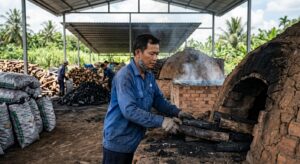
While palm oil dominates the export landscape, Indonesia is also known for other high-quality agricultural and forestry products. The policies governing palm oil often mirror the government’s approach to other commodities, focusing on sustainability and value addition. For instance, the thriving charcoal industry shares similarities in its export-oriented nature. Businesses interested in this sector often consult resources like A Complete Guide to Choosing a Premium Shisha Charcoal Supplier in Indonesia. Additionally, the demand for sustainable products is evident in the market for Coconut Charcoal Briquettes Wholesale Indonesia: The Premium Choice for Shisha and BBQ, highlighting the diverse opportunities within the Indonesian export sector.
Future Trends in Palm Oil Taxation
Looking ahead, the Indonesia palm oil export tax rate will likely continue to evolve in response to global economic conditions, domestic political priorities, and international sustainability pressures. The government is heavily focused on pushing the industry further downstream to produce refined products like oleochemicals and biodiesel. As a result, the tax spread between crude palm oil (CPO) and refined products is expected to widen, penalizing raw material exports and rewarding value-added processing. Furthermore, environmental regulations and the global push for sustainable palm oil will increasingly influence policy decisions, potentially introducing new compliance costs or tax incentives for certified sustainable producers.
Conclusion
The Indonesia palm oil export tax rate is a sophisticated and highly impactful economic instrument. It is designed to navigate the complex interplay between securing domestic food supplies, maximizing state revenue, and maintaining the country’s dominance in the global edible oil market. For global traders, understanding the nuances of this tax structure, including its progressive nature and its distinction from the export levy, is essential for strategic planning and risk management. As Indonesia continues to promote downstream processing and sustainable practices, the regulatory framework governing palm oil exports will remain a critical area of focus for the international business community.
Frequently Asked Questions (FAQ)
What triggers a change in the Indonesia palm oil export tax rate?
The export tax rate changes dynamically based on the international reference price for Crude Palm Oil (CPO), which is set monthly by the Indonesian Ministry of Trade. When global prices rise above specific thresholds, the tax rate increases progressively.
What is the difference between the palm oil export tax and the export levy?
The export tax goes into the general state budget to generate revenue, whereas the export levy is collected by a specialized agency (BPDPKS) and reinvested directly back into the palm oil industry for programs like replanting and biodiesel subsidies.
Why does Indonesia tax palm oil exports instead of allowing free trade?
Indonesia uses the export tax primarily to ensure an adequate supply of affordable cooking oil for its domestic market. It also serves to incentivize the development of domestic downstream industries by making raw CPO exports less profitable compared to refined products.