

Introduction to Indonesia’s Coconut Briquette Export Industry
Indonesia is one of the world’s leading producers and exporters of high-quality coconut charcoal briquettes. These briquettes, favored for their long burn time, minimal ash, and eco-friendly properties, are in high demand globally for shisha/hookah and barbecue applications. When engaging with Indonesian suppliers, understanding the Minimum Order Quantity (MOQ) is crucial for a successful transaction. The MOQ dictates the smallest volume a manufacturer is willing to produce and ship, significantly impacting your logistics and unit costs.
Navigating the export landscape involves more than just knowing the MOQ. Buyers must understand the sourcing process, shipping logistics, customs regulations, and the contractual terms that bind international trade. This comprehensive guide will walk you through the nuances of Indonesia coconut briquette export MOQ and how to optimize your importing strategy.
Understanding MOQ in the Coconut Briquette Market
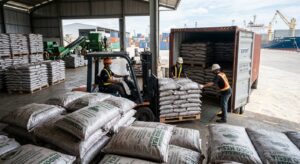
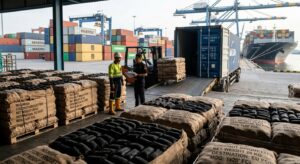
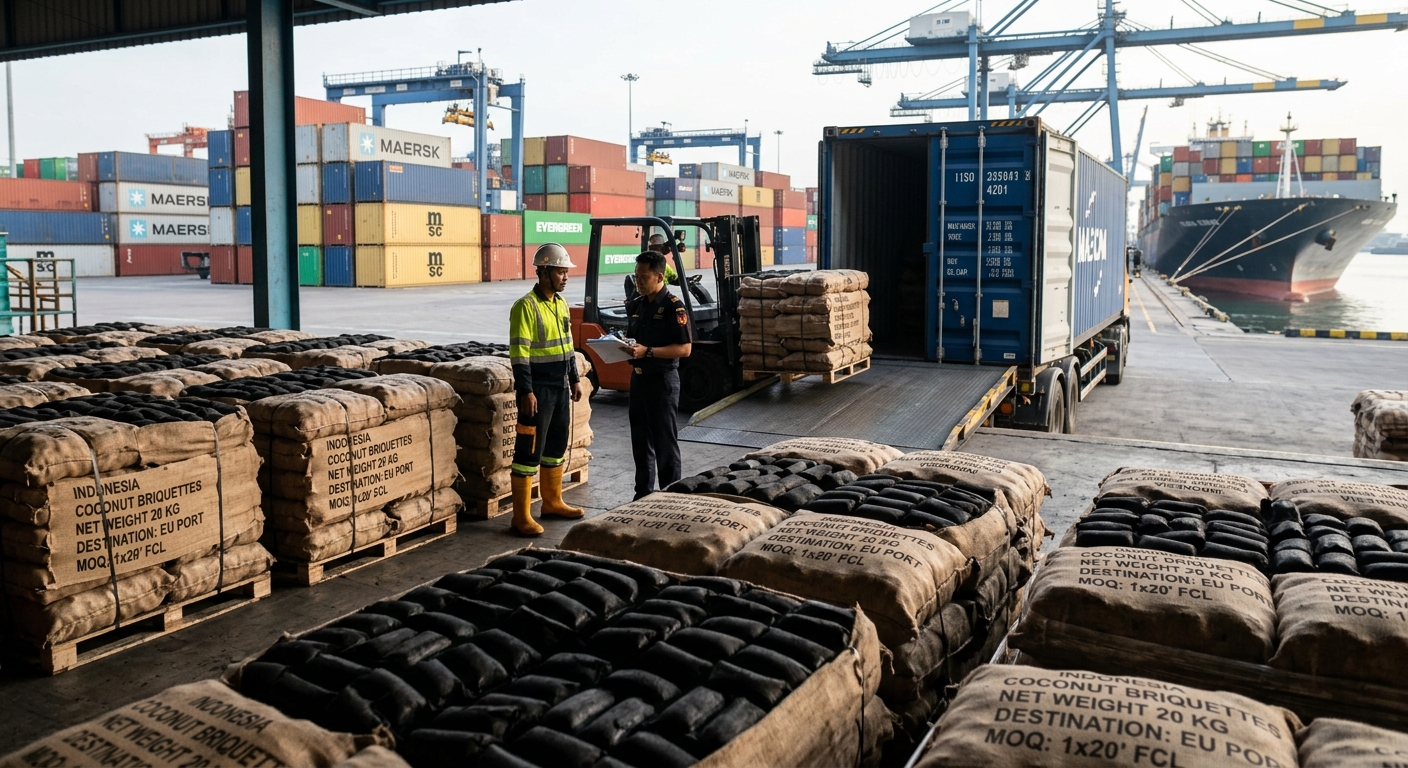
The standard Minimum Order Quantity for exporting coconut briquettes from Indonesia usually revolves around standard shipping container sizes. Most suppliers set their MOQ at one 20-foot container, which typically holds around 17 to 18 metric tons of briquettes, depending on the packaging style and box sizes. Some larger manufacturers may require a 40-foot container as their MOQ, which holds approximately 25 to 26 metric tons.
Why is the MOQ set at container levels? Coconut charcoal is heavy and low-cost relative to its volume. Shipping Less than Container Load (LCL) is highly inefficient and often discouraged by shipping lines due to the nature of the cargo (charcoal is classified as a dangerous good under the IMDG code, specifically Class 4.2, requiring special handling). Therefore, filling a Full Container Load (FCL) ensures safety, cost-efficiency, and operational viability for both the supplier and the buyer.
Logistics and Shipping Considerations
Once you have agreed upon the MOQ with your Indonesian supplier, the next step is managing the logistics. Shipping costs vary significantly based on the destination, the season, and global supply chain dynamics. If you are a European buyer, understanding these costs is vital for calculating your landed cost.
For a detailed breakdown of current freight rates and logistics strategies, we highly recommend reading the Comprehensive Guide to Indonesia Shipping Container Costs to Europe. This resource provides valuable insights into how to budget for ocean freight when importing your MOQ of coconut briquettes.
The Role of Incoterms
When negotiating your MOQ and shipping terms, you will encounter Incoterms (International Commercial Terms). These standardized terms define the responsibilities of the buyer and the seller regarding shipping, insurance, and tariffs. Common terms used in the Indonesian briquette export market include FOB (Free On Board), CIF (Cost, Insurance, and Freight), and EXW (Ex Works).
Choosing the right Incoterm can significantly affect your control over the shipment and the total cost. To ensure you make the right choice for your business model, consult A Comprehensive Guide to Incoterms for Indonesian Shipping Exports.
Sourcing and Supplier Evaluation
Finding the right supplier is just as important as understanding the MOQ. Indonesia has numerous factories, ranging from small-scale artisanal producers to massive industrial facilities. When sourcing, you need to evaluate the supplier’s production capacity, quality control measures, and ability to consistently meet your required MOQ without compromising on the specifications (such as ash content, moisture, and drop test durability).
Before committing to a full container MOQ, it is standard practice to request samples. While you will likely have to pay for the air courier fees, this is a necessary investment to verify the quality. For a broader understanding of how to successfully navigate the sourcing landscape, read A Comprehensive Guide to Bulk Sourcing Coconut Products in Indonesia.
Customs, Tariffs, and Documentation
Importing your MOQ of coconut briquettes requires strict adherence to customs regulations in both Indonesia and your destination country. Indonesian customs will require specific documentation, including a Commercial Invoice, Packing List, Bill of Lading, Certificate of Origin, and often a Self-Heating Test certificate (Vanning Certificate) due to the nature of charcoal.
At the destination port, you will be subject to import duties and taxes. To navigate the complexities of international trade compliance and avoid costly delays at the border, review the Comprehensive Guide to Customs and Tariffs Importing from Indonesia. Proper preparation of paperwork is the key to a smooth customs clearance process.
Comparing Standard Container Capacities for MOQ
To help you visualize the scale of a standard MOQ, the following table compares the typical capacities and attributes of 20-foot and 40-foot containers used for exporting coconut briquettes from Indonesia.
| Container Type | Max Payload Capacity | Typical Briquette Tonnage | Palletized Tonnage |
|---|---|---|---|
| 20-Foot Standard | 28 Metric Tons | 18 Metric Tons | 15 Metric Tons |
| 40-Foot High Cube | 29 Metric Tons | 26 Metric Tons | 22 Metric Tons |
Conclusion
Importing coconut briquettes from Indonesia is a lucrative venture if managed correctly. The standard MOQ of a 20-foot container is designed to maximize shipping efficiency and ensure product safety. By understanding the intricacies of shipping costs, Incoterms, supplier sourcing, and customs regulations, buyers can establish a robust supply chain. Always communicate clearly with your Indonesian partners and utilize the available resources to make informed purchasing decisions.
Frequently Asked Questions (FAQ)
What is the typical MOQ for Indonesia coconut briquettes?
The standard MOQ is usually one 20-foot container, which holds approximately 17 to 18 metric tons of briquettes without pallets, or about 15 metric tons if palletized.
Why can’t I order less than a container load (LCL)?
Coconut charcoal is classified as a dangerous good (Class 4.2). Shipping lines generally prohibit LCL shipments for this classification due to safety regulations, making FCL the only viable option.
Can I mix different shapes and sizes in one MOQ container?
Yes, most manufacturers allow you to mix different briquette shapes (like cubes, flats, or hexagons) and sizes within a single container, provided the total order meets the container’s volume requirements.
Are samples deducted from the final MOQ cost?
Typically, suppliers provide small samples for free, but the buyer must cover the expensive international courier fees. These fees are usually not deducted from the final FCL order cost.