

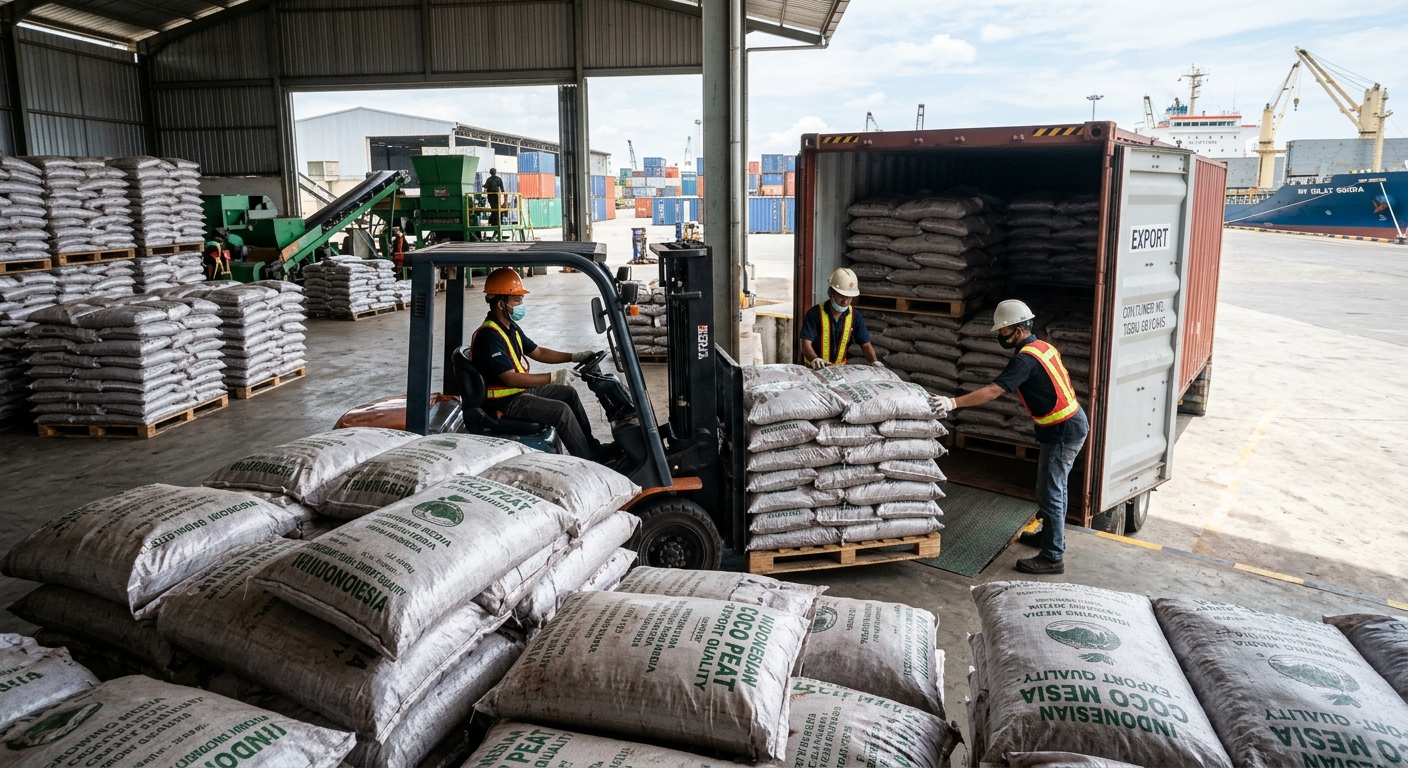
Introduction to Importing Growing Media from Indonesia
As the global agriculture and horticulture sectors continue to expand, the demand for high-quality, sustainable growing media has reached unprecedented levels. Indonesia, with its rich agricultural resources and strategic location, has emerged as a premier source for various types of growing media, including cocopeat, sphagnum moss, and volcanic pumice. Importing these materials can provide significant advantages for nurseries, commercial farms, and retail suppliers seeking cost-effective and environmentally friendly solutions.
Understanding the intricacies of international trade, quality control, and logistics is essential for a successful import venture. This article provides a detailed exploration of the processes, benefits, and considerations involved in sourcing agricultural products from this Southeast Asian powerhouse. Whether you are looking for an experienced Indonesian export company or trying to understand shipping logistics, this guide will equip you with the necessary knowledge.
The Appeal of Indonesian Growing Media
Indonesia’s tropical climate and fertile volcanic soil contribute to the production of superior agricultural byproducts that serve as excellent growing media. The most sought-after product is cocopeat (coir pith), derived from coconut husks. It is highly valued for its excellent water retention, optimal aeration, and natural resistance to diseases and weeds.
By importing from Indonesia, businesses can access bulk quantities at competitive prices. Furthermore, sustainable harvesting practices align with the increasing global emphasis on eco-friendly agriculture. Sourcing from a reliable supplier is crucial to ensure consistent quality. For a deeper understanding of how to select the right partner, you can read the Comprehensive Guide to Choosing a Wholesale Agricultural Commodities Supplier in Indonesia.
Common Types of Growing Media Exported from Indonesia
Before initiating the import process, it is important to understand the different types of growing media available from Indonesian suppliers. Each type offers distinct benefits suited for specific horticultural applications.
Cocopeat (Coco Coir)
Cocopeat is the most prominent export in this category. Available in compressed blocks, briquettes, or loose bags, it is widely used in hydroponics, potting mixes, and soil conditioning. Its high cation exchange capacity (CEC) allows it to hold and release nutrients efficiently.
Sphagnum Peat Moss
Though less common than cocopeat, high-quality sphagnum moss is harvested in certain Indonesian regions. It is highly prized by orchid growers and carnivorous plant enthusiasts for its moisture-retentive properties and acidic pH.
Volcanic Pumice and Scoria
Indonesia’s active volcanic landscape provides an abundant supply of pumice and scoria. These porous rocks are excellent for improving soil drainage and aeration, making them ideal for succulents, bonsai, and specialized nursery mixes.
Below is a comparison of the primary growing media imported from Indonesia, detailing their key characteristics to help you make an informed purchasing decision.
| Growing Media Type | Primary Benefit | Ideal Application | Typical Export Form |
|---|---|---|---|
| Cocopeat | High water retention | Hydroponics, potting mixes | Compressed 5kg blocks |
| Sphagnum Moss | Moisture and acidity | Orchids, propagation | Dried, compressed bales |
| Volcanic Pumice | Drainage and aeration | Succulents, bonsai | Graded loose bags (bulk) |
Navigating Customs and Regulations
Importing organic materials involves strict adherence to international phytosanitary regulations. Because growing media can potentially harbor pests or diseases, destination countries require rigorous documentation and treatment procedures before entry is permitted.
Phytosanitary Certificates
Every shipment of growing media must be accompanied by a Phytosanitary Certificate issued by the Indonesian Agricultural Quarantine Agency (Barantan). This document proves that the cargo has been inspected and meets the plant health requirements of the importing country. Common treatments include fumigation or heat treatment to ensure the material is sterile.
HS Codes and Import Duties
Accurate classification of goods is necessary for smooth customs clearance and correct calculation of import duties. While growing media falls under specific agricultural categories, understanding related codes is also helpful if you diversify your imports. For instance, if you also trade in alternative fuels, you might find the Indonesia HS Code for Charcoal Briquettes: A Comprehensive Guide for Exporters and Importers useful as a reference for handling Indonesian export classifications.
Logistics and Shipping Container Costs
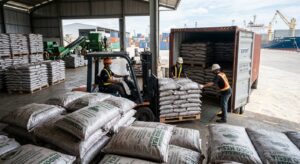
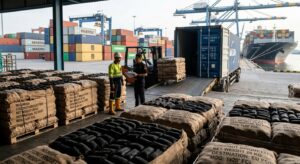
Once you have secured a supplier and ensured regulatory compliance, managing logistics is the next critical step. Growing media, especially cocopeat blocks, are typically shipped in 20-foot or 40-foot High Cube (HC) containers to maximize volume and minimize freight costs per unit.
Shipping rates fluctuate based on global market conditions, fuel prices, and seasonal demand. It is advisable to work with experienced freight forwarders who can navigate port congestion and secure favorable rates. If you are importing into the European market, understanding the specific cost structures is vital. For detailed insights, refer to the Comprehensive Guide to Indonesia Shipping Container Costs to Europe.
Quality Control and Supplier Verification
Ensuring the quality of your imported growing media is paramount to maintaining the health of the plants they will support. Quality parameters for cocopeat, for example, include Electrical Conductivity (EC) levels, pH balance, and expansion volume.
- Low EC vs. High EC: Low EC cocopeat has been washed to remove natural salts, making it suitable for sensitive seeds and seedlings. High EC cocopeat is generally used as animal bedding or requires washing by the end-user.
- Moisture Content: The moisture content should ideally be below 15% to prevent mold growth during transit and to maximize the amount of product loaded into a container.
- Expansion Rate: High-quality compressed blocks should expand significantly when hydrated, providing excellent value for volume.
Always request samples and laboratory test reports before committing to large bulk orders. Conducting background checks on suppliers, verifying their export licenses, and potentially hiring third-party inspection services before shipment can mitigate risks associated with international trade.
Conclusion
Importing growing media from Indonesia offers a lucrative opportunity for agricultural businesses worldwide to secure sustainable, high-quality resources at competitive prices. By understanding the types of media available, strictly adhering to phytosanitary regulations, and managing shipping logistics effectively, importers can build a reliable supply chain. Partnering with reputable Indonesian suppliers and conducting thorough due diligence will ensure that you receive products that meet your exact specifications, ultimately supporting the growth and success of your horticultural endeavors.
Frequently Asked Questions (FAQ)
What is the most popular growing media imported from Indonesia?
Cocopeat, also known as coco coir pith, is the most widely imported growing media from Indonesia due to its excellent water retention, aeration properties, and sustainable nature.
Do I need a special permit to import growing media?
Yes, importing organic growing media requires strict adherence to the destination country’s agricultural regulations. You will always need a Phytosanitary Certificate from Indonesia, and depending on your location, you may need a specific import permit from your local agricultural authority.
How is cocopeat shipped to minimize costs?
To reduce shipping costs and maximize container space, cocopeat is typically dried and compressed into 5kg blocks or smaller briquettes. It is then palletized and shipped in standard ocean freight containers.
How can I ensure the growing media does not contain pests?
Reputable suppliers in Indonesia will subject the growing media to necessary treatments, such as fumigation or heat treatment, prior to export. The resulting Phytosanitary Certificate guarantees that the shipment has been inspected and cleared of pests and diseases.