

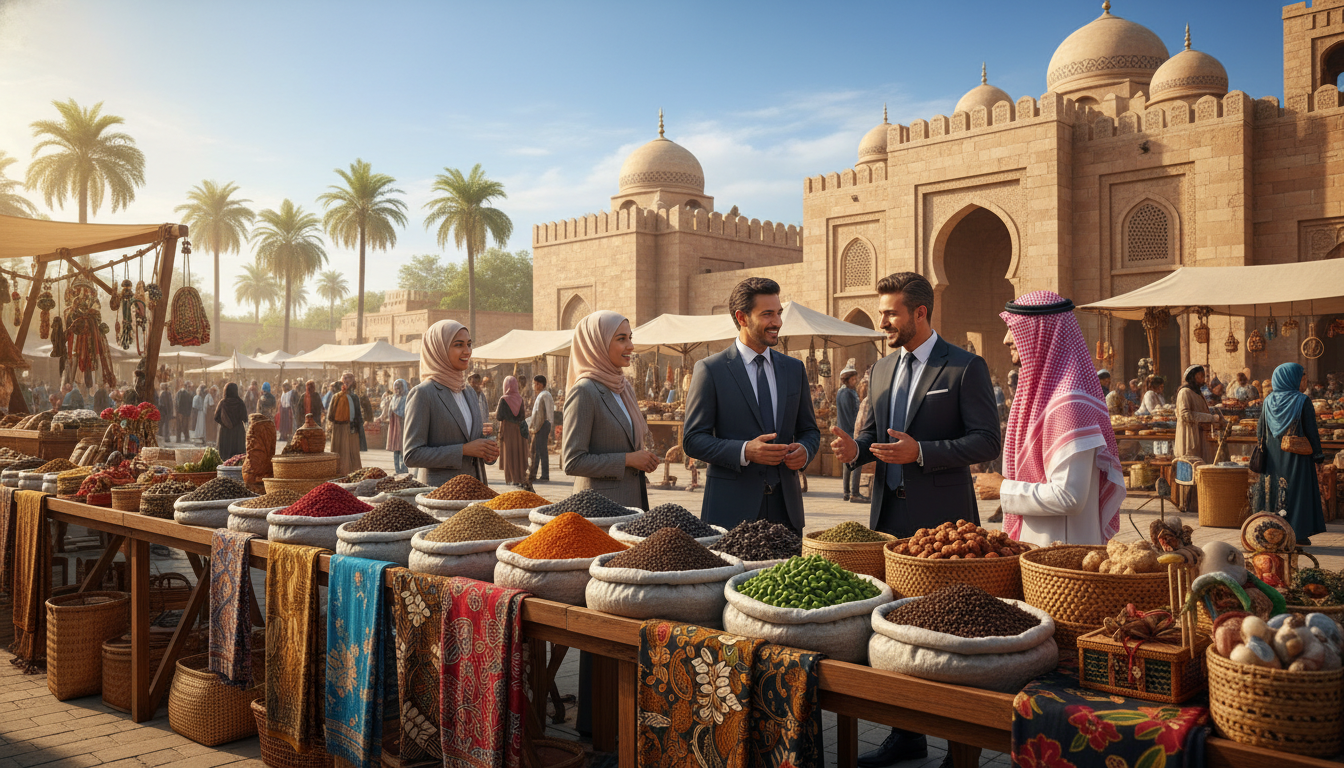
The trade relationship between Indonesia and the Gulf region is entering an exciting new era. As we look toward 2026, businesses have a unique chance to expand their reach into these vibrant economies. Strategic partnerships are now the primary driver of success for companies aiming to scale internationally.
Navigating the complex landscape of the United Arab Emirates requires a clear roadmap. By identifying key markets for indonesian products in the middle east, exporters can unlock significant potential. This guide provides the insights you need to establish a firm foothold and thrive in this competitive environment.
Key Takeaways
- Strengthening trade ties between Indonesia and the Gulf region offers massive growth potential.
- Strategic partnerships remain the most effective way to enter new territories.
- Understanding the 2026 geopolitical landscape is vital for long-term business stability.
- The United Arab Emirates serves as a primary hub for regional expansion.
- Exporters should focus on high-demand sectors to maximize their market impact.
The Growing Synergy Between Indonesia and the Middle East
A powerful wave of trade is currently reshaping the commercial landscape between Indonesia and the Middle East. This dynamic partnership is built on a foundation of mutual interests and a shared vision for economic prosperity. As global markets shift, the flow of indonesian exports to middle east has become a cornerstone of regional supply chains.
The scale of this economic activity is truly impressive. In 2025, Indonesia recorded total exports of approximately US$282.9 billion, proving its ability to meet the high standards of international buyers. This success is a major driver for the expanding indonesian market in middle east, where demand for quality goods continues to rise.
Several factors contribute to this growth, including the region’s increasing appetite for diverse commodities. Businesses are finding that strategic cooperation helps them navigate global economic fluctuations with greater ease. By focusing on high-value sectors, the indonesian exports to middle east are becoming more resilient and diverse than ever before.
The following table highlights the key indicators that define this growing economic relationship:
| Indicator | 2025 Status | Growth Potential |
|---|---|---|
| Total Export Value | US$282.9 Billion | High |
| Market Reach | Regional Hubs | Expanding |
| Trade Synergy | Strong | Increasing |
Ultimately, the expanding indonesian market in middle east relies on the ability of suppliers to adapt to local preferences. As these trade ties strengthen, both regions stand to benefit from increased investment and long-term stability. This synergy is not just a temporary trend but a sustainable path toward future growth.
Analyzing Key Markets for Indonesian Products in the Middle East
Finding the right entry point is the first step toward successful trade between Indonesia and the Middle East. Businesses that take the time to study local economic conditions often find the most rewarding paths for growth. By focusing on specific regions, exporters can better align their supply chains with local demand.
When we look at the key markets for indonesian products in the middle east, it becomes clear that a one-size-fits-all approach rarely works. Each nation offers a unique regulatory environment and consumer preference profile. Understanding these nuances allows companies to position their goods effectively against global competitors.
There are significant opportunities for indonesian products in middle east regions that prioritize food security and infrastructure development. Countries with high import reliance are particularly open to high-quality agricultural goods and construction materials from Indonesia. Strategic partnerships in these areas can lead to long-term commercial success.
Exporters should prioritize markets that demonstrate both stability and a growing appetite for diverse imports. By tailoring marketing strategies to meet the specific cultural and economic needs of these nations, Indonesian enterprises can secure a strong foothold. Identifying these high-potential zones is the foundation for any sustainable export strategy in the region.
United Arab Emirates as a Strategic Gateway
For companies aiming to export indonesian goods in middle east markets, the UAE offers a unique logistical advantage. This nation acts as a vital bridge, connecting the vibrant economy of Southeast Asia with the diverse consumer base of the Gulf region. By establishing a presence here, businesses can tap into a sophisticated network that simplifies complex trade routes.
There are many exciting opportunities for indonesian products in middle east regions, provided that exporters leverage the right entry points. The UAE stands out because it combines world-class facilities with a forward-thinking approach to international commerce. It is truly the heartbeat of regional trade.
Logistics and Infrastructure Advantages
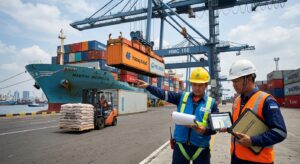
The UAE boasts some of the most advanced ports and airports in the world, such as Jebel Ali Port and Dubai International Airport. These facilities ensure that goods move quickly and reliably across borders. Efficient supply chain management is the backbone of success for any exporter looking to scale operations.
“The UAE’s commitment to infrastructure excellence transforms it into a global crossroads for trade, making it an essential partner for emerging markets.”
This connectivity allows for seamless distribution, reducing the time it takes for products to reach shelves. When you utilize these hubs, you gain a competitive edge that is hard to replicate elsewhere. The following table highlights why this infrastructure is so critical for trade efficiency.
| Feature | Benefit for Exporters | Impact |
|---|---|---|
| Advanced Ports | Faster cargo handling | Reduced lead times |
| Global Connectivity | Access to 2 billion people | Market expansion |
| Digital Customs | Paperless processing | Lower administrative costs |
The Role of Free Trade Zones
Free trade zones in the UAE provide a business-friendly environment that is perfect for international companies. These zones offer 100% foreign ownership and significant tax exemptions, which help lower the cost of doing business. By operating within these areas, Indonesian firms can focus on growth rather than bureaucratic hurdles.
These zones are designed to foster innovation and collaboration among global partners. They act as incubators for success, providing the necessary support to navigate the unique demands of the local market. Utilizing these zones is a proven strategy to maximize the opportunities for indonesian products in middle east territories while maintaining high profit margins.
Saudi Arabia and the Vision 2030 Opportunity
As Saudi Arabia accelerates its economic diversification, Indonesian businesses find themselves at a unique crossroads of opportunity. The nation is moving beyond its traditional reliance on oil, creating a vibrant environment for middle east importers of indonesian products to thrive. This transformation is not just a policy shift; it is a fundamental change in how the country engages with global trade partners.
“Vision 2030 is a blueprint for a sustainable and prosperous future, inviting the world to participate in our growth and innovation.”
Demand for Consumer Goods and Textiles
The rapid expansion of the Saudi retail sector has created a significant appetite for high-quality consumer goods. Indonesian manufacturers are well-positioned to meet this demand, particularly in the textile and apparel industries. Quality and affordability remain the primary drivers for local buyers who seek reliable supply chains.
Many middle east importers of indonesian products are now looking toward Jakarta for sustainable fabrics and ready-to-wear fashion. By aligning with the modern tastes of the Saudi population, Indonesian exporters can secure a long-term foothold in this competitive market. The focus is shifting toward premium materials that offer both comfort and durability.
Infrastructure Projects and Construction Materials
The massive scale of Saudi Arabia’s infrastructure projects, such as NEOM and the Red Sea Project, requires a steady flow of high-grade construction materials. Indonesian suppliers have the capacity to provide essential components that meet international standards. This is a golden era for those who can deliver reliable logistics and consistent product quality to the region.
The following table highlights the key sectors where Indonesian exports are currently gaining momentum within the Saudi market:
| Export Category | Market Potential | Primary Driver |
|---|---|---|
| Textiles & Apparel | High | Retail Expansion |
| Construction Materials | Very High | Vision 2030 Projects |
| Processed Food | Moderate | Consumer Demand |
| Furniture | Moderate | Hospitality Growth |
By focusing on these strategic areas, Indonesian companies can effectively serve as key middle east importers of indonesian products, ensuring that the growing Saudi economy has the resources it needs to succeed. Success in this market requires a commitment to excellence and a deep understanding of local regulatory requirements.
Qatar and the Growing Appetite for Indonesian Commodities
As global energy markets shift, Qatar is increasingly turning toward diverse partners for essential goods. This transition creates a unique opening for indonesian goods in middle east markets to gain a stronger foothold. By aligning with Qatar’s national development goals, exporters can secure long-term success in this competitive region.
Food Security and Agricultural Imports
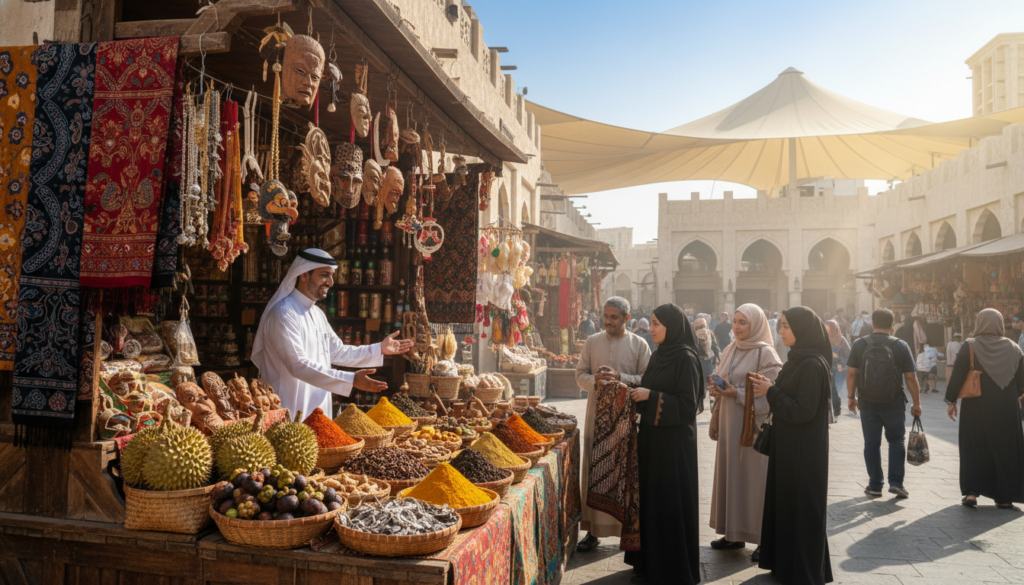
Qatar places a high priority on food security to ensure a stable supply for its growing population. Indonesian food processors are perfectly positioned to meet this demand through reliable supply contracts. These partnerships help stabilize the local market while providing Indonesian producers with consistent export volumes.
The focus remains on high-quality agricultural products, including processed snacks, spices, and tropical fruits. By meeting strict international standards, Indonesian companies can effectively integrate into the Qatari supply chain. This collaboration is essential for maintaining the steady flow of goods that the nation requires.
Furniture and Interior Design Trends
The booming interior design sector in Qatar offers a lucrative opportunity for high-end craftsmanship. There is a growing appreciation for sustainable wood products and unique designs that reflect Indonesian heritage. Many indonesian brands in middle east markets are now showcasing their ability to blend traditional artistry with modern luxury.
Whether for residential projects or commercial hospitality spaces, the demand for premium furniture continues to rise. Exporters who focus on durability and aesthetic appeal will find a receptive audience among Qatari developers. The following table highlights the primary export categories currently driving this trade relationship.
| Export Category | Primary Demand Driver | Market Potential |
|---|---|---|
| Processed Foods | Food Security Initiatives | High |
| Teak Furniture | Luxury Interior Design | Very High |
| Spices & Coffee | Hospitality Sector | Moderate |
| Sustainable Timber | Construction Projects | High |
Kuwait and Oman as Emerging Trade Partners
Kuwait and Oman represent the next wave of growth for indonesian trade partners in the Middle East. While established hubs often dominate headlines, these two nations offer a unique landscape for businesses looking to diversify their reach. Both countries are actively seeking high-quality imports to satisfy a growing middle class that values authenticity and premium standards.
Niche Markets for Indonesian Spices and Coffee
The culinary scene in Kuwait and Oman is evolving rapidly, creating a strong demand for authentic ingredients. Indonesian spices, known for their rich flavor profiles, are becoming a staple in high-end kitchens and retail outlets. Local consumers increasingly prefer the distinct aroma and quality of Indonesian coffee beans over mass-market alternatives.
By positioning products as premium, exporters can capture significant market share in these regions. This focus on specialty goods allows smaller firms to compete effectively against larger, more established global brands. Building a reputation for quality is the most reliable way to secure long-term success as one of the key indonesian trade partners in the Middle East.
Opportunities in Sustainable Energy Solutions
As Kuwait and Oman transition toward greener economies, they are opening doors for international collaboration. Indonesian firms with expertise in renewable energy technologies and sustainable infrastructure are finding new avenues for growth. These nations are investing heavily in projects that reduce carbon footprints and promote long-term environmental stability.
The following table highlights the primary sectors where Indonesian businesses can find the most success in these emerging markets:
| Sector | Market Potential | Key Advantage |
|---|---|---|
| Specialty Coffee | High | Premium Quality |
| Organic Spices | Moderate | Authentic Origin |
| Solar Components | High | Technical Expertise |
| Green Construction | Moderate | Sustainable Materials |
Engaging with these markets requires a clear understanding of local regulatory shifts. Companies that align their offerings with national sustainability goals will likely thrive as essential indonesian trade partners in the Middle East. Now is the ideal time to establish a presence and build lasting professional relationships in these vibrant, growing economies.
Top Indonesian Export Categories Driving Regional Growth
From essential food supplies to industrial components, indonesian exports to the middle east are making a significant impact on regional supply chains. While Indonesia imported approximately 17.58 million tons of crude oil in 2025, the nation has successfully balanced this by scaling up its non-oil and gas exports. This strategic shift highlights the country’s growing role as a reliable partner for Middle Eastern markets.
Palm Oil and Food Processing
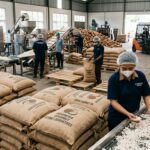
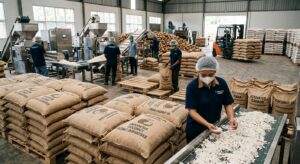
Palm oil remains a cornerstone of the trade relationship, serving as a vital ingredient for both the food processing and cosmetic industries in the region. Indonesian producers have invested heavily in meeting international quality standards to ensure their goods align with local consumer preferences.
Beyond raw commodities, processed food items are gaining traction. Reliability and consistency are the hallmarks of these exports, helping to stabilize food security across the Middle East.
“Trade is the bridge that connects diverse economies, turning local strengths into global opportunities for growth and prosperity.”
Textiles and Apparel Manufacturing
The textile sector represents another pillar of indonesian exports to the middle east, known for its blend of traditional craftsmanship and modern manufacturing techniques. Middle Eastern retailers increasingly look to Indonesia for high-quality fabrics and finished garments that cater to both luxury and everyday markets.
By focusing on sustainable production methods, Indonesian manufacturers are successfully capturing a larger share of the regional fashion industry. This commitment to quality ensures that Indonesian apparel remains a preferred choice for discerning buyers.
Automotive Components and Spare Parts
As the Middle East continues to expand its industrial base, the demand for high-quality automotive components has surged. Indonesia has positioned itself as a key supplier, providing durable parts that meet the rigorous technical requirements of the regional automotive sector.
These indonesian exports to the middle east support the maintenance and assembly of vehicles across the region. By providing reliable spare parts, Indonesian companies are playing an essential role in keeping regional transportation networks running smoothly and efficiently.
Navigating Regulatory Frameworks and Trade Agreements
Success for exporters often hinges on how well they navigate the complex regulatory landscape of the region. When you aim to connect with middle east importers of indonesian products, understanding the local legal environment is not just a formality; it is a strategic necessity. By aligning your business practices with regional standards, you create a foundation for long-term growth and credibility.
Understanding Halal Certification Requirements
In many Middle Eastern nations, Halal certification is the most critical requirement for food and consumer goods. This process ensures that products meet specific religious and quality standards, which is vital for gaining consumer trust. When you provide verified documentation, you signal to your partners that you respect local values and market expectations.
Compliance with these standards acts as a bridge between your business and the local community. It allows you to build stronger relationships with middle east importers of indonesian products who prioritize quality and integrity. Consider these essential steps for your certification journey:
- Identify the specific Halal authority recognized in your target country.
- Ensure your supply chain maintains strict separation from non-compliant materials.
- Keep your certification documentation updated and easily accessible for customs inspections.
Leveraging the Indonesia-UAE Comprehensive Economic Partnership Agreement
The Indonesia-UAE Comprehensive Economic Partnership Agreement (IUAE-CEPA) serves as a powerful tool for businesses looking to streamline their operations. This framework significantly reduces trade barriers, making it easier for companies to move goods across borders efficiently. You can find more detailed insights on these diplomatic and economic ties by reviewing this academic analysis of trade relations.
By utilizing the provisions within this agreement, you can lower operational costs and improve your competitive edge. It is highly recommended to consult with trade experts to understand how specific tariff reductions apply to your product categories. Taking advantage of these institutional frameworks helps you navigate the complexities of international trade with greater confidence and speed.
Building Successful Partnerships with Indonesian Suppliers
Establishing a strong connection with Indonesian suppliers is the cornerstone of long-term trade success in the Middle East. When you choose the right partners, you ensure that your supply chain remains resilient and efficient. This foundation allows indonesian brands in middle east markets to thrive despite the challenges of global logistics.
Identifying Reliable Manufacturers and Distributors
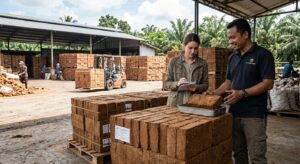
Finding a trustworthy partner requires a rigorous vetting process to mitigate international trade risks. You should prioritize suppliers who hold recognized quality certifications and have a proven track record of exporting to the UAE. Reliability is not just about product quality; it is about the ability to handle complex cross-border logistics seamlessly.
It is helpful to conduct site visits or hire local agents to verify production capacities before signing long-term contracts. By doing so, you ensure that your indonesian trade partners in middle east regions can meet your specific volume and delivery requirements. A transparent communication channel remains the best tool for maintaining high standards over time.
Cultural Nuances in Business Negotiations
Business in Indonesia often relies on building personal rapport before discussing formal contracts. Patience is a virtue, as negotiations may take longer than you expect in Western business environments. Showing genuine interest in your partner’s background helps foster a productive and lasting professional relationship.
Effective communication involves active listening and a respectful approach to hierarchy. When you align your business practices with these cultural expectations, you create a stronger bond with your suppliers. This mutual respect is essential for navigating the competitive landscape of indonesian brands in middle east markets effectively.
| Criteria | Standard Supplier | Strategic Partner |
|---|---|---|
| Communication | Transactional | Collaborative |
| Quality Control | Basic Checks | Rigorous Audits |
| Logistics | Standard Shipping | Integrated Solutions |
| Relationship | Short-term | Long-term Growth |
By focusing on these key areas, you can secure indonesian trade partners in middle east markets that provide a competitive edge. Investing time in these relationships today will pay dividends in your future operations.
Conclusion
The Middle East remains a vital and dynamic region for Indonesian exporters. Success in this area requires strategic foresight and a commitment to long-term growth. Businesses that prioritize adaptability will thrive as they navigate the complexities of international trade.
Expanding indonesian market in middle east requires a deep understanding of local consumer needs. Companies should focus on high-demand sectors like food processing and sustainable energy. Building strong relationships with local partners creates a foundation for lasting commercial success.
Geopolitical shifts will continue to influence global trade throughout 2026. Proactive firms that monitor these regional developments maintain a significant competitive edge. This focus on agility ensures that your brand remains relevant in a fast-paced environment.
We invite you to explore these emerging opportunities with confidence. Your dedication to quality and cultural awareness will open doors across the region. Start your journey toward expanding indonesian market in middle east today by connecting with key industry stakeholders.