

Introduction to Importing from Indonesia
Indonesia has emerged as a major player in the global export market, offering a vast array of high-quality products ranging from agricultural commodities to manufactured goods. Navigating the logistics for importing from Indonesia requires a solid understanding of the country’s export procedures, freight forwarding options, and customs regulations. Whether you are a seasoned importer or a newcomer looking to expand your supply chain, mastering these logistical elements is crucial for a smooth and profitable international trade experience.
Understanding the intricacies of Indonesian logistics can significantly reduce delays and unexpected costs. To get started, many importers find it beneficial to consult a B2B Marketplace Indonesia Exporters List: A Comprehensive Guide, which provides valuable insights into verified suppliers and potential trading partners across various industries.
Understanding the Indonesian Export Landscape
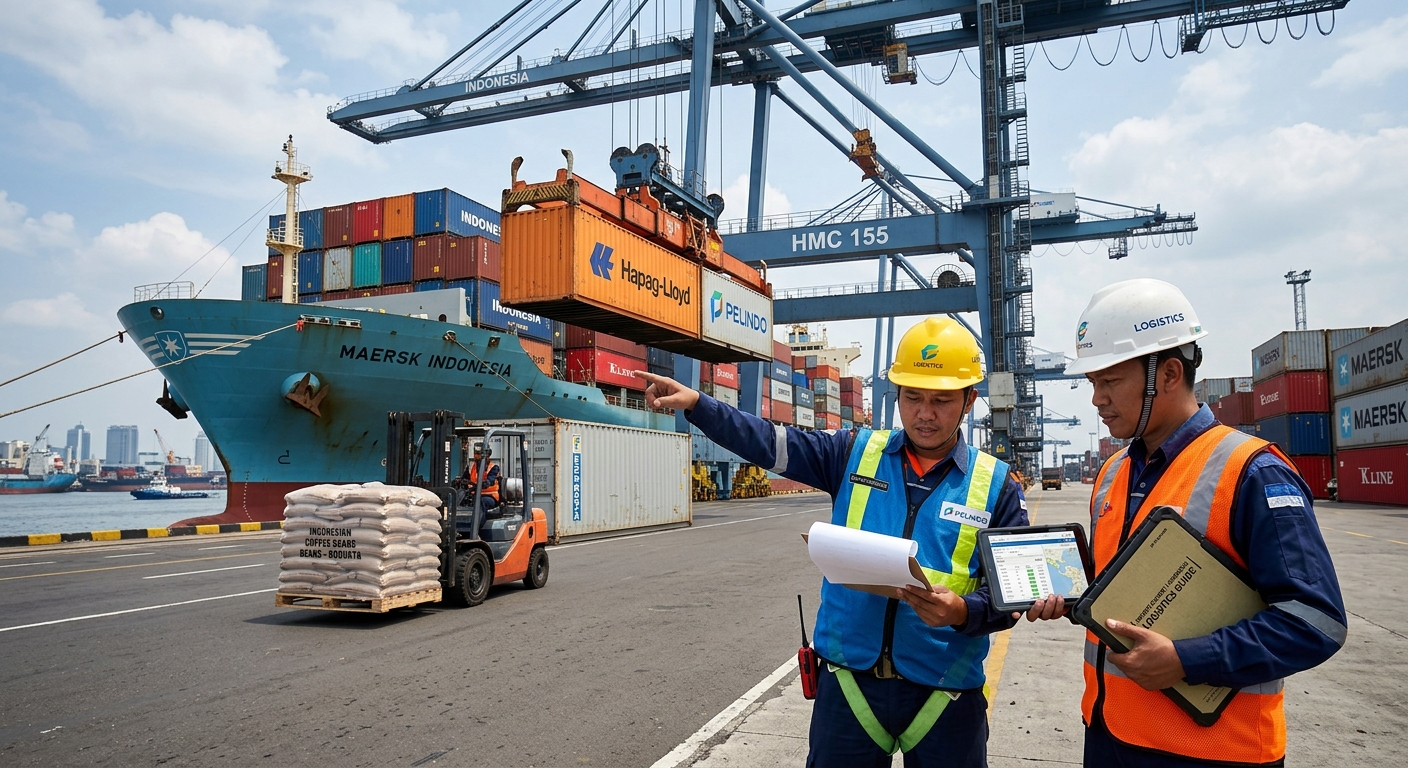
Indonesia’s geographical makeup as a sprawling archipelago presents unique logistical challenges and opportunities. The country boasts several major sea ports, with Tanjung Priok in Jakarta and Tanjung Perak in Surabaya handling the majority of international cargo. Additionally, Soekarno-Hatta International Airport serves as the primary hub for air freight.
When sourcing specific products, such as agricultural goods or specialized fuels, it is vital to connect with reliable suppliers who understand international shipping standards. For example, if you are looking into the charcoal market, reading The Ultimate Guide to Finding a Reliable Coconut Shell Charcoal BBQ Supplier can help you identify manufacturers that comply with strict export requirements.
Key Documentation and Customs Regulations
Successful importation relies heavily on accurate documentation. The Indonesian Customs Authority (Direktorat Jenderal Bea dan Cukai) requires several key documents for export clearance. These typically include the Commercial Invoice, Packing List, Bill of Lading (or Airway Bill), Certificate of Origin, and an Export Declaration (PEB). Ensuring these documents are meticulously prepared is the first step in avoiding port delays.
Choosing the Right Freight Forwarding Method
Importers generally choose between sea freight and air freight based on their budget, timeline, and the nature of the goods. Below is a comparison of the primary shipping methods used when importing from Indonesia.
The following table compares the typical transit times, relative costs, and best use cases for Sea Freight (FCL), Sea Freight (LCL), and Air Freight from Indonesia.
| Shipping Method | Typical Transit Time (to US/EU) | Relative Cost | Best Suited For |
|---|---|---|---|
| Sea Freight (FCL) | 25 – 40 Days | Low per unit | Large, bulky shipments |
| Sea Freight (LCL) | 30 – 45 Days | Medium | Moderate volume shipments |
| Air Freight | 3 – 7 Days | High | Urgent or high-value goods |
Sea Freight vs. Air Freight
For most commercial imports, sea freight is the preferred choice due to its cost-effectiveness, especially for Full Container Loads (FCL). However, Less than Container Load (LCL) options are available for smaller shipments, though they may take slightly longer due to the consolidation process.
Air freight, while significantly more expensive, is indispensable for time-sensitive deliveries, perishable goods, or high-value electronics. If your primary market is North America, you will want to familiarize yourself with A Complete Guide to International Shipping from Indonesia to the USA to understand specific routing, timelines, and compliance issues.
Partnering with Local and International Experts
Working with a reputable freight forwarder or sourcing agent is highly recommended. These professionals can manage inland transportation, handle port handling charges, and navigate complex customs procedures. Companies dedicated to facilitating Indonesian trade, such as those you can find by visiting Indonesian export specialists, often provide end-to-end logistics solutions that mitigate risks and streamline the supply chain.
Conclusion
Importing goods from Indonesia offers tremendous potential for global businesses. By understanding the local logistics infrastructure, preparing the correct documentation, and choosing the right shipping methods, importers can optimize their supply chains. Leveraging the expertise of reliable suppliers and specialized freight forwarders ensures that your products arrive safely, on time, and within budget, ultimately contributing to your business’s bottom line.
Frequently Asked Questions
What are the major ports in Indonesia for export?
The primary ports for international shipping are Tanjung Priok in Jakarta, Tanjung Perak in Surabaya, and Belawan in Medan. These ports handle the vast majority of Indonesia’s containerized sea freight.
Do I need a special license to import from Indonesia?
While you do not generally need an Indonesian export license (the supplier handles this), you must ensure you have the appropriate import licenses and permits required by your home country’s customs authority for the specific goods you are bringing in.
How long does it take to ship goods from Indonesia?
Transit times vary significantly based on the destination and method. Air freight can take 3 to 7 days globally, while sea freight to Europe or the USA typically takes between 25 and 45 days.
What is a Certificate of Origin and why is it important?
A Certificate of Origin is a document stating that the goods in a particular export shipment were wholly obtained, produced, manufactured, or processed in Indonesia. It is often required for customs clearance and may entitle the importer to preferential tariff rates under various trade agreements.