

Introduction to the IEU CEPA
The Indonesia-European Union Comprehensive Economic Partnership Agreement (IEU CEPA) marks a significant milestone in international trade relations. As globalization continues to intertwine the economies of distinct regions, bilateral agreements like the IEU CEPA are designed to dismantle trade barriers, foster economic cooperation, and stimulate mutual growth. For international buyers, particularly those based in the European Union looking to source from Southeast Asia’s largest economy, this agreement heralds a new era of opportunity. By significantly reducing tariffs, standardizing regulations, and improving market access, the IEU CEPA provides a robust framework that directly translates into cost savings and supply chain efficiencies for buyers across various industries.
Understanding the Framework of IEU CEPA
At its core, the IEU CEPA is a comprehensive trade pact that goes beyond traditional tariff reductions. It encompasses a wide array of economic activities including trade in goods, trade in services, investment, intellectual property rights, and sustainable development. The agreement is structured to create a level playing field, ensuring that buyers and investors from the EU can operate in Indonesia with the same confidence and legal protections as domestic entities. This comprehensive nature means that the benefits are multifaceted, impacting not just the final cost of goods, but the entire procurement process from sourcing to delivery.
Key IEU CEPA Trade Agreement Benefits for Buyers
1. Substantial Tariff Reductions and Eliminations
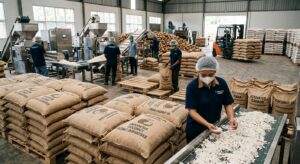
One of the most immediate and tangible benefits of the IEU CEPA for buyers is the reduction or complete elimination of import tariffs on a vast majority of goods. Historically, high tariffs have been a significant barrier to trade, inflating costs for buyers and ultimately for consumers. Under the IEU CEPA, over 90% of tariff lines are expected to be liberalized. This is particularly beneficial for buyers importing agricultural commodities and raw materials. For example, buyers interested in the edible oil sector can benefit greatly; as detailed in A Complete Guide to Importing Crude Palm Oil from Indonesia, the reduction of tariffs makes Indonesian palm oil highly competitive on the global stage, allowing buyers to secure better margins.
2. Simplified Customs and Trade Facilitation
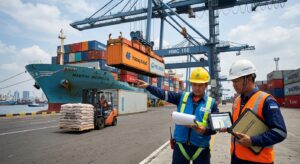
Time is money in international trade. Delays at customs can lead to stock shortages, increased warehousing costs, and disruptions in manufacturing processes. The IEU CEPA addresses these challenges by implementing streamlined customs procedures and enhancing transparency in trade regulations. The agreement mandates the use of electronic documentation, risk management techniques, and expedited release of goods. For buyers, this means more predictable lead times and a reduction in administrative overhead, allowing for leaner and more agile supply chain management.
3. Access to High-Quality Raw Materials and Manufactured Goods
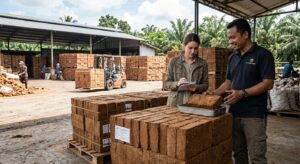
Indonesia is rich in natural resources and has a rapidly developing manufacturing sector. The IEU CEPA facilitates easier access to these resources. Whether a buyer is looking for textiles, electronics, or specialized combustible products, the agreement lowers the barrier to entry. For instance, European buyers sourcing premium charcoal products will find the process much smoother. Those looking into this niche should consult A Complete Guide to Shisha Charcoal Briquettes Wholesale in Jakarta to understand how enhanced market access under the CEPA can optimize their procurement strategy for high-demand recreational and industrial supplies.
4. Focus on Agricultural and Sustainable Products
The European market places a high premium on sustainability and eco-friendly products. The IEU CEPA includes dedicated chapters on trade and sustainable development, ensuring that increased trade does not come at the expense of the environment. This is a massive boon for buyers who must adhere to strict environmental, social, and governance (ESG) criteria. Sourcing sustainable agricultural derivatives becomes much more viable. A prime example is the sourcing of coconut-based agricultural substrates. Buyers can read Private Label Cocopeat Manufacturer Sumatra: A Comprehensive Guide to see how Indonesian suppliers are meeting international sustainability standards, a process further encouraged and protected by the IEU CEPA framework.
Strategic Advantages for Sourcing from Indonesia
With the IEU CEPA in place, Indonesia transitions from being just another sourcing destination to a highly strategic partner for European buyers. The agreement effectively de-risks the procurement process. Buyers can now engage in long-term contracts with Indonesian suppliers with greater confidence, knowing that the regulatory environment is stable and aligned with international standards. To fully leverage these advantages, working with reliable export partners who understand both the local landscape and international compliance requirements is essential for smooth cross-border transactions.
Regulatory Alignment and Non-Tariff Barriers
While tariffs are a visible barrier to trade, non-tariff barriers (NTBs) such as complex licensing requirements, quota systems, and unaligned technical standards can be equally prohibitive. The IEU CEPA places a strong emphasis on reducing these NTBs. The agreement promotes the harmonization of sanitary and phytosanitary (SPS) measures and technical barriers to trade (TBT). For buyers, this means that products manufactured or grown in Indonesia will increasingly meet EU standards right at the source, eliminating the need for costly secondary testing or modifications upon arrival in Europe.
Economic Impact on the Global Supply Chain
The implementation of the IEU CEPA is expected to have a ripple effect across global supply chains. By establishing a frictionless trade corridor between the EU and Indonesia, buyers can diversify their sourcing networks, thereby reducing reliance on single markets and mitigating geopolitical risks. This diversification is crucial in an era where supply chain resilience is paramount.
| Benefit Category | Impact on Buyers | Long-Term Strategic Value |
|---|---|---|
| Tariff Elimination | Direct cost reduction on landed goods | Higher profit margins and competitive pricing |
| Customs Facilitation | Faster clearance and reduced port storage fees | Improved inventory turnover and cash flow |
| Regulatory Alignment | Fewer compliance hurdles and rejected shipments | Reliable quality assurance and brand protection |
| Sustainable Trade | Access to certified green products | Meeting ESG goals and satisfying consumer demand |
Conclusion
The IEU CEPA represents a transformative development for international trade, offering a multitude of benefits tailored to the needs of modern buyers. By slashing tariffs, streamlining customs, and fostering regulatory alignment, the agreement significantly lowers the cost and complexity of sourcing from Indonesia. Furthermore, its commitment to sustainable development ensures that buyers can source high-quality, eco-friendly products that meet the stringent demands of the European market. As global supply chains continue to evolve, buyers who actively leverage the provisions of the IEU CEPA will undoubtedly secure a formidable competitive advantage in their respective industries.
Frequently Asked Questions (FAQ)
What is the main objective of the IEU CEPA?
The primary objective of the Indonesia-European Union Comprehensive Economic Partnership Agreement (IEU CEPA) is to facilitate free trade and investment between the two regions by eliminating tariffs, reducing non-tariff barriers, and aligning regulatory standards.
How does the IEU CEPA benefit buyers of agricultural products?
Buyers of agricultural products benefit from significantly reduced import duties, streamlined sanitary and phytosanitary (SPS) compliance, and a strong framework supporting sustainably sourced goods, which lowers overall costs and ensures product quality.
Will the IEU CEPA help reduce customs delays?
Yes, the agreement includes specific provisions for trade facilitation, which mandate simplified customs procedures, the use of electronic documentation, and faster clearance times, thereby reducing delays at the border.
Does the agreement address environmental and sustainability concerns?
Absolutely. The IEU CEPA includes a dedicated chapter on Trade and Sustainable Development (TSD), which commits both parties to uphold environmental protections, labor rights, and the sustainable management of resources, making it easier for buyers to source ESG-compliant materials.