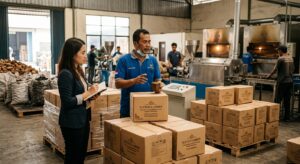



Introduction to Sourcing Crude Palm Oil from Indonesia
Sourcing crude palm oil (CPO) from Indonesia represents a massive opportunity for global buyers in the food, cosmetic, and biofuel industries. As the world’s largest producer of palm oil, Indonesia offers unparalleled volume, competitive pricing, and established export infrastructure. However, successfully navigating the complexities of international trade, sustainability regulations, and quality control requires a deep understanding of the local market and export procedures.
This comprehensive guide will walk you through the essential aspects of sourcing CPO from the archipelago, ensuring that your procurement strategy is efficient, compliant, and sustainable.
The Indonesian Palm Oil Industry: An Overview
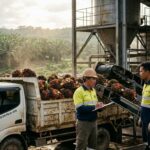
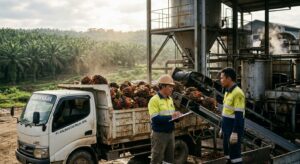
The palm oil sector is a cornerstone of the Indonesian economy. Cultivated primarily on the islands of Sumatra and Kalimantan, oil palms yield significantly more oil per hectare than any other vegetable oil crop. This efficiency is what makes Indonesian CPO highly sought after globally.
Key Production Regions
- Sumatra: The historical heartland of palm oil production in Indonesia, boasting mature plantations and well-developed infrastructure.
- Kalimantan: A rapidly expanding region for palm oil cultivation, offering vast tracts of land and newer processing facilities.
- Sulawesi and Papua: Emerging regions contributing to the country’s overall output.
When dealing with agricultural exports from Indonesia, buyers often explore other commodities as well. For instance, Bulk Organic Cocopeat Exporter Sumatra: The Ultimate Sourcing Guide highlights the diverse agricultural outputs available from the Sumatran region.
Navigating Quality Standards and Certifications
Quality assurance is paramount when importing CPO. Buyers must ensure that the product meets stringent international standards regarding Free Fatty Acids (FFA), moisture content, and impurities.
The Importance of Quality Analysis
Before any shipment leaves Indonesian shores, it must undergo rigorous testing. The results of these tests are documented in a crucial document. For detailed insights into this process, read Understanding the Certificate of Analysis for Palm Oil Export: A Complete Guide.
Sustainability Certifications
In today’s environmentally conscious market, sustainability is non-negotiable. Buyers should prioritize suppliers who adhere to recognized sustainability frameworks:
- RSPO (Roundtable on Sustainable Palm Oil): The global standard for sustainable palm oil production.
- ISPO (Indonesian Sustainable Palm Oil): The mandatory national sustainability standard in Indonesia.
The Export Process and Logistics
Exporting bulk commodities from Indonesia involves multiple steps, from securing export permits to organizing shipping logistics. Partnering with a reliable exporter is essential. A trusted commodity export partner can streamline the customs clearance process and ensure timely delivery.
Shipping Modalities
CPO is typically shipped in bulk using specialized vessels. The choice of shipping method depends on the volume purchased and the destination port.
| Shipping Method | Typical Volume | Best For |
|---|---|---|
| Flexitanks | 20-24 Metric Tons | Small to medium buyers, trial shipments |
| ISO Tanks | Up to 26 Metric Tons | High-quality CPO requiring strict temperature control |
| Bulk Vessels | 1,000+ Metric Tons | Large industrial buyers and refineries |
Understanding logistics is crucial not just for CPO, but for all bulk commodities. If you are interested in other agricultural byproducts, you might find Bulk Supply of Cocopeat Pith from Indonesia: A Complete Guide highly informative.
Finding Reliable Suppliers
Identifying and vetting potential CPO suppliers is a critical step. Buyers should conduct thorough due diligence, verifying company registration, export licenses, and financial stability. Visiting the plantations and mills, or hiring independent third-party inspectors, can mitigate risks associated with quality and delivery.
Conclusion
Sourcing crude palm oil from Indonesia offers immense benefits, provided buyers navigate the market with due diligence and an understanding of local regulations. By prioritizing quality certifications, partnering with reputable exporters, and committing to sustainable procurement practices, businesses can secure a reliable supply of CPO while contributing to the responsible growth of the Indonesian palm oil industry.
Frequently Asked Questions (FAQ)
What is the minimum order quantity (MOQ) for importing CPO from Indonesia?
The MOQ varies by supplier but typically starts at one 20ft container (using a flexitank), which holds approximately 20 to 22 metric tons.
How are CPO prices determined?
CPO prices are highly dynamic and are primarily benchmarked against the Bursa Malaysia Derivatives (BMD) exchange, with adjustments made for local Indonesian export levies and taxes.
What are the main risks when sourcing CPO?
Primary risks include price volatility, quality inconsistencies (such as high FFA levels), and logistical delays. Working with verified suppliers and utilizing independent quality inspections mitigates these risks.