

Introduction to Indonesia Customs and Trade Regulations
International trade is a complex ecosystem, and successfully navigating it requires a deep understanding of local customs regulations. For businesses looking to import or export goods to and from Indonesia, mastering the Indonesia Customs Tariff Finder and understanding Harmonized System (HS) codes is absolutely critical. Indonesia, as the largest economy in Southeast Asia, offers immense opportunities for global traders. However, its customs procedures, tariff structures, and import/export restrictions are notoriously intricate. This comprehensive guide will walk you through the essentials of using the Indonesia Customs Tariff Finder, classifying your goods correctly with HS codes, and optimizing your supply chain operations.
What is an HS Code?
The Harmonized Commodity Description and Coding System, commonly known as the HS Code, is an internationally standardized system of names and numbers used to classify traded products. Developed and maintained by the World Customs Organization (WCO), it is utilized by over 200 countries, including Indonesia, as the basis for their customs tariffs and for the collection of international trade statistics.
An HS code typically consists of six digits universally, but countries often add extra digits to further classify products according to their national tariffs. In Indonesia, the HS code is extended to eight digits under the ASEAN Harmonized Tariff Nomenclature (AHTN). These specific codes determine the rate of import duty, value-added tax (VAT), income tax, and whether any specific import licenses or quotas apply to your product.
How to Use the Indonesia Customs Tariff Finder
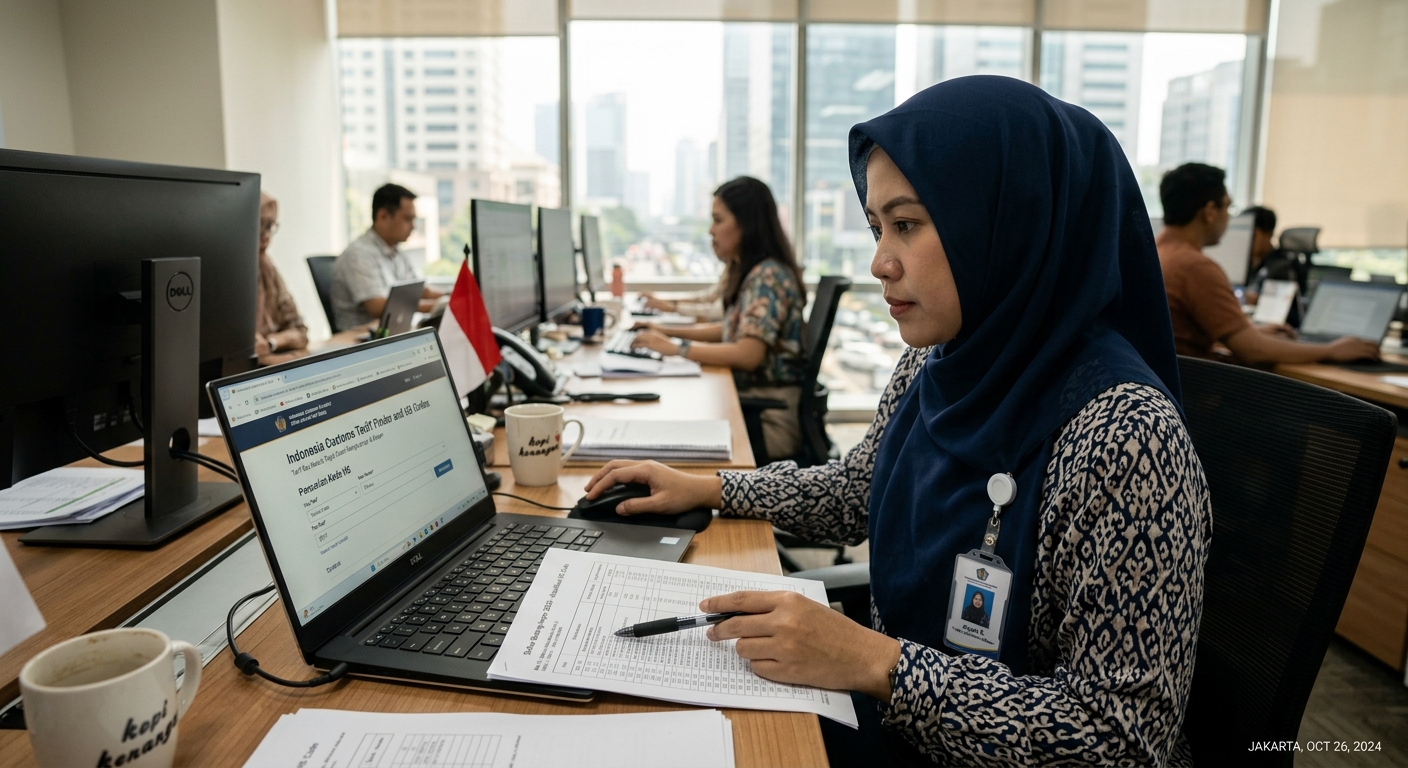
The Indonesia Customs Tariff Finder, accessible primarily through the Indonesia National Single Window (INSW) portal, is an indispensable tool for traders. It allows users to search for specific HS codes and immediately see the applicable tariffs, taxes, and non-tariff measures (such as permits or prohibitions) associated with a commodity.
Step-by-Step Process for Tariff Classification
- Identify the Product: Know the exact specifications, materials, and intended use of your product.
- Access the INSW Portal: Navigate to the official Indonesia National Single Window website to access the Indonesian Customs Tariff Book (BTKI).
- Search by Keyword or Code: If you know the first few digits of your international HS code, enter them. Otherwise, use specific keywords related to your product.
- Analyze the Results: The system will display the 8-digit Indonesian HS code along with details on Import Duty (Bea Masuk), Value Added Tax (PPN), and Income Tax (PPh).
- Check for Lartas: Look for any ‘Lartas’ (Prohibitions and Restrictions) indicators that specify if additional permits from ministries are required.
The Financial Implications of Accurate HS Code Classification
Using the incorrect HS code can lead to severe consequences, including shipment delays, customs penalties, confiscation of goods, and unexpected financial burdens. Conversely, accurate classification ensures compliance and can often save money by identifying applicable free trade agreements (FTAs) that lower duty rates.
| Financial Aspect | Impact of Incorrect HS Code | Benefit of Correct HS Code |
|---|---|---|
| Import Duties | Potential overpayment or underpayment leading to hefty fines. | Accurate duty calculation and qualification for FTA reduced rates. |
| Taxes (VAT & Income Tax) | Miscalculation affecting the final retail price and profit margins. | Predictable landed cost calculation and tax compliance. |
| Demurrage & Storage | Goods held up in customs incur massive daily port storage fees. | Smooth and fast customs clearance, minimizing logistics costs. |
Sector-Specific Trade and HS Code Utilization
Different commodities face vastly different regulatory environments in Indonesia. Understanding the specific HS codes and regulations for your niche is paramount for a successful trading business.
Agricultural By-Products
Indonesia is a massive exporter of agricultural products. Proper classification determines export taxes and phytosanitary requirements. If you are venturing into this sector, ensuring your HS codes align with environmental standards is necessary. For a deeper dive into one of Indonesia’s prime agricultural exports, you can read the Bulk Supply of Cocopeat Pith from Indonesia: A Complete Guide, which outlines the specific compliance and classification needs for natural fibers.
Vegetable Oils and Commodities
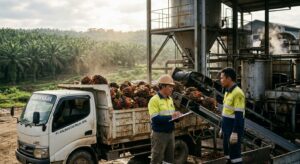
The export of crude palm oil (CPO) and its derivatives forms the backbone of Indonesia’s export economy. The government frequently adjusts export levies and duties based on global price indices. Misclassifying these products can result in massive financial losses. To understand the intricacies of this highly regulated market, consult the Comprehensive Guide to Sourcing Crude Palm Oil from Indonesia to ensure you are fully prepared for the customs journey.
Logistics, Shipping, and Customs Clearance
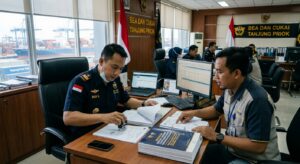
Once you have identified the correct HS code and calculated your tariffs, the physical movement of goods comes into play. Customs clearance in Indonesian ports, particularly Tanjung Priok in Jakarta, requires meticulous documentation. Your commercial invoice, packing list, bill of lading, and certificate of origin must perfectly match the HS code declared in your PIB (Pemberitahuan Impor Barang – Import Declaration).
Discrepancies between physical cargo and customs declarations lead to immediate red-lining (physical inspection). To master the logistical flow and avoid costly delays at the port, it is highly recommended to study A Complete Guide to Sea Freight Container Shipping in Jakarta. Understanding the synergy between freight forwarding and customs clearance will optimize your supply chain efficiency.
Leveraging Trade Agreements for Tariff Reductions
One of the most significant benefits of accurately identifying your HS code through the Indonesia Customs Tariff Finder is the ability to leverage International Trade Agreements. Indonesia is a member of ASEAN and has bilateral and multilateral Free Trade Agreements (FTAs) with countries like Japan, Australia, China, and South Korea. Under these agreements, specific HS codes are eligible for reduced or zero-percent import duties, provided the importer can present a valid Certificate of Origin.
Traders looking toward Western markets must also stay abreast of evolving treaties. Navigating European markets requires knowledge of bilateral treaties and sustainability standards. Reviewing the Comprehensive Guide to the EU-Indonesia Trade Agreement and Export Opportunities will help you leverage preferential tariffs and prepare for stringent EU customs regulations.
Common Pitfalls in Indonesian Customs Declarations
Even experienced traders can stumble when dealing with Indonesian customs. Here are the most common mistakes to avoid:
- Guessing the HS Code: Never assume an HS code used in the US or Europe directly translates to the 8-digit Indonesian code without verification via the INSW portal.
- Ignoring Lartas Regulations: Many goods require post-border or border inspections by BPOM (National Agency of Drug and Food Control), the Ministry of Trade, or the Ministry of Agriculture. Failing to secure these permits prior to shipping guarantees clearance failure.
- Undervaluation: Attempting to declare a lower commercial value to save on tariffs is a dangerous game. Indonesian customs utilizes a robust database to compare declared values against global market prices, and discrepancies will trigger audits and fines.
- Inconsistent Documentation: Ensure that the HS code listed on the Certificate of Origin exactly matches the HS code on the commercial invoice and customs declaration.
Conclusion
Mastering the Indonesia Customs Tariff Finder and correctly assigning HS codes is not merely a bureaucratic checkbox; it is a foundational pillar of successful international trade in Southeast Asia. Accurate classification ensures legal compliance, optimizes tax and duty expenditures, and prevents catastrophic logistical bottlenecks at Indonesian ports. By leveraging official portals like the INSW, staying informed about sector-specific regulations, and understanding the nuances of free trade agreements, businesses can navigate the complexities of Indonesian customs with confidence and profitability. Always invest the time to research your specific commodities and consult with certified customs brokers when in doubt.
Frequently Asked Questions (FAQ)
What happens if I use the wrong HS code when importing to Indonesia?
Using the wrong HS code can result in the rejection of your import declaration, severe administrative fines ranging from 100% to 1000% of the underpaid duty, extended storage fees at the port, and potential blacklisting of your importing entity by the Directorate General of Customs and Excise.
Is the HS code in Indonesia exactly the same as in my home country?
The first six digits of the HS code are harmonized globally and will be the same as in your home country. However, Indonesia uses an 8-digit system (based on the ASEAN Harmonized Tariff Nomenclature) to further specify the product. You must use the 8-digit Indonesian code for local customs clearance.
How can I find out if my product needs a special import license?
You can check the Lartas (Prohibitions and Restrictions) status of your goods by entering the 8-digit Indonesian HS code into the INSW (Indonesia National Single Window) portal. The system will explicitly list if permits from specific ministries, such as the Ministry of Trade or BPOM, are required.
Can I claim preferential tariff rates after the goods have cleared customs?
Generally, no. To claim a preferential tariff rate under a Free Trade Agreement, you must declare it at the time of importation and provide the original Certificate of Origin (Form D, Form E, etc.) before the Customs Declaration (PIB) is finalized.
Where can I access the most updated Indonesia Customs Tariff Book (BTKI)?
The most current and official version of the BTKI can be accessed online through the official Indonesia National Single Window (INSW) website or the official website of the Indonesian Directorate General of Customs and Excise (Bea Cukai).