

Introduction to BBQ Coconut Charcoal
The global demand for high-quality, sustainable grilling solutions has skyrocketed in recent years. At the forefront of this culinary revolution is coconut shell charcoal. For businesses in the hospitality, retail, and distribution sectors, sourcing bbq coconut charcoal bulk wholesale has become a strategic priority. Unlike traditional lump wood charcoal or chemical-laden briquettes, coconut charcoal offers a superior grilling experience characterized by high heat, prolonged burn times, and minimal environmental impact.
As consumers become more environmentally conscious and pitmasters demand better performance, coconut charcoal briquettes have emerged as the gold standard. Derived from the natural byproduct of the copra industry, these briquettes upcycle what would otherwise be agricultural waste into a premium energy source. This comprehensive guide will explore the benefits, manufacturing processes, sourcing strategies, and shipping logistics necessary for successfully importing bulk coconut charcoal for BBQ applications.
The Unmatched Benefits of Coconut Charcoal for Grilling
Understanding why coconut charcoal commands a premium in the market is essential for any wholesale buyer. The unique properties of the coconut shell make it an ideal raw material for carbonization.
Extended Burn Time and High Heat
One of the most significant advantages of coconut charcoal is its density. High-quality coconut briquettes can burn up to three times longer than traditional hardwood charcoal. This extended burn time means end-users require less product per grilling session, offering excellent value despite a potentially higher initial retail price. Furthermore, coconut charcoal burns at a consistently high temperature, which is perfect for searing meats and locking in flavors.
Low Ash Production and Smokeless Burn
Professional chefs and backyard enthusiasts alike appreciate a clean grilling environment. Coconut charcoal boasts a remarkably low ash content, typically ranging between 2% and 5%. This low ash production prevents the choking of airflow in kamado-style grills and makes post-BBQ cleanup virtually effortless. Additionally, pure coconut charcoal produces zero smoke and sparks during combustion, ensuring that the food is flavored by the marinades and the meat’s natural juices, rather than acrid wood smoke.
Eco-Friendly and Sustainable
Sustainability is a powerful marketing tool in today’s retail landscape. Coconut charcoal is 100% sustainable because it is made from the discarded shells of harvested coconuts. No trees are felled to produce this charcoal, making it a zero-deforestation product. For distributors, advertising this eco-friendly aspect can significantly boost sales and brand loyalty among environmentally aware demographics.
The Manufacturing Process of Coconut Briquettes
To confidently purchase bbq coconut charcoal bulk wholesale, buyers must understand how the product is made. The manufacturing process directly dictates the quality of the final briquette.
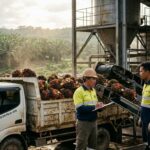
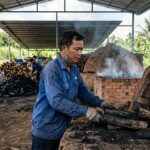
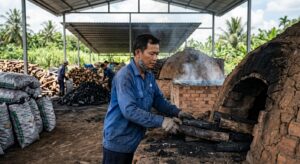
The process begins with the collection of mature coconut shells, which are then cleaned and dried. These shells undergo a carbonization process in specialized kilns, where they are heated in the absence of oxygen. This step transforms the organic matter into high-carbon charcoal. The carbonized shells are then crushed into a fine powder and mixed with a natural, food-grade binder—usually tapioca starch—to hold the shape.
Once mixed, the charcoal paste is extruded or pressed into various shapes, such as cubes, hexagonal logs, or pillow shapes, depending on the buyer’s specifications. The final, and arguably most critical step, is drying. The briquettes are placed in massive industrial ovens to reduce their moisture content to below 5%. Proper drying prevents the briquettes from cracking during use and ensures they ignite smoothly.
Sourcing Strategy: Finding the Right Origin and Platform
Indonesia is globally recognized as the leading producer and exporter of premium coconut charcoal. The archipelago’s vast coconut plantations and established carbonization infrastructure make it the premier destination for wholesale buyers. However, sourcing raw materials and finished goods from overseas requires diligence. For buyers looking to understand the broader landscape of procurement in this region, reading A Complete Guide to Sourcing Raw Materials from Indonesia B2B provides foundational knowledge on navigating local markets and securing a stable supply chain.
When entering the wholesale market, dealing directly with manufacturers or verified trading companies is paramount. The B2B ecosystem can be complex, and finding a trustworthy partner ensures that your quality specifications are met consistently. To streamline this process and mitigate risks associated with international trade, utilizing vetted platforms is highly recommended. You can learn more about this by exploring The Ultimate Guide to Choosing a Reliable Indonesian Export Import Platform, which details how to vet suppliers, verify certifications, and establish secure payment gateways.
Logistics and Shipping for Bulk Charcoal
Importing coconut charcoal in bulk involves navigating complex international shipping protocols. Charcoal is often classified as a potentially hazardous material (spontaneously combustible) under the IMDG (International Maritime Dangerous Goods) code, though appropriately manufactured and tested coconut briquettes can be exempted if they pass the Self-Heating Test (SHT).
Understanding Shipping Incoterms
When negotiating contracts with suppliers, buyers must agree on Incoterms that define who is responsible for the goods during transit. The most common terms in B2B commodity trading are Free On Board (FOB) and Cost, Insurance, and Freight (CIF). Deciding which term best suits your business model can significantly impact your bottom line and risk exposure. To make an informed decision on your shipping contracts, it is crucial to study FOB vs CIF Shipping from Indonesia: A Comprehensive Guide for Importers.
Managing Sea Freight from Major Ports
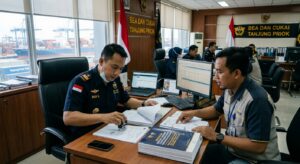
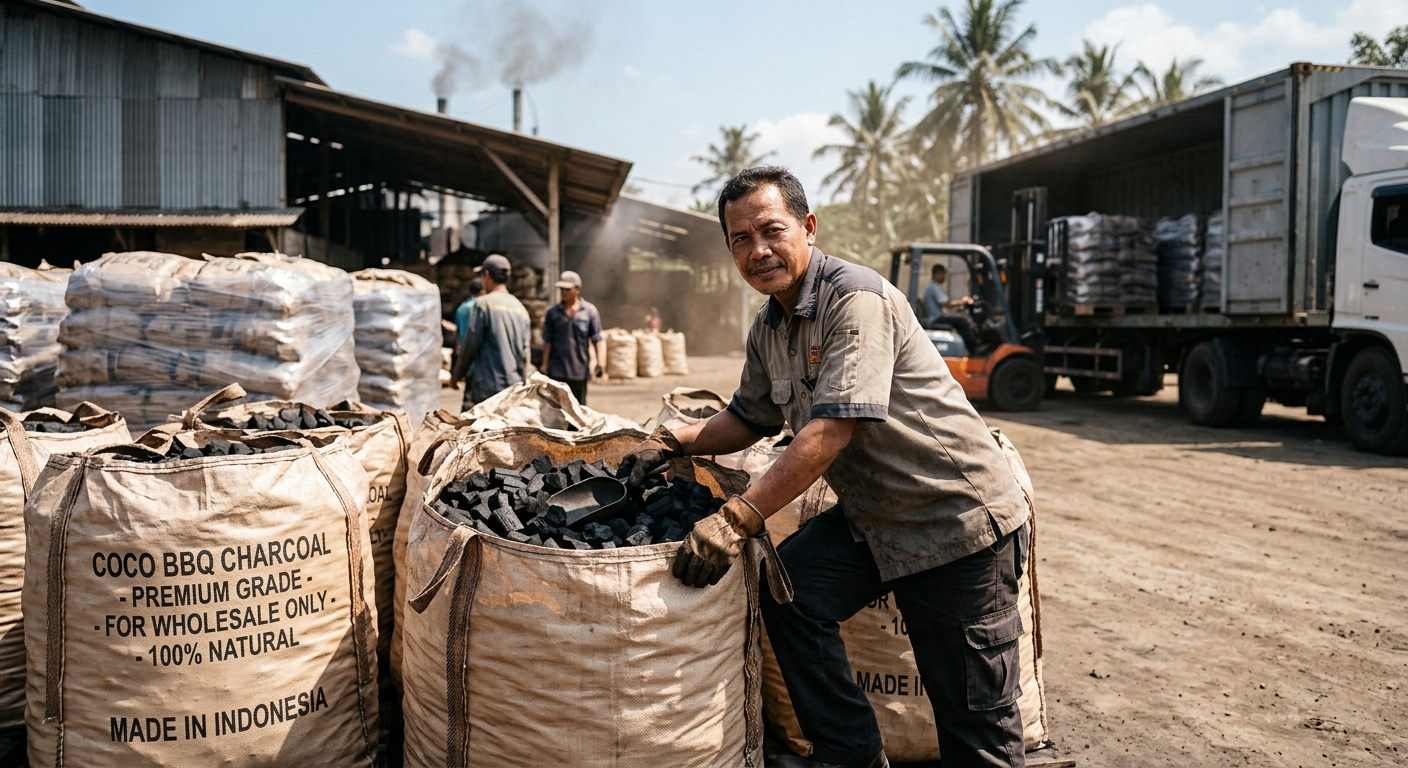
Because bulk charcoal is heavy and voluminous, sea freight is the only economically viable transport method. A standard 20-foot container can hold approximately 18 to 20 metric tons of coconut briquettes, depending on the packaging. Most Indonesian charcoal exports depart from major ports like Tanjung Priok. Coordinating logistics from these busy maritime hubs requires precision and a good understanding of port operations. For a deep dive into container logistics, reviewing A Complete Guide to Sea Freight Container Shipping in Jakarta will provide the necessary operational clarity to avoid demurrage and delays.
Quality Control and Purchasing Specifications
When buying bbq coconut charcoal bulk wholesale, establishing strict quality parameters with your supplier is non-negotiable. Request a Certificate of Analysis (COA) from an independent laboratory before finalizing large orders. Key specifications to monitor include:
- Fixed Carbon: Should be above 75% for BBQ purposes (higher carbon means higher heat).
- Moisture Content: Must be below 5% to ensure quick lighting and prevent crumbling.
- Ash Content: Ideally between 2% and 5%. Look for white or light grey ash, which indicates pure coconut shell without wood fillers.
- Volatile Matter: Should be kept low (around 10-15%) to prevent smoking and sparking.
Comparison: Coconut Charcoal vs. Traditional Charcoal
| Feature | Coconut Shell Briquettes | Traditional Hardwood Lump |
|---|---|---|
| Burn Time | Very Long (3-5 hours) | Moderate (1-2 hours) |
| Heat Output | Extremely High and Consistent | High but Variable |
| Ash Production | Low (2-5%) | High (10-15%+) |
| Smoke and Sparks | None | Moderate to High |
| Sustainability | 100% Sustainable (Repurposed waste) | Contributes to Deforestation |
Packaging and Private Labeling Options
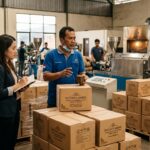
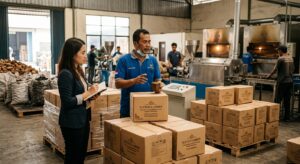
Another major advantage of buying wholesale directly from manufacturers is the ability to customize packaging. Most reputable suppliers offer Original Equipment Manufacturer (OEM) or private label services. You can have the charcoal packaged in inner plastic liners to prevent moisture absorption, and then placed in full-color, branded master cartons ranging from 1kg to 20kg. Investing in robust and visually appealing packaging is crucial, as the briquettes can be subjected to rough handling during the long sea voyage. Ensure your supplier uses heavy-duty, corrugated cardboard to maintain the structural integrity of the boxes upon arrival at your warehouse.
Conclusion
Sourcing bbq coconut charcoal bulk wholesale presents a lucrative opportunity for distributors and retailers looking to capitalize on the growing demand for premium, sustainable grilling products. By understanding the distinct advantages of coconut charcoal—such as its high heat, low ash, and eco-friendly nature—buyers can confidently market this product to discerning consumers. Success in this venture requires careful attention to the manufacturing process, rigorous quality control, and strategic partnerships with reliable suppliers in top-producing regions like Indonesia. Furthermore, mastering the intricacies of international shipping, from choosing the right Incoterms to navigating port logistics, will ensure a smooth and profitable supply chain. With the right knowledge and resources, your business can become a leading provider of top-tier BBQ charcoal in your local market.
Frequently Asked Questions (FAQ)
What is the minimum order quantity (MOQ) for wholesale coconut charcoal?
Most international manufacturers require a minimum order quantity of one 20-foot shipping container. This equates to roughly 18 to 20 metric tons of product. Ordering by the container load is necessary to make sea freight economically viable and to secure the best wholesale pricing.
How do I verify the quality of coconut charcoal before buying in bulk?
Before placing a bulk order, you should request product samples to test the burn time, heat output, and ash color yourself. Additionally, always ask the supplier for an independent Certificate of Analysis (COA) from a recognized testing entity, such as SGS or Intertek, to verify the fixed carbon, moisture, and ash percentages.
Are there any specific storage requirements for bulk coconut charcoal?
Yes. Because charcoal is highly porous, it easily absorbs moisture from the air, which can negatively impact its lighting ability and burn time. Bulk shipments should be stored in a dry, well-ventilated warehouse, kept off the ground on pallets, and away from any direct sources of heat or volatile chemicals.
Why is Indonesian coconut charcoal considered the best in the world?
Indonesia benefits from an ideal tropical climate and rich soil, which produces coconuts with uniquely dense shells. This high density translates directly into high-carbon charcoal that burns hotter and longer than alternatives. Additionally, the country has decades of established expertise and specialized infrastructure dedicated specifically to charcoal carbonization and briquette manufacturing.