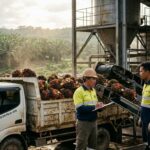



American companies are constantly seeking ways to diversify their supply chains to remain competitive in a global market. Finding reliable production partners is essential for long-term growth and stability. Utilizing a specialized indonesian manufacturers directory can provide the necessary bridge between your business and high-quality local production hubs.
By leveraging these digital resources, US importers can streamline their procurement processes significantly. Platforms like Etoobai offer a comprehensive list of verified partners, while services like ExportNusa provide a curated approach to sourcing export-ready goods. This indonesia manufacturing directory helps you identify trustworthy suppliers across the archipelago with ease.
Accessing these tools allows you to manage everything from initial quotations to final shipping logistics. Embracing these connections ensures that your firm stays ahead of industry trends while maintaining consistent quality standards. Start exploring these vast opportunities today to build a more resilient and efficient supply network.
Key Takeaways
- Diversifying your supply chain is vital for maintaining a competitive edge in the United States.
- Digital databases simplify the process of finding verified production partners in Southeast Asia.
- Platforms like ExportNusa offer end-to-end support for international procurement and logistics.
- Using a structured database reduces the risks associated with sourcing from new overseas markets.
- Streamlined communication with local suppliers leads to better product quality and faster delivery times.
The Strategic Advantage of Sourcing from Indonesia
For US businesses looking to diversify their supply chains, Indonesia presents a compelling and stable landscape. The nation has rapidly evolved into a critical hub for international trade, offering a blend of competitive labor costs and a growing industrial infrastructure. Companies that take the time to find indonesian manufacturers often discover a partner capable of meeting high-volume production demands with impressive precision.
Economic Stability and Manufacturing Growth
Indonesia has maintained a consistent trajectory of economic growth, making it a reliable destination for long-term investment. The government has prioritized infrastructure development, which directly supports the expansion of manufacturing zones across the archipelago. Islands such as Java, Bali, and Sumatra serve as the primary engines for this industrial progress.
“The resilience of the Indonesian economy provides a solid foundation for global brands to scale their operations with confidence.”
By focusing on these key regions, businesses can easily find indonesian manufacturers that are integrated into the global supply chain. This stability ensures that production schedules remain predictable, even during periods of global market volatility.
Key Industries Driving Indonesian Exports
The manufacturing sector in Indonesia is diverse, catering to a wide range of global needs. Major international brands, including H&M, Calvin Klein, and Uniqlo, have already established significant production footprints within the country. These companies rely on local expertise to produce high-quality textiles, footwear, and home goods.
When you find indonesian manufacturers through reliable channels, you gain access to a workforce skilled in both traditional craftsmanship and modern automated production. This dual capability allows for a high degree of flexibility in product design and material sourcing.
Why US Businesses are Shifting Supply Chains to Southeast Asia
Many American firms are currently re-evaluating their reliance on single-source markets. Shifting operations to Southeast Asia provides a strategic buffer against geopolitical risks and logistical bottlenecks. Indonesia stands out as a top choice due to its favorable trade policies and commitment to international quality standards.
- Enhanced supply chain resilience through regional diversification.
- Access to a large, skilled, and cost-effective labor force.
- Strategic proximity to major shipping lanes for efficient US-bound logistics.
As companies continue to find indonesian manufacturers, the collaborative potential between US buyers and local producers continues to grow. This shift is not merely about cost reduction; it is about building a sustainable and agile production network for the future.
Navigating the Indonesian Manufacturers Directory
Successfully sourcing products from Southeast Asia requires a systematic approach to digital research. By utilizing a comprehensive indonesian manufacturers directory, US businesses can bridge the gap between local production capabilities and international market demands. This process transforms a daunting search into a streamlined procurement strategy.
Understanding the Structure of Industrial Databases
Most professional platforms, such as Etoobai, serve as a vital bridge to connect international clients with manufacturers of all sizes throughout the archipelago. These databases are typically organized by sector, region, and production capacity to help you find a high-quality list of indonesian manufacturers. Understanding this structure allows you to navigate the landscape with precision rather than guesswork.
“The key to successful international procurement lies in the ability to filter through noise and identify partners that align with your specific quality standards and operational values.”
When you explore an indonesia industrial directory, you will notice that entries are often categorized by their primary export goods. This hierarchical organization ensures that you spend less time searching and more time evaluating potential partners. You can easily access these resources through platforms like ExportNusa to refine your search criteria.
How to Filter Suppliers by Product Category and Certification
Effective filtering is the cornerstone of a successful sourcing strategy. Most modern platforms allow you to narrow down your results based on specific certifications, such as ISO standards or environmental compliance badges. By applying these filters, you ensure that the companies you contact meet the rigorous requirements of the US market.
- Product Category: Narrow your search to specific niches like textiles, furniture, or electronics.
- Certification Status: Prioritize suppliers with verified international quality management certifications.
- Production Scale: Filter by minimum order quantities (MOQ) to match your business size.
Verifying Supplier Credentials and Business Licenses
Due diligence is non-negotiable when you are vetting a new partner. Before finalizing any agreements, you must confirm that the company holds valid business licenses and export permits. Using a reliable indonesia manufacturing directory provides the necessary transparency to verify these legal documents.
Always cross-reference the information provided in the directory with official government records. Verifying credentials protects your business from common procurement pitfalls and ensures that your supply chain remains compliant with international trade laws. Taking these extra steps builds a foundation of trust that is essential for long-term success.
Key Sectors for US Importers in Indonesia
US importers are increasingly turning to the unique craftsmanship found within the Indonesian manufacturing sector. By partnering with reliable indonesian products suppliers, businesses can access a diverse range of high-quality goods that meet the rigorous standards of the American market. This region offers a distinct competitive edge through a blend of traditional artistry and modern industrial efficiency.
Textiles and Apparel Manufacturing Capabilities
The textile industry in Indonesia is a cornerstone of the nation’s export economy. Factories here specialize in everything from high-volume garment production to intricate, hand-woven fabrics that appeal to niche fashion markets in the United States.
Many facilities have invested heavily in modern machinery to ensure consistent quality and scalability. This allows US brands to maintain steady inventory levels while benefiting from the competitive labor costs found in the region.
Furniture and Home Decor Craftsmanship
Indonesia is world-renowned for its exceptional woodworking and home decor production. Artisans excel at creating durable teak wood outdoor furniture that is specifically treated to withstand various climates.
Beyond wood, the country is a leading source for unique home accents, such as delicate capiz shell mirrors and sustainable coconut-based products. When you work with professional indonesian products suppliers, you gain access to items that provide a high-end, artisanal aesthetic for your retail catalog.
Footwear and Leather Goods Production
The leather goods sector in Indonesia combines traditional tanning techniques with modern design trends. This industry produces high-quality footwear, bags, and accessories that compete effectively on the global stage.
Quality control remains a top priority for manufacturers in this sector. By focusing on precision and material durability, these factories ensure that their finished goods meet the expectations of discerning American consumers who value both style and longevity.
Evaluating Top Indonesian Manufacturing Companies
Evaluating top indonesian manufacturers is a critical step for any US business looking to secure a reliable supply chain. By conducting a thorough assessment, you can mitigate risks and ensure that your chosen partners align with your specific business goals. Utilizing a comprehensive list of indonesian manufacturers allows you to compare capabilities before committing to a contract.
Assessing Production Capacity and Scalability
Understanding the production limits of a factory is essential for maintaining consistent inventory levels. Companies like Sabila Craft, Laka, and MAHARANI offer specialized components that cater to diverse market needs. These firms often set specific Minimum Order Quantity (MOQ) requirements, which you must evaluate against your projected sales volume.
“Quality is never an accident; it is always the result of high intention, sincere effort, intelligent direction and skillful execution.”
Scalability remains a vital factor when your business experiences rapid growth. You should verify if your partner can increase output without compromising the integrity of the final product. Flexibility in production is a hallmark of a high-performing supplier.
Quality Control Standards and International Compliance
Maintaining high quality is non-negotiable for US importers who prioritize brand reputation. Top-tier indonesian manufacturing companies typically adhere to rigorous international standards to satisfy global clients. You must confirm that your partners hold the necessary certifications to meet US safety and quality regulations.
- Regular third-party audits to ensure compliance.
- Strict adherence to material sourcing standards.
- Consistent documentation of production processes.
Building a long-term partnership relies on transparency regarding these quality protocols. When a manufacturer demonstrates a commitment to excellence, it significantly reduces the likelihood of supply chain disruptions. Consistent communication regarding quality benchmarks will keep your operations running smoothly.
Logistics and Export Infrastructure Readiness
A manufacturer’s ability to produce goods is only half the battle; they must also possess the infrastructure to export them efficiently. You should assess whether your partner has established relationships with reliable freight forwarders. This ensures that your products move from the factory floor to the port without unnecessary delays.
Proximity to major shipping hubs is a significant advantage for any supplier. A well-prepared manufacturer will provide clear timelines for production and transit, allowing you to manage your logistics strategy with confidence. Operational readiness is the foundation of a successful international procurement strategy.
Best Practices to Find Indonesian Manufacturers
Navigating the landscape to find indonesian manufacturers is a critical step for any US business looking to diversify its supply chain. By utilizing a mix of digital platforms and traditional networking, you can secure reliable partners that meet your specific production needs. Leveraging resources like find indonesian manufacturers allows you to streamline your search and connect with verified entities.

Utilizing Government-Backed Trade Portals
Government-supported platforms serve as the most reliable starting point for your search. These portals provide curated lists of indonesian products suppliers that have been vetted for export compliance and business legitimacy. For instance, Etoobai offers a comprehensive directory that simplifies the process of identifying wholesale and retail partners across various sectors.
Leveraging Industry-Specific Trade Associations
Industry associations act as gatekeepers to the most reputable manufacturing hubs in the country. By reaching out to these organizations, you gain access to exclusive member lists and market insights that are not always available to the general public. These groups often facilitate introductions, ensuring that you work with established indonesian products suppliers who maintain high quality standards.
Attending Virtual and Physical Trade Shows
Trade shows provide a unique opportunity to evaluate production capabilities firsthand. Whether you attend in person or participate in virtual exhibitions, these events allow you to build direct relationships with factory owners. Engaging in these environments is essential to verify the scale and technical expertise of potential partners before signing any contracts.
| Sourcing Method | Primary Benefit | Reliability Level |
|---|---|---|
| Government Portals | Verified Credentials | High |
| Trade Associations | Industry Networking | Very High |
| Trade Shows | Direct Interaction | High |
Communication and Cultural Etiquette in Business
Building a bridge between US businesses and indonesian manufacturing companies starts with effective communication and a genuine respect for local traditions. Success in this market is rarely just about the bottom line; it is deeply rooted in the quality of the professional bonds you cultivate over time.
Building Long-Term Relationships with Indonesian Partners
In Indonesia, business is often conducted through a lens of personal trust and mutual respect. It is common for partners to prioritize getting to know you before diving into heavy contract negotiations. Taking the time to visit facilities or engage in informal conversations can pay dividends in loyalty and reliability.
Consistency is the hallmark of a strong partnership. By utilizing resources like ExportNusa, you can identify reliable partners who value long-term collaboration. Always remember that patience is viewed as a virtue, and rushing the process can sometimes be perceived as a lack of commitment.
Effective Negotiation Strategies for US Buyers
When engaging with indonesian manufacturing companies, the goal should always be a “win-win” outcome that preserves the dignity of all parties involved. High-pressure tactics are generally discouraged, as they can damage the harmony of the business relationship. Instead, focus on collaborative problem-solving and clear, transparent expectations.
It is helpful to approach negotiations with a flexible mindset. Softening your stance on minor points can often lead to greater concessions on critical issues like quality control or production timelines. Always ensure that your agreements are documented clearly to avoid any future misunderstandings.
Overcoming Language and Time Zone Barriers
Managing operations across the Pacific requires proactive planning to bridge the gap between time zones. Many US buyers find that scheduling regular video calls during the early morning or late evening hours is essential for maintaining momentum. These touchpoints help clarify project requirements and resolve potential issues before they escalate.
Language barriers can be minimized by using simple, direct English and avoiding complex idioms. Providing written summaries after every meeting ensures that both sides are aligned on the next steps. By leveraging digital project management tools, you can keep your indonesian manufacturing companies on track regardless of the distance.
Legal and Regulatory Considerations for US Imports
Successfully navigating international trade requires a firm grasp of both Indonesian export laws and American import regulations. Establishing a compliant supply chain protects your business from unexpected legal hurdles and ensures that your operations remain efficient. By utilizing resources like exportnusa.com, you can gain the clarity needed to manage these complex requirements effectively.
Navigating Indonesian Export Regulations
The Indonesian government maintains specific protocols to ensure the quality and legality of exported goods. The Indonesian Trade Promotion Center (ITPC) plays a vital role in this process by providing detailed guidance on product-specific requirements. They issue essential lists for commodities such as cocoa, furniture, and various spices to help exporters meet international standards.
Exporters must often secure specific permits and certificates of origin to clear local customs. Staying updated on these mandates is crucial for maintaining a steady flow of goods. Working closely with local partners who understand these regional nuances will help you avoid common administrative pitfalls.
Understanding US Customs and Import Duties
Once your products leave Indonesia, they must satisfy the rigorous standards set by United States Customs and Border Protection. Proper documentation, including accurate commercial invoices and packing lists, is mandatory to prevent shipment seizures or costly delays. You should also be aware of the specific tariff classifications that apply to your goods to calculate import duties accurately.
Proactive planning allows you to anticipate potential inspections and ensure your paperwork is flawless. Compliance is not just a legal necessity; it is a strategic advantage that keeps your logistics chain moving smoothly. Always verify that your freight forwarder is experienced in handling the specific documentation required for your product category.
Protecting Intellectual Property Rights
Safeguarding your brand and proprietary designs is a top priority when manufacturing abroad. You should ensure that all contracts with Indonesian suppliers include clear clauses regarding intellectual property ownership and non-disclosure agreements. Registering your trademarks in both the United States and Indonesia provides an extra layer of legal security.
Maintaining open communication with your manufacturer about design rights helps prevent unauthorized use of your creative assets. Taking these steps early in the partnership builds trust and protects your long-term investment. The following table outlines the key areas of focus for maintaining regulatory compliance.
| Regulatory Area | Primary Responsibility | Key Objective |
|---|---|---|
| Export Licensing | Indonesian Supplier | Legal exit of goods |
| Customs Clearance | US Importer/Broker | Duty payment and entry |
| IP Protection | Legal Counsel | Brand security |
| Product Standards | Quality Control Team | Market compliance |
Logistics and Supply Chain Management
Efficient logistics management serves as the backbone for any successful import operation between Indonesia and the US. Navigating the complexities of international trade requires a deep understanding of how goods move from factory floors to final destinations. By partnering with the right experts, businesses can streamline their operations and ensure a steady flow of inventory.
Selecting Reliable Freight Forwarders in Indonesia
Choosing a competent freight forwarder is the most critical decision for your logistics strategy. A reliable partner acts as your eyes and ears on the ground, ensuring that cargo is handled correctly from the moment it leaves the warehouse. You should look for firms that have extensive experience with Indonesian export regulations and strong relationships with local carriers.
When vetting potential partners, prioritize those who offer transparent communication and real-time tracking capabilities. You can utilize resources like ExportNusa to identify reputable service providers who understand the nuances of the Indonesian market. Always verify their licenses and ask for references from other US-based importers to ensure they can meet your specific volume requirements.
Managing Lead Times and Shipping Routes to the US
Lead times are often influenced by production schedules and the efficiency of local port infrastructure. To maintain a competitive edge, you must account for both manufacturing time and the transit duration across the Pacific. Selecting the right shipping route—whether via air for urgent goods or ocean freight for bulk items—is essential for cost optimization.
Ocean freight remains the most common method for large-scale imports, typically arriving at major US West Coast ports. However, diversifying your entry points can help avoid congestion during peak seasons. Planning your shipments well in advance allows you to buffer against unexpected delays and keeps your supply chain moving smoothly.
| Shipping Method | Typical Transit Time | Cost Efficiency | Best For |
|---|---|---|---|
| Air Freight | 3–7 Days | Low | High-value or urgent goods |
| Ocean (FCL) | 25–40 Days | High | Large, bulk shipments |
| Ocean (LCL) | 30–45 Days | Medium | Smaller, consolidated loads |
Mitigating Risks in International Procurement
International procurement inherently involves risks, ranging from weather-related delays to sudden changes in trade policy. Proactive risk management involves securing comprehensive cargo insurance and maintaining clear, written contracts with all suppliers. Diversification of your supplier base can also prevent total disruption if one manufacturer faces operational challenges.
Establishing a contingency plan is vital for long-term success. By regularly auditing your supply chain and maintaining open lines of communication with your logistics partners, you can minimize operational costs. A well-coordinated strategy ensures that your business remains resilient, even when facing global market fluctuations.
Digital Tools for Efficient Sourcing
Modern technology has fundamentally changed how US businesses approach international procurement. By adopting digital solutions, companies can reduce manual errors and accelerate the time it takes to bring products to market.
Integrating Directory Data into Procurement Software
Many firms now streamline their operations by importing data directly from an indonesian manufacturers directory into their internal ERP systems. This integration allows for automated filtering based on specific production requirements and compliance standards.
Automation is the key to maintaining a lean supply chain. By syncing live data, procurement teams ensure that their vendor lists remain accurate and up-to-date without constant manual entry.
Using Verification Services for Due Diligence
Performing thorough background checks is vital when vetting top indonesian manufacturers. Digital verification services provide real-time access to business licenses, export history, and financial stability reports.
These tools help mitigate risks before a contract is signed. By utilizing advanced analytics, buyers can confirm that their partners meet international quality benchmarks and ethical labor practices.
Monitoring Market Trends via Industrial Directories
Staying ahead of the competition requires constant observation of the global landscape. An indonesia industrial directory serves as a powerful resource for tracking shifts in production capacity and emerging export sectors.
Businesses that monitor these trends can pivot their strategies quickly. Identifying top indonesian manufacturers early allows for better negotiation power and more secure supply lines.
| Tool Category | Primary Benefit | Efficiency Impact |
|---|---|---|
| ERP Integration | Data Accuracy | High |
| Verification Services | Risk Mitigation | Very High |
| Market Analytics | Strategic Planning | Medium |
Conclusion
Building a resilient supply chain requires a clear understanding of the Indonesian market and a commitment to long-term partnerships. US businesses that prioritize verified data and cultural alignment gain a distinct competitive edge in the global trade landscape.
Success depends on your ability to integrate reliable sourcing partners into your procurement workflow. You can streamline this process by utilizing ExportNusa to manage everything from product specifications to international shipping requirements. This platform offers a practical way to handle custom requests and private-label needs for diverse commodities like cocopeat, briquettes, and crude palm oil.
Focusing on quality control and legal compliance ensures your operations remain stable as you scale. By leveraging professional trade solutions, your company can confidently navigate the complexities of international logistics. Start your journey toward efficient and sustainable procurement today to unlock the full potential of Indonesian manufacturing for your business.