

Introduction to Indonesia Certificate of Origin Form D
International trade is a complex arena requiring strict compliance with various regulatory frameworks. For businesses dealing with imports and exports within Southeast Asia, the Indonesia Certificate of Origin Form D is a crucial document. This certificate allows traders to benefit from preferential tariff rates under the ASEAN Trade in Goods Agreement (ATIGA). Understanding the intricacies of Form D can significantly reduce operational costs and streamline your supply chain.
In this comprehensive guide, we will explore what the Form D entails, its importance, how to obtain it, and related trade processes in Indonesia. Whether you are dealing with raw materials or finished goods, mastering the use of this certificate is essential for competitive regional trade.
What is the Certificate of Origin Form D?
The Certificate of Origin (CoO) Form D is a specific trade document used among member states of the Association of Southeast Asian Nations (ASEAN). It serves as proof that the goods being exported originate from an ASEAN country, in this case, Indonesia. By presenting this document at the port of entry in another ASEAN nation, importers can claim preferential, often zero-percent, tariff rates.
This initiative aims to promote intra-ASEAN trade, boost economic integration, and create a seamless market environment. The form is strictly regulated and requires meticulous attention to detail to ensure validity.
The Importance of Form D in ASEAN Trade
The primary advantage of securing an Indonesia Certificate of Origin Form D is financial. Tariffs can heavily impact the final price of goods, and ATIGA’s preferential rates make ASEAN products highly competitive within the region.
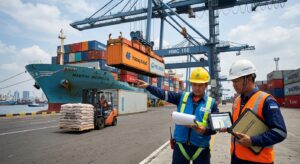
Moreover, having a valid Form D expedites the customs clearance process. It provides customs authorities with clear evidence of the product’s origin, reducing delays and potential disputes. If you are exploring the intricacies of Indonesian customs, you might want to read a Comprehensive Guide to Indonesia Export Custom Clearance Services to ensure your operations are fully compliant.
Criteria for Originating Status
Not all goods shipped from Indonesia qualify for a Form D. Products must meet specific ‘rules of origin’ to be deemed originating from Indonesia. These criteria generally fall into three categories:
- Wholly Obtained or Produced: Goods that are entirely grown, harvested, or extracted in Indonesia (e.g., agricultural products or minerals).
- Not Wholly Obtained (Regional Value Content): Goods manufactured using imported materials but processed enough in Indonesia to meet a minimum regional value content (usually 40%).
- Product Specific Rules (PSR): Certain goods must undergo a specific change in tariff classification or a specific manufacturing process to qualify.
Special Focus: Agricultural Products and Commodities
Agricultural products often easily meet the ‘wholly obtained’ criteria. If your business revolves around agriculture, understanding the specific export requirements is vital. For detailed insights, review this Comprehensive Guide to Exporting Agricultural Products from Indonesia.
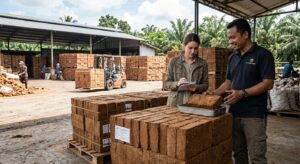
Similarly, manufactured commodities like charcoal must also prove their origin. Exporters in this niche can find valuable information in A Complete Guide to Exporting Charcoal Briquettes from Surabaya.
How to Apply for Form D in Indonesia
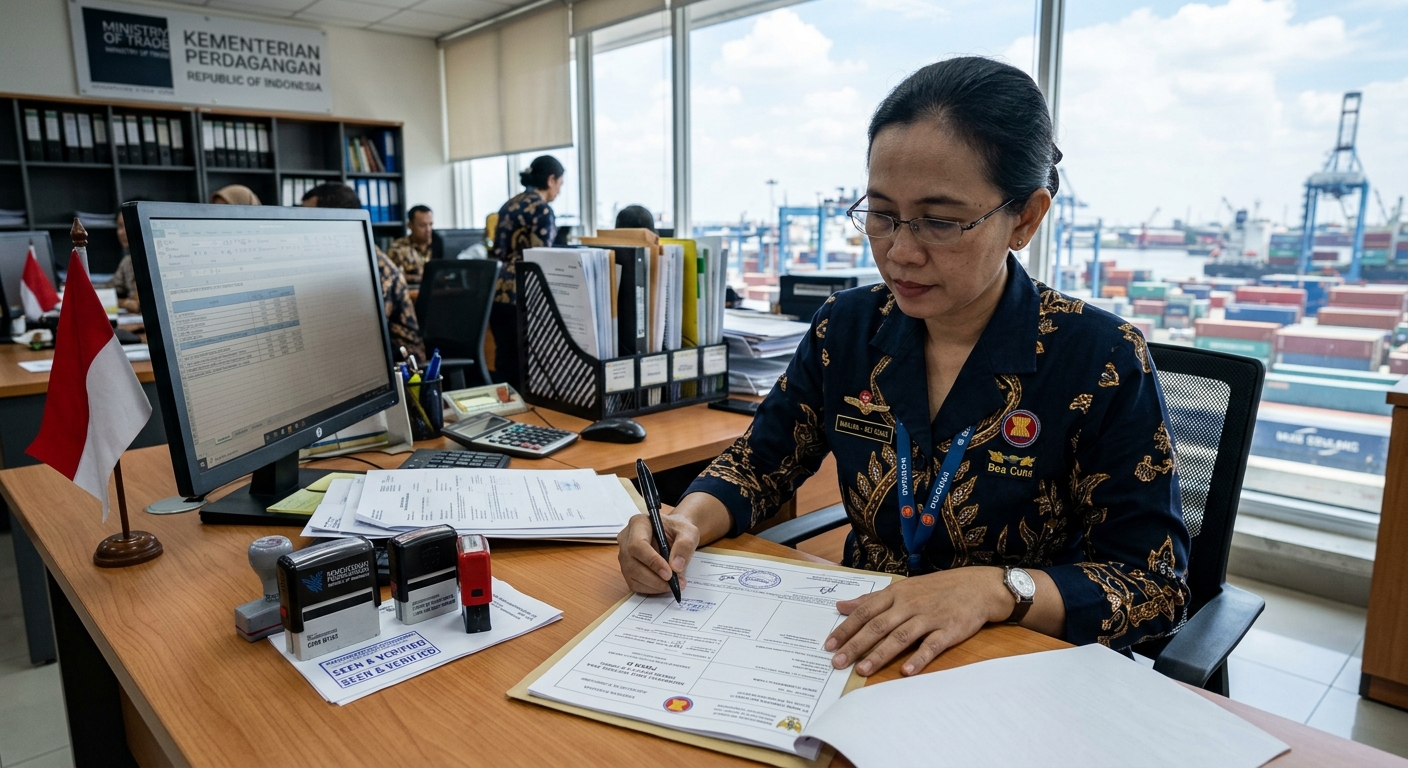
The application process for the Indonesia Certificate of Origin Form D has been largely digitized through the e-SKA (Surat Keterangan Asal) system operated by the Indonesian Ministry of Trade. Here is a step-by-step overview:
1. Registration
Exporters must first register their company on the e-SKA portal. This requires submitting legal company documents, a valid Business Identification Number (NIB), and an export license.
2. Determining Origin Criteria
Before applying, the exporter must declare and prove how the product meets the ATIGA rules of origin. This may involve submitting a cost breakdown for goods that are not wholly obtained.
3. Submitting the Application
Log into the e-SKA system and fill out the Form D application. You will need to input details such as the consignee, transport details, HS codes, and the specific origin criterion met.
4. Approval and Issuance
The local issuing authority (Instansi Penerbit Surat Keterangan Asal or IPSKA) will review the application. Once approved, the Form D is issued. Many ASEAN countries now accept the electronic form (e-Form D) via the ASEAN Single Window (ASW), significantly speeding up the process.
Common Pitfalls and How to Avoid Them
Errors on Form D can lead to the rejection of preferential tariffs, resulting in unexpected costs. Common mistakes include:
- Incorrect HS Codes.
- Mismatched details between Form D and the Bill of Lading or Commercial Invoice.
- Failing to meet the Regional Value Content requirement.
Ensure that your shipping terms align with your documentation. Understanding whether you are responsible for freight and insurance is critical. For clarity on shipping terms out of Indonesia, refer to FOB vs CIF Jakarta: A Comprehensive Guide to Shipping Terms in Indonesia.
Electronic Form D (e-Form D) and the ASEAN Single Window
The ASEAN Single Window (ASW) has revolutionized how Form D is processed. The e-Form D eliminates the need to send physical paper documents via courier to the importing country. Instead, the data is securely transmitted between the customs authorities of the ASEAN member states. This digital exchange reduces the risk of document loss, prevents forgery, and allows for faster cargo clearance upon arrival.
Comparison Table: Form D vs. Other Certificates of Origin
Indonesia participates in various Free Trade Agreements (FTAs), each requiring a different Form. Here is a brief comparison:
| Form Type | Target Region/Country | Primary Benefit |
|---|---|---|
| Form D | ASEAN (ATIGA) | Preferential tariffs within Southeast Asia. |
| Form E | China (ACFTA) | Preferential tariffs for exports to China. |
| Form AK | South Korea (AKFTA) | Tariff reductions under ASEAN-Korea FTA. |
| Form IJEPA | Japan (IJEPA) | Bilateral trade benefits between Indonesia and Japan. |
Conclusion
The Indonesia Certificate of Origin Form D is an indispensable tool for exporters looking to maximize their competitiveness in the ASEAN market. By providing access to preferential tariff rates under ATIGA, Form D significantly lowers the cost of goods for importers, making Indonesian products highly attractive. Navigating the rules of origin and the e-SKA system requires diligence, but the financial and logistical rewards are well worth the effort. Ensuring accuracy in your documentation and understanding the broader context of Indonesian export procedures will pave the way for successful and profitable international trade.
Frequently Asked Questions (FAQ)
What is the primary purpose of the Certificate of Origin Form D?
The primary purpose is to prove that goods being exported from Indonesia originate within an ASEAN member state, allowing the importer in another ASEAN country to claim preferential tariff rates under the ASEAN Trade in Goods Agreement (ATIGA).
How long is a Form D valid?
An Indonesia Certificate of Origin Form D is generally valid for 12 months from the date of issuance. The goods must be imported into the destination country within this timeframe to claim the preferential tariffs.
Can a Form D be issued retroactively?
Yes, if a Form D is not issued at the time of exportation due to involuntary errors, omissions, or other valid reasons, it can be issued retroactively but usually no longer than one year from the date of shipment. It must be stamped “ISSUED RETROACTIVELY”.
What happens if there is a discrepancy on the Form D?
Even minor typographical errors or discrepancies between the Form D and other shipping documents (like the invoice or Bill of Lading) can result in customs authorities rejecting the preferential tariff claim. In such cases, duties must be paid, though you may be able to appeal or submit a corrected form later depending on local regulations.