

Introduction to Sourcing Charcoal Briquettes from Indonesia
Indonesia is one of the world’s leading producers of high-quality charcoal briquettes, particularly those made from coconut shells. For buyers in Europe, importing these premium briquettes offers a lucrative opportunity for both the barbecue and shisha markets. However, navigating the logistics, particularly the Minimum Order Quantity (MOQ), can be a complex endeavor. This guide provides a detailed overview of what you need to know when sourcing Indonesia charcoal briquettes for European distribution.
Understanding the intricacies of international trade, especially when it comes to agricultural and derivative products, requires a solid foundation. Just as buyers might explore a B2B Sourcing Agent in Indonesia: A Complete Guide to Agricultural Exports to streamline their supply chain, understanding the specifics of charcoal imports is crucial for success.
Understanding MOQ (Minimum Order Quantity) for Europe
The Minimum Order Quantity (MOQ) is a critical factor when importing charcoal briquettes from Indonesia to Europe. Manufacturers set MOQs to ensure that the production and shipping processes remain cost-effective. Typically, charcoal briquettes are shipped in standard shipping containers due to their weight and volume.
Typical MOQ Requirements
For most Indonesian suppliers, the standard MOQ for export to Europe is one 20-foot container. This container generally holds between 17 to 18 metric tons of charcoal briquettes, depending on the packaging and the specific density of the product. Ordering less than a full container load (LCL) is rarely accepted by manufacturers because charcoal is classified as a hazardous material (Class 4.2) under maritime shipping regulations, making shared container shipping highly problematic and expensive.
Quality Standards and European Market Requirements
The European market demands strict adherence to quality and safety standards. Consumers and businesses alike expect briquettes that offer long burn times, high heat, low ash content, and no chemical additives. Coconut shell briquettes from Indonesia are highly prized because they naturally meet these criteria.
When selecting a supplier, it is vital to ensure they have the necessary certifications. While not directly related to charcoal, recognizing the importance of certified manufacturing processes is a common theme in international trade, much like finding a Comprehensive Guide to Halal Certified Private Label Manufacturers. Certification guarantees a level of professionalism and adherence to international norms.
Key Quality Indicators
- Ash Content: Premium shisha briquettes should have an ash content of less than 2.5%, while BBQ briquettes can range up to 5%.
- Moisture Content: Should be kept below 5% to ensure easy ignition and consistent burning.
- Volatile Matter: Ideally between 12% and 15% to maintain a steady, smokeless burn.
- Fixed Carbon: A higher percentage (above 75%) indicates a longer burning time and higher heat output.
Below is a comparison of typical specifications between Shisha and BBQ charcoal briquettes sourced from Indonesia.
| Briquette Type | Ash Content (Max) | Fixed Carbon (Min) | Burn Time (Approx) |
|---|---|---|---|
| Premium Shisha | 2.5% | 80% | 2 – 2.5 Hours |
| Standard BBQ | 5.0% | 75% | 4 – 5 Hours |
Shipping and Logistics: Indonesia to Europe
Shipping charcoal briquettes to Europe involves navigating specific maritime regulations. Because charcoal is prone to self-heating, it is regulated under the IMDG Code. Suppliers must provide a Self-Heating Test certificate (often referred to as an SHT certificate) from an independent laboratory like Sucofindo or SGS before shipping lines will accept the cargo.
Understanding logistics in Indonesia is applicable across various commodities. Whether you are dealing with charcoal or reading up on Sourcing Crude Palm Oil in Indonesia: A Comprehensive Guide, the complexities of export documentation, port handling, and shipping line negotiations remain similar.
Packaging Options
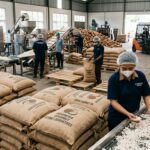
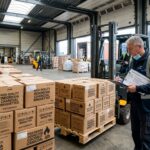
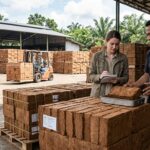
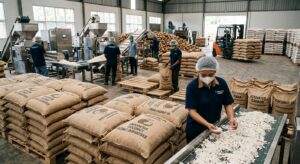
Packaging plays a crucial role in meeting the MOQ and appealing to the European consumer. Suppliers offer various packaging options, including:
- Inner Boxes: Typically 1kg, 2kg, or 3kg printed carton boxes containing the briquettes, often wrapped in an inner plastic liner to prevent moisture absorption.
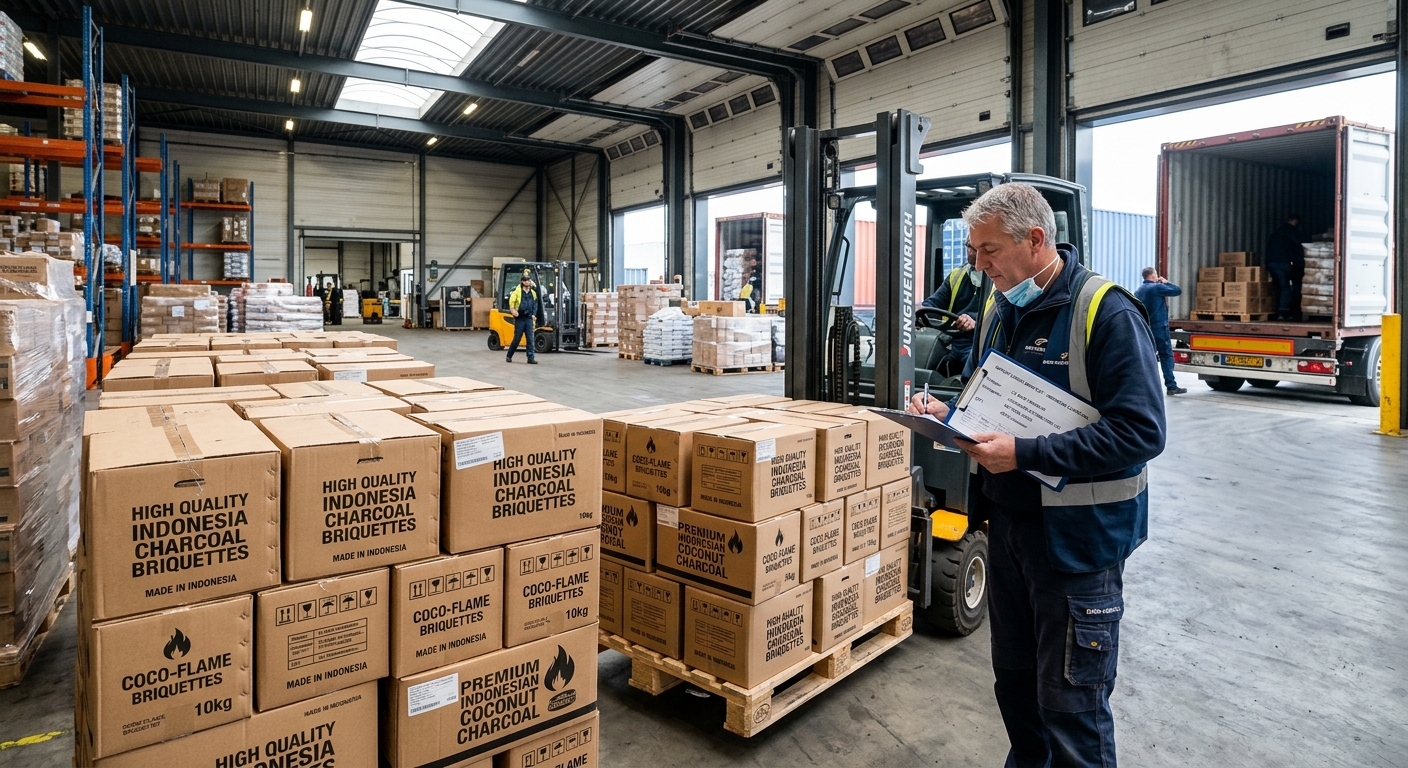
- Master Cartons: Heavy-duty corrugated boxes holding 10kg to 20kg of product, containing several inner boxes.
- Bulk Bags: Woven polypropylene bags, usually 10kg or 20kg, more common for bulk BBQ charcoal.
Just as packaging and volume matter for charcoal, they are equally important when sourcing other organic materials, as detailed in the Indonesia Cocopeat Block Wholesale Supplier: Your Ultimate Guide.
Conclusion
Importing Indonesian charcoal briquettes to Europe is a highly profitable venture when executed correctly. Understanding the MOQ requirements, which typically start at a 20-foot container, is the first step. By ensuring stringent quality controls, adhering to shipping regulations for hazardous materials, and selecting reliable suppliers, European buyers can successfully supply their markets with premium, high-demand coconut shell charcoal.
Frequently Asked Questions (FAQ)
What is the typical MOQ for importing charcoal briquettes from Indonesia to Europe?
The standard MOQ is usually one 20-foot shipping container, which holds approximately 17 to 18 metric tons of charcoal briquettes. This is due to the logistics and regulations of shipping hazardous materials.
Why is charcoal considered a hazardous material for shipping?
Charcoal is classified under Class 4.2 of the IMDG Code because it has the potential for self-heating and spontaneous combustion. Therefore, it requires specific testing (SHT) and documentation before it can be loaded onto a vessel.
Are coconut shell briquettes better than hardwood briquettes?
For specific applications like shisha, coconut shell briquettes are vastly preferred as they produce no smoke, no odor, leave very little ash, and do not affect the flavor of the shisha. They also tend to burn longer and hotter than traditional hardwood briquettes.
Can I order less than a container load (LCL) for a trial?
Most manufacturers and shipping lines do not accept LCL shipments for charcoal due to its hazardous classification. Mixing charcoal with other general cargo in the same container poses significant safety risks and insurance complications.