

Introduction to B2B Imports from Indonesia
Indonesia has emerged as a powerhouse in the global supply chain, offering a vast array of high-quality products ranging from agricultural commodities to manufactured goods. Navigating the logistics of B2B import from Indonesia requires a deep understanding of local regulations, shipping methods, and strategic planning. Whether you are sourcing textiles, furniture, or agricultural products, optimizing your supply chain is critical to maintaining profitability and ensuring timely deliveries.
As global trade dynamics shift, businesses must stay informed about the intricacies of the Indonesian market. By Mastering International B2B Trade with Indonesia: A Complete Guide, importers can streamline their operations, mitigate risks, and build long-lasting partnerships with reliable suppliers across the archipelago.
Understanding Indonesian Customs and Regulations
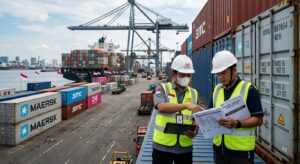
Customs clearance is often one of the most challenging aspects of international trade. Indonesia has strict regulations governing both exports and imports. To ensure a smooth process, B2B importers must familiarize themselves with the required documentation, including commercial invoices, packing lists, bills of lading, and certificates of origin.
Depending on the product, specific tariffs and export taxes may apply. For instance, agricultural commodities are highly regulated. If your business is involved in sourcing palm oil, Understanding Indonesia Export Tariff on Crude Palm Oil: A Comprehensive Guide is essential for calculating accurate landed costs. Similarly, understanding the Indonesian National Single Window (INSW) system can expedite the clearance of goods by allowing electronic submission of required trade documents.
Choosing the Right Freight Forwarding Methods
Selecting the appropriate mode of transportation is a critical logistical decision that balances cost, speed, and reliability. The two primary methods for importing from Indonesia are sea freight and air freight.
Sea Freight
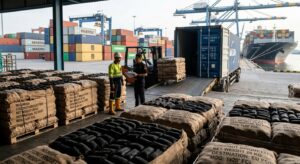
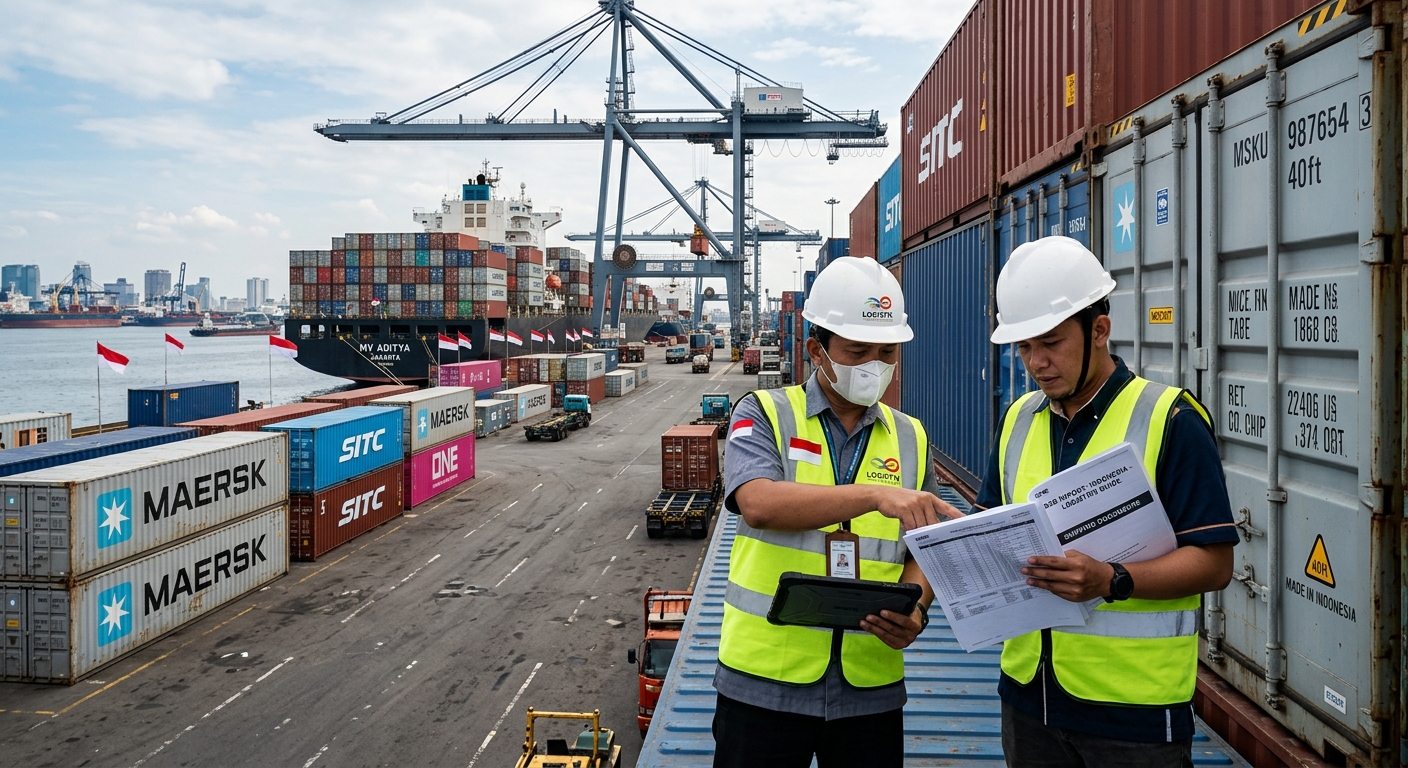
Sea freight is the most cost-effective option for bulky and heavy shipments. Indonesia’s major ports, such as Tanjung Priok in Jakarta and Tanjung Perak in Surabaya, handle the vast majority of international cargo. Importers can choose between Full Container Load (FCL) and Less than Container Load (LCL) depending on their volume. When negotiating terms, understanding local pricing structures is vital. For example, if you are importing specific commodities, knowing the FOB Price Coconut Charcoal Indonesia: A Comprehensive Guide can help you negotiate better shipping terms and manage your overall logistics budget effectively.
Air Freight
For time-sensitive or high-value goods, air freight is the preferred choice. Although significantly more expensive than sea freight, it drastically reduces transit times. Soekarno-Hatta International Airport in Jakarta serves as the primary hub for air cargo leaving the country.
The table below compares the primary freight methods from Indonesia based on cost, typical transit times, and best use cases.
| Freight Method | Cost Level | Typical Transit Time (to US/EU) | Best Used For |
|---|---|---|---|
| Sea Freight (FCL) | Low | 30 – 45 Days | High volume, heavy goods, non-urgent |
| Sea Freight (LCL) | Medium | 35 – 50 Days | Medium volume, consolidated shipments |
| Air Freight | High | 3 – 7 Days | High-value, time-sensitive, low weight |
Sourcing and Supplier Relationships
Building strong relationships with Indonesian suppliers is the foundation of a successful B2B import strategy. Due diligence is crucial. Visiting trade shows, conducting factory audits, and requesting samples can help verify the quality and reliability of potential partners.
Furthermore, many B2B importers are looking for white-label or private label opportunities to build their own brand identity. Indonesia offers excellent manufacturing capabilities for private labeling across various sectors. For agricultural and gardening businesses, A Complete Guide to Private Label Cocopeat Growing Media provides valuable insights into customizing products directly at the source, streamlining the supply chain from production to final retail.
Managing Supply Chain Risks in Indonesia
While Indonesia offers immense opportunities, it also presents unique logistical risks. Infrastructure bottlenecks, particularly outside of Java, can cause delays. The country’s geographical layout as an archipelago means that domestic transportation between islands can be complex and weather-dependent.
- Infrastructure Challenges: Road congestion near major ports can delay container drop-offs and pick-ups.
- Weather Disruptions: The rainy season can impact production, especially for agricultural goods, and disrupt maritime shipping schedules.
- Regulatory Changes: Sudden shifts in trade policies or export bans on certain raw materials require importers to stay agile.
To mitigate these risks, work with experienced local freight forwarders, maintain buffer stock, and diversify your supplier base across different regions of Indonesia.
Conclusion
Successfully managing B2B imports from Indonesia requires a strategic approach to logistics, an understanding of local regulations, and strong supplier relationships. By carefully selecting freight methods, navigating customs efficiently, and proactively managing risks, businesses can leverage Indonesia’s diverse manufacturing and agricultural sectors to build a resilient and profitable supply chain. With the right planning and reliable partners, importing from Indonesia can be a highly rewarding venture for global B2B enterprises.
Frequently Asked Questions (FAQ)
What are the major ports for exporting goods from Indonesia?
The primary ports for international trade in Indonesia are Tanjung Priok in Jakarta, Tanjung Perak in Surabaya, Tanjung Emas in Semarang, and Belawan in Medan. Tanjung Priok handles the highest volume of containerized cargo.
Do I need an import license to bring goods from Indonesia into my country?
Import licensing requirements depend on your country’s regulations and the specific type of goods you are importing. Generally, you will need a standard business import license and a customs registration number in your home country.
How long does sea freight from Indonesia typically take?
Transit times for sea freight depend on the destination. Shipments to the West Coast of the United States typically take 25-35 days, while shipments to Europe can take 30-45 days, subject to port congestion and shipping routes.
What is the most common Incoterm used in Indonesia?
Free On Board (FOB) and Ex Works (EXW) are widely used in Indonesia. FOB is very common, where the supplier covers the costs and risks of delivering the goods to the port of departure and loading them onto the vessel.