

Introduction to Southeast Asia B2B Sourcing
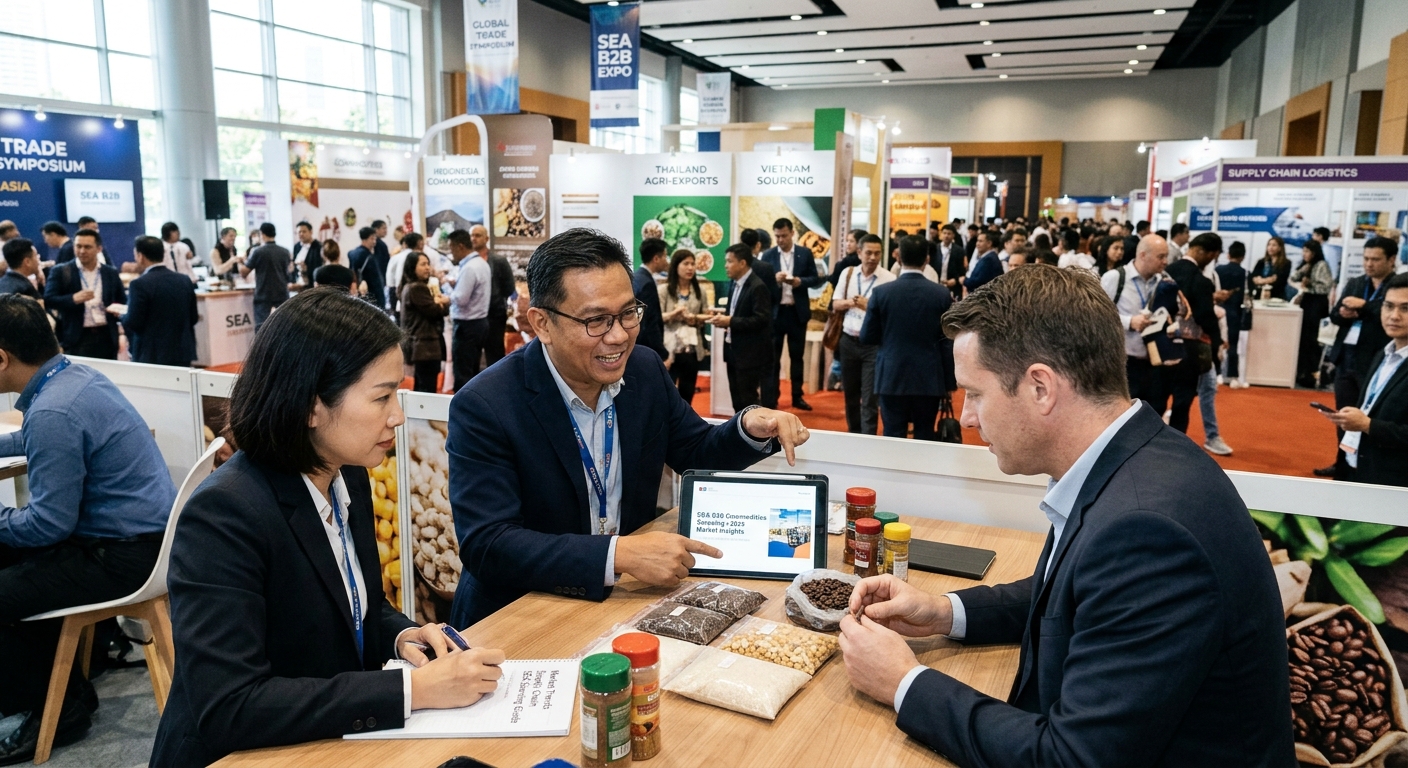
Southeast Asia has rapidly emerged as a powerhouse for global trade, offering a wealth of opportunities for B2B sourcing of commodities. From agricultural products to raw materials, the region provides competitive pricing, high-quality goods, and strategic shipping routes. This comprehensive guide explores the landscape of Southeast Asia B2B sourcing, focusing on key commodities, logistical considerations, and regulatory landscapes that businesses must navigate to succeed.
The Rise of Southeast Asia as a Sourcing Hub
In recent years, global supply chain disruptions have prompted businesses to diversify their sourcing strategies. Southeast Asia, encompassing nations like Indonesia, Vietnam, Thailand, and Malaysia, offers an attractive alternative to traditional manufacturing hubs. The region boasts rich natural resources, a growing skilled workforce, and governments increasingly supportive of foreign trade.
When sourcing commodities such as rubber, palm oil, coffee, and timber, buyers find that Southeast Asian suppliers are heavily investing in sustainable and scalable operations. Furthermore, the strategic location of these countries facilitates efficient global distribution.
Key Commodities for B2B Sourcing in the Region
While the region produces a vast array of goods, certain commodities stand out for B2B sourcing:
- Agricultural Products: Coffee, spices, and palm oil are major exports. Indonesia and Vietnam are particularly dominant in the global coffee market.
- Biomass and Fuel: Products like wood pellets and charcoal briquettes are in high demand globally. Understanding regulations is crucial here. For instance, you should review Indonesia HS Code for Charcoal Briquettes: A Comprehensive Guide for Exporters and Importers to ensure compliance.
- Horticultural Supplies: The region is also a key player in agricultural and gardening supplies. If you are looking to create your own brand, Private Label Organic Growing Media: The Complete Guide for Brands offers excellent insights into sourcing these specific products.
- Minerals and Metals: Tin, nickel, and copper are heavily sourced from countries like Indonesia and the Philippines.
Comparison of Key Sourcing Countries in Southeast Asia
The following table compares three major Southeast Asian sourcing hubs based on their primary commodities, main export port, and average ocean transit time to the US West Coast.
| Country | Primary Commodity Focus | Main Export Port | Avg. Transit Time to US West Coast |
|---|---|---|---|
| Indonesia | Coal, Palm Oil, Biomass | Tanjung Priok (Jakarta) | 24-28 Days |
| Vietnam | Coffee, Textiles, Electronics | Cat Lai (Ho Chi Minh City) | 20-25 Days |
| Thailand | Rubber, Rice, Automotive Parts | Laem Chabang | 22-26 Days |
Navigating Logistics and Shipping
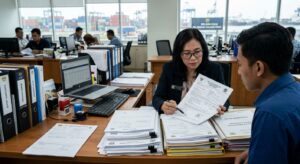
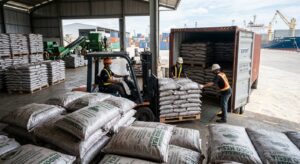
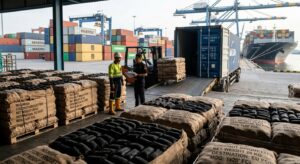
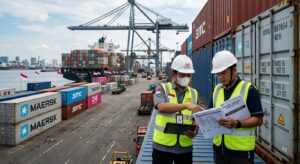
Efficient logistics are the backbone of successful B2B sourcing. Southeast Asia is investing heavily in port infrastructure to handle increased export volumes. However, navigating the local logistics landscape requires a deep understanding of regional intricacies. Partnering with reliable freight forwarders and customs brokers is essential to minimize delays.
For businesses sourcing from Indonesia’s capital, understanding the local infrastructure is vital. We recommend reading A Complete Guide to International Shipping Logistics in Jakarta, Indonesia to optimize your supply chain operations in this key hub.
Understanding Tariffs and Import Duties
Cost calculations in B2B sourcing must account for import duties and tariffs, which can significantly impact profit margins. Trade agreements, such as ASEAN Free Trade Area (AFTA) and various bilateral agreements, play a critical role in determining these costs.
When importing goods into North America, specific regulations apply based on the commodity’s origin and classification. For a detailed breakdown of costs from a major Southeast Asian supplier, refer to A Complete Guide to Import Duties from Indonesia to North America. Proper HS code classification is non-negotiable to avoid penalties and delays at customs.
Challenges in Southeast Asia Sourcing
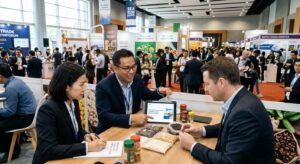
Despite the benefits, sourcing from Southeast Asia comes with challenges. Language barriers, differing business cultures, and varying levels of infrastructure development can complicate transactions. Quality control is another critical area; buyers must implement strict inspection protocols before shipment. Building strong, long-term relationships with suppliers and conducting regular factory audits are proven strategies to mitigate these risks.
Conclusion
Southeast Asia presents a compelling landscape for B2B sourcing of commodities. By understanding the key markets, navigating the logistics, and staying compliant with import regulations, businesses can build resilient and profitable supply chains. As the region continues to develop its infrastructure and manufacturing capabilities, its role as a global sourcing hub will only grow stronger. Strategic planning and informed decision-making are the keys to unlocking the full potential of sourcing from this vibrant economic region.
Frequently Asked Questions (FAQ)
What are the main benefits of sourcing commodities from Southeast Asia?
The primary benefits include competitive pricing, a diverse range of available commodities (like agriculture, biomass, and minerals), strategic shipping locations, and an increasing focus on sustainable production methods.
How important is accurate HS Code classification when sourcing from this region?
It is incredibly important. Accurate HS code classification ensures that you pay the correct import duties, comply with international trade laws, and avoid costly delays or seizures by customs authorities.
What is the best way to ensure quality control when sourcing from Southeast Asian suppliers?
Implementing a rigorous quality control process is essential. This includes conducting factory audits before signing contracts, requesting product samples, and hiring third-party inspection agencies to verify the quality of goods before they are shipped.
Does infrastructure vary significantly between Southeast Asian countries?
Yes, infrastructure development varies greatly. While countries like Singapore and parts of Malaysia and Thailand have highly developed logistics networks, other areas may present challenges with road transport and port congestion, requiring careful logistical planning.