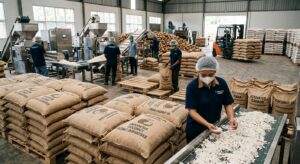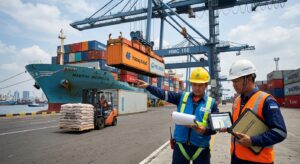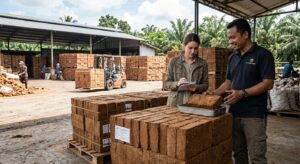



The trade partnership between the United States and Southeast Asia’s largest economy has reached a remarkable milestone. In 2024, the total value of goods flowing into American markets hit an impressive $26.36 billion. This growth highlights a strategic shift toward high-quality, value-added manufactured products that meet rigorous global standards.
Businesses looking to bridge this gap often rely on professional platforms like Indonesian export industries experts to streamline their supply chains. By focusing on efficiency and transparency, these trade channels have become a cornerstone of economic stability for both nations. As we look ahead, understanding these dynamics is essential for any importer aiming to capitalize on this robust bilateral relationship.
Key Takeaways
- Total trade value between the two nations reached $26.36 billion in 2024.
- There is a clear market trend favoring value-added manufactured goods over raw materials.
- The bilateral trade channel is recognized as one of the most stable for regional economic growth.
- Strategic partnerships help simplify complex logistics and international shipping requirements.
- Modern supply chains are increasingly focused on quality control and regulatory compliance.
The Growing Significance of Indonesian Export Industries
Understanding the rise of Indonesian export industries requires a look at both history and current economic trends. Over the last few decades, the nation has successfully transitioned from a reliance on raw materials to a sophisticated hub for manufactured goods. This shift has fundamentally altered how the country interacts with global markets, particularly the United States.
Historical Context of US-Indonesia Trade Relations
The bilateral trade relationship has matured into a strategic partnership that benefits both nations. Historically, the United States has maintained a consistent presence as a top-tier trade partner for the archipelago. Today, the US proudly stands as the second-largest export partner for Indonesia, reflecting deep-rooted economic ties.
“The strength of our bilateral trade lies in our ability to adapt to changing global demands while fostering mutual economic prosperity.”
This evolution was not accidental but the result of deliberate policy shifts. By moving away from simple commodity extraction, the country has opened doors to high-value sectors. This historical trajectory provides the foundation for the robust trade volume we observe today.
Current Economic Landscape and Export Growth in Indonesia
Between 2015 and 2025, the economic landscape has shown remarkable resilience and expansion. Consistent export growth in Indonesia has been driven by a diversified portfolio that now includes electronics, automotive components, and high-quality textiles. Businesses looking to optimize their supply chains often turn to sustainable sourcing solutions to meet modern consumer expectations.
Several factors have fueled this impressive trajectory:
- Increased investment in domestic manufacturing infrastructure.
- Strategic trade agreements that simplify cross-border logistics.
- A growing focus on digital transformation within the industrial sector.
As the nation continues to refine its production capabilities, the future of export growth in Indonesia remains bright. By prioritizing quality and sustainability, local manufacturers are securing their place in the competitive American market. This ongoing development ensures that the partnership will continue to thrive for years to come.
Top Exports from Indonesia to the American Market
American businesses are increasingly turning to the export market in Indonesia to source everything from advanced electronics to premium consumer goods. The nation has successfully diversified its output, moving beyond traditional raw materials to become a sophisticated manufacturing hub. This shift has solidified its position as a vital partner for companies across the United States.
Textiles and Apparel Manufacturing
The textile industry remains a cornerstone of the trade relationship between the two nations. Indonesian factories produce high-quality garments that meet the rigorous standards of major American retailers. Efficiency and scalability are the primary drivers behind this sector’s consistent growth.
By leveraging modern production techniques, local manufacturers ensure that they remain competitive on a global scale. This commitment to quality has made Indonesian apparel a staple in many American wardrobes.
Footwear and Leather Goods Production
Beyond clothing, Indonesia has gained a reputation for excellence in footwear and leather craftsmanship. Skilled artisans and advanced machinery work in tandem to create durable, stylish products that appeal to diverse consumer tastes. Attention to detail is what truly sets these goods apart in a crowded marketplace.
“Quality is never an accident; it is always the result of high intention, sincere effort, intelligent direction and skillful execution.”
Agricultural Commodities and Specialty Spices
While manufacturing is booming, the agricultural sector continues to provide essential goods that are highly sought after by American consumers. Specialty spices, such as nutmeg and cloves, along with premium coffee beans, represent some of the most iconic top exports from Indonesia. These products are prized for their unique flavor profiles and sustainable farming practices.
It is also important to note that the country’s manufacturing prowess extends into high-tech fields. For instance, electrical machinery and equipment exports recently reached $4.19 billion, showcasing the nation’s ability to handle complex industrial requirements. This blend of natural bounty and technical skill defines the current success of the export market in Indonesia.
- Textiles: High-volume production for major retail brands.
- Footwear: Premium leather goods and athletic shoes.
- Agriculture: Specialty spices and high-grade coffee beans.
- Electronics: Rapidly growing sector in electrical machinery.
The Role of Indonesian Export Products in US Supply Chains
Indonesian export products are becoming vital components in the modern American industrial landscape. By diversifying their sourcing strategies, many US companies find that these goods offer the perfect balance of quality and cost-effectiveness. This shift helps maintain the efficiency of American production lines across various sectors.
Electronics and Component Manufacturing
The electronics sector in the United States relies heavily on precision-engineered parts. Indonesia has emerged as a key player, providing high-quality components that meet rigorous international standards. These top exports from Indonesia are essential for maintaining the seamless operation of complex manufacturing systems.
“True innovation in global supply chains comes from building strong, reliable partnerships that prioritize quality and consistency above all else.”
Furniture and Home Decor Trends
Beyond industrial components, the US market has seen a surge in demand for high-quality furniture. Skilled craftsmanship combined with sustainable raw materials makes these items highly desirable for American consumers. Many businesses now utilize Indonesian export products to enhance their catalog offerings with unique, durable designs.
Sustainability is at the heart of this trend, as many manufacturers focus on eco-friendly production methods. This commitment to quality ensures that these goods remain competitive in a crowded marketplace.
Rubber and Palm Oil Derivatives
The automotive and heavy machinery industries depend on durable materials to function correctly. Indonesia provides essential items like rubber sheets, tires, and conveyor belts that are critical to US supply chains. These top exports from Indonesia are tested to ensure they withstand the high-pressure environments found in American factories.
By integrating these reliable materials, US firms can reduce downtime and improve overall output. This strategic sourcing remains a cornerstone of a resilient and efficient industrial strategy.
Navigating Indonesian Export Regulations for US Businesses
Successfully importing goods from abroad requires a clear understanding of the legal framework governing international trade. For American businesses, mastering Indonesian export regulations is the key to a seamless and profitable supply chain. By staying informed, companies can avoid common pitfalls that lead to shipment rejections or unexpected financial losses.
Understanding Trade Agreements and Tariffs
The trade relationship between the United States and Indonesia is supported by various frameworks that influence costs. Importers should familiarize themselves with current tariff schedules to ensure they are taking advantage of any available duty-free benefits. Utilizing resources like exportnusa.com can provide the clarity needed to navigate these complex financial structures effectively.
Staying updated on bilateral agreements is essential for maintaining a competitive edge. When businesses understand the specific tariff codes applicable to their products, they can better forecast their landed costs. This proactive approach helps in building a more resilient and cost-effective procurement strategy.
Compliance Standards for American Importers
Regulatory compliance goes beyond simple paperwork; it involves meeting strict quality and safety benchmarks. For instance, exporters must strictly adhere to FDA standards when shipping food, beverages, or cosmetic products into the United States. Failure to meet these rigorous requirements often results in costly delays at the border.
Beyond food safety, many manufactured goods must meet specific labeling and material testing standards. It is vital to verify that your suppliers in Indonesia are fully certified and aware of these American market expectations. Consistency in quality control is the best way to ensure your goods clear customs without unnecessary scrutiny.
Logistics and Shipping Considerations
The physical movement of goods across the Pacific presents its own set of logistical challenges. Long-distance shipping requires meticulous planning to account for transit times and potential port congestion. Developing a robust shipping strategy is a critical step for any importer looking to maintain steady inventory levels.
Proper documentation is the backbone of efficient logistics. Ensuring that bills of lading, certificates of origin, and commercial invoices are accurate will prevent your cargo from being held up in transit. By prioritizing clear communication with freight forwarders, you can navigate the complexities of Indonesian export regulations with confidence and ease.
Analyzing Export Statistics Indonesia and Market Trends
Understanding the latest export statistics Indonesia has reported is essential for any business looking to navigate the global marketplace. Recent data indicates that trade volume between Indonesia and the United States reached an impressive valuation of USD 26–28 billion in 2024. This robust performance highlights the increasing importance of these bilateral ties for both economies.
Data-Driven Insights into Trade Volume
When we examine the export growth in Indonesia, it becomes clear that specific sectors are driving this upward trajectory. Manufacturing and agricultural commodities remain the backbone of this trade volume, showing remarkable resilience even during fluctuating global conditions. Investors often look to these figures to identify which industries offer the most stability and potential for long-term expansion.
By utilizing resources like the expert guidance at Oxicarbon, businesses can better interpret these complex data sets. Consistent growth in high-demand categories suggests that the partnership between the two nations is becoming more sophisticated. This trend is not merely a temporary spike but a reflection of deeper integration within global supply chains.
Shifts in Consumer Demand Across the United States
American consumer preferences are evolving rapidly, which directly influences the export growth in Indonesia. Today’s shoppers prioritize sustainability, quality, and ethical production methods when choosing their goods. As a result, Indonesian exporters are adapting their processes to meet these high standards, ensuring their products remain competitive in the U.S. market.
This shift in demand has opened doors for niche products that were previously overlooked. By aligning production with these modern trends, Indonesian firms are successfully capturing a larger share of the American market. The following table provides a snapshot of how these key sectors are performing in the current economic climate.
| Export Category | Growth Trend | Market Demand |
|---|---|---|
| Textiles & Apparel | Stable | High |
| Specialty Spices | Increasing | Moderate |
| Electronics | Rapid | Very High |
| Furniture | Steady | High |
Ultimately, staying informed about export statistics Indonesia provides a competitive edge for those operating in the international trade arena. By monitoring these trends, companies can make smarter decisions that capitalize on the ongoing economic synergy between Indonesia and the United States.
Identifying Key Export Opportunities in Indonesia
Modern trade dynamics are creating a unique bridge between Indonesian producers and the discerning American consumer. As global supply chains become more complex, businesses are looking for reliable partners who offer both quality and scalability. By exploring the vast export opportunities in Indonesia, American companies can secure a competitive edge in an increasingly crowded marketplace.
Emerging Sectors for American Investment
The Indonesian economy is diversifying rapidly, moving beyond traditional commodities into high-growth areas. Investors are finding significant value in sectors that align with modern industrial needs. Key areas currently showing promise include:
- Renewable Energy: Investments in geothermal and solar infrastructure are gaining momentum.
- Specialty Manufacturing: High-tech components and precision engineering are becoming local strengths.
- Creative Industries: Unique artisanal goods are finding a dedicated niche in the US market.
Sustainable Sourcing and Ethical Trade Practices
Today’s consumers demand transparency, making ethical standards a top priority for any successful business. Companies that prioritize sustainable sourcing are seeing higher loyalty and better long-term results. When you work with partners who value fair labor and environmental stewardship, you build a brand that resonates with modern values.
To ensure your supply chain remains resilient, it is vital to vet your partners thoroughly. Many businesses now utilize resources like exportnusa.com to verify compliance and ethical benchmarks. This commitment to integrity ensures that Indonesian export products meet the high expectations of American buyers.
Digital Transformation in Indonesian Manufacturing
The rise of digital platforms has fundamentally changed how goods move across borders. Small and medium enterprises (SMEs) are now using e-commerce tools to reach international clients directly, bypassing traditional middlemen. This shift allows for faster communication and more efficient logistics management.
By embracing these digital tools, local manufacturers are refining their production cycles to better suit global demand. This evolution in Indonesian export products means that American importers can expect higher quality and more consistent delivery timelines. As technology continues to bridge the gap, the potential for growth in these export opportunities in Indonesia remains incredibly bright.
Challenges and Barriers in the Export Market in Indonesia
Despite the impressive growth of Indonesian export industries, several persistent barriers continue to challenge international trade partners. While the potential for profit is high, companies must remain vigilant regarding the operational realities on the ground. Understanding these obstacles is the first step toward building a resilient and successful trade strategy.
Infrastructure and Supply Chain Bottlenecks
Logistics remain a primary concern for businesses operating within the export market in Indonesia. The archipelago’s unique geography often leads to delays in port processing and inland transportation. These bottlenecks can significantly impact the ability of exporters to meet tight deadlines for American clients.
Many firms struggle with the high costs associated with inter-island shipping and limited cold-chain storage facilities. When infrastructure fails to keep pace with production, the result is often increased lead times and higher overhead costs. Reliable logistics planning is therefore essential to mitigate these risks effectively.
Regulatory Hurdles for Small and Medium Enterprises
Navigating complex Indonesian export regulations can be particularly daunting for small and medium enterprises (SMEs). These businesses often lack the dedicated legal teams required to interpret shifting trade policies and licensing requirements. Without proper guidance, companies may face unexpected fines or shipment delays at customs.
To overcome these administrative burdens, many firms seek professional support to ensure full compliance with local laws. Utilizing resources like oxicarbon.com can help businesses streamline their documentation processes and avoid common pitfalls. Staying informed about policy changes is vital for maintaining a smooth flow of goods.
Common challenges faced by exporters include:
- Inconsistent port efficiency across different regions.
- Complex documentation requirements for specialized goods.
- High costs related to last-mile delivery and storage.
- Frequent updates to trade policies that require rapid adaptation.
By proactively addressing these barriers, companies can better position themselves for long-term success. A strategic approach to the export market in Indonesia will ultimately lead to more stable and profitable trade relationships.
The Future Outlook for US-Indonesia Trade Partnerships
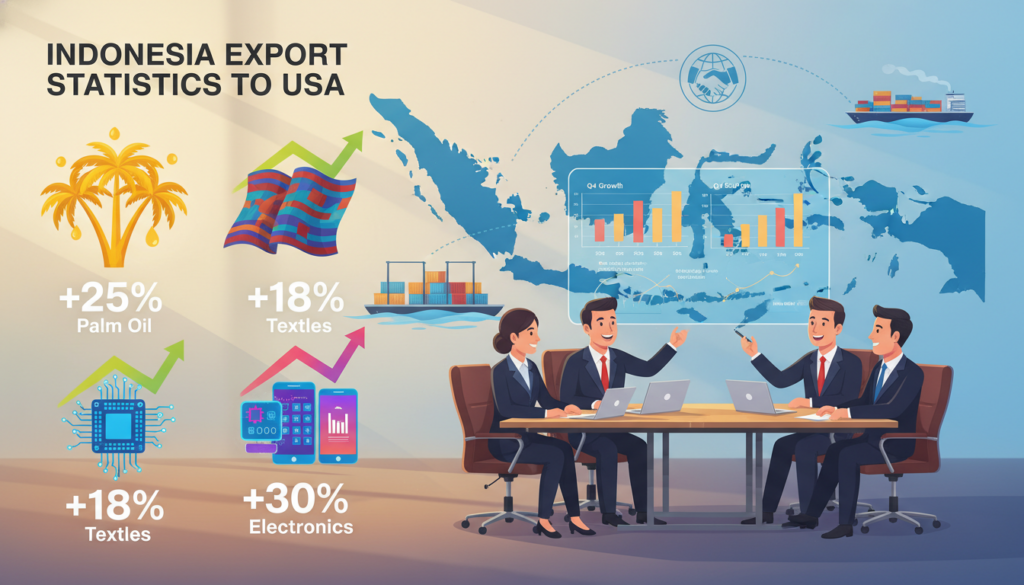
Looking ahead, the economic bridge between the U.S. and Indonesia is poised for significant expansion. Projections suggest that trade volume could reach between USD 30 and 36 billion by 2026. This growth trajectory highlights the immense potential for businesses looking to diversify their supply chains in Southeast Asia.
Technological Collaboration and Innovation
Innovation serves as the backbone of this evolving partnership. By leveraging the latest export statistics Indonesia has released, companies can identify high-growth sectors that benefit from digital integration. Modern manufacturing processes are increasingly adopting smart technologies to meet the rigorous quality standards of the American market.
“The future of global trade relies on the seamless integration of technology and cross-border cooperation.”
This digital shift allows for better transparency and efficiency in logistics. As factories in Indonesia upgrade their systems, they become more attractive partners for U.S. firms seeking reliable and tech-forward suppliers. This transition is not just about speed; it is about building resilient supply chains that can withstand global market fluctuations.
Strengthening Bilateral Economic Ties
Deepening the relationship between these two nations requires a clear roadmap for stakeholders. Investors are actively exploring new export opportunities in Indonesia to capitalize on the country’s growing industrial capacity. These efforts are supported by ongoing dialogues aimed at reducing trade barriers and fostering a more collaborative environment.
Building long-term success involves more than just moving goods; it requires mutual trust and shared economic goals. As both governments continue to refine their trade policies, the path for American businesses becomes increasingly clear. This partnership is set to remain a cornerstone of stability in the Pacific region for years to come.
Conclusion
The trade relationship between Indonesia and the United States has matured into a robust and mutually beneficial partnership. We have highlighted the transition toward high-value manufactured goods and the significant export growth observed over the last decade.
As both nations continue to navigate regulatory and logistical challenges, the future outlook remains overwhelmingly positive for sustained economic cooperation. Businesses that leverage these insights will be well-positioned to capitalize on the expanding opportunities within this vital trade corridor.
Companies seeking reliable partners can explore Indonesian shisha charcoal options to see how local production meets global standards. This commitment to quality ensures that American importers receive consistent, high-grade products that satisfy modern consumer demands.
Strategic investments in supply chain transparency and digital integration will define the next phase of this partnership. By focusing on ethical sourcing and efficient logistics, both countries can unlock new potential for growth. Your business can play a key role in this evolving landscape by staying informed and proactive in your procurement strategies.