

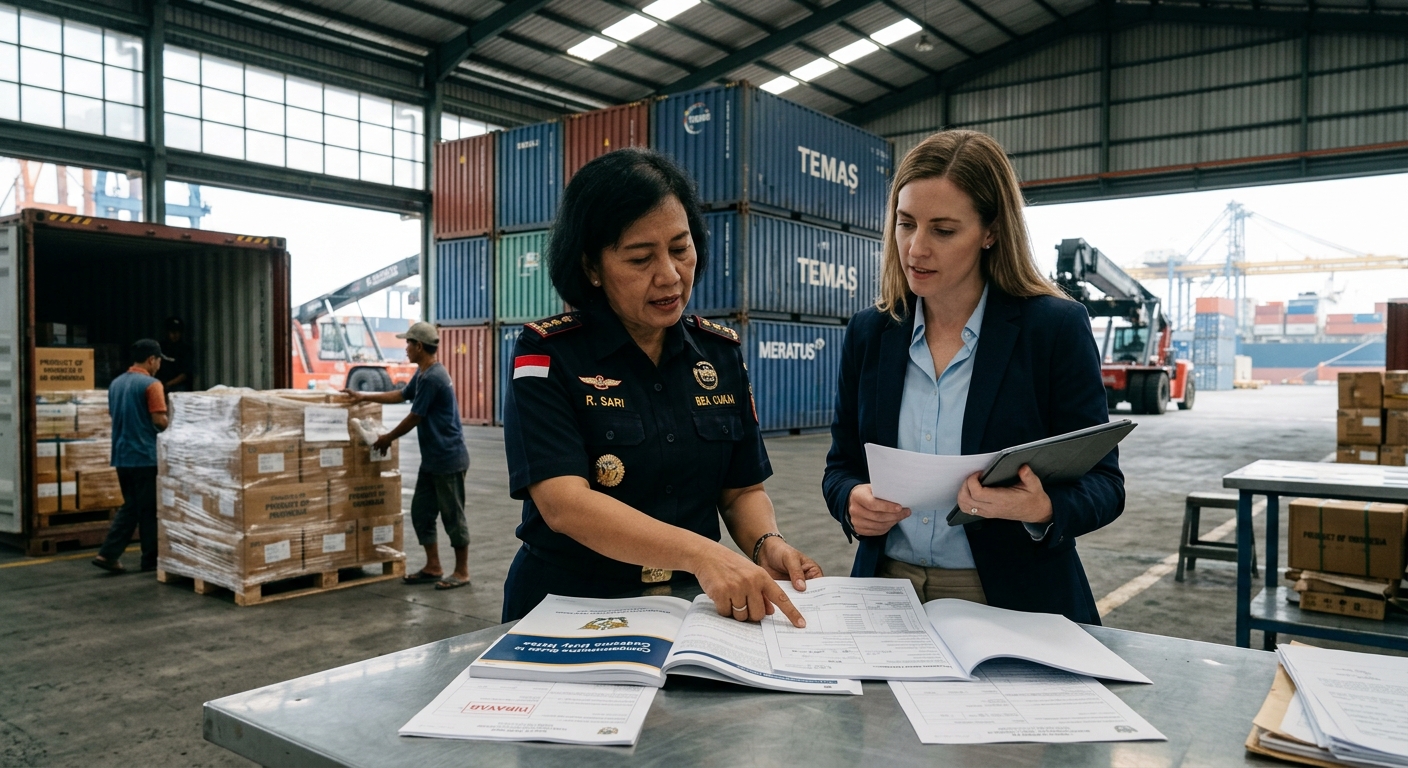
Introduction to Importing from Indonesia
Importing goods from Indonesia offers tremendous opportunities for businesses worldwide. With a diverse array of high-quality products ranging from agricultural commodities to manufactured goods, understanding the customs duty rates for importing from Indonesia is essential for optimizing your supply chain and maximizing profitability. This comprehensive guide will walk you through the intricacies of import duties, regulations, and strategic sourcing from this dynamic Southeast Asian market.
Understanding Customs Duty Rates
Customs duty rates are taxes imposed by the importing country’s government on foreign goods. When importing from Indonesia, the specific rate you pay depends heavily on the Harmonized System (HS) code of the product, the destination country’s tariff schedule, and any applicable free trade agreements (FTAs). Many countries have trade agreements with Indonesia that can significantly reduce or eliminate these tariffs, provided the goods meet specific rules of origin.
The Role of HS Codes
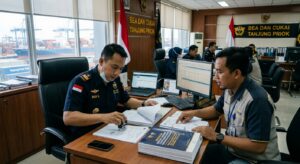
Every product imported from Indonesia must be classified under an HS code. This six-to-ten digit number determines the exact customs duty rate applied by your local customs authority. Accurate classification is crucial to avoid penalties, delays, and unexpected costs. It is always recommended to consult with a licensed customs broker to ensure the correct HS code is applied to your imports.
Popular Commodities and Their Duty Implications
Indonesia is renowned for exporting a variety of unique and high-demand commodities. The duty rates for these products can vary widely based on your location. Let us explore some of the top exports.
Agricultural and Natural Products
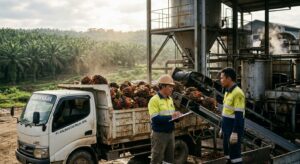
Indonesia is a global leader in agricultural exports, including palm oil, coffee, rubber, and spices. When sourcing these goods, it is helpful to use resources like a reliable B2B platform to connect with verified suppliers. Additionally, if you are looking into specialized products, reading A Complete Guide to Choosing a Coconut Shell Charcoal Briquettes Supplier in Indonesia can provide valuable insights into sourcing strategies and potential duty considerations for natural charcoal products.
Manufactured Goods and Textiles
Alongside raw materials, Indonesia has a growing manufacturing sector producing textiles, footwear, and electronics. The import duties on these items are often higher than raw materials to protect domestic industries in the importing country. However, leveraging trade agreements can often mitigate these costs.
Shipping Terms: FOB vs. CIF
The shipping terms you negotiate with your Indonesian supplier can affect the customs valuation of your goods, which in turn impacts the total duty paid. In many jurisdictions, customs duties are calculated on the CIF (Cost, Insurance, and Freight) value of the goods, meaning the cost of shipping and insurance is included in the dutiable amount.
Understanding the difference between shipping terms is vital for accurate cost forecasting. We highly recommend reviewing FOB vs CIF Shipping from Indonesia: A Comprehensive Guide for Importers to make informed decisions that align with your logistics and financial strategies.
Navigating the Export Process
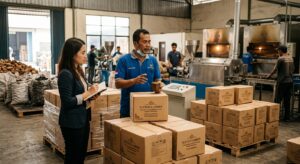
To successfully import from Indonesia, you must also understand the export side. Indonesian suppliers must comply with local export regulations, obtain necessary permits, and provide required documentation such as commercial invoices, packing lists, and certificates of origin. Familiarizing yourself with these requirements ensures a smoother customs clearance process in your home country.
For those looking to explore a wider range of products, check out Navigating Indonesian B2B Export Platform Commodities: A Comprehensive Guide. This resource can help you identify profitable commodities and streamline your supplier discovery process.
Strategies to Minimize Customs Duties
Minimizing your customs duty liabilities is a legitimate and necessary part of international trade. Here are a few strategies:
- Leverage Free Trade Agreements: Check if your country has an FTA with Indonesia or the ASEAN bloc. Ensure your supplier provides a valid Certificate of Origin to claim preferential rates.
- Tariff Engineering: Work with product designers to ensure the final product falls into a lower-duty HS code classification where legally permissible.
- Utilize Bonded Warehouses: Store imported goods in a bonded warehouse to defer duty payments until the goods enter the domestic market.
Conclusion
Understanding customs duty rates for importing from Indonesia is a critical component of a successful international sourcing strategy. By accurately classifying your goods, choosing the right shipping terms, and utilizing available trade agreements, you can significantly reduce your landed costs. Always stay informed about the latest trade policies and partner with experienced logistics and customs professionals to navigate the complexities of global trade smoothly.
Frequently Asked Questions (FAQ)
How do I find the correct HS code for my product from Indonesia?
You can find the correct HS code by consulting your country’s official customs tariff database, using online HS code search tools, or, most reliably, by consulting with a licensed customs broker who can classify the product based on its material composition and intended use.
Does Indonesia have free trade agreements that lower import duties?
Yes, Indonesia is part of the Association of Southeast Asian Nations (ASEAN) and has various FTAs with countries and regions, including Australia, New Zealand, China, Japan, Korea, and the EFTA states. Importers in these regions may benefit from reduced or zero tariffs.
Why is the Certificate of Origin important when importing from Indonesia?
A Certificate of Origin proves that the goods were manufactured or processed in Indonesia. It is a mandatory document if you wish to claim preferential (lower) duty rates under a free trade agreement between your country and Indonesia.