

Introduction to Coconut Shell Charcoal Briquettes
As global demand for sustainable and high-quality energy sources continues to rise, coconut shell charcoal briquettes have emerged as a leading alternative to traditional wood charcoal. Known for their long burning time, low ash content, and environmentally friendly nature, these briquettes are highly sought after in international markets for applications ranging from shisha and hookah to barbecue grilling.
Indonesia stands at the forefront of this industry, boasting abundant raw materials and a well-established manufacturing sector. If you are looking to source these premium products, partnering with a reliable coconut shell charcoal briquettes supplier indonesia is essential for ensuring consistent quality and competitive pricing. In this comprehensive guide, we will explore why Indonesia dominates this market, how to select the right supplier, and the logistics involved in importing these goods.
Why Choose Indonesia for Coconut Shell Charcoal Briquettes?
Indonesia is one of the world’s largest producers of coconuts. The vast archipelagic nation provides an almost limitless supply of coconut shells, which were once considered agricultural waste. Today, these shells are upcycled into premium charcoal briquettes, contributing to sustainable economic development.
Unmatched Quality
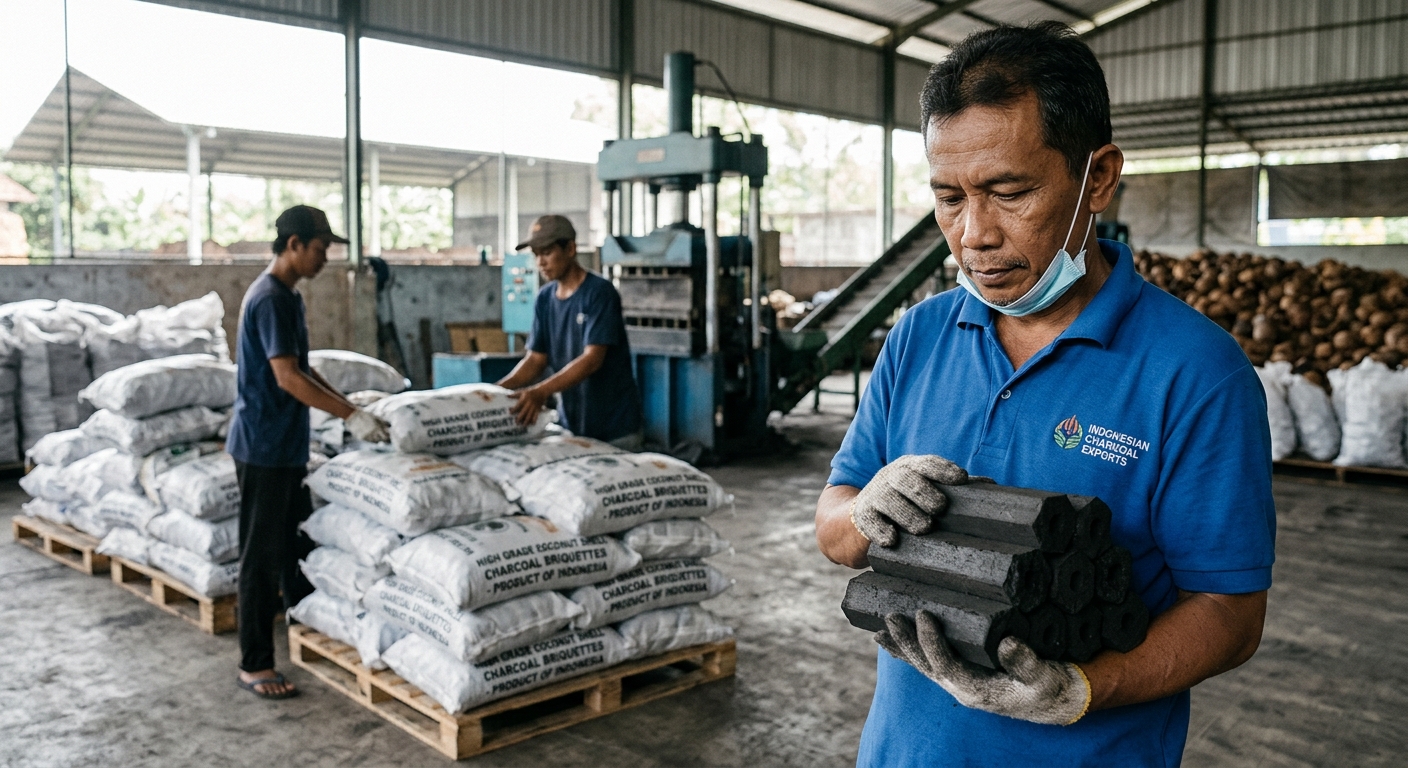
Indonesian coconut shell charcoal briquettes are renowned for their superior characteristics. They produce minimal smoke, no sparks, and leave very little ash behind (typically under 2.5%). The high carbon content ensures a longer burning time and a higher, more consistent heat output compared to other types of charcoal. This makes them particularly desirable for hookah enthusiasts and professional barbecue chefs worldwide.
Sustainable and Eco-Friendly
By utilizing coconut shells rather than cutting down trees, Indonesian suppliers offer a highly sustainable product. This eco-friendly approach appeals to environmentally conscious consumers and businesses seeking to reduce their carbon footprint. Moreover, the agricultural sector in Indonesia also produces other sustainable products, such as growing media. For more information on related agricultural exports, you can read the Comprehensive Guide to Coir Pith Growing Media Wholesale in Indonesia.
How to Identify a Reliable Supplier
Finding the right supplier is critical to the success of your import business. With numerous manufacturers operating in Indonesia, it is important to conduct thorough due diligence.
Production Capacity and Consistency
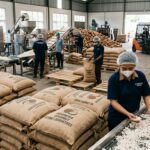
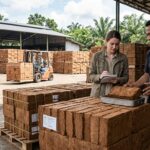
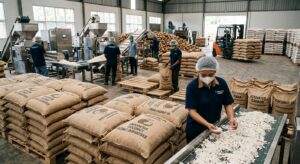
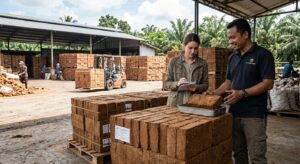
A reputable supplier must have the production capacity to meet your volume requirements consistently. Inquire about their manufacturing facilities, storage capabilities, and quality control processes. It is vital that the supplier can maintain the precise specifications required for your market, whether it’s the shape, size, or ash color of the briquettes.
Certifications and Compliance
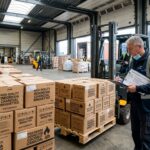
Ensure that the supplier holds the necessary certifications, such as ISO, REACH (for European markets), and proper Material Safety Data Sheets (MSDS). Because charcoal is classified as a dangerous good (flammable solid) during shipping, the supplier must have experience in handling the required documentation for export.
Communication and Professionalism
Effective communication is the cornerstone of international trade. A professional supplier will be transparent about their pricing, production lead times, and shipping capabilities. If you are looking for an established partner, you might consider reaching out to an experienced Indonesian export company to streamline your sourcing process.
Understanding the Export and Shipping Process
Importing charcoal briquettes involves navigating complex logistics and international trade regulations. Understanding these elements will help you avoid costly delays and ensure a smooth transaction.
Shipping Regulations for Charcoal
Charcoal is subject to strict shipping regulations due to its combustible nature. It usually requires a Self-Heating Test certificate from an independent laboratory to prove that it is safe for transport. Make sure your supplier is well-versed in these requirements. For a detailed walkthrough of the importation steps, check out How to Import Charcoal from Indonesia: A Complete Guide.
Logistics and Incoterms
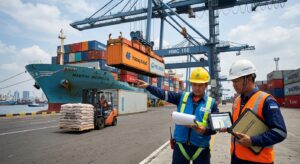
Indonesia has several major ports, with Tanjung Emas (Semarang), Tanjung Perak (Surabaya), and Tanjung Priok (Jakarta) being the most prominent for charcoal exports. When negotiating your contract, it is crucial to agree on the right shipping terms. Understanding these terms can save you from unexpected liabilities and costs. To learn more about shipping terms from one of Indonesia’s busiest ports, read about Incoterms for Shipping from Surabaya Port: A Complete Guide.
Comparing Briquette Specifications
Not all briquettes are created equal. The specifications vary depending on the intended use. Below is a comparison table showing typical specifications for Shisha/Hookah briquettes versus Barbecue briquettes.
| Specification | Shisha / Hookah Grade | Barbecue (BBQ) Grade |
|---|---|---|
| Shape | Cube, Hexagonal, Cylinder | Hexagonal, Pillow, Briquette |
| Ash Content | Max 2.0% – 2.5% | Max 4.0% – 5.0% |
| Fixed Carbon | 75% – 85% | 70% – 75% |
| Burning Time | 1.5 to 2 hours | 3 to 4 hours |
| Moisture Content | Max 5% | Max 6% |
Conclusion
Sourcing from a coconut shell charcoal briquettes supplier indonesia offers significant advantages in terms of quality, sustainability, and cost-effectiveness. By understanding the unique properties of Indonesian charcoal, conducting careful supplier verification, and mastering the logistics and shipping requirements, importers can build highly profitable and sustainable businesses. Always prioritize suppliers who demonstrate transparency, maintain strict quality control, and possess the necessary export documentation to ensure a seamless supply chain.
Frequently Asked Questions
What makes Indonesian coconut shell charcoal better than wood charcoal?
Indonesian coconut shell charcoal is superior because it burns hotter, lasts longer, produces less ash, and is entirely smokeless and odorless. Additionally, it is an eco-friendly alternative as it utilizes agricultural byproducts rather than requiring deforestation.
Are there any specific shipping requirements for importing charcoal from Indonesia?
Yes. Charcoal is classified as a hazardous material (flammable solid) by shipping lines. It requires specific documentation, including a Self-Heating Test certificate, a proper Material Safety Data Sheet (MSDS), and a Vanning Certificate to ensure it is packed safely for sea transport.
How can I verify the quality of a supplier before placing a large order?
The best way to verify quality is to request samples to test the burning time, heat output, and ash content yourself. Additionally, you should ask for laboratory test reports, check their factory certifications, and if possible, hire a third-party inspection agency to audit their facilities before loading the shipment.